The Ordinary Salicylic Acid 2% Anhydrous Solution for oily skin

 Salicylic Acid
 Squalane
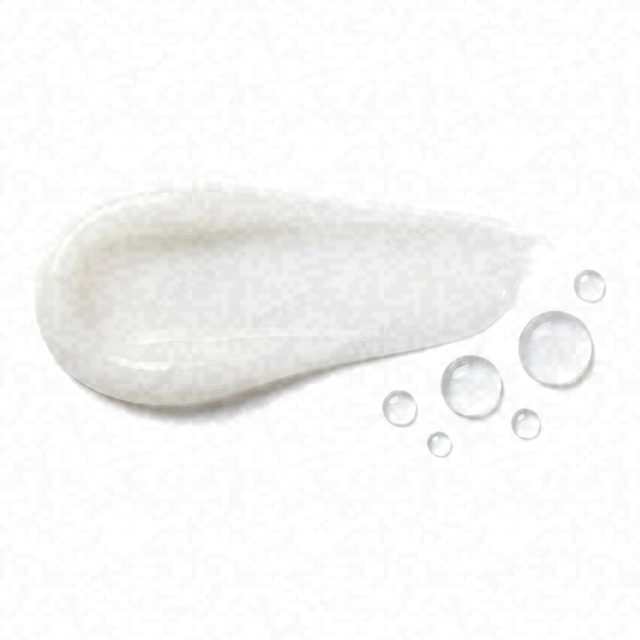 Caprylic Capric Triglyceride
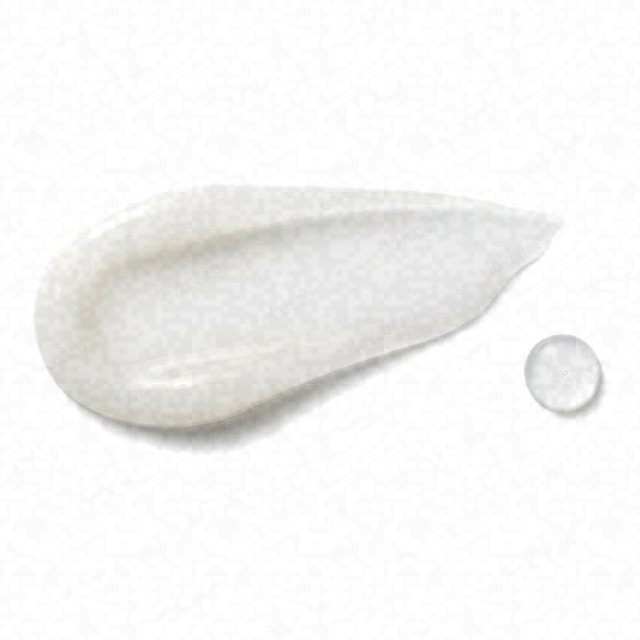 Pentylene Glycol
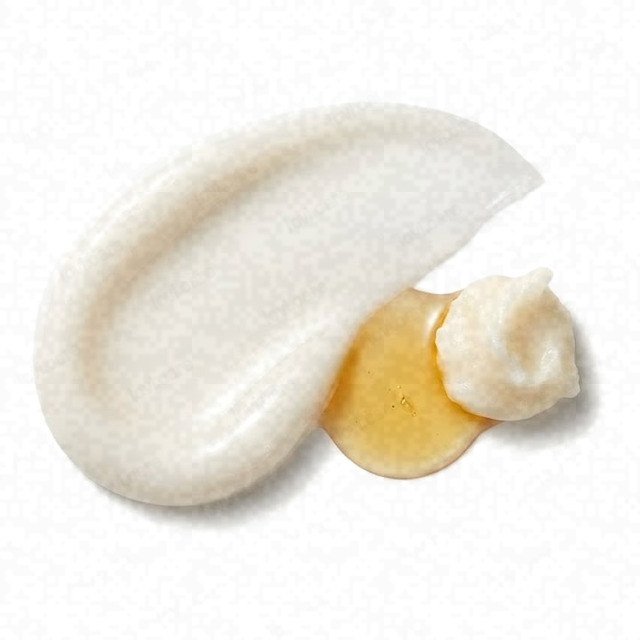 Oleic Linoleic Linolenic Polyglycerides
Average
- SuperiorOily Skin Fit
- HighEffectiveness
- HighSafety
Works for oily skin; other products fit it better.
This fit is calculated for the concerns frequently associated with oily skin: shine, enlarged pores, blackheads, and blemishes. For scores and recommendations based on your full skin profile, including your 12D face scan results and any goals or preferences you have, please use the Lovi app.
Page built Nov 8, 2026How the Fit score works
Lovi Assistant explains
- Offers moderate exfoliation for your oily skin, as salicylic acid works to decongest pores and smooth texture, while squalane provides emollient action beneficial for this skin type.
- The formulation is safe for your oily skin, with no harsh ingredients that could cause irritation.
- This solution effectively targets oily shine and pore congestion, making it a suitable option for your primary concerns.
How to apply
- Use this exfoliant product as part of your PM routine once a week. Start slowly and build up frequency only if your skin tolerates it well.
- Apply the exfoliant after cleansing and toner, but right before your moisturizer.
- Gently press 2-3 drops of the exfoliant into your skin and let it absorb fully. Avoid any harsh rubbing to keep your skin calm.
- Apply the exfoliant directly onto completely dry skin to get the best balance and results. Clean, dry skin helps the product work evenly.
- Always avoid the delicate eye area when applying. Be sure to use a broad-spectrum SPF 30+ daily while using exfoliating acids.
People Say
★3.6Overall rating based on 1.3k+ reviewsThis water-free serum is widely praised by users with dry or sensitive skin for its gentle, moisturizing squalane base that exfoliates without the irritation typical of salicylic acid. However, those with oily or combination skin frequently find the oil-like texture too heavy and greasy, with some reporting that it sits on top of the skin rather than absorbing. Based on a very large amount of data, this should be definitely taken into account.
Highlights
Greasy/Oily feel Mostly Mentioned
- “Feels like putting olive oil on my face”
- “Way too greasy for my liking”
- “Texture is heavy and uncomfortable”
Gentle and non-irritating Often Mentioned
- “Most gentle salicylic acid product I have ever used”
- “Didn't irritate my sensitive skin at all”
- “Great for those who find the original formula too harsh”
Not for oily skin Often Mentioned
- “Made my oily skin feel even grosser”
- “Too heavy for congestion-prone oily skin”
- “Do not recommend if you are already shiny”
Slow absorption Often Mentioned
- “Takes forever to absorb”
- “Just sits on top of my skin”
- “Transfers onto my pillowcase at night”
Effective on pores Sometimes Noted
- “Noticed a difference in my pores and blackheads”
- “Helped decongest my nose area”
- “Texture is smoother after consistent use”
Hydrating oil texture Sometimes Noted
- “Feels nourishing and leaves a nice glow”
- “Keeps my skin hydrated while treating spots”
- “Perfect for dry winter skin”
Caused breakouts Sometimes Noted
- “Clogged my pores badly”
- “Broke me out in tiny bumps”
- “Caused more acne than it cleared”
Glowy finish Rarely Noted
- “Gives a nice healthy glow”
- “Skin looks radiant the next morning”
- “Leaves a lovely sheen”
Sources: lovi.care, sephora.com, theordinary.com, ulta.com, skinsort.com, reddit.com, and more
Questions and answers
How well does The Ordinary Salicylic Acid 2% Anhydrous Solution work for oily skin?
This solution works moderately well for your oily skin, helping to clear pores and smooth texture while reducing oily shine safely and comfortably. It is a suitable option, though an exfoliant treatment for oily skin needs ingredients like niacinamide to control oil production and enhance radiance.
BioMed Research International, 2020Journal of Cosmetic Dermatology, 2024
Which ingredients make this exfoliant a good fit for oily skin?
Salicylic acid decongests pores and smooths texture on oily skin, while squalane softens the skin without feeling heavy. To fit oily skin even better, an exfoliant of this type needs ingredients like niacinamide to control excess oil and zinc PCA to manage shine, alongside soothing extracts and barrier-supporting hydrators.
BioMed Research International, 2020Journal of Cosmetic Dermatology, 2024
What does Salicylic Acid do for oily skin?
Salicylic acid helps oily skin by reducing excess oil and keeping pores clear. It may also improve overall skin hydration while managing breakouts.
Journal of Cosmetic Dermatology, 2025Experimental Dermatology, 2019
What does Squalane do for oily skin?
Squalane helps keep oily skin soft and smooth without feeling heavy, though oxidized forms may sometimes trigger irritation. To work well for oily skin, this type of product needs lightweight, non-clogging ingredients that balance moisture without adding excess grease.
Where does it go in a skincare routine for oily skin?
This treatment goes in the evening routine after cleansing and before moisturizing. Oily skin works best with products that offer moderate exfoliation to decongest pores and smooth texture while keeping the skin soft.
Can I use this exfoliant with retinol, and in what order?
You can use this exfoliant with retinol, but it is best to use them on alternate nights or separate them into your morning and evening routines to avoid irritation. Salicylic acid clears out pores while smoothing your skin, and pairing it carefully with retinol helps keep your skin calm.
How often should I use it?
Start using this treatment once a week in your evening routine, and if your skin feels comfortable and tolerates it well, you may carefully use it more often. This product helps clear out clogged pores and smooth texture, but an average fit for oily skin needs a formula with lighter hydrating ingredients and oil-balancing actives that target shine more effectively.
Can this exfoliant clog pores, cause breakouts or purging for oily skin?
This exfoliant may cause breakouts for oily skin, as reviewers frequently complain about a greasy feel, slow absorption, and clogged pores. An oily skin type needs a lighter, fast-absorbing texture with oil-controlling ingredients and no heavy oils that can sit on the skin.
Is it fragrance-free and alcohol-free?
Yes, it has no fragrance and no drying alcohol.
What the research says
A moisturizer containing licochalcone A, 1,2-decanediol, L-carnitine, and salicylic acid significantly reduced noninflammatory, inflammatory, and total acne lesion counts compared to a vehicle control in Thai patients during a 12-week maintenance phase.
BioMed Research International, 2020Twice daily application of a multitargeted dermocosmetic cream provided comparable efficacy to benzoyl peroxide 5% gel in reducing inflammatory, non-inflammatory, and total lesions in 150 Caucasian subjects with mild-to-moderate acne over 56 days, while demonstrating superior skin tolerability.
Journal of Cosmetic Dermatology, 2024The use of a salicylic acid-based dermocosmetic significantly reduces the needed quantity of benzoyl peroxide without impacting efficacy in mild to moderate acne, and as maintenance post-benzoyl peroxide allows a significant reduction of acne relapse compared to vehicle.
Journal of Drugs in Dermatology, 2023Cryotherapy with liquid nitrogen achieved a higher cure rate (39%) than salicylic acid (24%) and a wait-and-see approach (16%) for cutaneous warts at 13 weeks in primary care patients.
CMAJ, 2010Treatment with 2% supramolecular salicylic acid hydrogel resulted in a regression and markedly improvement rate of 51.01% compared to 43.10% for Adapaline gel in patients with mild to moderate facial acne vulgaris, showing no significant difference in efficacy.
Journal of Cosmetic Dermatology, 2024Topical 5% benzoyl peroxide plus salicylic acid achieved the greatest lesion reduction at early 2 to 4 week time points compared to benzoyl peroxide, clindamycin, and combination benzoyl peroxide/clindamycin, while 5% benzoyl peroxide plus salicylic acid and combination benzoyl peroxide/clindamycin showed similar efficacy at 10 to 12 weeks in acne patients.
Journal of the American Academy of Dermatology, 2010Squalane at 0.005-0.015% counteracts UVA-induced oxidative stress, inflammation, and collagen metabolism inhibition while stimulating fibroblast migration in human dermal fibroblasts.
Molecules, 2025Plant-derived squalane protected human dermal fibroblasts against UVA-induced damage by counteracting ROS formation, suppressing apoptosis-related proteins p53, caspase-3, caspase-9, and PARP, and restoring the pro-survival p-Akt/mTOR pathway.
Antioxidants, 2025Topical application of an emollient emulsion containing 15.0% caprylic/capric triglyceride doubled the amount of urocanic acid isomers and increased skin hydration with reduced transepidermal water loss in healthy subjects, though it did not prevent ultraviolet-induced urocanic acid isomerization.
Life, 2023Exposure of epidermal full-thickness skin equivalents to a blend of betaine, pentylene glycol, Saccharomyces cerevisiae, and Rhodiola rosea root extract significantly increased antioxidant, skin barrier, and oxidative stress biomarkers while reducing the negative impact of hydrogen peroxide on MMP3, MMP12, FBN2, ANXA1, and HGF, whereas a blend of Narcissus tazetta bulb extract and Schisandra chinensis fruit extract significantly increased 8 growth factors, 7 signaling, 7 structural/barrier function, 7 oxidative stress biomarkers, and specific microRNAs over control levels.
International Journal of Molecular Sciences, 2018
Ingredients
Squalane, Caprylic Capric Triglyceride, Pentylene Glycol, Salicylic Acid, Oleic Linoleic Linolenic Polyglycerides, 4-T-Butylcyclohexanol, Hydroxymethoxyphenyl Decanone, Phenoxyethanol, Chlorphenesin
Behind this fit score
Lovi calculates every fit score from the full ingredient list with brand-independent rules our dermatologists and cosmetic chemists build and review, and personalizes every pick with AI trained on the real results of millions of users. Lovi trains its fit score models on a proprietary dataset built from more than 10,000 expert-labeled products and more than 100,000 simulated examples, following an internally consistent methodology presented at Cosmoprof, AMWC, and Skin of Color Update.
-

Co-founder, Medical Director
Cosmetic chemist, cosmetologist, aesthetic products developer
-

Co-founder, CEO and CTO
PhD in computer science, 3x US patent holder, ex-Google, ex-Yandex
-

Dr. Sofía Perea Pérez, MD, MSc
Medical Board
Aesthetic medicine practitioner, MSc in Longevity and Anti-Aging Medicine
-

Medical Board
Specialist dermatologist, MBBS, MD, IFAAD
-

Medical Board
Cosmetic chemist, SCS, IFSCC member
-

Medical Board, Medical Advisor
Dermatology MD
-

Elina Nazarenko, MD
Medical Board
Dermatology and diagnostic consultant
-

Victoria Derkova, MS
Medical Board
Cosmetic chemist, cosmetic development technologist


How does it fit your skin?
Scan your face, then any product: Lovi shows how well it fits you and what fits even better.