Purito Comfy Water Sun Block for sensitive skin

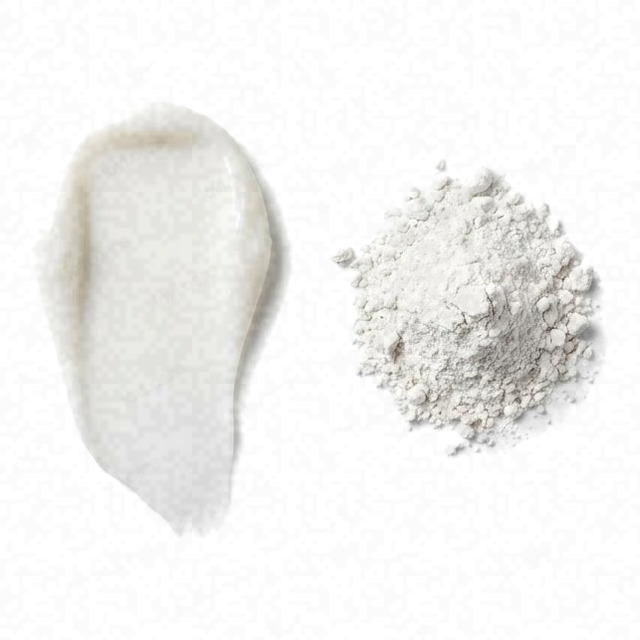 Zinc Oxide
 Niacinamide
 Madecassoside
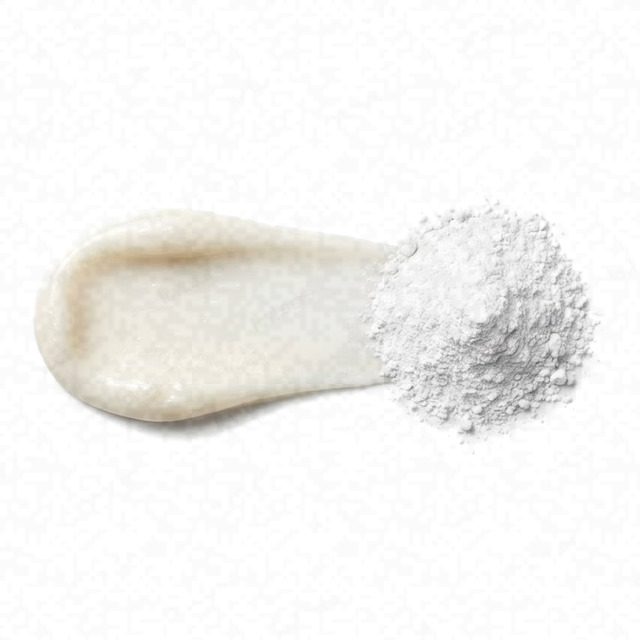 Titanium Dioxide
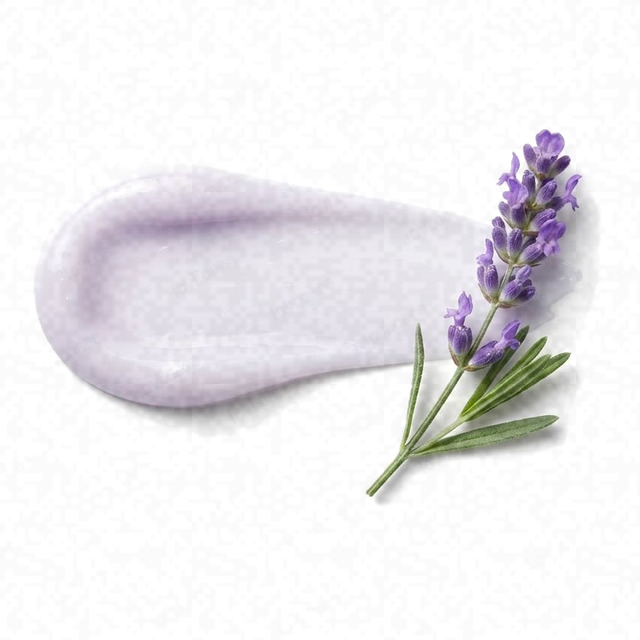 Lavandula Angustifolia Oil Lavender Oil
Average
- HighNormal Skin Fit
- AverageEffectiveness
- ExcellentSafety
Works for sensitive skin; other sunscreens fit it better.
This fit is calculated for the concerns frequently associated with sensitive skin: redness, stinging, and reactions to new products. For scores and recommendations based on your full skin profile, including your 12D face scan results and any goals or preferences you have, please use the Lovi app.
Page built Nov 8, 2026How the Fit score works
Lovi Assistant explains
- Suitable for normal skin, this product offers moderate benefits for redness and irritation due to niacinamide and madecassoside, which provide anti-inflammatory and barrier repair support.
- The formula also provides excellent UV protection with zinc oxide and titanium dioxide, though the inclusion of citrus aurantium dulcis peel oil and melaleuca alternifolia leaf oil may pose a slight risk of irritation for sensitive skin.
- Overall, the product is safe for sensitive skin as it lacks harsh ingredients and contains soothing components.
How to apply
- Apply this sunscreen during your AM routine every morning. Reapply every two hours if you are staying outdoors under direct sunlight.
- Order in routine: apply the sunscreen as the final step after your moisturizer and before applying makeup.
- Application method: gently press a nickel-sized amount over your face and neck without harsh rubbing.
- Skin condition guidance: apply the sunscreen directly onto dry skin for even coverage and reliable sun protection.
- Safety note: avoid direct contact with your eyes and do a patch test before first use to check for sensitivity.
People Say
★4.5Overall rating based on 100+ reviewsUsers with oily, acne-prone, and sensitive skin frequently praised this mineral sunscreen for its incredibly lightweight, water-like texture that feels breathable and non-greasy. However, many users experienced significant issues with the product pilling under makeup or over other skincare, and a major controversy regarding its actual SPF protection level led to widespread disappointment and its eventual discontinuation.
Highlights
Lightweight texture Mostly Mentioned
- “feels like water”
- “barely there feel”
- “super light-weight”
- “soaks up immediately”
Pilling under makeup Mostly Mentioned
- “pills like crazy”
- “balls up under makeup”
- “clumps when rubbed”
- “flakes off face”
Non-sticky finish Often Mentioned
- “satin matte finish”
- “zero stickiness”
- “dries down matte”
- “no greasy residue”
SPF controversy Often Mentioned
- “tested below label”
- “SPF 19 not 50”
- “false advertising”
- “no longer trust it”
No scent Sometimes Noted
- “fragrance-free”
- “no chemical smell”
- “very delicate scent”
- “smells like nothing”
Non-irritating Sometimes Noted
- “great for sensitive skin”
- “no stinging eyes”
- “didn't break me out”
- “soothing for acne”
White cast Sometimes Noted
- “ghostly on tan skin”
- “grey undertone”
- “visible white streaks”
- “clings to dry patches”
Drying sensation Rarely Noted
- “felt tight after hours”
- “clung to dry spots”
- “not moisturizing enough”
- “chalky feeling”
Sources: lovi.care, yesstyle.com, reddit.com, influenster.com, skincarma.com, myskincareregime.com, and more
Questions and answers
How well does Purito Comfy Water Sun Block work for sensitive skin?
Purito Comfy Water Sun Block works as an average fit for sensitive skin because, while it offers good sun protection and soothing ingredients like niacinamide, the inclusion of citrus peel oil and lavender oil may pose a slight risk of irritation. A sunscreen for sensitive skin needs to be specifically formulated to avoid allergens and provide a gentle, non-irritating experience with high-quality soothing components.
Which ingredients make this cream a good fit for sensitive skin?
Zinc oxide and titanium dioxide make this sunscreen a good fit by giving it reliable UV protection, while niacinamide and madecassoside help calm redness and soothe the skin. A sunscreen for sensitive skin needs a completely gentle formula free of potential irritants like essential oils.
What does Zinc Oxide do for sensitive skin?
Zinc oxide helps calm red, irritated skin and protects against irritation while being gentle enough for daily use. It is unlikely to cause trouble for delicate areas, making it a safe choice for soothing sensitive skin.
What does Niacinamide do for sensitive skin?
Niacinamide helps calm sensitive skin by strengthening the skin barrier and reducing redness and irritation. It is very well tolerated and may improve overall comfort and resilience with regular use.
Where does it go in a skincare routine for sensitive skin?
This product goes in the morning routine as a moisturizing sunscreen after cleansing and toning. It provides strong UV protection and soothing support, though products for sensitive skin need calming and barrier-repair ingredients like niacinamide and madecassoside without added fragrance oils.
Can I use this cream with retinol, and in what order?
This product works well applied in the morning after your cleanser and soothing toner to protect your skin, while retinol is best saved for your evening routine. Using this sunscreen during the day helps shield your face, but because it contains essential oils that may slightly irritate delicate skin, a product of this type needs soothing and barrier-repairing ingredients without added fragrance oils for the best fit.
How often should I use it?
You can use this sunscreen every morning to protect your skin from the sun. A product of this type for sensitive skin needs soothing ingredients and gentle mineral blockers while being completely free of fragrant oils that may cause irritation.
Can this cream clog pores, cause breakouts or purging for sensitive skin?
This cream is unlikely to clog pores or cause breakouts for sensitive skin because it is free of heavy, pore-clogging ingredients. However, a product for this skin needs to be completely fragrance-free and rely on soothing plant extracts without any essential oils to prevent potential irritation and breakouts.
Is it fragrance-free and alcohol-free?
Yes, it has no fragrance and no drying alcohol.
What the research says
Cosmetic formulations containing 5% Centella asiatica extract showed the best efficacy in improving skin moisture and decreasing transepidermal water loss, while also exhibiting antiinflammatory properties in 25 volunteers compared to baseline measurements.
Indian Journal of Pharmaceutical Sciences, 2016Patch testing 4731 consecutive patients in 13 U.K. dermatology departments revealed positive reactions to hydroperoxides of limonene in 5.0% and linalool in 5.9% of patients compared to 0.2% for stabilized terpenes alone.
The British Journal of Dermatology, 2014Biomimetic hyaluronic acid-stabilized zinc oxide nanoparticles selectively inhibited C. acnes, outperformed erythromycin in preclinical acne models, and safely reduced acne lesions and redness in a clinical trial.
Journal of Controlled Release, 2025Topical 0.5% hyaluronic-ZnO nanogel applied twice daily reduced inflammatory-lesion counts by 58% at week four in human subjects compared to baseline without causing erythema.
Biomedicines, 2025Nels cream achieved a similar reduction in inflammatory and noninflammatory lesion counts compared to 5% benzoyl peroxide in acne vulgaris patients, but caused significantly fewer side-effects such as peeling and dryness.
Clinical and Experimental Dermatology, 2000Topically applied coated and uncoated zinc oxide nanoparticles under flexing and massage are retained in the stratum corneum with no significant penetration into the viable epidermis and no cellular toxicity in human skin.
Nanomedicine, 2016Topical post-laser application of human adipocyte-derived mesenchymal stem cell media combined with niacinamide significantly improved wrinkle index, melanin index, patient satisfaction, and investigator esthetic improvement scores compared to vehicle cream in patients with aging skin.
Journal of Cosmetic Dermatology, 2021Topical nicotinamide prevented solar-simulated UV-induced immunosuppression in healthy volunteers, and men experienced immunosuppression at solar-simulated UV doses three times lower than those required for women.
The Journal of Investigative Dermatology, 2008Topical 5% niacinamide applied twice daily for 12 weeks reduced fine lines and wrinkles, hyperpigmented spots, red blotchiness, and skin sallowness, and improved skin elasticity compared to vehicle control in 50 female white subjects with facial photoaging.
Dermatologic Surgery, 2005Topical application of 0.05% w/w ECa 233 gel reduced erythema index by 0.03 U and improved early crusting and general wound appearance compared to placebo in thirty individuals undergoing facial laser resurfacing.
Journal of Alternative and Complementary Medicine, 2020A single application of a moisturizing fluid containing hyaluronic acid 1%, glycerin 5%, and Centella asiatica stem cells extract significantly increased skin hydration by 29% and reduced transepidermal water loss at 24 hours compared to baseline and an untreated control site in twenty healthy women.
Clinical, Cosmetic and Investigational Dermatology, 2017Moisturizer containing 5% panthenol, madecassoside, and copper-zinc-manganese decreased adverse reactions and downtime after ablative fractional carbon dioxide laser resurfacing with comparable efficacy to 0.02% triamcinolone acetonide cream in 20 subjects.
Journal of Cosmetic Dermatology, 2019Microfine titanium dioxide does not penetrate human skin when formulated in an oil-in-water emulsion with the pigment dispersed in the aqueous phase, compared to oily dispersions and liposomal encapsulation which allow deeper skin penetration.
International Journal of Cosmetic Science, 2000Replacing microsized titanium dioxide and zinc oxide with nanoparticles in sunscreens eliminates opaqueness and alters UV protection balance while inducing (photo)cyto- and genotoxicity and penetrating viable skin layers during long-term exposures.
Nanotechnology, Science and Applications, 2011Microfine zinc oxide and titanium dioxide do not penetrate the stratum corneum of porcine skin in vitro, indicating that their use in sunscreens does not pose a health risk from internal exposure.
Toxicology in Vitro, 2006Polysaccharide-based O/W emulsions incorporated with lavender essential oil applied to cellulosic support are non-irritating, provide softness and moisturizing effects, and are safe for topical patch applications.
International Journal of Biological Macromolecules, 2021Gellan gum hydrogel films co-encapsulating ofloxacin with tea tree or lavender oil achieved 98% wound contraction and completely healed epidermis in rats after ten days of treatment compared to baseline.
International Journal of Biological Macromolecules, 2021Topical application of lavender oil significantly promoted wound contraction, collagen synthesis, and fibroblast differentiation with up-regulation of TGF-beta in a rat model compared to control.
BMC Complementary and Alternative Medicine, 2016
Ingredients
Water, Zinc Oxide, Titanium Dioxide, Niacinamide, 1,2-Hexanediol, Butylene Glycol, Glycerin, Dipropylene Glycol, Silica, Cetearyl Olivate, Cetyl Ethylhexanoate, Sodium Polyacryloyldimethyl Taurate, Sorbitan Olivate, Stearic Acid, Madecassoside, Asiaticoside, Madecassic Acid, Asiatic Acid, Citrus Aurantium Dulcis Peel Oil, Lauroyl Lysine, Disodium Edta, Acrylates C10-30 Alkyl Acrylate Crosspolymer, Melaleuca Alternifolia Oil Leaf, Lavandula Angustifolia Oil, Adenosine, Hydroxyethyl Acrylate Sodium Acryloyldimethyl Taurate Copolymer
Behind this fit score
Lovi calculates every fit score from the full ingredient list with brand-independent rules our dermatologists and cosmetic chemists build and review, and personalizes every pick with AI trained on the real results of millions of users. Lovi trains its fit score models on a proprietary dataset built from more than 10,000 expert-labeled products and more than 100,000 simulated examples, following an internally consistent methodology presented at Cosmoprof, AMWC, and Skin of Color Update.
-

Co-founder, Medical Director
Cosmetic chemist, cosmetologist, aesthetic products developer
-

Co-founder, CEO and CTO
PhD in computer science, 3x US patent holder, ex-Google, ex-Yandex
-

Dr. Sofía Perea Pérez, MD, MSc
Medical Board
Aesthetic medicine practitioner, MSc in Longevity and Anti-Aging Medicine
-

Medical Board
Specialist dermatologist, MBBS, MD, IFAAD
-

Medical Board
Cosmetic chemist, SCS, IFSCC member
-

Medical Board, Medical Advisor
Dermatology MD
-

Elina Nazarenko, MD
Medical Board
Dermatology and diagnostic consultant
-

Victoria Derkova, MS
Medical Board
Cosmetic chemist, cosmetic development technologist


How does it fit your skin?
Scan your face, then any product: Lovi shows how well it fits you and what fits even better.