Beauty of Joseon Relief Sun: Rice + Probiotics for oily acne-prone skin

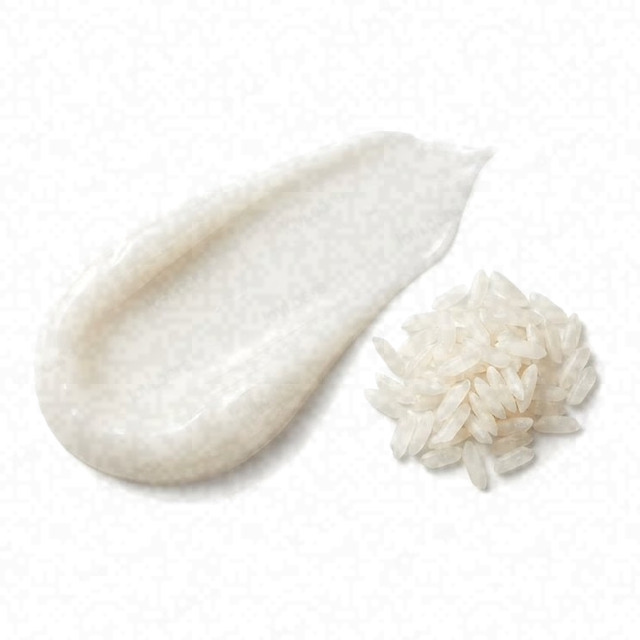 Rice Extract
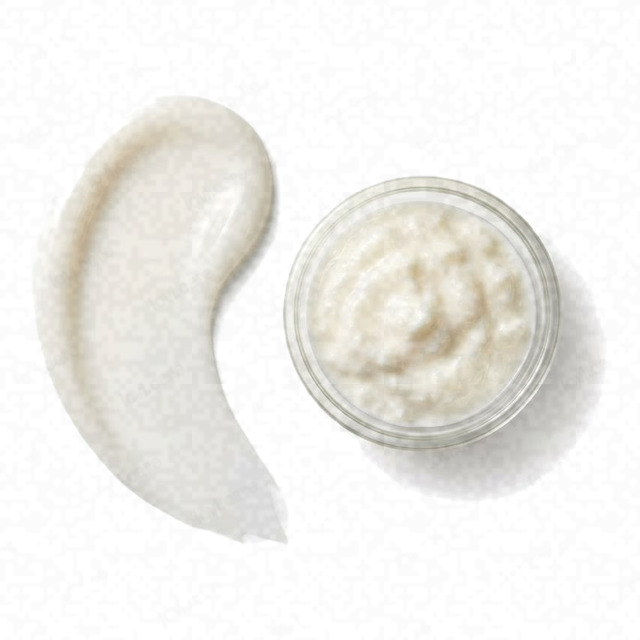 Lactobacillus Ferment
 Niacinamide
 Glycerin
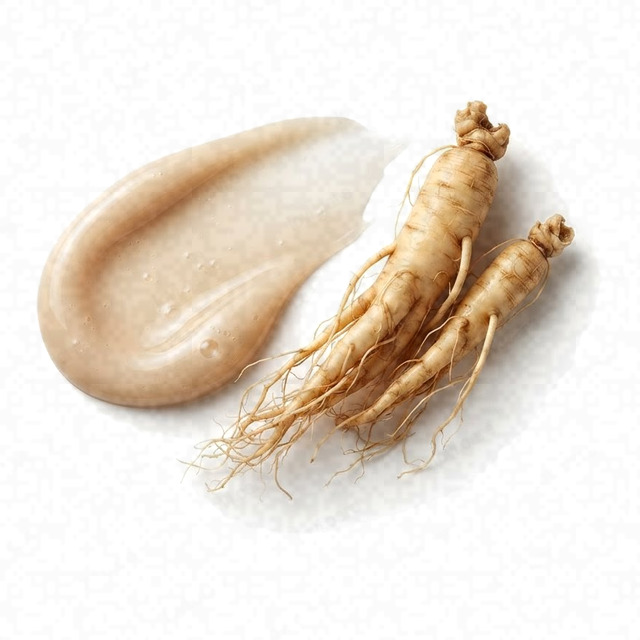 Panax Ginseng Root Extract
High
- HighOily Skin Fit
- HighEffectiveness
- HighSafety
One of the best sunscreens for oily acne-prone skin.
This fit is calculated for the concerns frequently associated with oily acne-prone skin: shine, breakouts, blemishes, and enlarged pores. For scores and recommendations based on your full skin profile, including your 12D face scan results and any goals or preferences you have, please use the Lovi app.
Page built Nov 8, 2026How the Fit score works
Lovi Assistant explains
- Excellent sun protection is provided for your oily skin due to ethylhexyl triazone and methylene bis-benzotriazolyl tetramethylbutylphenol, which shield effectively from UV rays while niacinamide and rice extract offer seboregulation and soothing benefits.
- The formula also supports your acne-prone skin by providing general hydration and soothing effects through various fermented extracts.
- This product is safe for your skin as it contains no harsh ingredients and poses no irritation risks.
How to apply
- Use your moisturizing sunscreen every morning. Reapply throughout the day if you are outside.
- Apply this moisturizing sunscreen as the final step of your morning routine after your moisturizer.
- Gently smooth a nickel-sized amount over your face and neck, avoiding harsh rubbing to keep oily areas calm.
- Apply this moisturizing sunscreen on clean, dry skin to ensure even coverage and protection.
- Avoid getting the product into your eyes and do a patch test before your first use.
People Say
★4.7Overall rating based on 60.0k+ reviewsBased on a very large amount of data, this sunscreen is highly recommended for dry, sensitive, and combination skin types, praised for its lightweight, lotion-like texture that absorbs quickly without residue and provides a dewy glow. It is also noted for being gentle and not causing a white cast. Some users with very oily or acne-prone skin report breakouts or find it too rich, and a few mention eye stinging or a slight white cast on deeper skin tones.
Highlights
Lightweight texture Mostly Mentioned
- “feels like a light moisturizer”
- “disappears into skin immediately”
- “no heavy feeling”
No white cast Mostly Mentioned
- “leaves absolutely no cast”
- “blends in perfectly”
- “great for brown skin”
Moisturizing finish Often Mentioned
- “leaves a healthy glow”
- “skip my morning moisturizer”
- “makes skin look plump”
Good under makeup Sometimes Noted
- “makeup sits beautifully on top”
- “doesn't pill”
- “smooth base for foundation”
Soothing and gentle Sometimes Noted
- “doesn't sting my face”
- “calms my redness”
- “gentle on sensitive skin”
Too greasy Sometimes Noted
- “looked like a greaseball”
- “too dewy for summer”
- “made my T-zone shiny”
Causes breakouts Rarely Noted
- “broke me out in tiny bumps”
- “caused cystic acne”
- “clogged my pores”
Eye stinging Rarely Noted
- “stings my eyes badly”
- “makes eyes water”
- “can't put it near eyelids”
Scent issues Rarely Noted
- “smells like plastic”
- “weird chemical scent”
- “scent is off-putting”
White cast Rarely Noted
- “slight blue tone on dark skin”
- “takes work to blend on deep skin”
- “faint cast initially”
Sources: lovi.care, iherb.com, stylekorean.com, reddit.com, yesstyle.com, stylevana.com, and more
Questions and answers
What makes Beauty of Joseon Relief Sun a great fit for oily acne-prone skin?
This product is a great fit because it shields your skin from UV rays while helping control oil and calm irritation. It also keeps your skin hydrated and soothing through various fermented extracts without causing irritation or harsh reactions.
Pharmaceuticals, 2023Clinical, Cosmetic and Investigational Dermatology, 2023
Which ingredients make this cream a good fit for oily acne-prone skin?
This cream is a great fit because ethylhexyl triazone and methylene bis-benzotriazolyl tetramethylbutylphenol shield your skin from the sun, while niacinamide and rice extract help control oil and soothe. It is also unlikely to cause irritation and supports your skin with gentle hydration from various fermented extracts.
Pharmaceuticals, 2023Clinical, Cosmetic and Investigational Dermatology, 2023
What does Rice Extract do for oily acne-prone skin?
Rice extract helps calm oily acne-prone skin by reducing acne-causing bacteria and lowering inflammation. It may also help keep your skin clear and smooth without causing irritation.
What does Lactobacillus Ferment do for oily acne-prone skin?
Lactobacillus ferment helps calm and balance oily, acne-prone skin while strengthening its natural barrier. It is unlikely to clog pores and may improve firmness and overall skin health with regular use.
International Journal of Cosmetic Science, 2026Clinical, Cosmetic and Investigational Dermatology, 2023
Where does this cream go in a skincare routine for oily acne-prone skin?
This moisturizing sunscreen goes last in your morning routine, right after your moisturizer. It shields your skin from UV rays while keeping excess oil and blemishes calm.
International Journal of Cosmetic Science, 2020Clinical, Cosmetic and Investigational Dermatology, 2023
Can I use this cream with retinol, and in what order?
Yes, you can use this cream in the morning before your sunscreen or after your retinol at night to keep your skin hydrated and calm. This product is unlikely to cause irritation on oily acne-prone skin because it contains no harsh ingredients and features soothing fermented extracts.
Clinical, Cosmetic and Investigational Dermatology, 2023International Journal of Cosmetic Science, 2026
How often should I use this cream?
You can use this moisturizing SPF every morning as the final step of your routine before sun exposure. Daily application helps shield your oily skin from UV rays while keeping it calm and balanced.
Can this cream clog pores, cause breakouts or purging for oily acne-prone skin?
This cream is unlikely to clog pores or cause breakouts since it has an excellent safety profile with no harsh ingredients, though a few reviewers do report occasional breakouts. The formula helps keep oily skin calm and balanced with rice extract and niacinamide.
Is this cream fragrance-free and alcohol-free?
Yes, it has no fragrance and no drying alcohol. Behenyl alcohol is a fatty alcohol, which soften the skin.
What the research says
A topical xanthan gum nanogel containing gamma-oryzanol-loaded nanostructured lipid carriers and nanosized TiO2 and MBBT filters demonstrated high photoprotection with an SPF of 34 and no skin irritation or sensitization in a rat model.
Pharmaceuticals, 2023Topical application of a postbiotic Saccharomyces and Lactobacillus ferment complex for 28 days significantly modulated the scalp microbiome and achieved a 100% sensitive scalp syndrome alleviation effect in Chinese women with sensitive scalp syndrome.
Clinical, Cosmetic and Investigational Dermatology, 2023Topical application of 1.0% Lactobacillus ferment from jojoba cake significantly increased skin collagen fluorescence compared to baseline and placebo cream over 56 days in 46 individuals.
International Journal of Cosmetic Science, 2026The iontophoretic delivery of hyaluronic acid nanogel-loaded Saccharomyces/Rice Ferment Filtrate significantly reduced advanced glycation end products and mitigated skin stiffening in an ex vivo skin tissue glycation model.
International Journal of Nanomedicine, 2025Topical treatment of nicotinamide, alone or in combination with other active ingredients, reduces the progression of skin aging and hyperpigmentation in clinical trials while being well tolerated.
Antioxidants, 2021Daily application of a cream containing niosomes loaded with purple glutinous rice extract in 20 human volunteers for 28 days resulted in a significant decrease in melanin index and skin roughness by -14.05% and -9.95%, and increases in skin hydration and elastic recovery by +48.73% and +35.98% compared to initial values.
International Journal of Cosmetic Science, 2020Red rice extract suppressed UVB-induced inflammation and skin aging in human skin fibroblasts by inhibiting the MAPK signaling pathway, leading to decreased NF-kappa B and AP-1 activation, reduced ECM degradation, and increased ECM synthesis compared to UVB-irradiated controls.
Natural Product Communications, 2016Aspergillus oryzae-fermented broken rice and brewers' rice water extracts inhibit photoaging in UV-irradiated human fibroblasts and co-cultured keratinocytes by downregulating MMP-1, inhibiting elastase, enhancing collagen formation, upregulating elastin gene expression, and lowering pro-inflammatory cytokines.
Cellular and Molecular Biology, 2023Probiotic-derived lotion successfully reduced inflammatory acne lesion counts and erythema index comparably to 2.5% benzoyl peroxide in patients with mild-to-moderate acne vulgaris, while causing fewer side effects.
Journal of Cosmetic Dermatology, 2022Topical application of Lactobacillus plantarum-GMNL6 enhanced collagen synthesis and SPTSSA gene expression while reducing melanin synthesis, Staphylococcus aureus biofilm, and Cutibacterium acnes proliferation, leading to clinical improvements in skin moisture, color, spots, wrinkles, UV spots, and porphyrins in human volunteers.
International Journal of Medical Sciences, 2021Lactobacillus plantarum extracellular vesicles modulated extracellular matrix related gene expression in vitro and suppressed wrinkle formation and pigmentation in clinical trials.
Current Issues in Molecular Biology, 2022Topical post-laser application of human adipocyte-derived mesenchymal stem cell media combined with niacinamide significantly improved wrinkle index, melanin index, patient satisfaction, and investigator esthetic improvement scores compared to vehicle cream in patients with aging skin.
Journal of Cosmetic Dermatology, 2021Topical nicotinamide prevented solar-simulated UV-induced immunosuppression in healthy volunteers, and men experienced immunosuppression at solar-simulated UV doses three times lower than those required for women.
The Journal of Investigative Dermatology, 2008Topical 5% niacinamide applied twice daily for 12 weeks reduced fine lines and wrinkles, hyperpigmented spots, red blotchiness, and skin sallowness, and improved skin elasticity compared to vehicle control in 50 female white subjects with facial photoaging.
Dermatologic Surgery, 2005A single application of a moisturizing fluid containing hyaluronic acid 1%, glycerin 5%, and Centella asiatica stem cells extract significantly increased skin hydration by 29% and reduced transepidermal water loss at 24 hours compared to baseline and an untreated control site in twenty healthy women.
Clinical, Cosmetic and Investigational Dermatology, 2017The emollient V0034CR significantly reduced TEWL compared to vehicle and vehicle plus glycerol, and significantly increased corneometry scores compared to vehicle and vehicle plus petrolatum in healthy volunteers with dry skin, demonstrating combined barrier function improvement from petrolatum and hydration improvement from glycerol.
Journal of Cosmetic Dermatology, 2020Ten days of treatment with a cream containing 20% glycerin significantly increased skin hydration measured by corneometer values in 17 healthy volunteers compared to a placebo cream, but showed no influence on transepidermal water loss or skin sensitivity to an irritating surfactant.
International Journal of Cosmetic Science, 2001Enzyme-modified ginseng extract cream significantly reduced the global photo-damage score and various roughness measures including total roughness, smoothness depth, and arithmetic roughness average compared to placebo in 23 human subjects.
Rejuvenation Research, 2015A red ginseng hydrogel formulation with 1,2-hexanediol promoted selective growth of Staphylococcus epidermidis and decreased Cutibacterium acnes in 20 female subjects.
Journal of Ginseng Research, 2022A 1% fermented black ginseng cream significantly reduced eye wrinkles and brightened skin color in twenty-three human subjects compared to control cream and baseline.
Journal of Toxicology and Environmental Health. Part A, 2020
Ingredients
Water, Rice Extract, Dibutyl Adipate, Propanediol, Diethylamino Hydroxybenzoyl Hexyl Benzoate, Polymethylsilsesquioxane, Ethylhexyl Triazone, Niacinamide, Methylene Bis-Benzotriazolyl Tetramethylbutylphenol, Coco-Caprylate Caprate, Caprylyl Methicone, Diethylhexyl Butamido Triazone, Glycerin, Butylene Glycol, Rice Extract Germ Extract, Camellia Sinensis Leaf Extract, Lactobacillus Pumpkin Extract Ferment, Bacillus Soybean Extract Ferment, Saccharum Officinarum Extract, Macrocystis Pyrifera Extract Kelp Extract, Coconut Fruit Extract, Panax Ginseng Root Extract, Monascus Rice Ferment, Pentylene Glycol, Behenyl Alcohol, Poly C10-30 Alkyl Acrylate, Polyglyceryl-3 Methylglucose Distearate, Decyl Glucoside, Tromethamine, Carbomer, Acrylates C10-30 Alkyl Acrylate Crosspolymer, 1,2-Hexanediol, Sodium Stearoyl Glutamate, Polyacrylate Crosspolymer-6, Ethylhexylglycerin, Adenosine, Xanthan Gum, Tocopherol, Lactobacillus Rice Ferment, Aspergillus Ferment, Saccharomyces Rice Ferment Filtrate
Behind this fit score
Lovi calculates every fit score from the full ingredient list with brand-independent rules our dermatologists and cosmetic chemists build and review, and personalizes every pick with AI trained on the real results of millions of users. Lovi trains its fit score models on a proprietary dataset built from more than 10,000 expert-labeled products and more than 100,000 simulated examples, following an internally consistent methodology presented at Cosmoprof, AMWC, and Skin of Color Update.
-

Co-founder, Medical Director
Cosmetic chemist, cosmetologist, aesthetic products developer
-

Co-founder, CEO and CTO
PhD in computer science, 3x US patent holder, ex-Google, ex-Yandex
-

Dr. Sofía Perea Pérez, MD, MSc
Medical Board
Aesthetic medicine practitioner, MSc in Longevity and Anti-Aging Medicine
-

Medical Board
Specialist dermatologist, MBBS, MD, IFAAD
-

Medical Board
Cosmetic chemist, SCS, IFSCC member
-

Medical Board, Medical Advisor
Dermatology MD
-

Elina Nazarenko, MD
Medical Board
Dermatology and diagnostic consultant
-

Victoria Derkova, MS
Medical Board
Cosmetic chemist, cosmetic development technologist


How does it fit your skin?
Scan your face, then any product: Lovi shows how well it fits you and what fits even better.