The Ordinary Alpha Arbutin 2% + HA for acne-prone skin

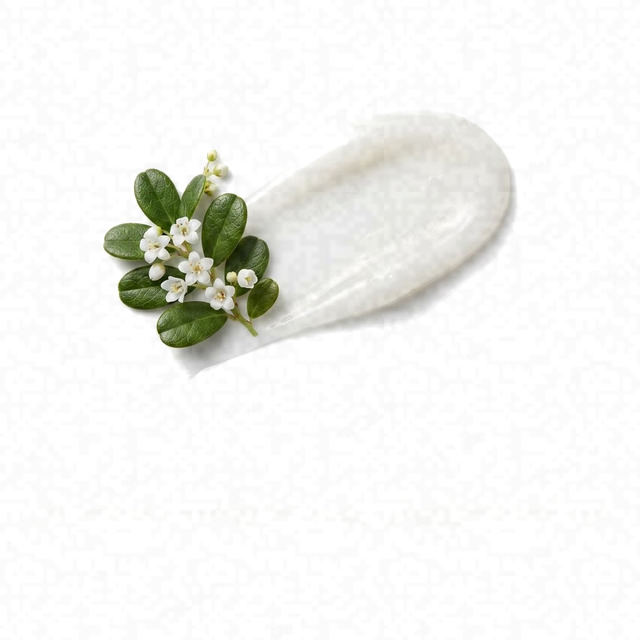 Alpha Arbutin
 Sodium Hyaluronate
 Lactic Acid
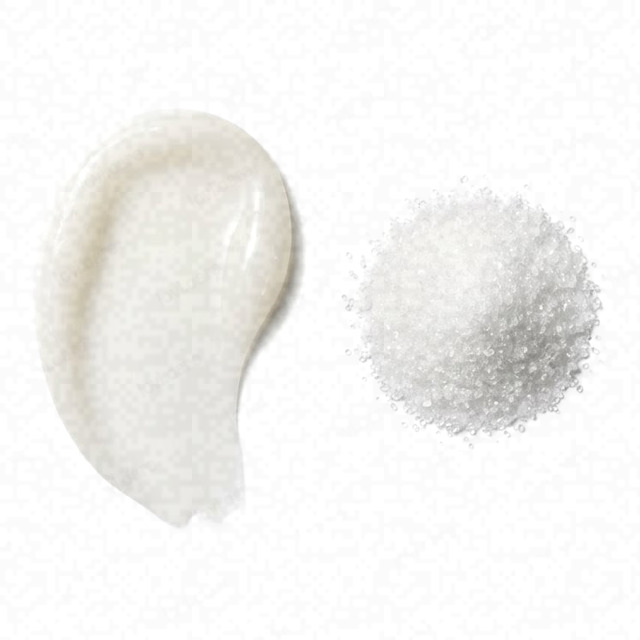 Chlorphenesin
Average
- HighCombination Skin Fit
- AverageEffectiveness
- Low RiskSafety
Works for acne-prone skin; other serums fit it better.
This fit is calculated for the concerns frequently associated with acne-prone skin: breakouts, blackheads, and post-acne marks. For scores and recommendations based on your full skin profile, including your 12D face scan results and any goals or preferences you have, please use the Lovi app.
Page built Nov 8, 2026How the Fit score works
Lovi Assistant explains
- Offers moderate brightening and hydration for your combination skin, as alpha arbutin helps regulate melanogenesis while hydrolyzed sodium hyaluronate provides humectant action.
- The formula includes lactic acid for mild exfoliation and general hydration, which can be supportive for acne-prone skin.
- The product is generally safe for your combination skin, with a low risk of irritation.
How to apply
- Use your serum as part of your PM routine and start 3x/week before working up to daily use.
- Apply this treatment after cleansing and toner, and before your moisturizer.
- Gently press 2-3 drops of the serum into your skin and let it absorb for a minute.
- Apply the product on clean, dry skin to help manage your breakouts safely.
- Avoid the eye area and do a patch test before your first use.
People Say
★4.2Overall rating based on 1.6k+ reviewsBased on a very large amount of data, this serum is frequently used to address hyperpigmentation, acne scars, and uneven skin tone, with many users reporting visible fading after consistent, long-term use. The Hyaluronic Acid component offers hydration, particularly beneficial for dry skin. However, a significant number of users find the texture can be sticky or pill when layered with other products.
Highlights
Fades dark spots Often Mentioned
- “Dark spots have faded noticeably”
- “Acne scars... starting to fade”
- “Helps ease the dark pigmentation”
- “Lightened up my skin a lot”
Lightweight texture Often Mentioned
- “Absorbs quickly”
- “Lightweight water-based serum”
- “Glides smoothly”
- “Feels light to wear”
Sticky or tacky finish Often Mentioned
- “Can feel tacky on the skin”
- “Instantly makes your face sticky”
- “Leaves a slightly matte and sticky feel”
- “Slight tackiness”
Gentle and non-irritating Sometimes Noted
- “Gentle on sensitive skin”
- “No adverse reactions”
- “Did not irritate my skin one bit”
Hydrating and plumping Sometimes Noted
- “Hydration is fantastic”
- “Skin felt hydrated without stickiness”
- “Gives my skin a nice glow”
- “Helps with dryness”
Pilling issues Sometimes Noted
- “It will show pilling”
- “Peas everywhere... had to take everything off”
- “Pilling... with other products”
Slow or no results Sometimes Noted
- “Didn't do anything special”
- “Takes a while to see results”
- “Haven't seen any more improvement”
- “Stopped working for me after some time”
Sources: lovi.care, theordinary.com, ulta.com, sephora.co.uk, sephora.hk, influenster.com, and more
Questions and answers
How well does The Ordinary Alpha Arbutin work for acne-prone skin?
This treatment is an average fit for acne-prone skin because it offers moderate brightening and gentle exfoliation, but treatments for this skin need ingredients like niacinamide, propolis, or zinc PCA to target breakouts and control oiliness.
Which ingredients make this serum a good fit for acne-prone skin?
This serum works for acne-prone skin because it contains lactic acid for mild exfoliation and sodium hyaluronate for lightweight moisture. Treatments that fit this skin better typically include ingredients like niacinamide, propolis, and zinc PCA to calm breakouts and control oiliness.
What does Alpha Arbutin do for acne-prone skin?
Alpha arbutin is primarily used to fade dark spots and uneven areas rather than to treat acne-prone skin directly. Because it focuses on reducing pigment rather than clearing blemishes or excess oil, acne-prone skin needs ingredients that unclog pores and calm redness, such as salicylic acid or niacinamide, to properly manage breakouts.
What does Hyaluronic Acid do for acne-prone skin?
Hyaluronic acid helps acne-prone skin by soothing irritation, calming redness, and keeping the skin balanced without clogging pores. When combined with targeted ingredients like zinc oxide, it may also help reduce breakouts.
Where does this serum go in a skincare routine for acne-prone skin?
This treatment goes in the evening routine after cleansing and before moisturizing, though acne-prone skin often works better with products that include soothing and oil-balancing ingredients.
Can I use it with vitamin C, and in what order?
You can use this treatment with vitamin C by applying vitamin C first in your morning routine and this product in your evening routine to keep your skin calm and minimize irritation. A product for acne-prone skin needs gentle brightening ingredients and mild exfoliants like lactic acid to help keep pores clear without causing dryness.
How often should I use this serum?
You can use this treatment in your evening routine once a week to start, as it includes mild exfoliation. People who tolerate it well and see good results may carefully use it more often.
Can it clog pores, cause breakouts or purging for acne-prone skin?
This treatment is unlikely to cause breakouts or clog pores for acne-prone skin, as it is generally safe with a low risk of irritation. However, because this is only an average fit for your skin, acne-prone skin needs products that provide targeted oil control, soothing ingredients, and non-comedogenic hydration to work best.
Is this serum fragrance-free and alcohol-free?
Yes, it has no fragrance and no drying alcohol.
What the research says
Encapsulation of alpha arbutin in an optimized ethosomal gel significantly improved skin melanin reduction, moisture content, and elasticity in human volunteers compared to conventional formulations.
Heliyon, 2023A non-hydroquinone topical formulation (SKNB19) improved hyperpigmentation by 28.5% in patient self-assessment and 27% in independent reviewer assessment compared with 4% hydroquinone in 18 adult subjects, while showing significantly less irritation and better tolerability.
Journal of Cosmetic Science, 2020Combining a home-based radiofrequency device and arbutin cream reduced mMASI scores by 25.6% and melanin index by 22.8% at 8 weeks compared to baseline in 38 participants.
Journal of Cosmetic Dermatology, 2025Polyvinyl pyrrolidone-K90/Eudragit RL100 dissolving microneedle patches loaded with alpha-arbutin and resveratrol enhanced intradermal delivery by approximately 2.6 times compared to cream and slightly decreased the melanin index in human participants without causing skin irritation.
Biomaterials Science, 2023Topical application of 0.1% hyaluronic acid formulations of different molecular weights led to significant improvements in skin hydration and elasticity, with low-molecular-weight formulations also significantly reducing wrinkle depth in seventy-six female subjects compared to a vehicle control.
Journal of Drugs in Dermatology, 2011Topical application of hyaluronic acid in conjunction with free gingival graft significantly reduced donor site postoperative pain until day 7 compared to normal saline, with no significant differences in graft dimensions or patient satisfaction.
Clinical Oral Investigations, 2022Treatment with a hyaluronic acid-containing mouth rinse or topical gel led to significant lesion reduction, pain relief, and normalization of lesion color in adult patients with minor recurrent aphthous stomatitis, with the gel formulation showing an earlier healing onset at 3 days.
BMC Oral Health, 2019Application of a cream containing lactic acid 12% and pramoxine HCl 1% significantly improved skin dryness, hydration, and itch compared with a nontreated control in 24 women with a history of dry itchy skin.
Cutis, 2004Topical 12% ammonium lactate produced a significant sparing of epidermal and dermal atrophy induced by clobetasol propionate in human volunteers, without influencing the corticosteroid's bioavailability or antiinflammatory properties.
Journal of the American Academy of Dermatology, 1992A lactic acid/ceramide lotion significantly improved skin moisturization and desquamation compared to no treatment in women with dry, rough skin on the anterior shins.
The Journal of Clinical and Aesthetic Dermatology, 2020
Ingredients
Water, Alpha-Arbutin, Polyacrylate Crosspolymer-6, Hydrolyzed Sodium Hyaluronate, Propanediol, Ppg-26-Buteth-26, Peg-40 Hydrogenated Castor Oil, Lactic Acid, Trisodium Ethylenediamine Disuccinate, Ethoxydiglycol, Phenoxyethanol, Chlorphenesin
Behind this fit score
Lovi calculates every fit score from the full ingredient list with brand-independent rules our dermatologists and cosmetic chemists build and review, and personalizes every pick with AI trained on the real results of millions of users. Lovi trains its fit score models on a proprietary dataset built from more than 10,000 expert-labeled products and more than 100,000 simulated examples, following an internally consistent methodology presented at Cosmoprof, AMWC, and Skin of Color Update.
-

Co-founder, Medical Director
Cosmetic chemist, cosmetologist, aesthetic products developer
-

Co-founder, CEO and CTO
PhD in computer science, 3x US patent holder, ex-Google, ex-Yandex
-

Dr. Sofía Perea Pérez, MD, MSc
Medical Board
Aesthetic medicine practitioner, MSc in Longevity and Anti-Aging Medicine
-

Medical Board
Specialist dermatologist, MBBS, MD, IFAAD
-

Medical Board
Cosmetic chemist, SCS, IFSCC member
-

Medical Board, Medical Advisor
Dermatology MD
-

Elina Nazarenko, MD
Medical Board
Dermatology and diagnostic consultant
-

Victoria Derkova, MS
Medical Board
Cosmetic chemist, cosmetic development technologist


How does it fit your skin?
Scan your face, then any product: Lovi shows how well it fits you and what fits even better.