The Ordinary Lactic Acid 5% + HA for skin with dark spots

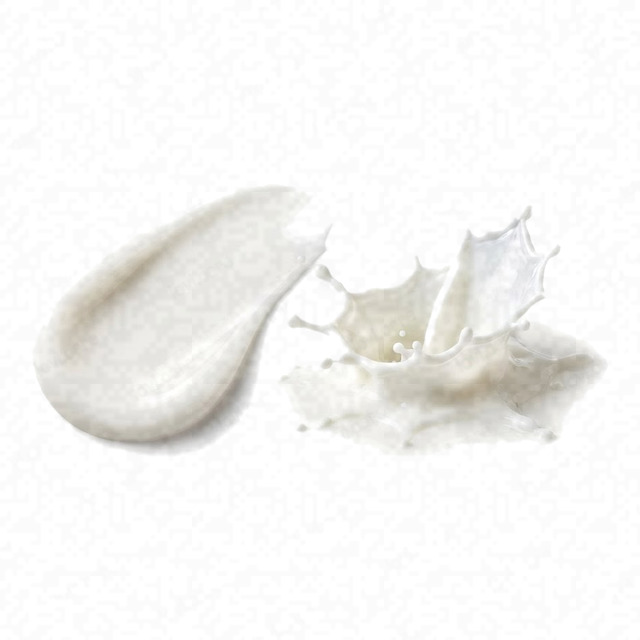 Lactic Acid
 Sodium Hyaluronate
 Glycerin
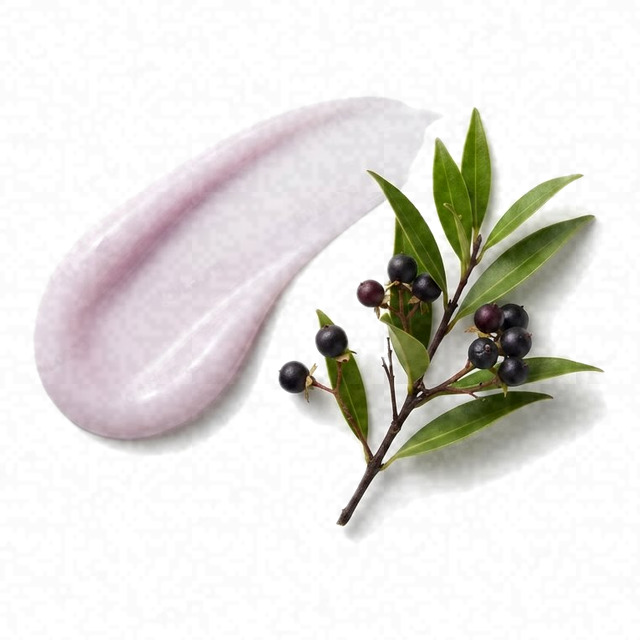 Tasmannia Lanceolata Leaf Extract Fruit
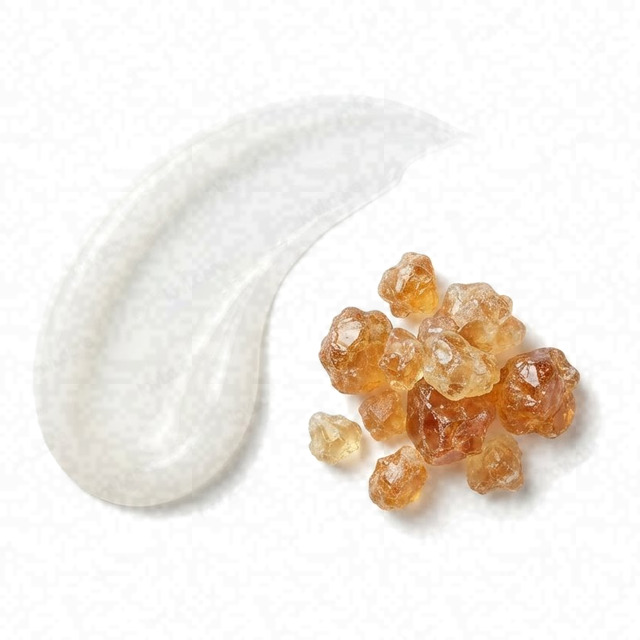 Acacia Senegal Gum
Superior
- SuperiorNormal Skin Fit
- SuperiorEffectiveness
- ExcellentSafety
One of the best products for skin with dark spots.
This fit is calculated for the concerns frequently associated with dark spots: hyperpigmentation, sun spots, and uneven skin tone. For scores and recommendations based on your full skin profile, including your 12D face scan results and any goals or preferences you have, please use the Lovi app.
Page built Nov 8, 2026How the Fit score works
Lovi Assistant explains
- Excellent suitability for your normal skin and pigmentation concerns is provided by lactic acid, which effectively exfoliates and renews the skin, complemented by hyaluronic acid for optimal hydration.
- Tasmannia lanceolata leaf extract further enhances the formula by offering soothing benefits, ensuring a comfortable experience for your skin.
- The product is safe for your skin due to the absence of harsh ingredients and the inclusion of soothing components.
How to apply
- Use your exfoliant PM once a week to start, moving up to twice a week if your skin likes it. Always apply SPF during the day while using this product.
- Apply this exfoliant step right after your cleanser and toner, and before your moisturizer.
- Gently press 2-3 drops of the exfoliant into your skin and let it dry. Avoid rubbing your face hard.
- Apply the product on clean, completely dry skin to make sure it works best for your pigmentation goals.
- Remember to avoid the delicate eye area and do a quick patch test before using it for the first time.
People Say
★4.6Overall rating based on 7.4k+ reviewsBased on a very large amount of data, users with dry, sensitive, or textured skin frequently praise this serum for its ability to gently exfoliate without compromising the moisture barrier. The majority of reviews report a noticeable improvement in skin smoothness and radiance, with many noting it effectively reduces flakiness and mild acne scars over time.
Highlights
Gentle exfoliation Mostly Mentioned
- “perfect for sensitive skin”
- “no irritation occurred”
- “mild yet effective”
- “great beginner acid”
Smoother texture Mostly Mentioned
- “bumps are gone”
- “skin feels soft”
- “glass skin effect”
- “texture improved significantly”
Brightens skin Often Mentioned
- “woke up glowing”
- “skin looks radiant”
- “faded dark spots”
- “evened skin tone”
Hydrating Sometimes Noted
- “didn't dry me out”
- “feels very moisturizing”
- “plumps the skin”
- “good for dry skin”
Unpleasant scent Sometimes Noted
- “smells like cabbage”
- “weird sour smell”
- “scent is off-putting”
- “smells like spoiled milk”
Caused breakouts Rarely Noted
- “caused small bumps”
- “broke me out”
- “experienced bad purging”
- “worsened my acne”
Sticky finish Rarely Noted
- “leaves sticky residue”
- “feels tacky afterwards”
- “takes time to absorb”
- “slightly sticky texture”
Too mild Rarely Noted
- “didn't see results”
- “too weak for me”
- “prefer the 10%”
- “results take time”
Sources: lovi.care, amazon.com, sephora.com, ulta.com, theordinary.com, brandclub.com, and more
Questions and answers
What makes The Ordinary Lactic Acid 5% one of the best fits for skin with dark spots?
This exfoliant is a great fit because lactic acid helps renew the skin to fade dark spots, while hyaluronic acid and glycerin keep it well hydrated. It also includes soothing plant extract to help ensure a comfortable experience.
Which ingredients make this exfoliant a good fit for skin with dark spots?
This exfoliant is a great fit for skin with dark spots because it uses lactic acid to renew the skin and fade uneven tone, while sodium hyaluronate and glycerin keep the skin hydrated and comfortable. Tasmannia lanceolata leaf extract also helps soothe the skin during the process.
Journal of Cosmetic Dermatology, 2021Dermatologic Therapy, 2022
What does Lactic Acid do for skin with dark spots?
Lactic acid helps fade dark spots and even out skin tone. It works by gently removing dead surface skin and helping with pigment concerns.
International Journal of Dermatology, 2020Clinical, Cosmetic and Investigational Dermatology, 2010
What does Hyaluronic Acid do for skin with dark spots?
Hyaluronic acid is unlikely to directly fade dark spots, but it helps keep dry and uneven skin plump and deeply hydrated. To effectively target dark spots, this type of skin needs brightening ingredients like vitamin C or niacinamide alongside your hydrator.
Where does this exfoliant go in a skincare routine for skin with dark spots?
This exfoliant goes in your evening routine as a treatment step, used once a week to start. Lactic acid renews the skin and fades dark spots while hyaluronic acid keeps it hydrated, and soothing ingredients help prevent irritation.
Can I use this exfoliant with retinol, and in what order?
You can use this exfoliant with retinol by alternating nights rather than applying them together to help prevent irritation. Because both ingredients renew the skin, using them on separate evenings keeps your skin calm and comfortable.
How often should I use this exfoliant?
Start using this treatment once a week in your evening routine, and if your skin tolerates it well and you see good results, you may carefully use it more often. This gentle approach helps renew your skin while keeping it comfortable and minimizing irritation.
Journal of Cosmetic Dermatology, 2021Journal of Cosmetic Dermatology, 2024
Can this exfoliant clog pores, cause breakouts or purging for skin with dark spots?
This exfoliant is unlikely to cause breakouts or clog pores for skin with dark spots, as it has a very low complaint rate for causing breakouts and is made without harsh ingredients. Lactic acid gently renews the surface while soothing extracts help keep skin calm and comfortable.
Is this exfoliant fragrance-free and alcohol-free?
Yes, it has no fragrance and no drying alcohol.
What the research says
Topical hyaluronic acid filler serum combined with Botulinum toxin type A lengthened the duration of the toxin's effect in reducing wrinkles compared to Botulinum toxin type A alone.
Dermatologic Therapy, 2022Hyaluronic acid extracts are safe and efficacious products for skin repair when used in tissue regeneration alone or in combination with herbal or Western medicine.
Journal of Pharmacy & Pharmaceutical Sciences, 2015Optimized transfersomes loaded with epigallocatechin-3-gallate and hyaluronic acid increased cell viability while reducing lipid peroxidation, intracellular ROS, and MMP expression in HaCaT cells, and exhibited higher skin permeation and deposition compared to plain EGCG.
Drug Delivery, 2017Topical Tasmannia lanceolata extract reduced skin roughness, increased firmness, dermal density, and thickness of stabilized stretch marks compared to placebo in 29 women over 8 weeks, alongside increased pro-collagen I, elastin, and TGF-beta concentrations in ex vivo human skin explants.
Journal of Cosmetic Dermatology, 2021Application of a cream containing lactic acid 12% and pramoxine HCl 1% significantly improved skin dryness, hydration, and itch compared with a nontreated control in 24 women with a history of dry itchy skin.
Cutis, 2004Topical 12% ammonium lactate produced a significant sparing of epidermal and dermal atrophy induced by clobetasol propionate in human volunteers, without influencing the corticosteroid's bioavailability or antiinflammatory properties.
Journal of the American Academy of Dermatology, 1992A lactic acid/ceramide lotion significantly improved skin moisturization and desquamation compared to no treatment in women with dry, rough skin on the anterior shins.
The Journal of Clinical and Aesthetic Dermatology, 2020Topical application of 0.1% hyaluronic acid formulations of different molecular weights led to significant improvements in skin hydration and elasticity, with low-molecular-weight formulations also significantly reducing wrinkle depth in seventy-six female subjects compared to a vehicle control.
Journal of Drugs in Dermatology, 2011Topical application of hyaluronic acid in conjunction with free gingival graft significantly reduced donor site postoperative pain until day 7 compared to normal saline, with no significant differences in graft dimensions or patient satisfaction.
Clinical Oral Investigations, 2022Treatment with a hyaluronic acid-containing mouth rinse or topical gel led to significant lesion reduction, pain relief, and normalization of lesion color in adult patients with minor recurrent aphthous stomatitis, with the gel formulation showing an earlier healing onset at 3 days.
BMC Oral Health, 2019A single application of a moisturizing fluid containing hyaluronic acid 1%, glycerin 5%, and Centella asiatica stem cells extract significantly increased skin hydration by 29% and reduced transepidermal water loss at 24 hours compared to baseline and an untreated control site in twenty healthy women.
Clinical, Cosmetic and Investigational Dermatology, 2017The emollient V0034CR significantly reduced TEWL compared to vehicle and vehicle plus glycerol, and significantly increased corneometry scores compared to vehicle and vehicle plus petrolatum in healthy volunteers with dry skin, demonstrating combined barrier function improvement from petrolatum and hydration improvement from glycerol.
Journal of Cosmetic Dermatology, 2020Ten days of treatment with a cream containing 20% glycerin significantly increased skin hydration measured by corneometer values in 17 healthy volunteers compared to a placebo cream, but showed no influence on transepidermal water loss or skin sensitivity to an irritating surfactant.
International Journal of Cosmetic Science, 2001Acacia gum and carbopol hydrogel wound dressings containing gentamicin showed faster wound healing, well-developed fibroblasts, and blood capillaries compared to open wounds in swiss albino mice.
International Journal of Pharmaceutics, 2013Barley beta-glucan films formulated with sorbitol and acacia gum demonstrated suitable mechanical properties and stimulated in vitro keratinocytes growth.
International Journal of Pharmaceutics, 2023Gum arabic and beta-cyclodextrin microencapsulated peony seed oil emulsion protected against ultraviolet radiation by inhibiting reactive oxygen species generation, increasing cell viability from 54.75% to 92.69% in UVB-damaged HaCaT cells, and repairing 95.56% of UVB-damaged skin within 7 days in animal experiments through regulation of the NF-kappaB signaling pathway.
International Journal of Biological Macromolecules, 2026
Ingredients
Water, Lactic Acid, Glycerin, Pentylene Glycol, Propanediol, Sodium Hyaluronate Crosspolymer, Tasmannia Lanceolata Leaf Extract Fruit, Acacia Senegal Gum, Xanthan Gum, Isoceteth-20, Trisodium Ethylenediamine Disuccinate, Sodium Hydroxide, Ethylhexylglycerin, 1,2-Hexanediol, Caprylyl Glycol
Behind this fit score
Lovi calculates every fit score from the full ingredient list with brand-independent rules our dermatologists and cosmetic chemists build and review, and personalizes every pick with AI trained on the real results of millions of users. Lovi trains its fit score models on a proprietary dataset built from more than 10,000 expert-labeled products and more than 100,000 simulated examples, following an internally consistent methodology presented at Cosmoprof, AMWC, and Skin of Color Update.
-

Co-founder, Medical Director
Cosmetic chemist, cosmetologist, aesthetic products developer
-

Co-founder, CEO and CTO
PhD in computer science, 3x US patent holder, ex-Google, ex-Yandex
-

Dr. Sofía Perea Pérez, MD, MSc
Medical Board
Aesthetic medicine practitioner, MSc in Longevity and Anti-Aging Medicine
-

Medical Board
Specialist dermatologist, MBBS, MD, IFAAD
-

Medical Board
Cosmetic chemist, SCS, IFSCC member
-

Medical Board, Medical Advisor
Dermatology MD
-

Elina Nazarenko, MD
Medical Board
Dermatology and diagnostic consultant
-

Victoria Derkova, MS
Medical Board
Cosmetic chemist, cosmetic development technologist


How does it fit your skin?
Scan your face, then any product: Lovi shows how well it fits you and what fits even better.