The Ordinary Glycolic Acid 7% Toning Solution for oily skin

 Glycolic Acid
 Aloe Barbadensis Leaf Water
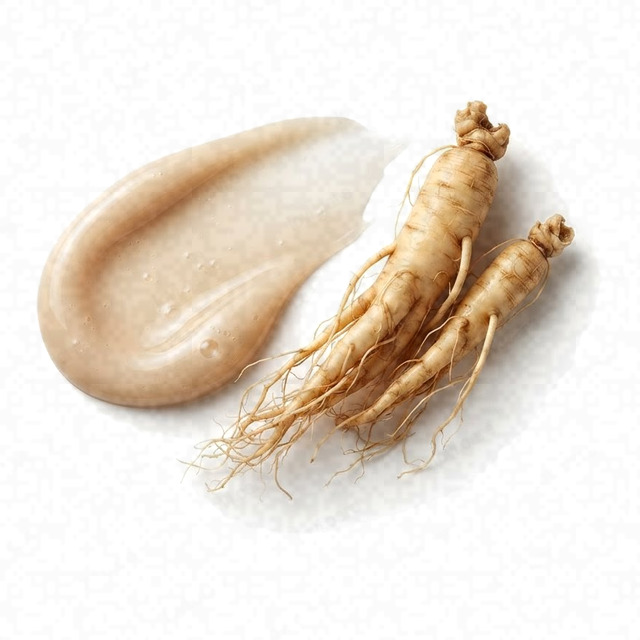 Panax Ginseng Root Extract
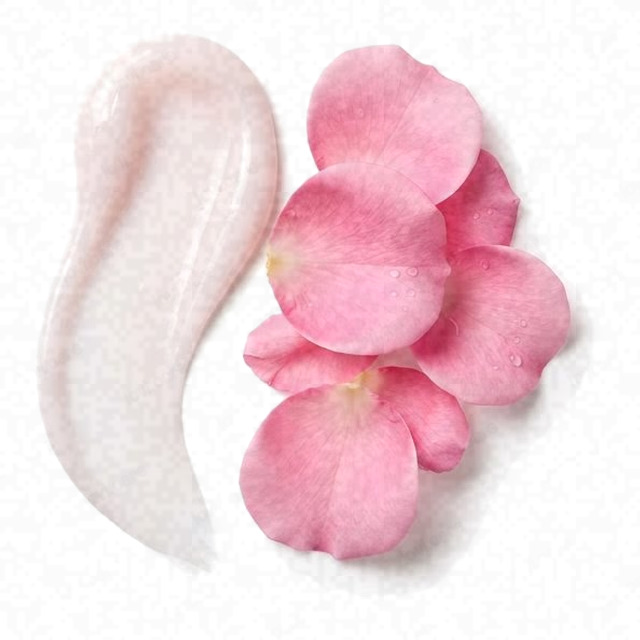 Rosa Damascena Flower Water
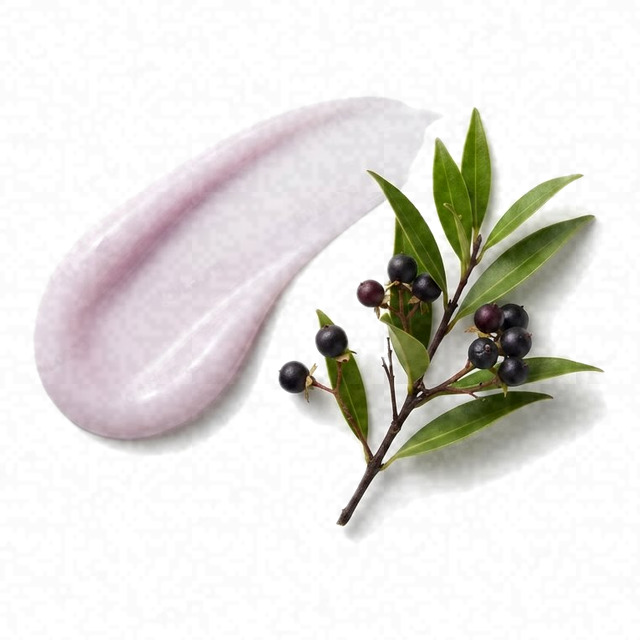 Tasmannia Lanceolata Leaf Extract Fruit
High
- HighOily Skin Fit
- HighEffectiveness
- HighSafety
A great choice for oily skin; a few toners fit it even better.
This fit is calculated for the concerns frequently associated with oily skin: shine, enlarged pores, blackheads, and blemishes. For scores and recommendations based on your full skin profile, including your 12D face scan results and any goals or preferences you have, please use the Lovi app.
Page built Nov 8, 2026How the Fit score works
Lovi Assistant explains
- Highly suitable for your oily skin as glycolic acid provides effective exfoliation to manage oiliness and smooth texture, while glycerin offers essential hydration.
- Panax ginseng root extract and Tasmannia lanceolata leaf extract further support skin health by providing antioxidant and soothing benefits.
- The formula is safe for your skin, with no harsh ingredients or irritants present.
How to apply
- Use this exfoliating toner once a week at first, then increase frequency only if your skin feels fine.
- Apply the exfoliating toner after cleansing and before your moisturizer or SPF.
- Gently press a few drops of the exfoliating toner into your skin and let it dry.
- Apply the exfoliating toner on clean and dry skin for the best results.
- Avoid the eye area and always use sunscreen during the day.
People Say
★4.5Overall rating based on 15.0k+ reviewsThis product is widely praised as a "holy grail" multi-purpose exfoliant that delivers smoother, brighter skin and effectively treats texture issues like keratosis pilaris and dandruff. While the vast majority of users love its affordability and versatility for both face and body, it is potent; a significant minority experience stinging, irritation, or a damaged skin barrier if used too frequently or on sensitive skin. This summary is based on a very large amount of data and should definitely be taken into account.
Highlights
Improves texture & glow Mostly Mentioned
- “glass skin effect”
- “bumps gone overnight”
- “instant glow”
- “baby soft face”
Unbeatable value Mostly Mentioned
- “lasts forever”
- “huge bottle for price”
- “best budget toner”
- “bang for buck”
Versatile body application Mostly Mentioned
- “eliminated armpit odor”
- “cleared my dandruff”
- “smoothed strawberry legs”
- “softened cracked heels”
Fades acne & marks Often Mentioned
- “faded dark spots”
- “dried up pimples”
- “reduced hormonal acne”
- “cleared blackheads”
Irritation and stinging Sometimes Noted
- “burns upon application”
- “face turned red”
- “stung badly”
- “itchy sensation”
Unpleasant finish Sometimes Noted
- “sticky residue”
- “feels tacky”
- “greasy film”
- “takes long to dry”
Caused breakouts Rarely Noted
- “gave me cystic acne”
- “tiny bumps appeared”
- “broke me out”
- “worsened my texture”
Too harsh/damaging Rarely Noted
- “ruined moisture barrier”
- “caused chemical burn”
- “dried out skin”
- “skin started peeling”
Sources: lovi.care, sephora.com, ulta.com, theordinary.com, influenster.com, amazon.com, and more
Questions and answers
What makes The Ordinary Glycolic Acid Toning Solution a great fit for oily skin?
This toner is a great fit because glycolic acid provides effective exfoliation to manage oiliness and smooth texture, while glycerin offers essential hydration. Panax ginseng root extract and tasmannia lanceolata leaf extract further support skin health by providing soothing benefits and antioxidants. The formula is also safe for your skin, with no harsh ingredients or irritants present.
Which ingredients make this toner a good fit for oily skin?
Glycolic acid and glycerin make this toner a great fit for your oily skin because they help manage oiliness, smooth texture, and provide essential hydration. Panax ginseng root extract and tasmannia lanceolata leaf extract also support skin health by offering soothing and antioxidant benefits.
Journal of Cosmetic Dermatology, 2021Clinical, Cosmetic and Investigational Dermatology, 2017
What does Glycolic Acid do for oily skin?
Glycolic acid helps clear away dead skin and excess oil for a smooth, clean feel. It gently removes buildup from the surface, which keeps pores clear and skin looking fresh.
Molecules, 2023Journal of the European Academy of Dermatology and Venereology, 2011
What does Aloe Vera Leaf Water do for oily skin?
Aloe vera leaf water helps calm oily skin and keeps it feeling fresh without making it greasy. It also helps reduce redness and manages breakouts while supporting clear, smooth skin.
Clinical Pharmacology, 2018Journal de Mycologie Medicale, 2026
Where does this toner go in a skincare routine for oily skin?
This exfoliating toner is used in the evening as a treatment step after cleansing, starting once a week and slowly using it more often if your skin tolerates it well.
Can I use this toner with retinol, and in what order?
It is best to use this toner on different nights than your retinol, as combining potent exfoliating acids and retinoids can easily lead to dry or irritated skin. On the nights you do use it, apply the toner to clean skin before your moisturizer, and save your retinol for another evening.
How often should I use this toner?
Start using this toner once a week in your evening routine, and if your skin handles it well and you see good results, you can carefully use it more often. This gentle approach helps manage oiliness and smooth texture while reducing the likelihood of irritation.
Journal of Cosmetic Dermatology, 2021Journal of Cosmetic Dermatology, 2024
Can this toner clog pores, cause breakouts or purging for oily skin?
This toner is unlikely to clog pores or cause breakouts for oily skin, as it is a great fit with a safe formula that manages oiliness and smooths texture. However, because it actively exfoliates, it may occasionally cause mild stinging or initial purging as your skin adjusts.
Is this toner fragrance-free and alcohol-free?
Yes, it has no fragrance and no drying alcohol.
What the research says
A single application of a moisturizing fluid containing hyaluronic acid 1%, glycerin 5%, and Centella asiatica stem cells extract significantly increased skin hydration by 29% and reduced transepidermal water loss at 24 hours compared to baseline and an untreated control site in twenty healthy women.
Clinical, Cosmetic and Investigational Dermatology, 2017Topical Tasmannia lanceolata extract reduced skin roughness, increased firmness, dermal density, and thickness of stabilized stretch marks compared to placebo in 29 women over 8 weeks, alongside increased pro-collagen I, elastin, and TGF-beta concentrations in ex vivo human skin explants.
Journal of Cosmetic Dermatology, 2021Panax ginseng root extract induced Type I procollagen synthesis and COL1A2 promoter activity through Smad2 phosphorylation in human dermal fibroblast cells.
Journal of Ethnopharmacology, 2007A mixture of Panax ginseng and Crataegus pinnatifida prevented skin aging by improving procollagen type I expression, diminishing matrix metalloproteinase-1 secretion, reducing skin roughness and photodamage scores, and decreasing loss of skin moisture in human dermal fibroblasts and healthy human skin.
Journal of Ginseng Research, 2017Repeated short-contact 70% glycolic acid peels provided superior results in atrophic acne scars compared to daily low-strength glycolic acid cream or placebo in 58 women over 24 weeks.
International Journal of Dermatology, 2000Serial glycolic acid peels combined with a modified Kligman formula significantly reduced facial PIH severity in Indian patients compared to the modified Kligman formula alone.
Dermatologic Surgery, 2017A cream combining propolis, tea tree oil, and Aloe vera reduced erythema scars, acne severity index, and total lesion count better than erythromycin cream in sixty patients with mild to moderate acne vulgaris compared to placebo.
Clinical Pharmacology, 2018Topical aloe vera gel significantly accelerated split-thickness skin graft donor-site healing compared to placebo in 12 patients, but showed no significant difference in pain relief.
Plastic and Reconstructive Surgery, 2018Topical application of Aloe vera cream reduced postoperative pain at rest and during defecation, accelerated wound healing at two weeks, and decreased analgesic requirements in patients after open hemorrhoidectomy compared to placebo.
Journal of Alternative and Complementary Medicine, 2010Enzyme-modified ginseng extract cream significantly reduced the global photo-damage score and various roughness measures including total roughness, smoothness depth, and arithmetic roughness average compared to placebo in 23 human subjects.
Rejuvenation Research, 2015A red ginseng hydrogel formulation with 1,2-hexanediol promoted selective growth of Staphylococcus epidermidis and decreased Cutibacterium acnes in 20 female subjects.
Journal of Ginseng Research, 2022A 1% fermented black ginseng cream significantly reduced eye wrinkles and brightened skin color in twenty-three human subjects compared to control cream and baseline.
Journal of Toxicology and Environmental Health. Part A, 2020Treatment with a rose extract activated newly identified skin olfactory receptors and prevented epinephrine-induced skin stress responses in epidermal keratinocytes and human skin explants, while clinically decreasing the appearance of under-eye dark circles in stressed women.
Molecules, 2020Rose petal extract improves stratum corneum moisture levels in humans by upregulating HAS2 expression via the GLK-MAP2K-MAPK signaling pathway.
BioFactors, 2023Rosa gallica petal extract (RPE) exerts skin whitening by attenuating tyrosinase activity and melanin accumulation and exhibits anti-wrinkle activity by suppressing MMP-1 levels in human cells.
Journal of Medicinal Food, 2020
Ingredients
Water, Glycolic Acid, Rosa Damascena Flower Water, Centaurea Cyanus Flower Water, Aloe Barbadensis Leaf Water, Propanediol, Glycerin, Triethanolamine, Aminomethyl Propanol, Panax Ginseng Root Extract, Tasmannia Lanceolata Leaf Extract Fruit, Aspartic Acid, Alanine, Glycine, Serine, Valine, Isoleucine, Proline, Threonine, Histidine, Phenylalanine, Glutamic Acid, Arginine, Pca, Sodium Pca, Sodium Lactate, Fructose, Glucose, Sucrose, Urea, Hexyl Nicotinate, Dextrin, Citric Acid, Polysorbate 20, Gellan Gum, Trisodium Ethylenediamine Disuccinate, Sodium Chloride, Hexylene Glycol, Potassium Sorbate, Sodium Benzoate, 1,2-Hexanediol, Caprylyl Glycol
Behind this fit score
Lovi calculates every fit score from the full ingredient list with brand-independent rules our dermatologists and cosmetic chemists build and review, and personalizes every pick with AI trained on the real results of millions of users. Lovi trains its fit score models on a proprietary dataset built from more than 10,000 expert-labeled products and more than 100,000 simulated examples, following an internally consistent methodology presented at Cosmoprof, AMWC, and Skin of Color Update.
-

Co-founder, Medical Director
Cosmetic chemist, cosmetologist, aesthetic products developer
-

Co-founder, CEO and CTO
PhD in computer science, 3x US patent holder, ex-Google, ex-Yandex
-

Dr. Sofía Perea Pérez, MD, MSc
Medical Board
Aesthetic medicine practitioner, MSc in Longevity and Anti-Aging Medicine
-

Medical Board
Specialist dermatologist, MBBS, MD, IFAAD
-

Medical Board
Cosmetic chemist, SCS, IFSCC member
-

Medical Board, Medical Advisor
Dermatology MD
-

Elina Nazarenko, MD
Medical Board
Dermatology and diagnostic consultant
-

Victoria Derkova, MS
Medical Board
Cosmetic chemist, cosmetic development technologist


How does it fit your skin?
Scan your face, then any product: Lovi shows how well it fits you and what fits even better.