The Ordinary Retinal 0.2% Emulsion for oily acne-prone skin

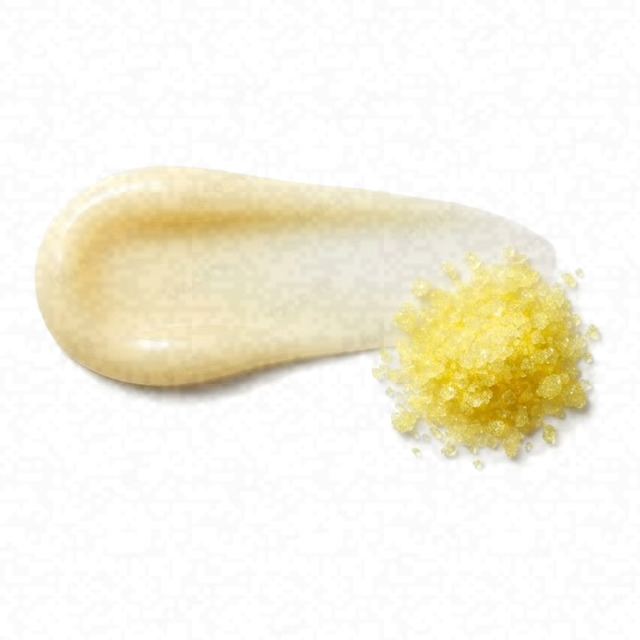 Retinaldehyde
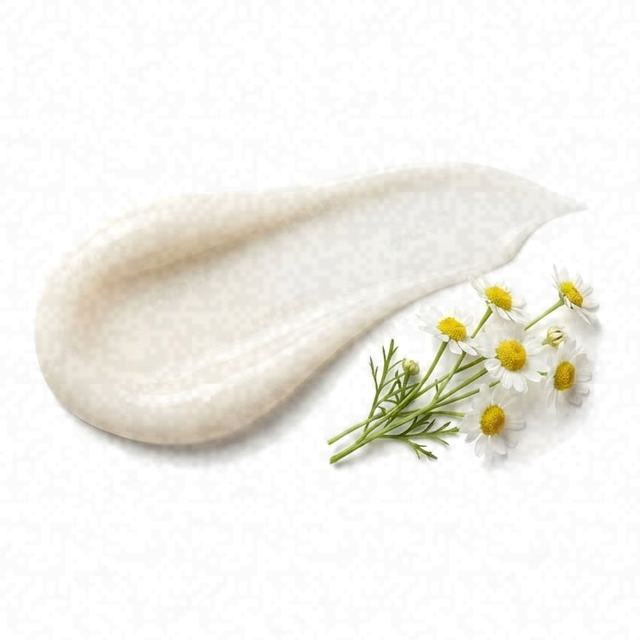 Bisabolol
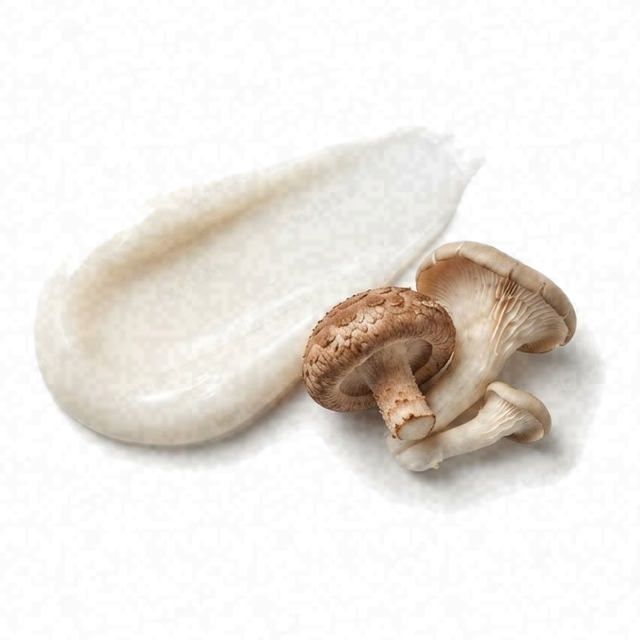 Ergothioneine
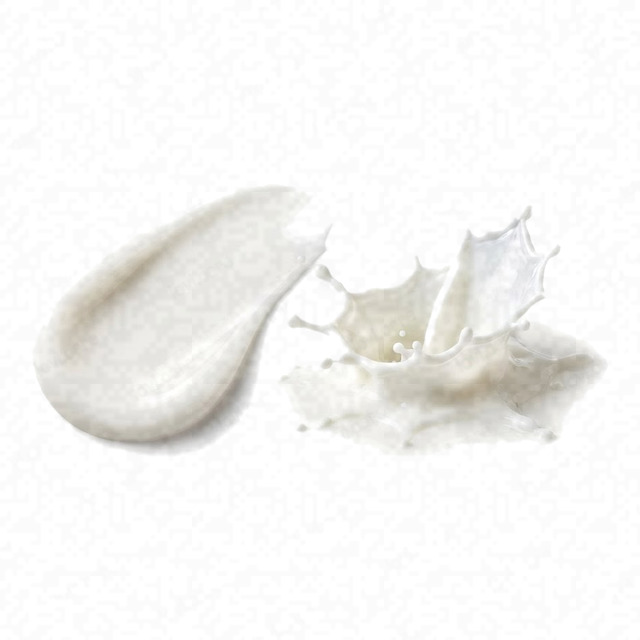 Lactic Acid
 Hydroxyapatite
High
- AverageOily Skin Fit
- AverageEffectiveness
- HighSafety
A great choice for oily acne-prone skin; a few serums fit it even better.
This fit is calculated for the concerns frequently associated with oily acne-prone skin: shine, breakouts, blemishes, and enlarged pores. For scores and recommendations based on your full skin profile, including your 12D face scan results and any goals or preferences you have, please use the Lovi app.
Page built Nov 8, 2026How the Fit score works
Lovi Assistant explains
- Offers moderate benefits for acne and blemishes on your oily skin, as retinal promotes cell turnover and reduces inflammation, while bisabolol provides anti-inflammatory action.
- The formula includes tocopherol for antioxidant support, contributing to overall skin health.
- The product is safe for your oily skin, with no risks of irritation due to the absence of harsh ingredients and the presence of soothing components.
How to apply
- Could be used as part of your PM routine. Start 3 times a week and build up to daily use if your skin tolerates it well.
- Apply your serum after cleansing and toning, but before putting on your moisturizer.
- Gently press 2 to 3 drops of the serum into your skin and let it absorb for a minute.
- Apply the serum on clean, dry skin to help manage your blemishes safely.
- Do a patch test before your first use and avoid the delicate eye area.
People Say
★4.3Overall rating based on 2.4k+ reviewsBased on a very large amount of data, this high-strength retinoid is favored by experienced users for its rapid ability to smooth uneven texture and fade dark spots, particularly acne scars and hyperpigmentation. While highly effective for firming skin and reducing fine lines, it frequently causes dryness or irritation in beginners and leaves a temporary yellow tint on the skin.
Highlights
Improves skin texture Often Mentioned
- “skin feels smoother to the touch”
- “sloughed away dead skin cells”
- “refines overall texture”
- “softening the wrinkles”
Yellow staining Often Mentioned
- “stains pillowcases yellow”
- “leaves yellow tint on face”
- “bright neon yellow color”
- “transfers to light fabrics”
Fades dark spots Sometimes Noted
- “fading pesky acne scars”
- “complexion is far more unified”
- “noticeably reducing dark spots”
- “sped up fading process”
Fast absorption Sometimes Noted
- “sinks into skin instantly”
- “lightweight formula absorbs quickly”
- “doesn't sit on skin”
- “silky consistency”
Good value Sometimes Noted
- “affordable price tag”
- “cheaper than competitors”
- “great results for the price”
- “reasonable for a retinal”
Irritation and dryness Sometimes Noted
- “caused burning and stinging”
- “experienced peeling on jawline”
- “too intense for sensitive skin”
- “dried out my skin barrier”
Packaging issues Rarely Noted
- “pump stopped working”
- “hard to dispense product”
- “pump mechanism is faulty”
- “struggled to get product out”
Small product size Rarely Noted
- “bottle is very tiny (15ml)”
- “finished it very quickly”
- “expensive for the amount”
- “wish it came in bigger size”
Sources: lovi.care, theordinary.com, sephora.co.uk, ulta.com, spacenk.com, cultbeauty.com, and more
Questions and answers
What makes The Ordinary Retinal 0.2% Emulsion a great fit for oily acne-prone skin?
This product is a great fit because retinal promotes cell turnover and reduces blemishes while bisabolol provides calming anti-inflammatory action on oily skin. It also includes tocopherol for antioxidant support to keep your skin healthy without irritation.
Which ingredients make this emulsion a good fit for oily acne-prone skin?
Retinal and bisabolol make this emulsion a great fit for your oily acne-prone skin because retinal helps speed up cell renewal and calm blemishes, while bisabolol provides extra soothing action. Tocopherol also supports overall skin health with antioxidant benefits.
What does Retinal do for oily acne-prone skin?
Retinal helps clear clogged pores, reduces bumps and pimples, and helps balance oil production for oily, acne-prone skin. It is generally well tolerated when used regularly as part of an acne skincare routine.
Clinical and Experimental Dermatology, 1999European Review for Medical and Pharmacological Sciences, 2014
What does Bisabolol do for oily acne-prone skin?
Bisabolol helps calm redness and irritation on oily, acne-prone skin, and may help with dark spots left behind by breakouts. To care for this skin type, products also need ingredients that clear pores and control oil.
Where does it go in a skincare routine for oily acne-prone skin?
Apply this treatment in the evening as part of your routine. It helps clear acne and blemishes on oily skin by speeding up cell renewal and calming inflammation, with a safe formula that is unlikely to cause irritation.
Can I use this emulsion with niacinamide, and in what order?
Yes, you can use this emulsion with niacinamide by applying niacinamide first in your routine and following it with the treatment. This approach helps keep your oily acne-prone skin clear while minimizing the likelihood of irritation.
How often should I use it?
Use this treatment in your evening routine, starting just once a week to let your skin adjust. If your skin feels comfortable and you see good results, you may carefully use it more often.
Journal of Cosmetic Dermatology, 2024Facial Plastic Surgery, 2014
Can this emulsion clog pores, cause breakouts or purging for oily acne-prone skin?
This emulsion is a great fit for oily acne-prone skin because retinal helps clear pores with cell turnover while bisabolol calms redness. It is unlikely to cause irritation or heavy breakouts due to its soothing ingredients.
Is it fragrance-free and alcohol-free?
Yes, it has no fragrance and no drying alcohol.
What the research says
A topical serum containing vitamin C, vitamin E, and raspberry leaf cell culture extract improved skin color, elasticity, radiance, smoothness, scaliness, and wrinkles compared to the untreated contralateral side in fifty female volunteers.
Journal of Cosmetic Dermatology, 2020Twice daily application of retinaldehyde 0.1% and 0.05% creams for 3 months improved skin texture and hydration and reduced transepidermal water loss in 40 female Korean volunteers, with only the 0.1% cream significantly improving the melanin index.
Journal of Cosmetic Dermatology, 2018Topical retinaldehyde demonstrated significant antibacterial activity against gram-positive bacteria both in vitro and in vivo, leading to decreased bacterial counts without inducing resistance.
Dermatology, 2002Topical 0.05% retinaldehyde applied over 1 year significantly increased epidermal thickness of the temple and cutaneous elasticity compared to an emollient control group in 40 aging skin patients.
Dermatology, 1999Application of an alpha-bisabolol-containing cream produced a significant skin-lightening effect in pigmented skin compared to a vehicle control in the majority of female subjects after 8 weeks.
International Journal of Cosmetic Science, 2010The combination of allantoin, bisabolol, D-panthenol and dipotassium glycyrrhizinate reduces UVB-induced PGE2, inflammatory cytokines, and mitochondrial superoxide in human epidermal keratinocytes.
International Journal of Cosmetic Science, 2024A targeted skincare regimen containing active ingredients such as rhodophyceae extract, ergothioneine, and L-carnosine significantly reduced transepidermal water loss by 24.09%, improved skin elasticity, and decreased redness, dryness, and desquamation in thirty-five female Chinese participants over 4 weeks following advanced optimal pulse technology treatment.
International Journal of Cosmetic Science, 2025A triple combination of ergothioneine, collagen peptides, and sodium hyaluronate attenuated UV-induced skin damage ex vivo and improved facial skin hydration, elasticity, barrier function, and wrinkles in Chinese women.
Frontiers in Nutrition, 2026Ergothioneine at nanomolar concentrations ameliorated UVA-induced skin damage, reactive oxygen species, and apoptosis in human keratinocyte-derived HaCaT cells by upregulating Nrf2/ARE-mediated antioxidant genes.
Free Radical Biology & Medicine, 2015Application of a cream containing lactic acid 12% and pramoxine HCl 1% significantly improved skin dryness, hydration, and itch compared with a nontreated control in 24 women with a history of dry itchy skin.
Cutis, 2004Topical 12% ammonium lactate produced a significant sparing of epidermal and dermal atrophy induced by clobetasol propionate in human volunteers, without influencing the corticosteroid's bioavailability or antiinflammatory properties.
Journal of the American Academy of Dermatology, 1992A lactic acid/ceramide lotion significantly improved skin moisturization and desquamation compared to no treatment in women with dry, rough skin on the anterior shins.
The Journal of Clinical and Aesthetic Dermatology, 2020The combination of botulinum toxin and calcium hydroxylapatite applied together produced higher and earlier satisfaction rates and improved hydration in the lower face and neck region compared to calcium hydroxylapatite alone in 15 participants.
Clinical, Cosmetic and Investigational Dermatology, 2023Topically applied calcium hydroxylapatite successfully penetrated fractional laser-induced skin defects and remained in the healing skin for at least six weeks, inducing collagen production around the microspheres in a human volunteer.
Lasers in Surgery and Medicine, 2025Calcium ions from nanophased hydroxyapatite embedded in collagen nanofibers significantly enhanced human dermal fibroblasts, keratinocytes, and hMSCs growth and proliferation, prevented pathogenic bacteria adhesion, enabled hMSCs differentiation, and caused no adverse reaction in rat subcutaneous implantation.
Nanomedicine, 2021
Ingredients
Water, Coco-Caprylate Caprate, Propanediol, Pentylene Glycol, Hydroxyapatite, Retinal, Cetylhydroxyproline Palmitamide, 4-T-Butylcyclohexanol, Hydroxyphenyl Propamidobenzoic Acid, Ergothioneine, Biosaccharide Gum-1, Bisabolol, Brassica Campestris Sterols, Zingiber Officinale Root Extract, Butylene Glycol, Isohexadecane, Hexyldecanol, Maltodextrin, Caesalpinia Spinosa Gum, Polyacrylate Crosspolymer-6, Hydroxyethyl Acrylate Sodium Acryloyldimethyl Taurate Copolymer, Stearic Acid, Isoceteth-20, Polysorbate 60, Ascorbyl Palmitate, Tocopherol, Lactic Acid, Sodium Lactate, Sodium Hydroxide, Ethylhexylglycerin, Phenoxyethanol, Chlorphenesin
Behind this fit score
Lovi calculates every fit score from the full ingredient list with brand-independent rules our dermatologists and cosmetic chemists build and review, and personalizes every pick with AI trained on the real results of millions of users. Lovi trains its fit score models on a proprietary dataset built from more than 10,000 expert-labeled products and more than 100,000 simulated examples, following an internally consistent methodology presented at Cosmoprof, AMWC, and Skin of Color Update.
-

Co-founder, Medical Director
Cosmetic chemist, cosmetologist, aesthetic products developer
-

Co-founder, CEO and CTO
PhD in computer science, 3x US patent holder, ex-Google, ex-Yandex
-

Dr. Sofía Perea Pérez, MD, MSc
Medical Board
Aesthetic medicine practitioner, MSc in Longevity and Anti-Aging Medicine
-

Medical Board
Specialist dermatologist, MBBS, MD, IFAAD
-

Medical Board
Cosmetic chemist, SCS, IFSCC member
-

Medical Board, Medical Advisor
Dermatology MD
-

Elina Nazarenko, MD
Medical Board
Dermatology and diagnostic consultant
-

Victoria Derkova, MS
Medical Board
Cosmetic chemist, cosmetic development technologist


How does it fit your skin?
Scan your face, then any product: Lovi shows how well it fits you and what fits even better.