The Ordinary Mandelic Acid 10% + HA for acne-prone skin

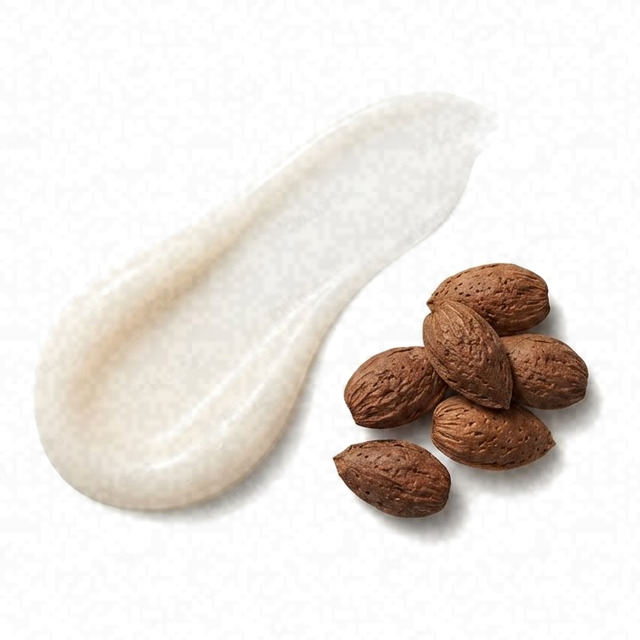 Mandelic Acid
 Sodium Hyaluronate
 Glycerin
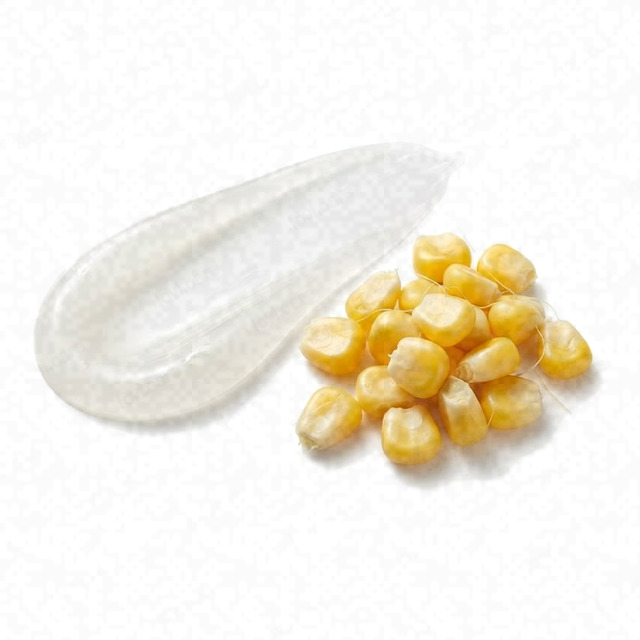 Propanediol
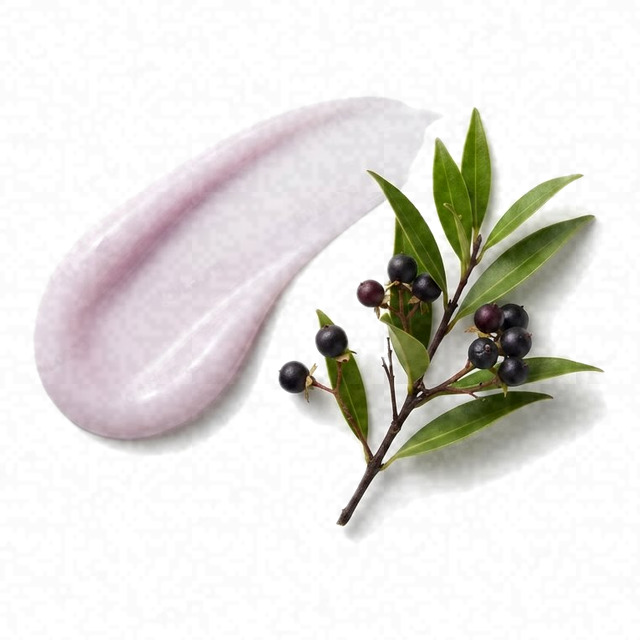 Tasmannia Lanceolata Leaf Extract Fruit
Superior
- SuperiorCombination Skin Fit
- SuperiorEffectiveness
- ExcellentSafety
One of the best products for acne-prone skin.
This fit is calculated for the concerns frequently associated with acne-prone skin: breakouts, blackheads, and post-acne marks. For scores and recommendations based on your full skin profile, including your 12D face scan results and any goals or preferences you have, please use the Lovi app.
Page built Nov 8, 2026How the Fit score works
Lovi Assistant explains
- Excellent suitability for your combination skin as the high concentration of mandelic acid effectively exfoliates and decongests pores, addressing your acne, blemishes, and breakouts, while glycerin provides essential hydration to balance drier areas.
- Tasmannia lanceolata leaf extract further enhances the formula by soothing your skin, ensuring a comfortable experience.
- The product is safe for your acne-prone skin, containing no harsh ingredients and including beneficial soothing components.
How to apply
- Use this exfoliant PM once a week to start, and gradually increase if your combination skin tolerates it well. Always apply SPF the next morning to protect your clear skin.
- Apply the exfoliant after cleansing and toning, but right before your moisturizer step. This ensures the treatment targets blemishes effectively.
- Gently press 2-3 drops of the exfoliant into your skin without rubbing. Let it absorb for a minute before moving to the next step.
- Apply the exfoliant on clean, dry skin to help control breakouts safely. Since your skin is not sensitive, this dry application method ensures good product absorption.
- Avoid the sensitive eye area and do a patch test before your first use. Do not mix this exfoliant with other strong acids in the same routine.
People Say
★4.6Overall rating based on 1.5k+ reviewsThis serum is widely praised as an excellent entry-level exfoliant, particularly for those with sensitive or acne-prone skin who find other acids too harsh. Users consistently report a slow but steady improvement in skin texture and clarity, with a significant reduction in closed comedones and hormonal breakouts, though the oily consistency is a polarizing feature. Based on a very large amount of data, this should definitely be taken into account.
Highlights
Gentle exfoliant Mostly Mentioned
- “never had any reaction to it with my sensitive skin”
- “gentle enough for sensitive skin yet noticeably improves texture”
- “no stinging or burning sensation”
- “best non-irritating AHA for sensitive skin”
Improves acne Often Mentioned
- “completely clears closed comedones and acne”
- “skin is much softer and even”
- “less texture in the morning”
- “pimples and acne dry out quickly”
Oily residue Often Mentioned
- “sits on top of the skin and does not absorb”
- “feels oily for hours after applying”
- “ends up on my pillowcase”
- “texture is a bit too greasy for my liking”
Fades dark spots Sometimes Noted
- “dark scars are clearer within 2 weeks”
- “helped fade acne scars very well”
- “pigmentation memudar (faded)”
- “evened out my skin tone”
Hydrating effect Sometimes Noted
- “leaves my skin radiant and clear”
- “feels moisturizing, not stripping”
- “gives a nice glow to the skin”
- “didn't make my skin feel dry or tight”
Slow results Sometimes Noted
- “not a miracle worker overnight”
- “takes time to work”
- “results are slow and steady”
- “need to be consistent for weeks”
Initial purging Rarely Noted
- “woke up with a cluster of small bumps”
- “caused a bit of purging at first”
- “broke me out initially”
Unpleasant scent Rarely Noted
- “has a slight chemical smell”
- “smells a bit like vinegar”
- “scent is not the best”
Sources: lovi.care, theordinary.com, sephora.com, influenster.com, amazon.com, target.com, and more
Questions and answers
What makes The Ordinary Mandelic Acid one of the best fits for acne-prone skin?
This exfoliant treatment is one of the best fits for acne-prone skin because mandelic acid deeply clears out pores to help tackle blemishes and breakouts, while glycerin adds essential moisture. At the same time, tasmannia lanceolata leaf extract helps calm the skin for a comfortable feel without harsh ingredients.
Journal of Cosmetic Dermatology, 2020Clinical, Cosmetic and Investigational Dermatology, 2017
Which ingredients make this exfoliant a good fit for acne-prone skin?
Mandelic acid is a strong fit for your acne-prone skin because it exfoliates and clears out clogged pores, while glycerin and sodium hyaluronate add essential moisture to keep dry spots balanced. Tasmannia lanceolata leaf extract also helps calm the skin and keeps the experience comfortable.
Journal of Cosmetic Dermatology, 2020Clinical, Cosmetic and Investigational Dermatology, 2017
What does Mandelic Acid do for acne-prone skin?
Mandelic acid helps clear acne and smooth the skin by gently exfoliating and calming breakouts with fewer side effects than many other acids. It is unlikely to cause heavy irritation, and combining it with other treatments may improve stubborn acne and dark spots even further.
What does Hyaluronic Acid do for acne-prone skin?
Hyaluronic acid helps acne-prone skin by soothing irritation, calming redness, and keeping the skin balanced without clogging pores. When combined with targeted ingredients like zinc oxide, it may also help reduce breakouts.
Where does this exfoliant go in a skincare routine for acne-prone skin?
This exfoliant goes in your evening routine after cleansing and before moisturizing. Start using it just once a week, and if your skin handles it well, you may carefully use it more often.
Can I use this exfoliant with retinol, and in what order?
You can use this exfoliant with retinol, but it is best to apply them on different nights to keep your skin calm and avoid irritation. Using them together may overwhelm your skin barrier, so alternate them in your evening routine.
How often should I use this exfoliant?
Start by using this exfoliant treatment once a week in the evening, and if your skin tolerates it well and shows good results, you may carefully use it more often. This gentle approach helps clear breakouts while keeping your skin calm and comfortable.
Can this exfoliant clog pores, cause breakouts or purging for acne-prone skin?
This exfoliant is unlikely to clog pores and is one of the best fits for acne-prone skin, as it helps clear out pores and soothe breakouts while keeping dry areas soft. Initial purging may happen, but it is uncommon. It also has a safe profile with no harsh ingredients.
Is this exfoliant fragrance-free and alcohol-free?
Yes, it has no fragrance and no drying alcohol.
What the research says
Treatment with 45% mandelic acid peel showed nearly equal overall efficacy as 30% salicylic acid peel in patients with mild-to-moderate facial acne vulgaris, but with fewer adverse effects.
Journal of Cosmetic Dermatology, 2020A single application of a moisturizing fluid containing hyaluronic acid 1%, glycerin 5%, and Centella asiatica stem cells extract significantly increased skin hydration by 29% and reduced transepidermal water loss at 24 hours compared to baseline and an untreated control site in twenty healthy women.
Clinical, Cosmetic and Investigational Dermatology, 2017A mixture of propanediol, xylitol, and caprylic acid demonstrated in vitro antimicrobial activity against C. acnes and S. aureus, reduced 5-alpha reductase expression, and decreased skin oiliness, porphyrin, and inflammatory lesions in participants over 28 days.
Molecules, 2021Chemical peels using 35% glycolic acid, 20% salicylic-10% mandelic acid, and phytic acid reduce acne scores by 70.55%, 74.14%, and 69.7% respectively, and significantly decline the postacne hyperpigmentation index in Asian patients with mild to moderate acne.
Journal of Cutaneous and Aesthetic Surgery, 2019Commonly used chemical peels showed no significant differences in effectiveness for acne vulgaris in most comparisons, though combined salicylic and mandelic acid peeling was superior to glycolic acid and glycolic acid was superior to placebo, based on twelve randomized controlled trials.
BMJ Open, 2018Treatment with 30% lactic acid peel showed a significantly greater reduction in pigmentation and higher patient satisfaction compared to 30% mandelic acid peel in patients with periorbital melanosis.
Indian Dermatology Online Journal, 2025Topical application of 0.1% hyaluronic acid formulations of different molecular weights led to significant improvements in skin hydration and elasticity, with low-molecular-weight formulations also significantly reducing wrinkle depth in seventy-six female subjects compared to a vehicle control.
Journal of Drugs in Dermatology, 2011Topical application of hyaluronic acid in conjunction with free gingival graft significantly reduced donor site postoperative pain until day 7 compared to normal saline, with no significant differences in graft dimensions or patient satisfaction.
Clinical Oral Investigations, 2022Treatment with a hyaluronic acid-containing mouth rinse or topical gel led to significant lesion reduction, pain relief, and normalization of lesion color in adult patients with minor recurrent aphthous stomatitis, with the gel formulation showing an earlier healing onset at 3 days.
BMC Oral Health, 2019The emollient V0034CR significantly reduced TEWL compared to vehicle and vehicle plus glycerol, and significantly increased corneometry scores compared to vehicle and vehicle plus petrolatum in healthy volunteers with dry skin, demonstrating combined barrier function improvement from petrolatum and hydration improvement from glycerol.
Journal of Cosmetic Dermatology, 2020Ten days of treatment with a cream containing 20% glycerin significantly increased skin hydration measured by corneometer values in 17 healthy volunteers compared to a placebo cream, but showed no influence on transepidermal water loss or skin sensitivity to an irritating surfactant.
International Journal of Cosmetic Science, 2001Niacinamide/glycerin body moisturizers provided better rapid and prolonged improvement of cosmetic xerosis through functional improvement of stratum corneum barrier function compared to no treatment and conventional moisturizers in female subjects.
Journal of Drugs in Dermatology, 2012Topical application of 1,3-propanediol at various concentrations, alone or combined with butylene glycol and/or glycerol, increased skin hydration and reduced trans epidermal water loss in 30 healthy female subjects over an 8-hour period, with the 15% concentration and the addition of glycerol providing greater benefits.
International Journal of Cosmetic Science, 2024Sustainable cosmetic products formulated with renewable PDO-based emulsifiers showed equivalent performance in sensory and moisturization evaluations compared to those formulated with petroleum-derived PEG-based emulsifiers.
Journal of Cosmetic Science, 2017Topical Tasmannia lanceolata extract reduced skin roughness, increased firmness, dermal density, and thickness of stabilized stretch marks compared to placebo in 29 women over 8 weeks, alongside increased pro-collagen I, elastin, and TGF-beta concentrations in ex vivo human skin explants.
Journal of Cosmetic Dermatology, 2021
Ingredients
Propanediol, Water, Mandelic Acid, Glycerin, Dimethyl Isosorbide, Sodium Hyaluronate Crosspolymer, Tasmannia Lanceolata Leaf Extract Fruit, Pentylene Glycol, Polysorbate 20, Sodium Hydroxide, Ethylhexylglycerin, 1,2-Hexanediol, Caprylyl Glycol
Behind this fit score
Lovi calculates every fit score from the full ingredient list with brand-independent rules our dermatologists and cosmetic chemists build and review, and personalizes every pick with AI trained on the real results of millions of users. Lovi trains its fit score models on a proprietary dataset built from more than 10,000 expert-labeled products and more than 100,000 simulated examples, following an internally consistent methodology presented at Cosmoprof, AMWC, and Skin of Color Update.
-

Co-founder, Medical Director
Cosmetic chemist, cosmetologist, aesthetic products developer
-

Co-founder, CEO and CTO
PhD in computer science, 3x US patent holder, ex-Google, ex-Yandex
-

Dr. Sofía Perea Pérez, MD, MSc
Medical Board
Aesthetic medicine practitioner, MSc in Longevity and Anti-Aging Medicine
-

Medical Board
Specialist dermatologist, MBBS, MD, IFAAD
-

Medical Board
Cosmetic chemist, SCS, IFSCC member
-

Medical Board, Medical Advisor
Dermatology MD
-

Elina Nazarenko, MD
Medical Board
Dermatology and diagnostic consultant
-

Victoria Derkova, MS
Medical Board
Cosmetic chemist, cosmetic development technologist


How does it fit your skin?
Scan your face, then any product: Lovi shows how well it fits you and what fits even better.