The Ordinary Glycolipid Cream Cleanser for acne-prone skin

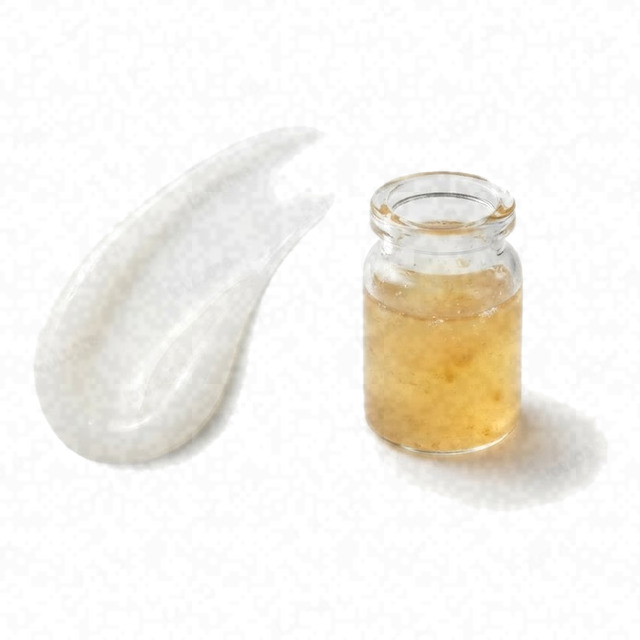 Glycolipids
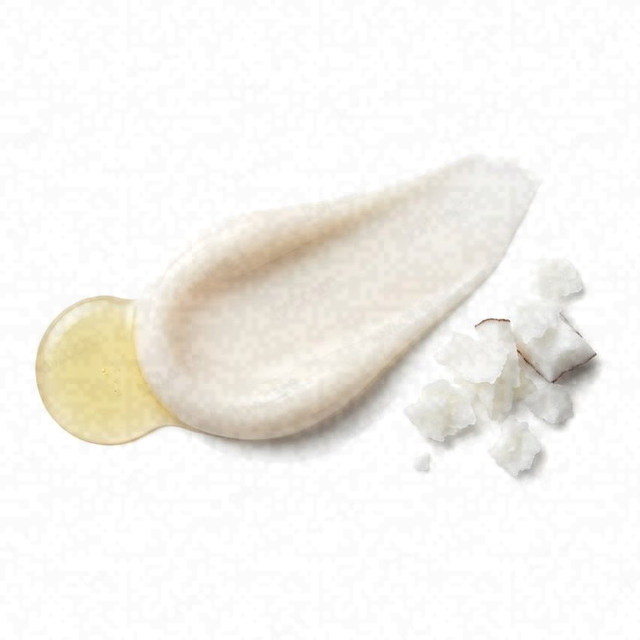 Behenyl Alcohol
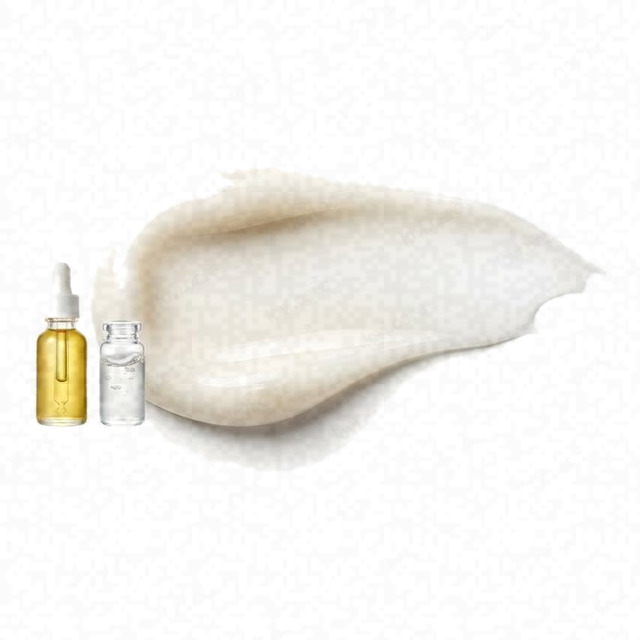 Polyglyceryl-2 Stearate
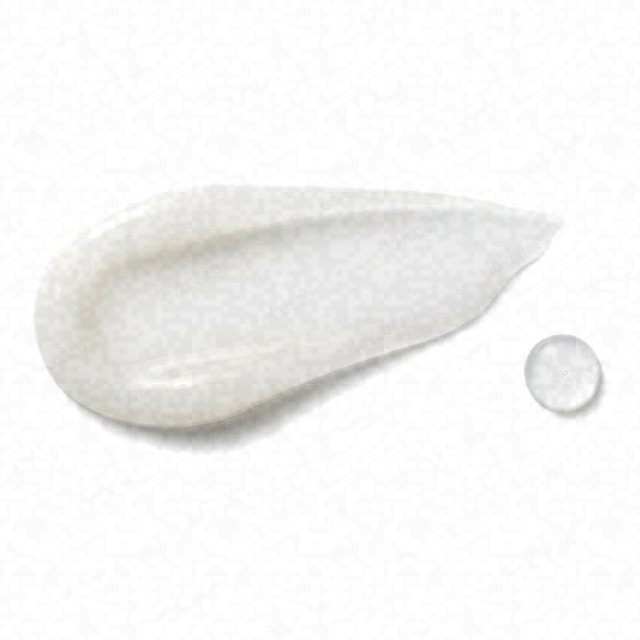 Pentylene Glycol
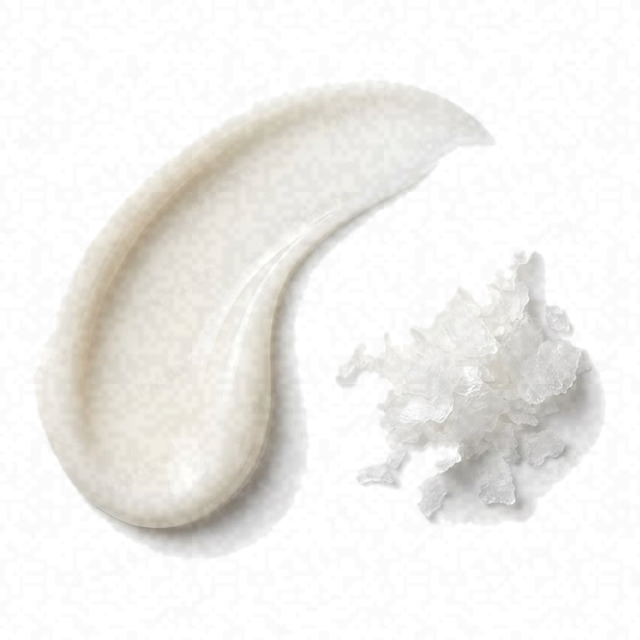 Glyceryl Stearate
Average
- HighCombination Skin Fit
- AverageEffectiveness
- HighSafety
Works for acne-prone skin; other cleansers fit it better.
This fit is calculated for the concerns frequently associated with acne-prone skin: breakouts, blackheads, and post-acne marks. For scores and recommendations based on your full skin profile, including your 12D face scan results and any goals or preferences you have, please use the Lovi app.
Page built Nov 8, 2026How the Fit score works
Lovi Assistant explains
- Offers moderate exfoliation and humectant action suitable for your combination skin, thanks to glycolipids and phytic acid which help balance the skin without over-stripping.
- The formula provides excellent cleansing benefits for your pores with glycolipids and phytic acid, though it lacks specific ingredients to target your acne, blemishes, and breakouts.
- The safety profile is excellent, with no risks of irritation for your combination skin due to the absence of prohibited or harsh ingredients.
How to apply
- Could be used as part of your AM and PM routine. Start using it 3 times a week and build up to daily use if your skin tolerates it.
- This cleanser is the first step in your morning routine and the second step after your pre-cleanser in the evening. Always follow up with a toner and moisturizer .
- Gently massage a small amount of the cleanser onto your face in circular motions. Avoid harsh rubbing to keep your skin calm.
- Apply the cleanser on slightly damp skin to help it work effectively against breakouts. Rinse thoroughly with lukewarm water .
- Avoid the immediate eye area and do a patch test before your first use to check for any sensitivity.
People Say
★4.3Overall rating based on 1.6k+ reviewsBased on a very large amount of data, users with dry and sensitive skin frequently praise this cleanser for its non-stripping and hydrating formula that leaves the face soft and comfortable. Many users also find it gentle and suitable for sensitive skin types. However, a significant number of reviews indicate that it struggles to remove heavy makeup, especially waterproof products, often requiring a double cleanse. Some users also note a moderate frequency of an unpleasant natural scent and a low frequency of residue or breakouts.
Highlights
Non-drying, hydrating Mostly Mentioned
- “skin feels soft”
- “doesn't feel stripping”
- “leaves skin hydrated”
- “no tight feeling”
Gentle, sensitive skin Often Mentioned
- “no irritation”
- “respects skin barrier”
- “very gentle formula”
Poor makeup removal Often Mentioned
- “struggles with mascara”
- “doesn't remove foundation”
- “need to scrub hard”
- “requires double cleanse”
Creamy texture Sometimes Noted
- “nice gel-cream consistency”
- “glides over skin”
- “milky texture”
- “feels luxurious”
Good morning cleanser Sometimes Noted
- “perfect for morning”
- “removes SPF well”
- “good second cleanse”
- “refreshes skin”
Unpleasant scent Sometimes Noted
- “weird nutty smell”
- “smells like plastic”
- “funky natural odor”
- “bad scent”
Caused breakouts Rarely Noted
- “caused cystic acne”
- “broke me out”
- “clogged pores”
- “tiny whiteheads appeared”
Leaves residue Rarely Noted
- “hard to rinse off”
- “leaves a film”
- “greasy residue”
- “doesn't feel clean”
Sources: lovi.care, theordinary.com, influenster.com, ulta.com, sephora.co.uk, skinsort.com, and more
Questions and answers
How well does The Ordinary Glycolipid Cream Cleanser work for acne-prone skin?
The Ordinary Glycolipid Cream Cleanser works as an average fit for acne-prone skin because it cleanses well without stripping moisture, though it lacks specific ingredients to target breakouts. To work best for this skin, a cleanser of this type needs a gentle yet powerful formulation that effectively addresses acne and blemishes while providing soothing ingredients, aloe, and glycerin.
Journal of Oleo Science, 2012International Journal of Cosmetic Science, 2025
Which ingredients make this cleanser a good fit for acne-prone skin?
Glycolipids and phytic acid help balance your skin by providing gentle cleansing and moderate exfoliation without over-stripping. To work better for acne-prone skin, a cleanser of this type needs soothing and hydrating ingredients like aloe and glycerin, along with specific components to target breakouts.
Journal of Cutaneous and Aesthetic Surgery, 2019Journal of Oleo Science, 2012
What do Glycolipids do for acne-prone skin?
Glycolipids help keep acne-prone skin hydrated and smooth while remaining gentle and unlikely to cause irritation. Products for this skin type need ingredients that calm redness and balance moisture without clogging pores.
International Journal of Cosmetic Science, 2025Applied Microbiology and Biotechnology, 2023
What does Behenyl Alcohol do for acne-prone skin?
A product of this type needs ingredients that are very safe, do not clog pores, and help keep the skin calm and smooth without causing extra breakouts.
Where does this cleanser go in a skincare routine for acne-prone skin?
This cleanser works as a step in both your morning and evening routines. It is unlikely to irritate your skin because it lacks harsh ingredients, but it needs added acne-fighting ingredients to properly target breakouts.
Can I use this cleanser with retinol, and in what order?
You can use this cleanser with retinol, applying it first to clean your skin before using your retinol treatment. It is unlikely to cause irritation, but because it lacks specific ingredients to target acne and breakouts, acne-prone skin needs a cleanser that also includes blemish-fighting ingredients like salicylic acid or soothing agents to fully support a breakout-prone routine.
Journal of Drugs in Dermatology, 2023Journal of Drugs in Dermatology, 2012
How often should I use this cleanser?
You can use this cleanser daily in the morning and evening as part of your routine. It cleans pores well without over-stripping, though acne-prone skin needs cleansers with targeted blemish-fighting ingredients to properly manage breakouts.
Can this cleanser clog pores, cause breakouts or purging for acne-prone skin?
This cleanser is unlikely to irritate your skin or cause harsh reactions, but because it lacks specific blemish-fighting ingredients, acne-prone skin needs a cleanser that includes targeted ingredients like salicylic acid or benzoyl peroxide to actively clear breakouts.
Can I use this cleanser around the eyes or on my body?
Yes, you can use this cleanser around the eyes and on your body because its gentle formula has an excellent safety profile with no harsh ingredients that may cause irritation. Studies on glycolipids show they are safe and hydrating for delicate areas, though skin thickness varies across the body.
Surgical and Radiologic Anatomy, 2002Journal of Oleo Science, 2012
Is this cleanser fragrance-free and alcohol-free?
Yes, it has no fragrance and no drying alcohol. Behenyl alcohol and stearyl alcohol are fatty alcohols, which soften the skin.
What the research says
Mannosylerythritol lipids recovered the viability of SDS-damaged human skin cells by over 80% and increased stratum corneum water content while suppressing perspiration in human skin compared with a control.
Journal of Oleo Science, 2012An Acmella oleracea extract-loaded glycolipid emulsion serum applied topically demonstrated safety with no ocular irritation or systemic dermal absorption, alongside significant improvements in facial skin hydration, smoothness, and reductions in roughness, scaliness, and wrinkles.
International Journal of Cosmetic Science, 2025Chemical peels using 35% glycolic acid, 20% salicylic-10% mandelic acid, and phytic acid reduce acne scores by 70.55%, 74.14%, and 69.7% respectively, and significantly decline the postacne hyperpigmentation index in Asian patients with mild to moderate acne.
Journal of Cutaneous and Aesthetic Surgery, 2019Topical docosanol 10% cream applied 5 times daily reduced the median time to healing by 18 hours compared to placebo in adults with recurrent herpes simplex labialis.
Journal of the American Academy of Dermatology, 2001A 10% docosanol cream initiated within 12 hours of symptom onset reduced time-to-healing compared with a polyethylene glycol control in patients with recurrent herpes labialis.
Expert Opinion on Pharmacotherapy, 2004Ten percent docosanol cream is a safe and effective topical treatment for recurrent herpes labialis in immunocompetent adults, offering efficacy comparable to prescription topical antivirals and a low risk of resistance due to its unique mechanism.
Expert Opinion on Pharmacotherapy, 2010Exposure of epidermal full-thickness skin equivalents to a blend of betaine, pentylene glycol, Saccharomyces cerevisiae, and Rhodiola rosea root extract significantly increased antioxidant, skin barrier, and oxidative stress biomarkers while reducing the negative impact of hydrogen peroxide on MMP3, MMP12, FBN2, ANXA1, and HGF, whereas a blend of Narcissus tazetta bulb extract and Schisandra chinensis fruit extract significantly increased 8 growth factors, 7 signaling, 7 structural/barrier function, 7 oxidative stress biomarkers, and specific microRNAs over control levels.
International Journal of Molecular Sciences, 2018
Why other cleansers fit acne-prone skin better
Topical 5% tea tree oil gel significantly improved total acne lesions and acne severity index compared to placebo in 60 patients with mild to moderate acne vulgaris, showing 3.55 times and 5.75 times greater efficacy respectively.
Indian Journal of Dermatology, Venereology and Leprology, 2007A cream combining propolis, tea tree oil, and Aloe vera reduced erythema scars, acne severity index, and total lesion count better than erythromycin cream in sixty patients with mild to moderate acne vulgaris compared to placebo.
Clinical Pharmacology, 2018A novel emulsion containing niacinamide, lens esculenta seed extract, and white willow bark extract effectively improved acne, blackheads, and conspicuous facial pores in 30 subjects with oily skin.
Journal of Cosmetic Dermatology, 2024
Ingredients
Water, Behenyl Alcohol, Polyglyceryl-2 Stearate, Glycolipids, Pentylene Glycol, Polyglyceryl-6 Dicaprate, Glyceryl Stearate, Stearyl Alcohol, Diutan Gum, Polyacrylate Crosspolymer-6, Sodium Phytate, Phytic Acid, Trisodium Ethylenediamine Disuccinate, Sodium Benzoate, Phenoxyethanol, Chlorphenesin
Behind this fit score
Lovi calculates every fit score from the full ingredient list with brand-independent rules our dermatologists and cosmetic chemists build and review, and personalizes every pick with AI trained on the real results of millions of users. Lovi trains its fit score models on a proprietary dataset built from more than 10,000 expert-labeled products and more than 100,000 simulated examples, following an internally consistent methodology presented at Cosmoprof, AMWC, and Skin of Color Update.
-

Co-founder, Medical Director
Cosmetic chemist, cosmetologist, aesthetic products developer
-

Co-founder, CEO and CTO
PhD in computer science, 3x US patent holder, ex-Google, ex-Yandex
-

Dr. Sofía Perea Pérez, MD, MSc
Medical Board
Aesthetic medicine practitioner, MSc in Longevity and Anti-Aging Medicine
-

Medical Board
Specialist dermatologist, MBBS, MD, IFAAD
-

Medical Board
Cosmetic chemist, SCS, IFSCC member
-

Medical Board, Medical Advisor
Dermatology MD
-

Elina Nazarenko, MD
Medical Board
Dermatology and diagnostic consultant
-

Victoria Derkova, MS
Medical Board
Cosmetic chemist, cosmetic development technologist


How does it fit your skin?
Scan your face, then any product: Lovi shows how well it fits you and what fits even better.