BYOMA Moisturizing Gel-Cream SPF 30 for acne-prone skin

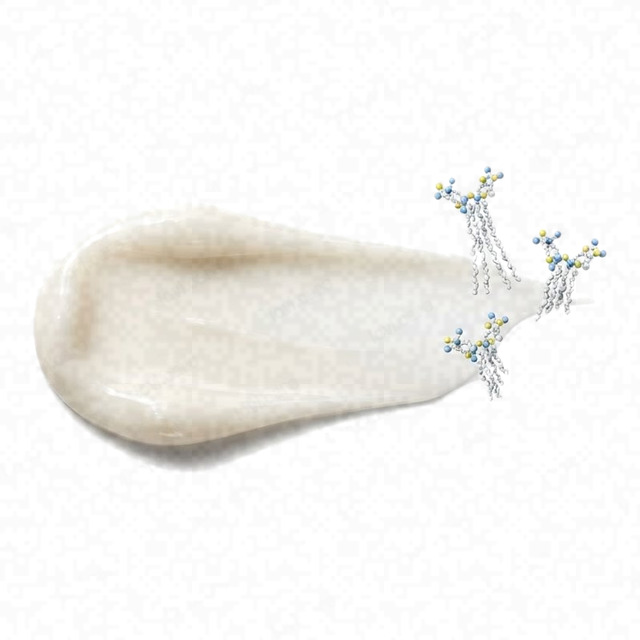 Tri-Ceramide Complex
 Sodium Hyaluronate
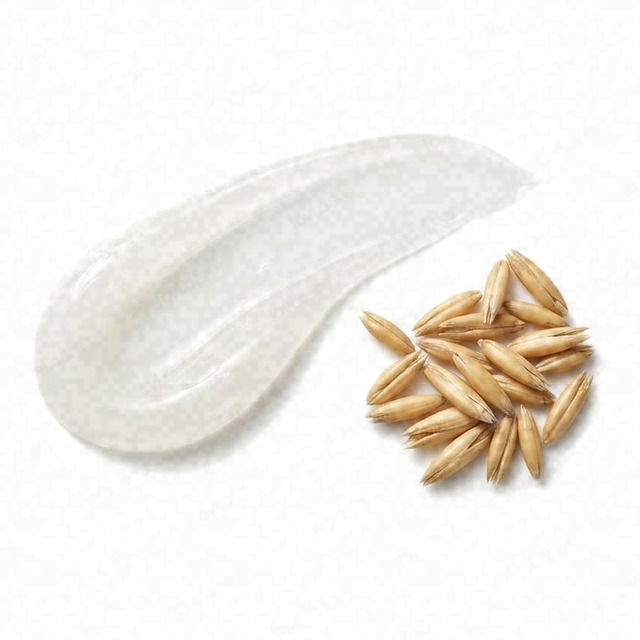 Beta Glucan
 Glycerin
 Dimethicone
Average
- HighCombination Skin Fit
- AverageEffectiveness
- HighSafety
Works for acne-prone skin; other sunscreens fit it better.
This fit is calculated for the concerns frequently associated with acne-prone skin: breakouts, blackheads, and post-acne marks. For scores and recommendations based on your full skin profile, including your 12D face scan results and any goals or preferences you have, please use the Lovi app.
Page built Nov 8, 2026How the Fit score works
Lovi Assistant explains
- Offers moderate moisturizing and sun protection for your combination skin, with Glycerin and Sodium Hyaluronate providing hydration and UV filters like Homosalate offering sun defense. Beta-Glucan and Ceramide NP further support your skin barrier, enhancing overall skin health.
- While beneficial for general hydration, the formula lacks targeted ingredients to effectively address your acne, blemishes, and breakouts.
- The product is safe for your skin, as it contains no harsh ingredients and includes soothing components like Beta-Glucan and Sodium Hyaluronate.
How to apply
- Apply this moisturizing sunscreen AM every morning as the final step of your daily routine.
- Layer the moisturizing sunscreen after your moisturizer has fully absorbed, right before heading out into the sun .
- Smooth a nickel-sized amount of the moisturizing sunscreen evenly over your face, avoiding harsh rubbing.
- Apply the moisturizing sunscreen onto clean, dry skin to ensure even coverage and protection.
- Perform a patch test before first use and avoid direct contact with the eyes.
People Say
★3.6Overall rating based on 100+ reviewsBased on limited data, users with dry to normal skin enjoy the lightweight, cooling gel texture that provides a dewy, hydrated finish without a white cast. A significant number of reviewers report that the formula pills or flakes off, especially when layered with other skincare or worn under makeup, making it a polarizing choice.
Highlights
Lightweight texture Mostly Mentioned
- “melts instantly into skin”
- “feels like nothing on”
- “cooling gel-cream texture”
- “super lightweight”
Severe pilling Mostly Mentioned
- “pills off like crazy”
- “flakes when I touch my face”
- “cannot wear under makeup”
- “peels up on skin”
No white cast Often Mentioned
- “zero white cast”
- “transparent on deep skin”
- “no chalky residue”
- “invisible finish”
Barrier supporting Sometimes Noted
- “barrier boosting”
- “great for sensitive skin”
- “soothing ingredients”
- “doesn't sting”
Hydrating and dewy Sometimes Noted
- “leaves a glowing finish”
- “skin feels quenched”
- “super dewy and supple”
- “hydrating but not greasy”
Greasy finish Sometimes Noted
- “makes me hella oily”
- “greasy residue”
- “too shiny for summer”
- “bleeds off with sweat”
Causes breakouts Rarely Noted
- “clogged my pores”
- “gave me small bumps”
- “caused breakouts”
- “closed comedones”
Eye stinging Rarely Noted
- “burns my eyes”
- “stings when sweating”
- “eye irritation”
Sources: lovi.care, target.com, cultbeauty.co.uk, skinsort.com, refinery29.com, boots.com, and more
Questions and answers
How well does BYOMA Moisturizing Gel-Cream SPF 30 work for acne-prone skin?
BYOMA Moisturizing Gel-Cream SPF 30 works moderately well for acne-prone skin by offering safe hydration and sun protection, but it lacks targeted ingredients to actively address breakouts. To truly fit this skin type, a product of this type needs specialized blemish-fighting ingredients alongside lightweight, oil-free hydration and barrier-supporting components that do not clog pores.
Which ingredients make this cream a good fit for acne-prone skin?
Glycerin, Sodium Hyaluronate, Beta-Glucan, and Ceramide NP help hydrate your skin and keep it calm. However, because this product lacks targeted ingredients for breakouts, an ideal product for this skin type needs safe, non-irritating blemish-clearing ingredients, light hydrators, and antioxidants.
What do Ceramides do for acne-prone skin?
Ceramides help acne-prone skin by restoring a damaged water barrier, which reduces dryness, redness, and flaking caused by harsh acne treatments. Using ceramides also may lower inflammation and improve overall skin comfort while keeping breakouts in check.
Journal of Drugs in Dermatology, 2023Journal of Cosmetic Dermatology, 2024
What does Hyaluronic Acid do for acne-prone skin?
Hyaluronic acid helps acne-prone skin by soothing irritation, calming redness, and keeping the skin balanced without clogging pores. When combined with targeted ingredients like zinc oxide, it may also help reduce breakouts.
Where does it go in a skincare routine for acne-prone skin?
This product goes in the morning routine as the final step before sunscreen, or as a combined daytime moisturizer and sun protection step. For acne-prone skin, this type of product also needs targeted breakout-clearing ingredients to properly manage blemishes.
Can I use this cream with retinol, and in what order?
You can use this moisturizing SPF in the morning routine after your cleanser, hydrating toner, and moisturizer, and before applying your sunscreen. When using retinol in the evening, pairing it with a barrier-supporting moisturizer helps keep your skin calm and reduces dryness and irritation.
How often should I use it?
You can use this moisturizing SPF every morning to hydrate and protect your skin from the sun. An acne-prone skin type needs a product that includes targeted blemish-fighting ingredients to properly address breakouts.
Can this cream clog pores, cause breakouts or purging for acne-prone skin?
This cream is unlikely to cause breakouts for acne-prone skin because it contains no harsh ingredients and includes soothing components like beta-glucan and sodium hyaluronate. However, it lacks targeted ingredients to effectively address blemishes and breakouts, and a product for this skin needs oil-controlling agents and clarifying ingredients to keep pores clear.
Clinical, Cosmetic and Investigational Dermatology, 2017Journal of Cosmetic Dermatology, 2021
Is it fragrance-free and alcohol-free?
Yes, it has no fragrance and no drying alcohol.
What the research says
A single application of a moisturizing fluid containing hyaluronic acid 1%, glycerin 5%, and Centella asiatica stem cells extract significantly increased skin hydration by 29% and reduced transepidermal water loss at 24 hours compared to baseline and an untreated control site in twenty healthy women.
Clinical, Cosmetic and Investigational Dermatology, 2017Skin care regimens containing beta-glucan improved hemoglobin index, skin hydration, and transepidermal water loss compared to vehicle control in 20 patients undergoing fractional laser therapy.
Journal of Cosmetic Dermatology, 2021Topical application of a ceramide complex cream significantly ameliorated lactic acid sensations and increased stratum corneum total ceramide content in 39 female subjects with sensitive skin compared with placebo.
Archives of Dermatological Research, 2018A canine-specific ceramide complex consisting of a 4:1 ratio of CER [NS] to [EOP] reduced proinflammatory cytokine expression, upregulated skin barrier-related genes and enzymes, improved stratum corneum organization, and accelerated skin barrier repair in vitro and in vivo.
Animals, 2026Topical application of 0.1% hyaluronic acid formulations of different molecular weights led to significant improvements in skin hydration and elasticity, with low-molecular-weight formulations also significantly reducing wrinkle depth in seventy-six female subjects compared to a vehicle control.
Journal of Drugs in Dermatology, 2011Topical application of hyaluronic acid in conjunction with free gingival graft significantly reduced donor site postoperative pain until day 7 compared to normal saline, with no significant differences in graft dimensions or patient satisfaction.
Clinical Oral Investigations, 2022Treatment with a hyaluronic acid-containing mouth rinse or topical gel led to significant lesion reduction, pain relief, and normalization of lesion color in adult patients with minor recurrent aphthous stomatitis, with the gel formulation showing an earlier healing onset at 3 days.
BMC Oral Health, 2019Treatment with topical formulations containing beta-glucan combined with nanofractional radiofrequency plus magnetic nanofractional radiofrequency showed the best efficacy and was tolerable and effective in Chinese women with abdominal stretch marks compared to control groups.
Dermatology and Therapy, 2023Topical beta-glucan mildly improved striae gravidarum, 1565-nm non-ablative fractional laser showed better results than topical beta-glucan, and the combined strategy further improved striae gravidarum atrophy compared to single treatment.
The Journal of Dermatology, 2022Topical application of oat beta-glucan ameliorates epidermal hyperplasia and accelerates epidermal barrier recovery by promoting keratinocyte differentiation through dectin-1-mediated ERK and p38 signaling pathways that upregulate CaSR expression.
International Journal of Biological Macromolecules, 2021The emollient V0034CR significantly reduced TEWL compared to vehicle and vehicle plus glycerol, and significantly increased corneometry scores compared to vehicle and vehicle plus petrolatum in healthy volunteers with dry skin, demonstrating combined barrier function improvement from petrolatum and hydration improvement from glycerol.
Journal of Cosmetic Dermatology, 2020Ten days of treatment with a cream containing 20% glycerin significantly increased skin hydration measured by corneometer values in 17 healthy volunteers compared to a placebo cream, but showed no influence on transepidermal water loss or skin sensitivity to an irritating surfactant.
International Journal of Cosmetic Science, 2001Niacinamide/glycerin body moisturizers provided better rapid and prolonged improvement of cosmetic xerosis through functional improvement of stratum corneum barrier function compared to no treatment and conventional moisturizers in female subjects.
Journal of Drugs in Dermatology, 2012Wearing an N95 mask alone compared to using dimethicone cream or hydrocolloid dressing caused more adverse skin reactions among 73 military health care workers, with no significant differences in fit test failure rates between groups.
Military Medicine, 2024A dimethicone skin protectant lotion significantly decreased visual scoring and transepidermal water loss compared to vehicle control and SLS-only treated sites in 12 healthy humans exposed to sodium lauryl sulfate.
Skin Research and Technology, 2000Treatment with a moisturizer containing dimethicone and glycerine increased epidermal thickness by 0.019 mm, improved barrier function by decreasing transepidermal water loss by 13%, decreased melanin intensity, and induced keratins 6 and 16 in fifteen women with moderately photoaged forearms.
Clinical and Experimental Dermatology, 2007
Why other sunscreens fit acne-prone skin better
Biomimetic hyaluronic acid-stabilized zinc oxide nanoparticles selectively inhibited C. acnes, outperformed erythromycin in preclinical acne models, and safely reduced acne lesions and redness in a clinical trial.
Journal of Controlled Release, 2025Topical 0.5% hyaluronic-ZnO nanogel applied twice daily reduced inflammatory-lesion counts by 58% at week four in human subjects compared to baseline without causing erythema.
Biomedicines, 2025Malaysian thermal spring water as an adjunct to standard acne therapy improved skin hydration, reduced dryness and stinging, enhanced overall tolerability, and improved the acne disability index in patients with mild to moderate acne.
The Medical Journal of Malaysia, 2024
Ingredients
Water, Homosalate, Ethyhexyl Salicylate, Glycerin, Butyl Methoxydibenzoylmethane, Butyloctyl Salicylate, Propanediol, Dimethicone, Beta-Glucan, Sodium Hyaluronate, Caprylhydroxamic Acid, Caprylic Capric Triglyceride, Ceramide Np, Cholesterol, Phytosphingosine, Caprylyl Glycol, Dextrin Palmitate, Dibutyl Ethylhexanoyl Glutamide, Stearic Acid, Oleic Acid, Dibutyl Lauroyl Glutamide, Dimethicone Vinyl Dimethicone Crosspolymer, Hydrogenated Lecithin, Clove Bud Extract, Hydroxyacetophenone, Lactic Acid, Lecithin, Octyldodecanol, 1,2-Hexanediol, Palmitic Acid, Panthenol, Poly C10-30 Alkyl Acrylate, Pullulan, Sclerotium Gum, Silica, Sodium Benzoate, Sodium Polyacryloyldimethyl Taurate, Solidago Virgaurea Extract, Tocopherol, Xanthan Gum
Behind this fit score
Lovi calculates every fit score from the full ingredient list with brand-independent rules our dermatologists and cosmetic chemists build and review, and personalizes every pick with AI trained on the real results of millions of users. Lovi trains its fit score models on a proprietary dataset built from more than 10,000 expert-labeled products and more than 100,000 simulated examples, following an internally consistent methodology presented at Cosmoprof, AMWC, and Skin of Color Update.
-

Co-founder, Medical Director
Cosmetic chemist, cosmetologist, aesthetic products developer
-

Co-founder, CEO and CTO
PhD in computer science, 3x US patent holder, ex-Google, ex-Yandex
-

Dr. Sofía Perea Pérez, MD, MSc
Medical Board
Aesthetic medicine practitioner, MSc in Longevity and Anti-Aging Medicine
-

Medical Board
Specialist dermatologist, MBBS, MD, IFAAD
-

Medical Board
Cosmetic chemist, SCS, IFSCC member
-

Medical Board, Medical Advisor
Dermatology MD
-

Elina Nazarenko, MD
Medical Board
Dermatology and diagnostic consultant
-

Victoria Derkova, MS
Medical Board
Cosmetic chemist, cosmetic development technologist


How does it fit your skin?
Scan your face, then any product: Lovi shows how well it fits you and what fits even better.