The Ordinary Granactive Retinoid 2% Emulsion for mature skin

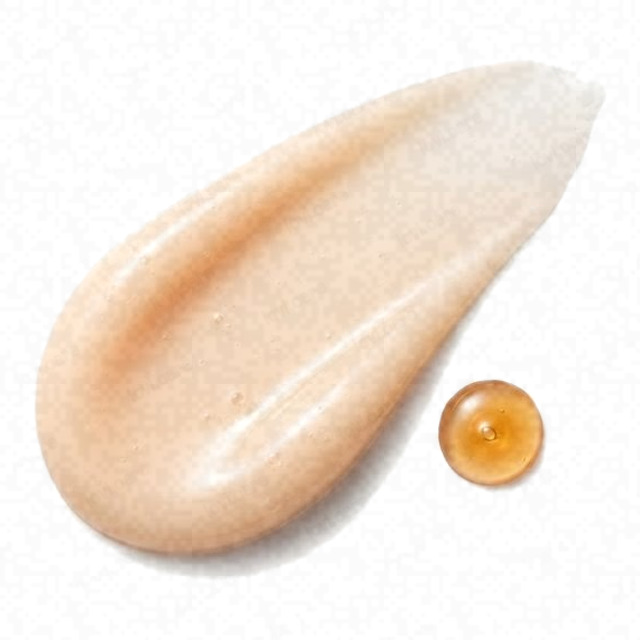 Granactive Retinoid
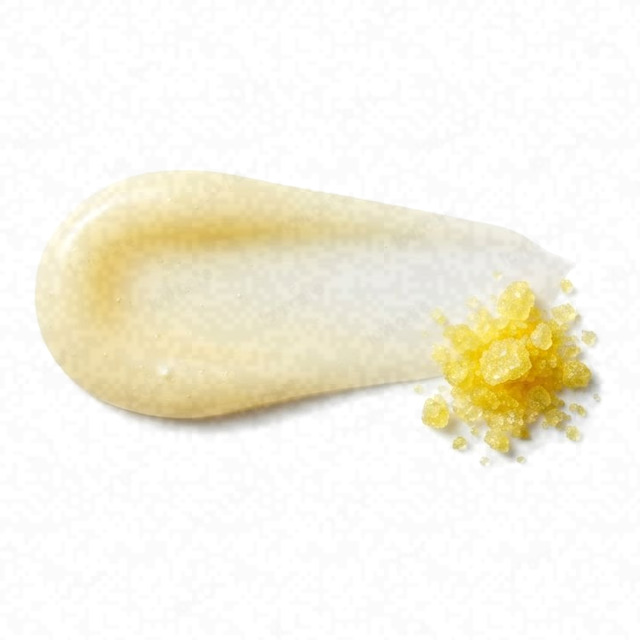 Retinol
 Glycerin
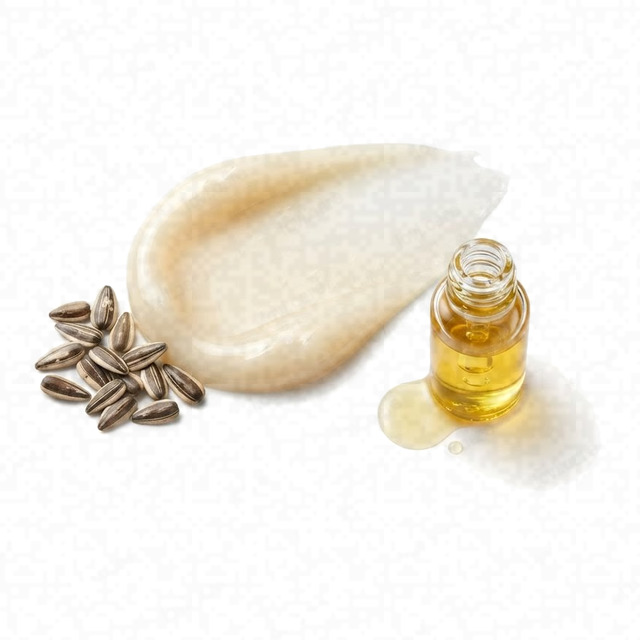 Ethyl Linoleate
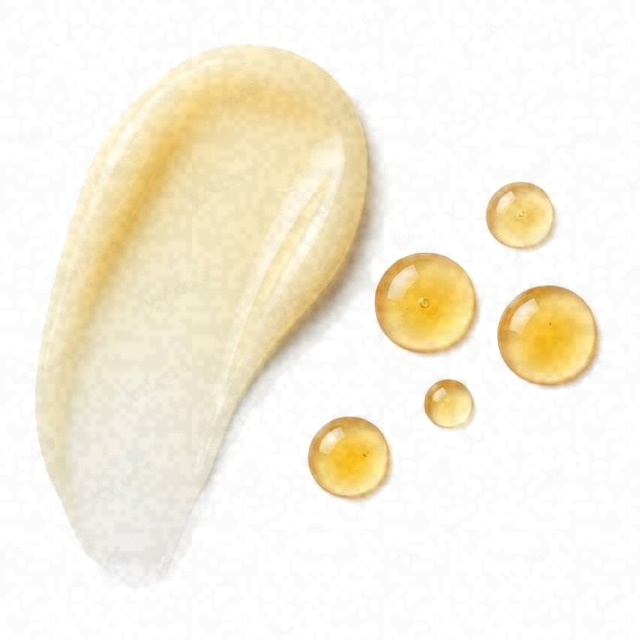 Hydroxypinacolone Retinoate
Average
- AverageNormal Skin Fit
- AverageEffectiveness
- Low RiskSafety
Works for mature skin; other serums fit it better.
This fit is calculated for the concerns frequently associated with mature skin: fine lines, wrinkles, and loss of firmness. For scores and recommendations based on your full skin profile, including your 12D face scan results and any goals or preferences you have, please use the Lovi app.
Page built Nov 8, 2026How the Fit score works
Lovi Assistant explains
- Offers moderate suitability for your normal skin as hydroxypinacolone retinoate and retinol provide collagen stimulation and desquamation regulation to address fine lines and wrinkles. Tasmannia lanceolata leaf extract offers some soothing benefits, though the formula lacks sufficient humectants and emollients for optimal hydration and barrier support.
- The product provides general skincare benefits that you will notice, but the primary benefits for wrinkles and fine lines are supportive rather than directly targeted due to the concentrations of active ingredients.
- The product is generally safe for your normal skin, with a low risk of irritation from retinol and hydroxypinacolone retinoate.
How to apply
- Use this serum in your PM routine. Start by applying it 3 times a week, and work up to daily use if your skin likes it.
- Apply this serum after your toner and before your moisturizer.
- Gently press 2-3 drops of the serum into your skin and let it absorb for a minute.
- You can apply the serum on dry skin for the best results against fine lines.
- Always do a patch test before your first use and avoid the sensitive eye area.
People Say
★4.5Overall rating based on 1.5k+ reviewsBased on a very large amount of data, users find this product to be an excellent beginner-friendly retinoid, particularly for sensitive and acne-prone skin, due to its gentle, non-irritating formula. It is frequently noted for improving skin texture, brightness, and fine lines over time. Some users observe that results may be slower or less dramatic compared to stronger retinol treatments, and a few mention a short shelf life and packaging concerns.
Highlights
Gentle, non-irritating Mostly Mentioned
- “Did not irritate my sensitive skin.”
- “One of the easiest retinoids I've tried... doesn't sting.”
- “Perfect for beginners with sensitive, oily and acne prone skin.”
- “No harsh peeling or burning feeling.”
Improves texture Often Mentioned
- “Felt a change in the texture of my skin from the very first use.”
- “Skin looks brighter, pores appear tidier.”
- “Leaves my skin feeling plump the next day and a lot smoother.”
- “My skin is smoother and less wrinkled.”
Lightweight consistency Sometimes Noted
- “Absorbs well and is much less oily than retinol in squalane.”
- “Lightweight, milky texture disappears in seconds.”
- “Applies as lightly as an emulsion and doesn't feel rich.”
- “Glides on and vanishes, so layering... is effortless.”
Reduces acne Sometimes Noted
- “Helps prevent and fight acne breakouts.”
- “Noticed a visible change in dark spots.”
- “Less breakouts when using this serum.”
- “Helped with pigmentation texture issues.”
Short shelf life Sometimes Noted
- “Once opened, this formula should be refrigerated and used within a three-month period.”
- “Hard to use up within the recommended timeframe.”
- “Potency gradually decreasing over time.”
- “Expires in 3 months.”
Packaging issues Rarely Noted
- “Formula is very runny so fiddly to handle.”
- “Dropper picks up a bit too much product.”
- “Annoyed with dropper bottles... product is slightly exposed to air.”
Slow results Rarely Noted
- “Don't expect quick, dramatic results, as this seems to be a gentle formula.”
- “Needs patience for deeper lines.”
- “Dramatic wrinkle reduction takes time.”
- “Not as effective as retinol in terms of results.”
Unpleasant scent Rarely Noted
- “Smells like vitamins.”
- “Has an interesting smell to it.”
- “Not a fan of fragrance or scent of this product.”
Sources: lovi.care, sephora.co.uk, sephora.com.au, theordinary.com, influenster.com, retinol.com, and more
Questions and answers
How well does The Ordinary Granactive Retinoid 2% Emulsion work for mature skin?
The Ordinary Granactive Retinoid 2% Emulsion works reasonably well for mature skin, helping to smooth fine lines and wrinkles with a low risk of irritation. However, other products fit this skin better because this formula lacks sufficient moisture-locking ingredients and skin-softening agents for optimal hydration and barrier support. Mature skin needs products that provide exceptional safety with no irritation, high concentrations of potent antioxidants, and deeply hydrating components to maintain firmness and radiance.
Which ingredients make this serum a good fit for mature skin?
This serum works for mature skin because retinol and hydroxypinacolone retinoate help smooth fine lines and wrinkles. To be a better fit for this skin type, a product of this type needs high concentrations of potent antioxidants, deeply hydrating ingredients like humectants and emollients, and skin-repairing components.
What does Granactive Retinoid do for mature skin?
Granactive Retinoid helps smooth out lines, improve firmness, and reduce the look of sun damage on mature skin. It works like traditional vitamin A to refresh the face while being unlikely to cause irritation or redness.
Journal of Cosmetic Dermatology, 2025Journal of Cosmetic Dermatology, 2023
What does Retinol do for mature skin?
Retinol helps smooth out fine lines and wrinkles while improving overall skin thickness and firmness over time. It may also cause temporary dryness, scaling, or stinging as your skin gets used to it.
Where does this serum go in a skincare routine for mature skin?
This treatment goes in the evening routine after cleansing and before your moisturizer. It works for your mature skin to help smooth fine lines, though this skin type needs extra hydrating ingredients and nourishing softeners to keep it feeling comfortable and plump.
Can I use it with vitamin C, and in what order?
You can use this treatment with vitamin C by applying vitamin C in the morning and this treatment at night, or by alternating the nights you use them if your skin gets sensitive. Mature skin needs products with extra moisture-locking ingredients and soothing barrier protectors to keep the skin soft and comfortable alongside active ingredients.
How often should I use this serum?
This treatment works well in the evening for mature skin, helping to smooth fine lines with a low likelihood of irritation. To get the best results for this skin type, a product of this kind needs added moisturizing ingredients and barrier support.
Can it clog pores, cause breakouts or purging for mature skin?
This product is unlikely to cause breakouts for mature skin, though the retinoids may trigger mild initial purging as they speed up skin renewal. To work best for this skin type, a product like this needs extra moisturizing ingredients and skin-softening oils to keep the skin barrier fully supported.
Is it fragrance-free and alcohol-free?
Yes, it has no fragrance and no drying alcohol. Cetearyl alcohol is a fatty alcohol, which soften the skin.
What the research says
A topical serum containing hydroxypinacolone retinoate and peptides used twice daily for 16 weeks achieved parity or statistically significantly better improvement in facial aging parameters compared to a single fractional CO2 laser treatment in women with moderate global photodamage.
Journal of Cosmetic Dermatology, 2025Hydroxypinacolone retinoate and retinyl propionate at a 5:9 weight ratio synergistically enhanced antiaging gene expressions in vitro and improved skin wrinkles, smoothness, transepidermal water loss, and elasticity in 42 Chinese urban women over an 8-week period without adverse reactions compared to retinol.
Journal of Cosmetic Dermatology, 2023Combined probiotic supplementation and topical azelaic acid with hydroxypinacolone retinoate reduced non-inflammatory lesions from 11.5 to 7.3 and decreased microscopic acne features measured by reflectance confocal microscopy and dynamic optical coherence tomography in 20 patients over 12 weeks.
Journal of Clinical Medicine, 2023A new topical gel formulation reduced total acne lesions by 80% and GAGS scores by 78% after 8 weeks in 22 female patients with mild facial acne without impairing skin barrier function or causing side effects.
Giornale Italiano Di Dermatologia E Venereologia, 2020A fixed combination of hydroxypinacolone retinoate, retinol glycospheres, and papain glycospheres in aqueous gel applied once daily for 12 weeks achieved a 41% mean reduction in GAGS score and a 40.8% mean reduction in total lesions, with 15.3% of patients experiencing mild to moderate local side effects, in 94 evaluable patients with comedonal-papular, mild to moderate acne of the face.
Giornale Italiano Di Dermatologia E Venereologia, 2015A 12-month maintenance treatment with a combination of hydroxypinacolone retinoate and retinol glycospheres resulted in a relapse rate of 15.38% in 39 patients with moderate facial acne following oral isotretinoin therapy.
Giornale Italiano Di Dermatologia E Venereologia, 2017Topical 0.4% retinol significantly increased epidermal thickness, dermal vascularity, and extracellular matrix production by stimulating keratinocyte proliferation, endothelial cell proliferation, and fibroblast activation in naturally aged human skin compared to vehicle.
International Journal of Cosmetic Science, 2017Topical bakuchiol 0.5% applied twice daily compared with retinol 0.5% applied daily significantly decreased wrinkle surface area and hyperpigmentation with no statistical difference between the compounds in 44 patients over 12 weeks, while retinol users reported more facial skin scaling and stinging.
The British Journal of Dermatology, 2019Silicone particles encapsulating retinol increased its half-life by 9-fold and yielded 12-23% lower skin irritation in human subjects compared to Microsponge particles while maintaining biological activity.
Journal of Controlled Release, 2018A single application of a moisturizing fluid containing hyaluronic acid 1%, glycerin 5%, and Centella asiatica stem cells extract significantly increased skin hydration by 29% and reduced transepidermal water loss at 24 hours compared to baseline and an untreated control site in twenty healthy women.
Clinical, Cosmetic and Investigational Dermatology, 2017The emollient V0034CR significantly reduced TEWL compared to vehicle and vehicle plus glycerol, and significantly increased corneometry scores compared to vehicle and vehicle plus petrolatum in healthy volunteers with dry skin, demonstrating combined barrier function improvement from petrolatum and hydration improvement from glycerol.
Journal of Cosmetic Dermatology, 2020Ten days of treatment with a cream containing 20% glycerin significantly increased skin hydration measured by corneometer values in 17 healthy volunteers compared to a placebo cream, but showed no influence on transepidermal water loss or skin sensitivity to an irritating surfactant.
International Journal of Cosmetic Science, 2001Topical application of linoleic acid achieved an almost 25% reduction in the overall size of follicular casts and microcomedones over a 1-month treatment period in patients with mild acne compared to no change at placebo-treated sites.
Clinical and Experimental Dermatology, 1998A lotion containing triethyl citrate and ethyl linoleate reduced Leeds grading, total, inflammatory, and noninflammatory lesion counts, and sebum production compared with a placebo in patients with mild to moderate acne.
The British Journal of Dermatology, 2007Liposomal formulation of linoleic acid significantly enhances its skin whitening effect compared to non-liposomal forms in UV-stimulated guinea pig and human skin.
Biological & Pharmaceutical Bulletin, 2004Cotreatment with vitamin C and retinol derivatives (RP/HPR) at a 40:3 weight ratio inhibited UV-induced aging-associated gene transcription and SASP release while improving skin recovery in women.
Journal of Cosmetic Dermatology, 2025Hyaluronic acid-modified nanoemulsions enhanced cell uptake, deep skin penetration, and reduced irritation of hydroxypinacolone retinoate compared to conventional cationic nanoemulsions and free HPR.
ACS Applied Bio Materials, 2026Encapsulation of retinyl propionate and hydroxypinacolone retinoate into supramolecular nanoparticles yields high stability, low irritation, sustained release, and effective anti-wrinkle efficacy.
Pharmaceutics, 2023
Why other serums fit mature skin better
- Retinol in this serum
Topical bakuchiol 0.5% applied twice daily compared with retinol 0.5% applied daily significantly decreased wrinkle surface area and hyperpigmentation with no statistical difference between the compounds in 44 patients over 12 weeks, while retinol users reported more facial skin scaling and stinging.
The British Journal of Dermatology, 2019
Ingredients
Water, Glycerin, Caprylic Capric Triglyceride, Ethyl Linoleate, Propanediol, Dimethyl Isosorbide, Cetearyl Isononanoate, Bisabolol, Hydroxypinacolone Retinoate, Retinol, Tasmannia Lanceolata Leaf Extract Fruit, Inulin Lauryl Carbamate, Glyceryl Stearate, Ceteareth-12, Ceteareth-20, Cetearyl Alcohol, Chondrus Crispus, Xanthan Gum, Acacia Senegal Gum, Cetyl Palmitate, Sucrose Laurate, Polysorbate 20, Isoceteth-20, Rosmarinus Officinalis Leaf Extract Rosemary Leaf Extract, Hydroxymethoxyphenyl Decanone, Behentrimonium Chloride, Trisodium Ethylenediamine Disuccinate, Disodium Edta, Dehydroacetic Acid, Benzoic Acid, Ethylhexylglycerin, Phenoxyethanol, Chlorphenesin
Behind this fit score
Lovi calculates every fit score from the full ingredient list with brand-independent rules our dermatologists and cosmetic chemists build and review, and personalizes every pick with AI trained on the real results of millions of users. Lovi trains its fit score models on a proprietary dataset built from more than 10,000 expert-labeled products and more than 100,000 simulated examples, following an internally consistent methodology presented at Cosmoprof, AMWC, and Skin of Color Update.
-

Co-founder, Medical Director
Cosmetic chemist, cosmetologist, aesthetic products developer
-

Co-founder, CEO and CTO
PhD in computer science, 3x US patent holder, ex-Google, ex-Yandex
-

Dr. Sofía Perea Pérez, MD, MSc
Medical Board
Aesthetic medicine practitioner, MSc in Longevity and Anti-Aging Medicine
-

Medical Board
Specialist dermatologist, MBBS, MD, IFAAD
-

Medical Board
Cosmetic chemist, SCS, IFSCC member
-

Medical Board, Medical Advisor
Dermatology MD
-

Elina Nazarenko, MD
Medical Board
Dermatology and diagnostic consultant
-

Victoria Derkova, MS
Medical Board
Cosmetic chemist, cosmetic development technologist


How does it fit your skin?
Scan your face, then any product: Lovi shows how well it fits you and what fits even better.