Vitamin C

Vitamin C smooths fine lines, evens skin tone, and fades dark spots by supporting collagen and calming pigment cells. It suits dry skin and oily skin well, arriving in serums, creams, eye creams, and exfoliators, usually at 10%, 15%, and 20% strengths. It fits into a routine alongside silymarin, ferulic acid, and resveratrol, while remaining separate from adapalene, benzoyl peroxide, and retinol.
Experimental Dermatology, 2003Journal of Cosmetic Dermatology, 2020Journal of Cosmetic Dermatology, 2012
This page shows vitamin C products with a Lovi page. For every product, and a routine built for your skin, use the Lovi app.
Popular vitamin C products
- Olay Super Serum
-
Charlotte Tilbury
Charlotte's Magic Cream
 S$139.21
-
RoC
Retinol Correxion Deep Wrinkle Night Cream
 S$35.46
- Paula's Choice 1% Retinol Treatment
-
Summer Fridays
Jet Lag Mask
S$86.03
-
Mad Hippie
Vitamin C Serum
S$56.00
- Eve Lom Renewal Treatment Oil
-
ZO Skin Health
Exfoliating Polish
S$96.25


Vitamin C serums
-
RoC
Retinol Correxion Deep Wrinkle Night Cream
S$35.46
- Paula's Choice 1% Retinol Treatment
-
Mad Hippie
Vitamin C Serum
S$56.00
- CeraVe Skin Renewing Vitamin C Serum
- Eucerin Anti-Pigment Dual Serum
-
RoC
Retinol Correxion Deep Wrinkle Serum
S$37.51
- NATURIUM Azelaic Topical Acid 10%
-
NATURIUM
Vitamin C Complex Serum
S$27.19
-
Vanicream
Vitamin C Serum
S$21.11
- Kiehl's Clearly Corrective™ Dark Spot Solution
- Pond's Clarant B3
- メラノCC C


What reviewers say about popular vitamin C products
The highlight reviewers mention most for each popular vitamin C product on Lovi.
Olay Super Serum Fast absorption ★4.6 · 9.0k+ reviews
Charlotte Tilbury Charlotte's Magic Cream Excellent makeup base ★4.5 · 5.0k+ reviews
RoC Retinol Correxion Deep Wrinkle Night Cream Effective wrinkle reduction ★4.5 · 25.0k+ reviews
- Improves skin texture
- Non-greasy formula
- “wrinkles look less deep”
What people say about Retinol Correxion Deep Wrinkle Night Cream
Paula's Choice 1% Retinol Treatment Smoother skin texture ★4.4 · 6.1k+ reviews
- Anti-aging results
- Dryness and peeling
- “skin becomes very smooth”
Summer Fridays Jet Lag Mask Intense Hydration ★4.4 · 5.0k+ reviews
Mad Hippie Vitamin C Serum Brightens and evens ★4.5 · 22.7k+ reviews
Vitamin C creams
- Olay Super Serum
-
Charlotte Tilbury
Charlotte's Magic Cream
S$139.21
- Eve Lom Renewal Treatment Oil
-
NATURIUM
Multi-Peptide Moisturizer
S$23.78
-
Neutrogena
Rapid Wrinkle Repair Regenerating Cream
S$36.58
- Seven Minerals Organic Aloe Vera Gel
-
Medicube
DEEP VITA-C CAPSULE CREAM
S$30.69
-
RoC
Retinol Correxion Line Smoothing Max Hydration Cream
S$41.22
-
Pond's
Clarant B3 Dark Spot Correcting Cream
S$30.21
-
Biossance
Squalane + Vitamin C Rose Oil
S$105.97
- Augustinus Bader The Cream
- Neutrogena Retinol Regenerating Cream


Vitamin C eye creams
-
Clinique
All About Eyes
S$45.33
-
Peter Thomas Roth
Instant FIRMx Eye Temporary Eye Tightener
S$32.95
-
CeraVe
Skin Renewing Vitamin C Eye Cream
S$28.38
- SkinMedica TNS Eye Repair
- SkinCeuticals A.G.E. Eye Complex
- Neutrogena Rapid Wrinkle Repair Eye Cream
-
LANEIGE
Eye Sleeping Mask
S$27.35
- ISDIN K-Ox Eyes
- Kiehl's Eye Fuel
- Lancôme Advanced Génifique Eye Cream
-
Revision Skincare
D.E.J Eye Cream
S$122.83
- Farmacy Wake Up Honey Eye Cream


Vitamin C exfoliators
-
ZO Skin Health
Exfoliating Polish
S$96.25
- SKINN DermAppeal
- Good Molecules Pineapple Exfoliating Powder
- Peter Thomas Roth Pumpkin Enzyme Mask
- Murad AHA/BHA Exfoliating Cleanser
-
Anua
Rice Enzyme Brightening Cleansing Powder
S$21.23
- Dermalogica Multi Vitamin Thermafoliant
- Dr. Barbara Sturm Enzyme Cleanser
- Farmacy Brighten Up 3% TXA
- NeoLumo Purifying Gel Peel
- BABOR Enzyme Cleanser
- ZO Skin Health Dual Action Scrub


Vitamin C cleansers
-
iS Clinical
Cleansing Complex
S$68.81
-
Youth To The People
Superfood Cleanser
S$53.04
- Clean & Clear Morning Burst Facial Cleanser
-
Olay
Regenerating Cream Cleanser
S$25.81
- Murad Essential-C Cleanser
-
Simple
Micellar Water
S$27.93
- NATURIUM Niacinamide Cleansing Gelée 3%
- NATURIUM Vitamin C Complex Cleanser
-
Pacifica
Sea Foam Complete Face Wash
S$23.48
- Trader Joe's Nourish All-in-One Facial Cleanser
-
SKIN1004
Madagascar Centella Tone Brightening Cleansing Gel Foam
S$24.48
- Image Skincare Vital C Hydrating Facial Cleanser


Vitamin C masks
-
Summer Fridays
Jet Lag Mask
S$86.03
- Hero Cosmetics Mighty Patch Micropoint for Dark Spots
- Kiehl's Energizing Radiance Masque
- Freeman Cucumber Peel-Off Mask
- Youth To The People Superberry Hydrate + Glow Dream Mask
- Image Skincare Vital C Hydrating Enzyme Masque
- Fresh Floral Recovery Calming Mask
- Origins GinZing Glow-Boosting Mask
- MEDIHEAL Vita Essential Mask
-
Garnier
Vitamin C Sheet Mask
S$21.32
- Eve Lom White Brightening Mask
-
Saturday Skin
Yuzu Vitamin C Sleep Mask
S$37.21


Vitamin C sunscreens
-
NATURIUM
Dew-Glow Moisturizer SPF 50
S$30.73
-
Neutrogena
Rapid Tone Repair Retinol + Vitamin C Dark Spot Corrector
S$37.94
- Estée Lauder DayWear Moisturizer
- Good Molecules Sheer Mineral Sunscreen SPF 30
- Trader Joe's Enrich Moisturizing Face Lotion
-
MDSolarSciences
Mineral Crème SPF 50
S$54.90
- Clear Essence Medicated Fade Crème
- No7 Lift & Luminate Day Cream
- Kopari Sunglaze Sheer Body Mist Sunscreen SPF 42
-
No7
Protect & Perfect Intense Advanced Day Cream
S$75.55
- Shiseido Essential Energy Hydrating Day Cream
-
Some By Mi
V10 Hyal Air Fit Sunscreen
S$21.45


What to combine vitamin C with
| Ingredient | Together | How to use them |
|---|---|---|
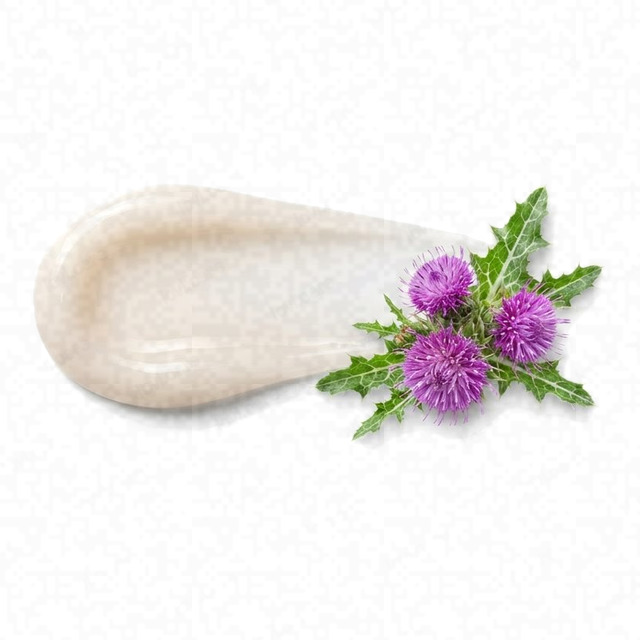 Silymarin |
Works well | Use them together in the morning, putting on vitamin C first and silymarin right after, because they help each other fight skin damage. Vitamin C and silymarin |
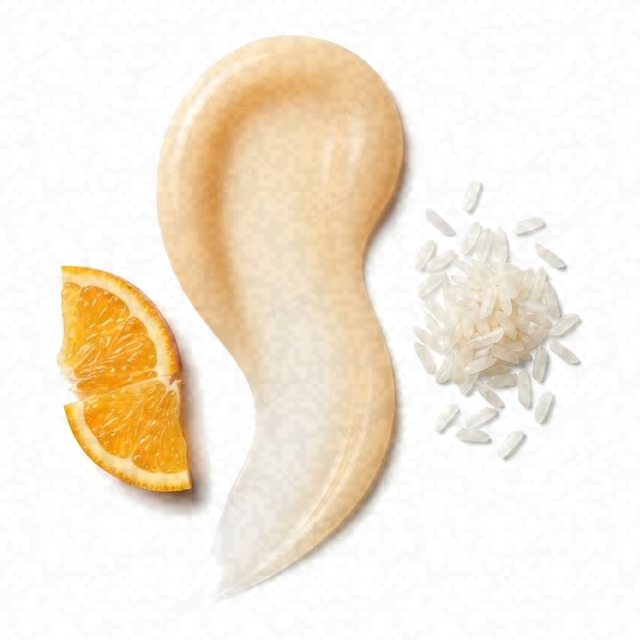 Ferulic acid |
Works well | Use them together in the morning, because they boost each other to protect your skin from daily damage. Vitamin C and ferulic acid |
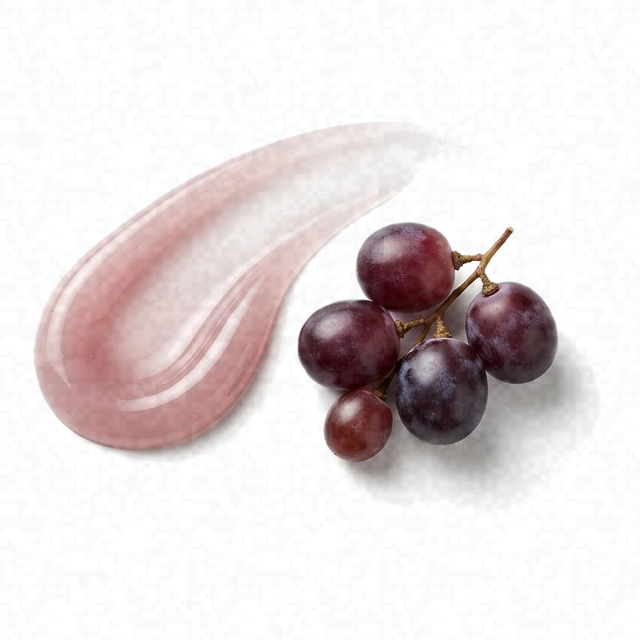 Resveratrol |
Works well | Use them together in your morning routine by applying vitamin C first and resveratrol right after to boost your glow. Vitamin C and resveratrol |
 Vitamin E |
Works well | Use them together in the morning, applying vitamin C first and vitamin E right after, because they boost each other's sun-protecting power. Vitamin C and vitamin E |
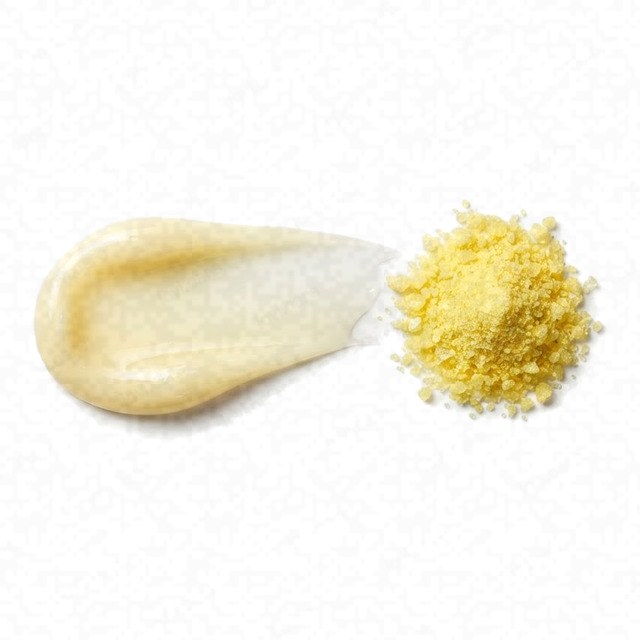 Rutin |
Works well | Use them together in your morning routine by applying vitamin C first and rutin second to boost your glow. Vitamin C and rutin |
 Baicalin |
Works well | Use them together in the morning, putting on vitamin C first and baicalin right after, to boost your glow and protect your skin. Vitamin C and baicalin |
 Ellagic acid |
Works well | Use them together in the morning, because ellagic acid helps vitamin C work better and stay stable on the skin. Vitamin C and ellagic acid |
 Gluconolactone |
Works well | Use them together in the same routine, applying vitamin C first and gluconolactone second, because mild acids help vitamin C absorb better. Vitamin C and gluconolactone |
 Caffeic acid |
Works well | Use them together in your morning routine, because they boost each other to brighten skin and fight daily damage. Vitamin C and caffeic acid |
 Hesperidin |
Works well | Use them together in the morning, applying vitamin C first and hesperidin second, to boost your skin protection. Vitamin C and hesperidin |
 Hyaluronic acid |
Works well | Use them together by applying the hyaluronic acid right after the vitamin C, because the extra moisture calms any stinging. Vitamin C and hyaluronic acid |
 Lactobionic acid |
Works well | Use them together in the morning because the acid helps the vitamin C soak in better. Vitamin C and lactobionic acid |
 Chrysin |
Works well | Use them together in your morning routine, applying Vitamin C first and chrysin second, because these antioxidants boost each other. Vitamin C and chrysin |
 Oxyresveratrol |
Works well | Use them together in your morning routine, applying Vitamin C first and oxyresveratrol right after to boost your glow. Vitamin C and oxyresveratrol |
 Pterostilbene |
Works well | Use them together in the morning, putting vitamin C on first. Vitamin C and pterostilbene |
 Phloretin |
Works well | Use them together in the morning, applying vitamin C first and phloretin right after, for extra antioxidant protection and a brighter glow. Vitamin C and phloretin |
 Troxerutin |
Works well | Use them together in the morning, applying vitamin C first and troxerutin right after, because they boost each other. Vitamin C and troxerutin |
 Hexapeptide |
Depends | Apply vitamin C in the morning and hexapeptide at night because mixing them reduces their effectiveness. Vitamin C and hexapeptide |
 Acetyl hexapeptide-3 |
Depends | Apply vitamin C in the morning and acetyl hexapeptide-3 at night, because combining them in the same routine makes them less effective. Vitamin C and acetyl hexapeptide-3 |
 Hexapeptide-9 |
Depends | Apply your vitamin C in the morning and your hexapeptide-9 at night, because mixing them together can make them less effective. Vitamin C and hexapeptide-9 |
 Palmitoyl pentapeptide-4 |
Depends | Use them at different times of day, with vitamin C in the morning and the peptide in the evening, because they cancel each other out. Vitamin C and palmitoyl pentapeptide-4 |
 Palmitoyl tripeptide-1 |
Depends | Apply vitamin C in the morning and palmitoyl tripeptide-1 at night, because copper complexes can oxidize ascorbate and reduce peptide efficacy. Vitamin C and palmitoyl tripeptide-1 |
 Adapalene |
Keep apart | Use them at different times of day with vitamin C in the morning and adapalene at night, because combining them causes skin irritation. Vitamin C and adapalene |
 Benzoyl peroxide |
Keep apart | Use them at different times of day with Vitamin C in the morning and benzoyl peroxide at night, because they cancel each other out. Vitamin C and benzoyl peroxide |
 Retinol |
Keep apart | Use them at different times of day with Vitamin C in the morning and retinol at night, because combining them causes skin irritation. Vitamin C and retinol |
 Salicylic acid |
Keep apart | Use vitamin C in the morning and salicylic acid at night to prevent skin irritation. Vitamin C and salicylic acid |
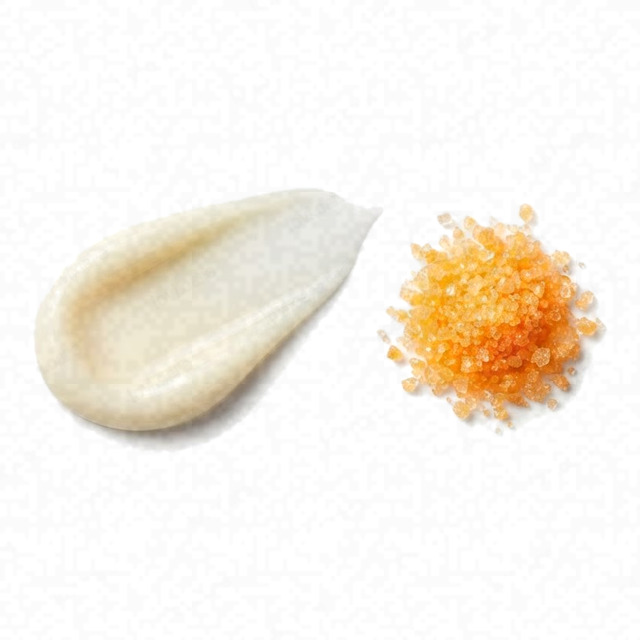 Tretinoin |
Keep apart | Use vitamin C in the morning and tretinoin at night to prevent irritation. Vitamin C and tretinoin |
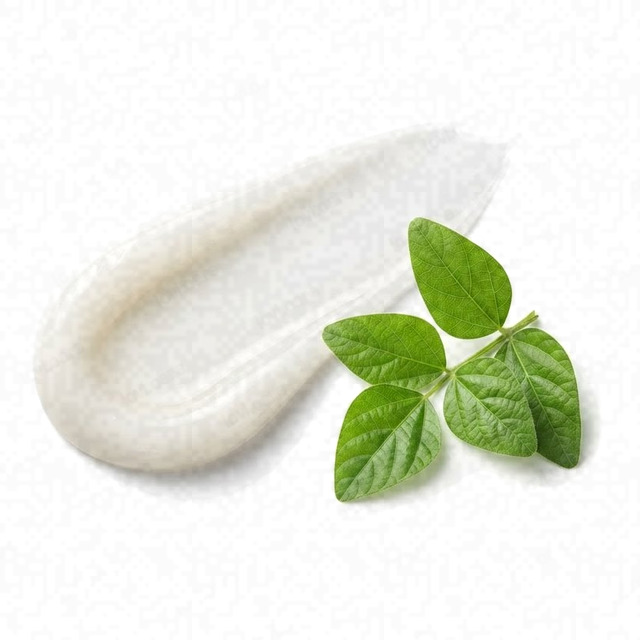 Bio-placenta peptides |
Keep apart | Apply vitamin C in the morning and bio-placenta peptides at night to prevent them from canceling each other out. Vitamin C and bio-placenta peptides |
 Pro-retinol |
Keep apart | Use vitamin C in the morning and pro-retinol at night, because combining them causes too much skin irritation. Vitamin C and pro-retinol |
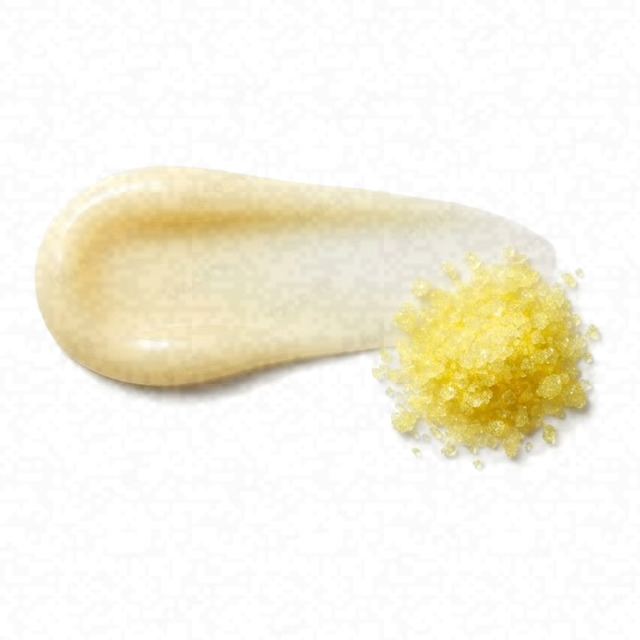 Retinal |
Keep apart | Use them at different times of day with vitamin C in the morning and retinal at night because combining them causes skin irritation. Vitamin C and retinal |
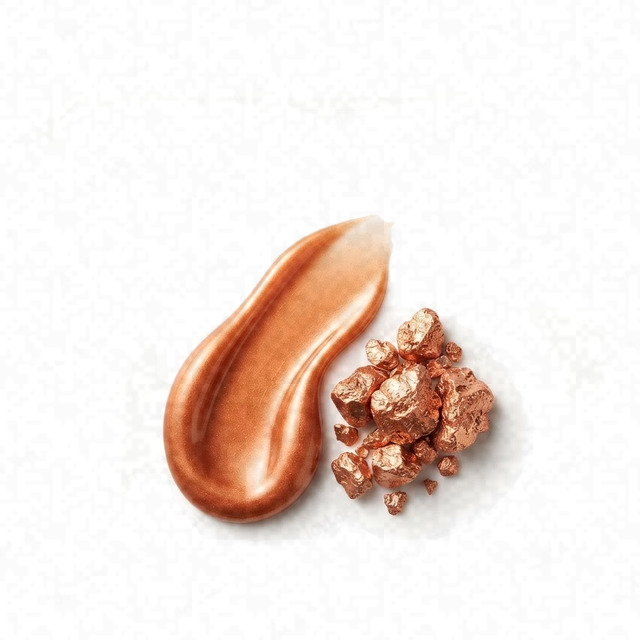 Copper |
Keep apart | Apply vitamin C in the morning and copper peptides at night, because combining them directly makes both ingredients less effective on skin. Vitamin C and copper |
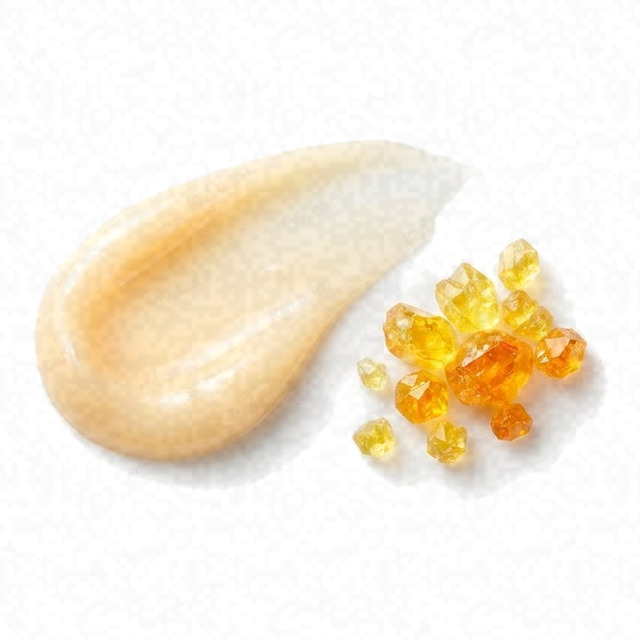 Retinoid blend |
Keep apart | Use them at different times of day by applying vitamin C in the morning and retinol at night, because combining them causes skin irritation. Vitamin C and retinoid blend |
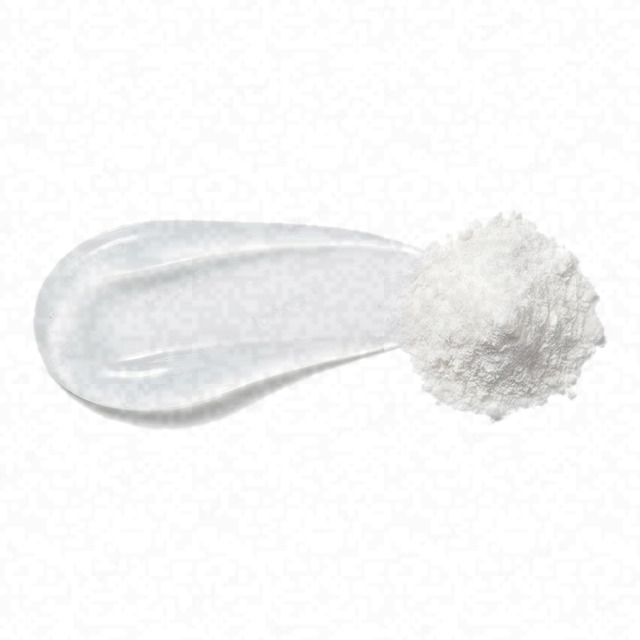 Polyvinyl alcohol |
Keep apart | Apply them at different times of day, using vitamin C in the morning and polyvinyl alcohol at night, because alcohol makes vitamin C less effective. Vitamin C and polyvinyl alcohol |
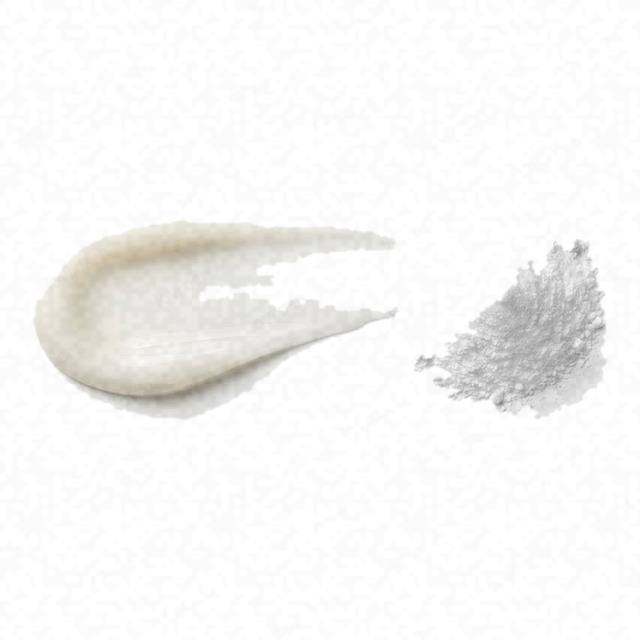 Bleach |
Keep apart | Use them at different times of day, applying vitamin C in the morning and bleach at night, because they cancel each other out. Vitamin C and bleach |
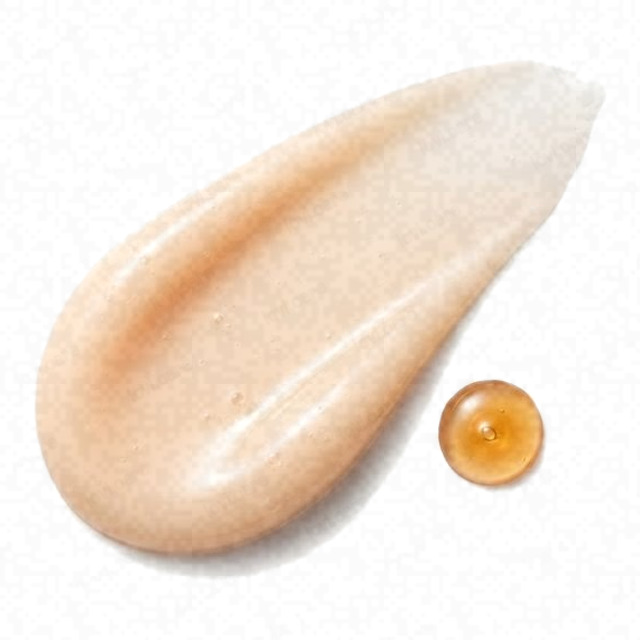 Granactive retinoid |
Keep apart | Use vitamin C in the morning and granactive retinoid at night, because combining them in the same routine causes skin irritation. Vitamin C and granactive retinoid |
 Hydroxypinacolone retinoate |
Keep apart | Use them at different times of day, applying vitamin C in the morning and hydroxypinacolone retinoate at night, because combining them causes skin irritation. Vitamin C and hydroxypinacolone retinoate |
 Potassium hydroxide |
Keep apart | Use them at different times of day with vitamin C first, because mixing them makes the vitamin C spoil and stop working. Vitamin C and potassium hydroxide |
 Collagen peptide |
Keep apart | Apply vitamin C in the morning and collagen peptides at night, because combining them directly causes the vitamin C to break down and become less effective. Vitamin C and collagen peptide |
 Copper peptide |
Keep apart | Apply vitamin C in the morning and copper peptides at night, because combining them makes both ingredients less effective. Vitamin C and copper peptide |
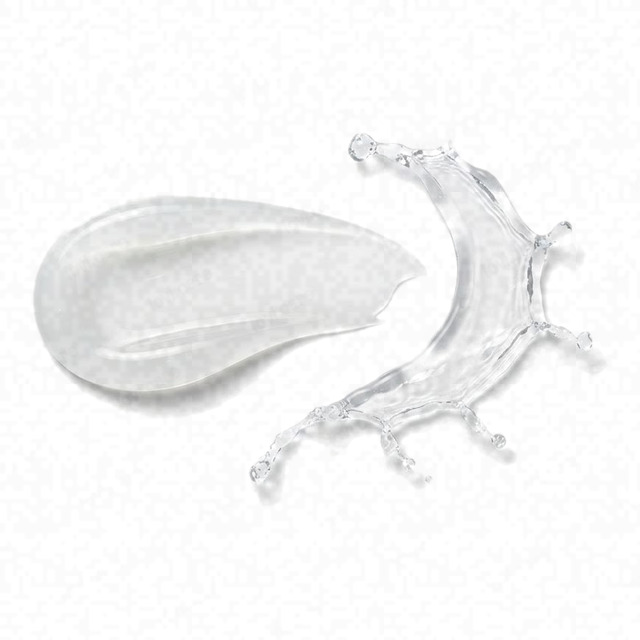 Isopropyl alcohol |
Keep apart | Apply vitamin C in the morning and the high alcohol product at night, because combining them causes excessive dryness and irritation. Vitamin C and isopropyl alcohol |
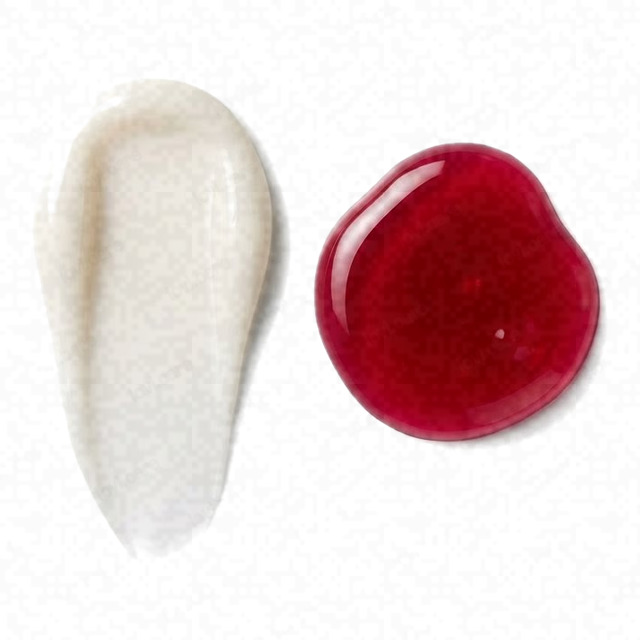 Peptide-rich plasma |
Keep apart | Apply vitamin C in the morning and peptide serum at night, because mixing them together makes the vitamin C less effective. Vitamin C and peptide-rich plasma |
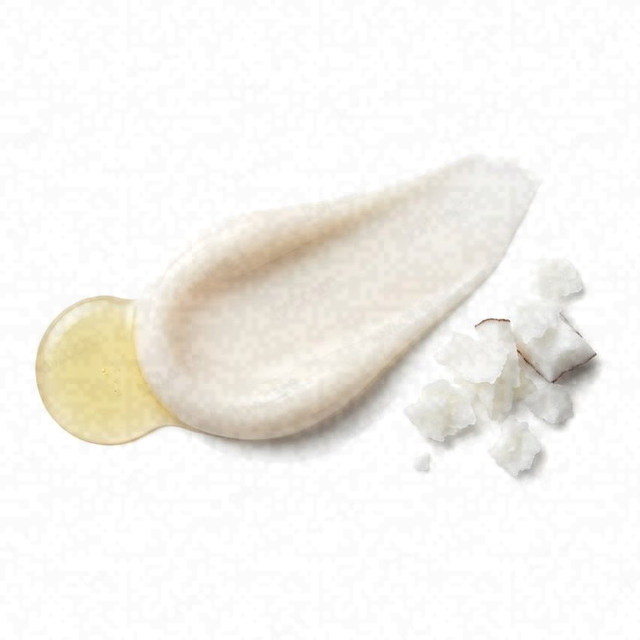 Behenyl alcohol |
Keep apart | Use them at different times of day, applying vitamin C in the morning and behenyl alcohol at night, because high alcohol dries the skin. Vitamin C and behenyl alcohol |
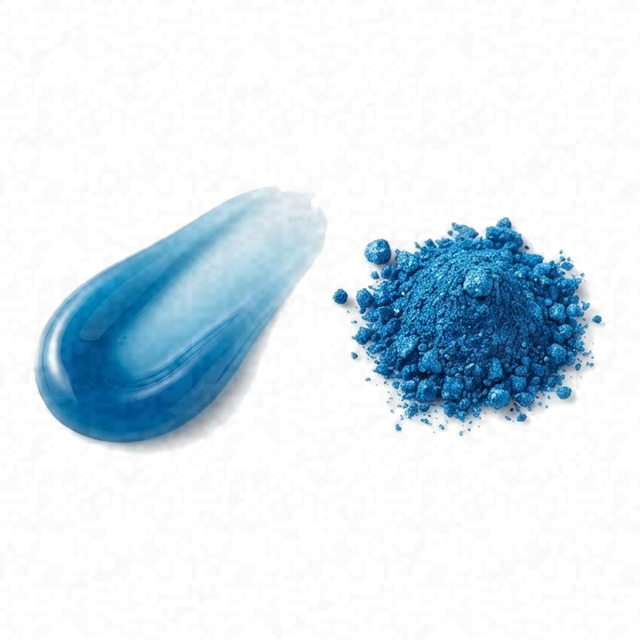 Copper complex |
Keep apart | Apply vitamin C in the morning and copper peptides at night, because mixing them makes both ingredients less effective. Vitamin C and copper complex |
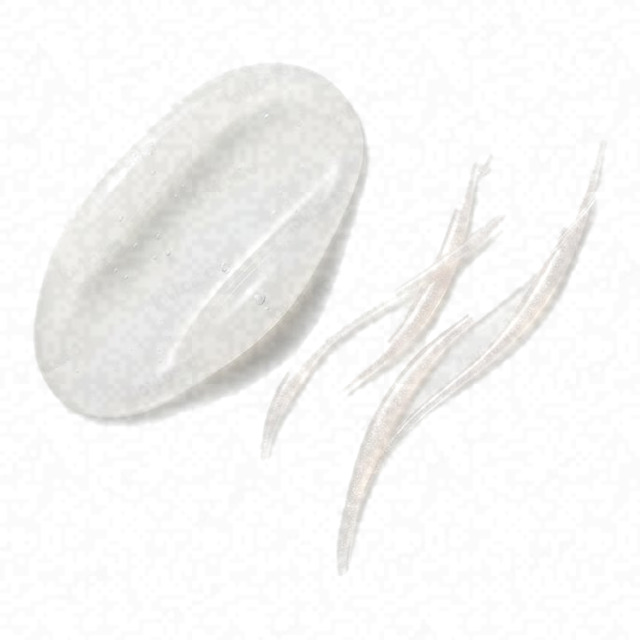 Triple peptide blend |
Keep apart | Apply vitamin C in the morning and the peptide blend at night because mixing them reduces their effectiveness. Vitamin C and triple peptide blend |
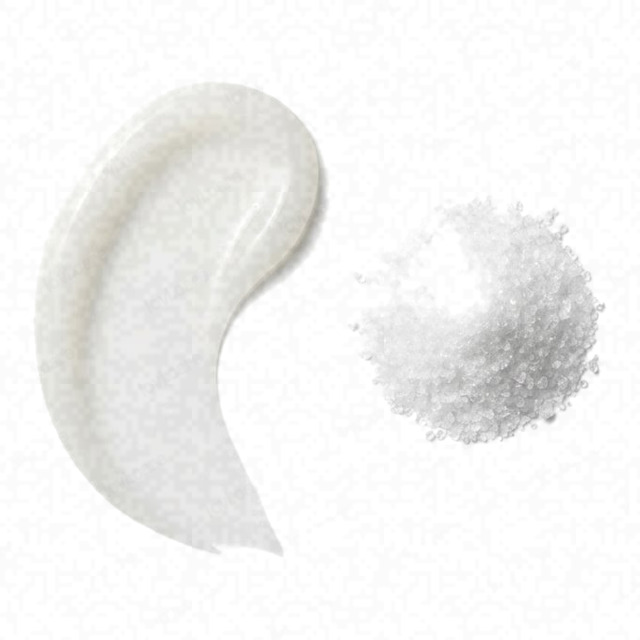 Tromethamine |
Keep apart | Apply them at different times of day to keep them stable. Vitamin C and tromethamine |
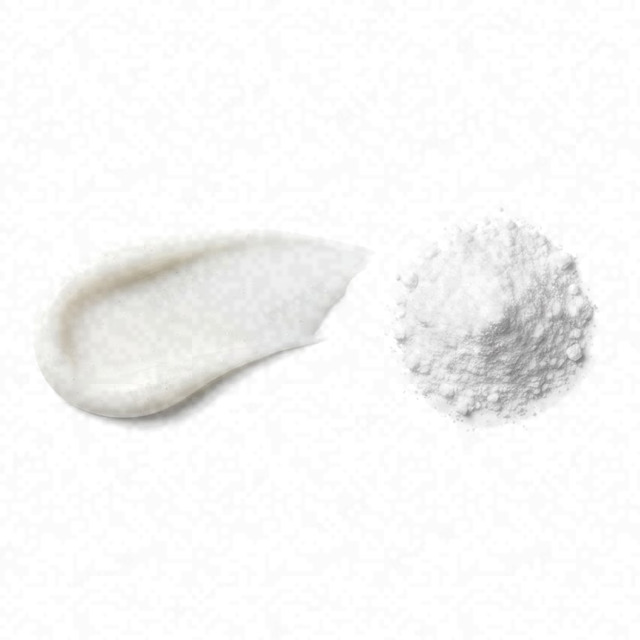 Baking soda |
Keep apart | Apply vitamin C and baking soda at different times of day, using vitamin C in the morning and baking soda later, because they cancel each other out. Vitamin C and baking soda |
From the ingredient rules behind the "Works well with" and "Don't mix with" notes on every product in the Lovi app.
Questions and answers
What does vitamin C do for the skin?
Vitamin C helps improve skin color, elasticity, and radiance while reducing the look of wrinkles and dark spots. It may also provide photoprotection and support the skin's natural repair.
Experimental Dermatology, 2003Journal of Cosmetic Dermatology, 2020
How do you use vitamin C?
You can use vitamin C in your morning routine by applying it first and following it right after with compatible antioxidants like ferulic acid, vitamin E, or resveratrol to boost your daily skin protection and glow.
Should you use vitamin C in the morning or at night?
You should use vitamin C in the morning, because it helps protect your skin from daily damage and environmental stressors.
Experimental Dermatology, 2003Journal of Cosmetic Dermatology, 2012
Can you use vitamin C every day?
Yes, you can use vitamin C every day to help brighten your skin, reduce wrinkles, and protect against daily damage. Consistent daily use effectively improves skin elasticity and tone over time.
Does vitamin C cause purging or irritation?
Vitamin C is unlikely to cause purging, but combining it with certain active ingredients like retinoids or acids may cause skin irritation. Therefore, it is best to use them at different times of day.
Which skin types is vitamin C best for?
Vitamin C is suitable for all skin types, with specific products rated as a Superior fit across dry, oily, combination, sensitive, acne-prone, and mature skin. For instance, La Roche-Posay Pure Vitamin C Cream is a Superior fit for dry skin, while BABOR Enzyme Cleanser is a Superior fit for oily, sensitive, acne-prone, and mature skin.
Can you use vitamin C with silymarin?
Yes, you can use vitamin C and silymarin together in the morning by applying vitamin C first and silymarin right after, because they help each other fight skin damage.
Can you use vitamin C with adapalene?
You should not use vitamin C and adapalene together, because combining them causes skin irritation. Use them at different times of day with vitamin C in the morning and adapalene at night.
Research on vitamin C
Stability, transdermal penetration, and cutaneous effects of ascorbic acid and its derivatives
Effects of ascorbic acid on gingival melanin pigmentation in vitro and in vivo
Ascorbic Acid Treatments as Effective and Safe Anti-Aging Therapies for Sensitive Skin
Efficacy of ethyl ascorbyl ether-containing cosmetic cream on blue light-induced skin changes
Moisturizing potentials of ascorbyl palmitate and calcium ascorbate in various topical formulations
Liposomal formulation of a vitamin C derivative: a promising strategy to increase skin permeability
Treatment with Ascorbyl Glucoside-Arginine Complex Ameliorates Solar Lentigos
Behind this ingredient guide
Lovi checks every ingredient with brand-independent rules our dermatologists and cosmetic chemists build and review, and personalizes every pick with AI trained on the real results of millions of users. Lovi trains its fit score models on a proprietary dataset built from more than 10,000 expert-labeled products and more than 100,000 simulated examples, following an internally consistent methodology presented at Cosmoprof, AMWC, and Skin of Color Update.
-

Co-founder, Medical Director
Cosmetic chemist, cosmetologist, aesthetic products developer
-

Co-founder, CEO and CTO
PhD in computer science, 3x US patent holder, ex-Google, ex-Yandex
-

Dr. Sofía Perea Pérez, MD, MSc
Medical Board
Aesthetic medicine practitioner, MSc in Longevity and Anti-Aging Medicine
-

Medical Board
Specialist dermatologist, MBBS, MD, IFAAD
-

Medical Board
Cosmetic chemist, SCS, IFSCC member
-

Medical Board, Medical Advisor
Dermatology MD
-

Elina Nazarenko, MD
Medical Board
Dermatology and diagnostic consultant
-

Victoria Derkova, MS
Medical Board
Cosmetic chemist, cosmetic development technologist
How does it fit your skin?
Scan your face, then any product: Lovi shows how well it fits you and what fits even better.


