The Ordinary 100% Organic Cold-Pressed Rose Hip Seed Oil for acne-prone skin

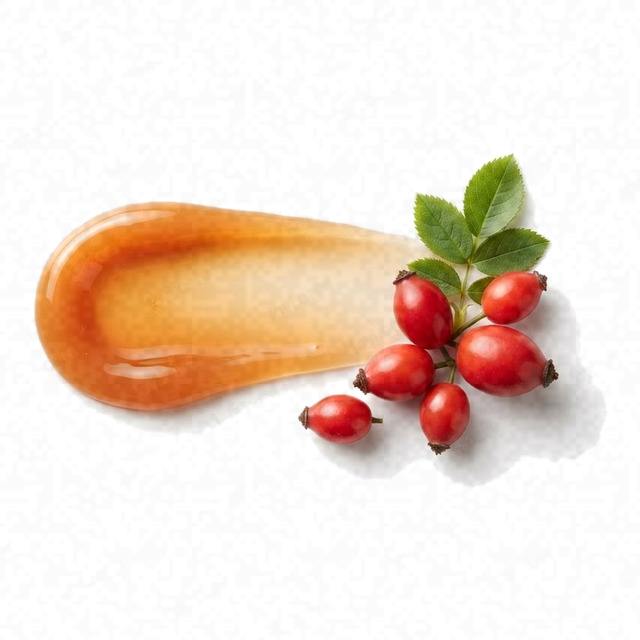 Rosa Canina Seed Oil
Average
- AverageCombination Skin Fit
- AverageEffectiveness
- ExcellentSafety
Works for acne-prone skin; other moisturizers fit it better.
This fit is calculated for the concerns frequently associated with acne-prone skin: breakouts, blackheads, and post-acne marks. For scores and recommendations based on your full skin profile, including your 12D face scan results and any goals or preferences you have, please use the Lovi app.
Page built Nov 8, 2026How the Fit score works
Lovi Assistant explains
- Offers moderate moisturizing for your combination skin, as Rosa Canina Seed Oil provides hydration and smooths texture, but it lacks targeted ingredients to effectively address your acne, blemishes, and breakouts.
- The emollient action of Rosa Canina Seed Oil offers moderate suitability for combination skin, though it could benefit from additional humectant ingredients for optimal hydration.
- The safety profile is excellent, with no risks of irritation for your acne-prone skin due to the absence of harsh ingredients and the presence of soothing components like Rosa Canina Seed Oil.
How to apply
- Use your moisturizer twice a day in your AM and PM routines. Apply it daily to help keep breakouts under control.
- Apply after your cleanser and toner, and make sure to use your SPF right after in the morning.
- Gently spread a small amount of moisturizer over your face using soft motions. Let it absorb into the skin for a minute before getting dressed or applying makeup.
- Apply on slightly damp skin to help lock in extra moisture. This keeps your combination skin balanced without feeling heavy.
- Avoid the eye area and do a patch test before your first use. Stop using if you feel any irritation.
People Say
★4.5Overall rating based on 12.8k+ reviewsBased on a very large amount of data, this oil is widely celebrated by users with dry and dehydrated skin for its ability to deliver deep hydration and a healthy glow without feeling overly heavy. While many credit it with fading acne scars and hyperpigmentation, reactions among acne-prone users are mixed, with some experiencing significant clearing and others reporting cystic breakouts.
Highlights
Deep hydration Mostly Mentioned
- “saved my peeling skin”
- “woke up plump”
- “no more dry patches”
- “soft and supple”
Fades scars Often Mentioned
- “lightened acne scars”
- “helped hyperpigmentation”
- “evened skin tone”
- “spots are fading”
Imparts radiance Often Mentioned
- “healthy glow”
- “glass skin effect”
- “brightens dullness”
- “radiant morning face”
Unpleasant scent Often Mentioned
- “smells like fish”
- “earthy/dirt smell”
- “rotten salad scent”
- “rancid odor”
Great value Sometimes Noted
- “unbeatable price”
- “lasts forever”
- “affordable staple”
- “better than expensive oils”
Causes breakouts Sometimes Noted
- “gave me cystic acne”
- “clogged my pores”
- “caused whiteheads”
- “bad reaction”
Greasy absorption Rarely Noted
- “sits on top”
- “too oily”
- “didn't sink in”
- “grease ball”
Staining issue Rarely Noted
- “stained my pillowcase”
- “turned face orange”
- “yellow residue”
- “ruined sheets”
Sources: lovi.care, sephora.com, ulta.com, lookfantastic.com, influenster.com, theordinary.com, and more
Questions and answers
How well does The Ordinary Rose Hip Seed Oil work for acne-prone skin?
This oil works moderately well for acne-prone skin, providing hydration and a smooth texture, but it lacks targeted ingredients to actively clear breakouts. Because it is free of harsh ingredients, it is unlikely to cause irritation and feels very gentle on your skin. To work best for acne-prone skin, this type of product needs targeted blemish-fighting ingredients and hydrating humectants.
Which ingredients make this oil a good fit for acne-prone skin?
Rosa Canina Seed Oil and rosehip seed oil make this oil a good fit for acne-prone skin by providing gentle hydration and smoothing texture without irritation. However, a product of this type needs targeted ingredients that directly address acne and blemishes, plus hydrating agents to achieve a better fit for your skin.
What does Rosehip Seed Oil do for acne-prone skin?
Rosehip seed oil helps acne-prone skin by providing linoleic acid, which may reduce the size of microcomedones and clogged pores. It is also well-tolerated and unlikely to cause irritation when used in your daily routine.
Where does this oil go in a skincare routine for acne-prone skin?
This oil fits into an acne-prone routine as an evening treatment applied after cleansing and toning, and before your moisturizer. Because it lacks targeted blemish-fighting ingredients, an acne-prone skin type also needs ingredients like niacinamide or other specific actives to properly address breakouts and blemishes.
Can I use it with retinol, and in what order?
You can use this moisturizing treatment with retinol by applying the oil after your retinol to help seal in moisture and keep your skin soft. A product of this type works well for acne-prone skin when it also includes ingredients that clear blemishes and draw in extra moisture.
How often should I use this oil?
This oil fits well into the evening routine step for acne-prone skin, where it may be applied daily to help moisturize and smooth texture. Because it lacks targeted ingredients for breakouts, this skin type also needs products with active ingredients that specifically clear blemishes and additional humectant ingredients for optimal hydration.
Can it clog pores, cause breakouts or purging for acne-prone skin?
This oil may cause breakouts for some people with acne-prone skin, as reviewers moderately complain about it and the formula lacks targeted ingredients to help with acne and blemishes. However, it has an excellent safety profile with no harsh ingredients, meaning it is unlikely to cause irritation.
Can I use this oil around the eyes or on my body?
You can safely use this oil around the eyes and on your body because its gentle formula is unlikely to cause irritation. Rose hip seed oil absorbs well into the skin and helps keep it soft and smooth.
What the research says
Sunflower and rosehip oil nanoemulsions prepared with a mix of phospholipids and synthetic emulsifiers permeated intact skin to the dermis and showed a more prominent healing effect in a human organotypic skin explant culture wound model compared to nanoemulsions prepared only with phospholipids.
Pharmaceutics, 2023Topical treatments containing rosehip extract may reduce the size and erythema of postsurgical scars through macrophage polarization and inflammatory cytokine inhibition, though current clinical evidence remains insufficient to recommend its routine use.
Journal of Cosmetic Dermatology, 2024A nanoemulsion containing 1 mg/mL kojic dipalmitate and 5% rosehip oil demonstrated high incorporation efficiency, suitable physicochemical stability, antioxidant and depigmenting efficacy close to 1 mM ascorbic acid, and no cytotoxicity at concentrations from 0.06% to 1% in vitro.
Pharmaceutics, 2023Topical treatment with rosehip seed oil stimulates hair growth in telogenic C57BL/6 mice by inducing the early transition of hair follicles from the telogen to the anagen phase and upregulating hair growth-associated genes.
Preventive Nutrition and Food Science, 2023
Why other moisturizers fit acne-prone skin better
Co-delivery of paeonol and madecassoside via nanoemulsions improved transdermal delivery, promoted barrier repair proteins, inhibited inflammatory cytokine secretion in cellular and 3D models, and reduced transepidermal water loss and acne in human facial skin compared to free components.
Molecules, 2023A panthenol-enriched mask improved skin hydration, regulated sebum, and reduced redness and TEWL across dry sensitive, oily sensitive, and oily acne skin subgroups with excellent tolerance and no adverse reactions.
Journal of Cosmetic Dermatology, 2024A facial serum containing snail secretion filtrate, Calendula officinalis, and Glycyrrhiza glabra root extract significantly reduced inflammatory acne lesions compared to placebo in 66 participants with mild-to-moderate maskne over 12 weeks.
Journal of Cosmetic Dermatology, 2022
Ingredients
Behind this fit score
Lovi calculates every fit score from the full ingredient list with brand-independent rules our dermatologists and cosmetic chemists build and review, and personalizes every pick with AI trained on the real results of millions of users. Lovi trains its fit score models on a proprietary dataset built from more than 10,000 expert-labeled products and more than 100,000 simulated examples, following an internally consistent methodology presented at Cosmoprof, AMWC, and Skin of Color Update.
-

Co-founder, Medical Director
Cosmetic chemist, cosmetologist, aesthetic products developer
-

Co-founder, CEO and CTO
PhD in computer science, 3x US patent holder, ex-Google, ex-Yandex
-

Dr. Sofía Perea Pérez, MD, MSc
Medical Board
Aesthetic medicine practitioner, MSc in Longevity and Anti-Aging Medicine
-

Medical Board
Specialist dermatologist, MBBS, MD, IFAAD
-

Medical Board
Cosmetic chemist, SCS, IFSCC member
-

Medical Board, Medical Advisor
Dermatology MD
-

Elina Nazarenko, MD
Medical Board
Dermatology and diagnostic consultant
-

Victoria Derkova, MS
Medical Board
Cosmetic chemist, cosmetic development technologist


How does it fit your skin?
Scan your face, then any product: Lovi shows how well it fits you and what fits even better.