The INKEY List Glycolic Acid Toner for acne-prone skin

 Glycolic Acid
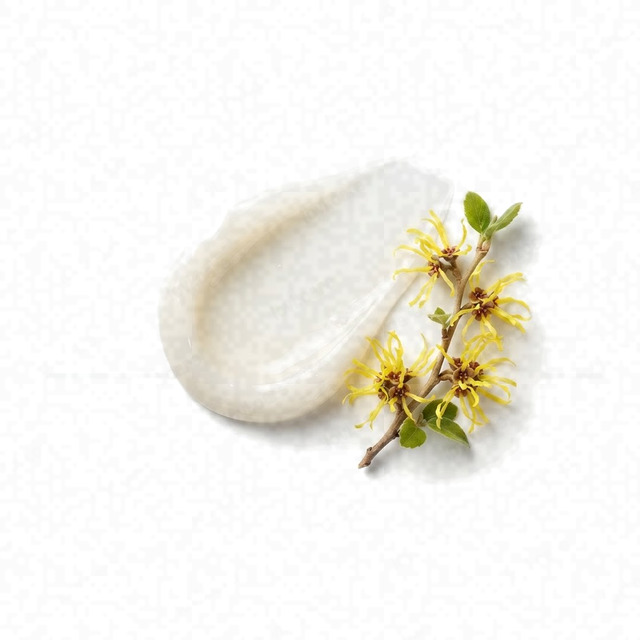 Witch Hazel
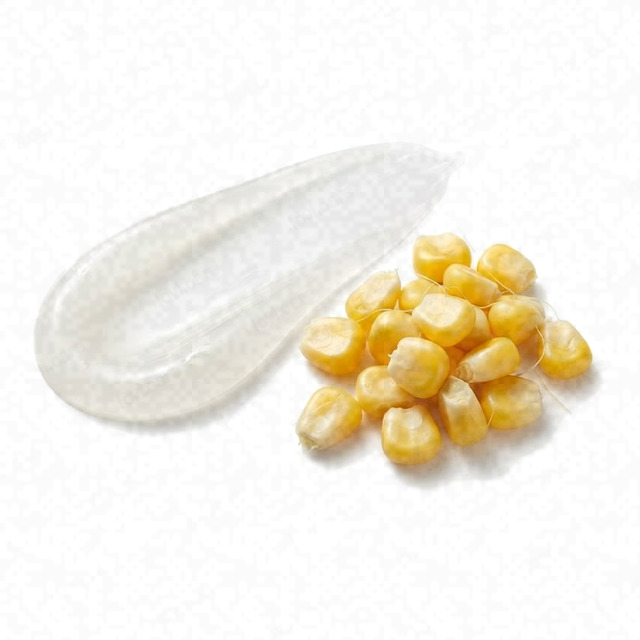 Propanediol
 Butylene Glycol
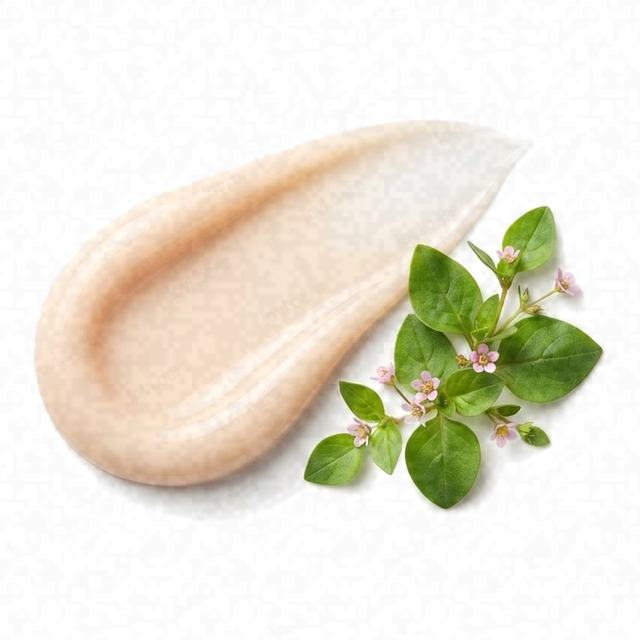 Boerhavia Diffusa Root Extract
Average
- HighCombination Skin Fit
- AverageEffectiveness
- HighSafety
Works for acne-prone skin; other toners fit it better.
- Clinical, Cosmetic and Investigational Dermatology, 2019
- International Journal of Cosmetic Science, 2024
This fit is calculated for the concerns frequently associated with acne-prone skin: breakouts, blackheads, and post-acne marks. For scores and recommendations based on your full skin profile, including your 12D face scan results and any goals or preferences you have, please use the Lovi app.
Page built Nov 8, 2026How the Fit score works
Lovi Assistant explains
- Offers moderate exfoliation for your combination skin due to glycolic acid, which helps smooth texture and witch hazel water provides astringent properties, but it does not specifically target your acne, blemishes, and breakouts.
- While the formula is safe for your combination skin with no risks of irritation, the general skincare benefits are supportive rather than focused on your primary concerns.
- The safety profile is excellent, with no harsh ingredients that could cause irritation for your combination skin.
How to apply
- You can use this exfoliating toner in your PM routine. Start by using it 1 time per week and increase slowly if your skin is happy.
- Apply your exfoliating toner right after cleansing and before your moisturizing steps. This helps your skin stay clean and clear.
- Gently press 2-3 drops of the exfoliating toner into your skin with your hands. Avoid rubbing to keep your face calm.
- Apply the exfoliating toner on clean and dry skin for the best comfort. Let it dry for a minute ⏱ before moving on.
- Always do a patch test before your first use and avoid putting the product too close to your eyes.
People Say
★4.6Overall rating based on 200+ reviewsUsers frequently praise this toner as a potent and affordable exfoliant that effectively smooths rough texture and minimizes the appearance of pores, particularly for oily or congestion-prone skin. Due to its high 10% glycolic acid concentration, it is often described as too harsh for sensitive skin types, with some users reporting stinging or irritation.
Highlights
Smoother skin texture Mostly Mentioned
- “skin has never been softer”
- “smooths out rough skin”
- “resurfacing effect is noticeable”
Great value Often Mentioned
- “great affordable option”
- “good value”
- “lasts for ages”
Reduces pores & acne Often Mentioned
- “got rid of my bacne”
- “clears blackheads effectively”
- “pores look smaller”
Brightens complexion Sometimes Noted
- “radiant glow”
- “brighter and shinier”
- “glow skin in next day”
Irritation and stinging Sometimes Noted
- “felt really irritated”
- “turned red”
- “feels a bit stingy”
Too strong/drying Sometimes Noted
- “too strong for my face”
- “skin hated it”
- “drying to the surface”
Purging/Breakouts Rarely Noted
- “worsened my acne”
- “breakout purging”
- “caused reaction”
Small packaging Rarely Noted
- “bottle is a little small”
- “wish it was bigger”
Sources: lovi.care, sephora.com, cultbeauty.com, boots.com, lookfantastic.com, reddit.com, and more
Questions and answers
How well does The INKEY List Glycolic Acid Toner work for acne-prone skin?
This toner works reasonably well for acne-prone skin by offering moderate exfoliation to help smooth texture, but it does not specifically target blemishes and breakouts. To truly fit this skin well, a product of this type needs effective exfoliating ingredients that address acne without irritation, alongside soothing properties and oil control.
Clinical, Cosmetic and Investigational Dermatology, 2019Phytochemistry, 2001
Which ingredients make this toner a good fit for acne-prone skin?
Glycolic acid and witch hazel water help smooth texture and provide astringent properties, though this toner does not specifically target acne, blemishes, and breakouts. An exfoliating toner for acne-prone skin needs ingredients like salicylic acid and willow BHA that clear pores, control oil, and calm the skin.
Clinical, Cosmetic and Investigational Dermatology, 2019Phytochemistry, 2001
What does Glycolic Acid do for acne-prone skin?
Glycolic acid helps clear acne-prone skin by reducing pimples and breakouts. It also helps fade dark spots left behind by acne and controls skin oiliness, with very few side effects when used properly.
Journal of Cosmetic Dermatology, 2021Dermatologic Surgery, 2014
What does Witch Hazel do for acne-prone skin?
Witch Hazel helps calm acne-prone skin by reducing redness and soothing irritated areas. Studies show that its bark extract may help lower inflammation tied to breakouts while being gentle on the skin.
Where does this toner go in a skincare routine for acne-prone skin?
This exfoliating toner fits into an acne-prone routine as an exfoliating step starting once a week, and those who tolerate it well may carefully use it more often. Because this product offers general support rather than targeting breakouts directly, acne-prone skin needs products with blemish-fighting ingredients and targeted blemish treatments instead.
Can I use this toner with retinol, and in what order?
You can use this toner with retinol on alternating nights rather than the same time, because applying two strong treatments together may cause irritation. For acne-prone skin, a product of this type needs targeted ingredients like salicylic acid or benzoyl peroxide to directly clear breakouts.
How often should I use this toner?
Start using this toner once a week to see how your skin reacts, and if you tolerate it well and get good results, you can carefully use it more often. This approach helps you avoid irritation while giving your skin time to adjust to the exfoliating ingredients.
Can this toner clog pores, cause breakouts or purging for acne-prone skin?
This toner is unlikely to clog pores or cause major breakouts, though it carries a low likelihood of purging for acne-prone skin. Because it does not specifically target active blemishes, acne-prone skin often needs products that feature targeted blemish-fighting ingredients and gentle soothing agents to properly manage breakouts.
Is this toner fragrance-free and alcohol-free?
It has no fragrance and contains drying alcohol (alcohol).
What the research says
Glycolic acid, salicylic acid, gluconolactone, and licochalcone A combined with 0.1% adapalene showed no hindrance compared to adapalene monotherapy and provided benefits in reducing complications in 25 subjects with mild-to-moderate acne vulgaris.
Clinical, Cosmetic and Investigational Dermatology, 2019Topical application of 1,3-propanediol at various concentrations, alone or combined with butylene glycol and/or glycerol, increased skin hydration and reduced trans epidermal water loss in 30 healthy female subjects over an 8-hour period, with the 15% concentration and the addition of glycerol providing greater benefits.
International Journal of Cosmetic Science, 2024Sustainable cosmetic products formulated with renewable PDO-based emulsifiers showed equivalent performance in sensory and moisturization evaluations compared to those formulated with petroleum-derived PEG-based emulsifiers.
Journal of Cosmetic Science, 2017Hamamelis bark proanthocyanidins strongly increased the proliferation of cultured human keratinocytes and reduced transepidermal water loss and erythema formation in SLS-irritated skin, whereas the polysaccharide fraction had no effect.
Phytochemistry, 2001Repeated short-contact 70% glycolic acid peels provided superior results in atrophic acne scars compared to daily low-strength glycolic acid cream or placebo in 58 women over 24 weeks.
International Journal of Dermatology, 2000Serial glycolic acid peels combined with a modified Kligman formula significantly reduced facial PIH severity in Indian patients compared to the modified Kligman formula alone.
Dermatologic Surgery, 2017A Hamamelis virginiana leaf extract increased LOXL1 expression twofold, decreased elafin synthesis, restored functional elastic fibers, reduced nonfunctional elastin aggregates, decreased wrinkles, and improved skin firmness.
Journal of Cosmetic Science, 2018Witch hazel bark extract and hamamelitannin showed pronounced anti-inflammatory activity, supported keratinocyte migration in a wound healing assay, and inhibited Staphylococcus aureus growth, whereas their skin microbiota metabolite ellagic acid stimulated inflammatory mediator release.
Journal of Ethnopharmacology, 2025Hamamelis virginiana bark extract inhibited Cutibacterium acnes-induced IL-6 release and TNF-α-induced IL-8 release in human keratinocytes without showing antibacterial or antibiofilm activities.
Antioxidants, 2022A mixture of propanediol, xylitol, and caprylic acid demonstrated in vitro antimicrobial activity against C. acnes and S. aureus, reduced 5-alpha reductase expression, and decreased skin oiliness, porphyrin, and inflammatory lesions in participants over 28 days.
Molecules, 2021
Why other toners fit acne-prone skin better
A 30% supramolecular salicylic acid peel improved the global acne grading score and skin barrier indicators, decreased cutaneous microbiome richness and evenness along with Staphylococcus proportion, reduced inflammatory cytokines, and increased caveolin-1 expression in 28 patients with moderate-to-severe acne vulgaris.
Dermatology and Therapy, 2023A moisturizer containing licochalcone A, 1,2-decanediol, L-carnitine, and salicylic acid significantly reduced noninflammatory, inflammatory, and total acne lesion counts compared to a vehicle control in Thai patients during a 12-week maintenance phase.
BioMed Research International, 2020A novel emulsion containing niacinamide, lens esculenta seed extract, and white willow bark extract effectively improved acne, blackheads, and conspicuous facial pores in 30 subjects with oily skin.
Journal of Cosmetic Dermatology, 2024
Ingredients
Water, Glycolic Acid, Propanediol, Witch Hazel Water, Sodium Hydroxide, Butylene Glycol, Phenoxyethanol, Alcohol, Ppg-26-Buteth-26, Betaine, Peg-40 Hydrogenated Castor Oil, Boerhavia Diffusa Root Extract, Ethylhexylglycerin, Trisodium Ethylenediamine Disuccinate
Behind this fit score
Lovi calculates every fit score from the full ingredient list with brand-independent rules our dermatologists and cosmetic chemists build and review, and personalizes every pick with AI trained on the real results of millions of users. Lovi trains its fit score models on a proprietary dataset built from more than 10,000 expert-labeled products and more than 100,000 simulated examples, following an internally consistent methodology presented at Cosmoprof, AMWC, and Skin of Color Update.
-

Co-founder, Medical Director
Cosmetic chemist, cosmetologist, aesthetic products developer
-

Co-founder, CEO and CTO
PhD in computer science, 3x US patent holder, ex-Google, ex-Yandex
-

Dr. Sofía Perea Pérez, MD, MSc
Medical Board
Aesthetic medicine practitioner, MSc in Longevity and Anti-Aging Medicine
-

Medical Board
Specialist dermatologist, MBBS, MD, IFAAD
-

Medical Board
Cosmetic chemist, SCS, IFSCC member
-

Medical Board, Medical Advisor
Dermatology MD
-

Elina Nazarenko, MD
Medical Board
Dermatology and diagnostic consultant
-

Victoria Derkova, MS
Medical Board
Cosmetic chemist, cosmetic development technologist


How does it fit your skin?
Scan your face, then any product: Lovi shows how well it fits you and what fits even better.