No7 Pure Retinol for oily skin

 Retinol
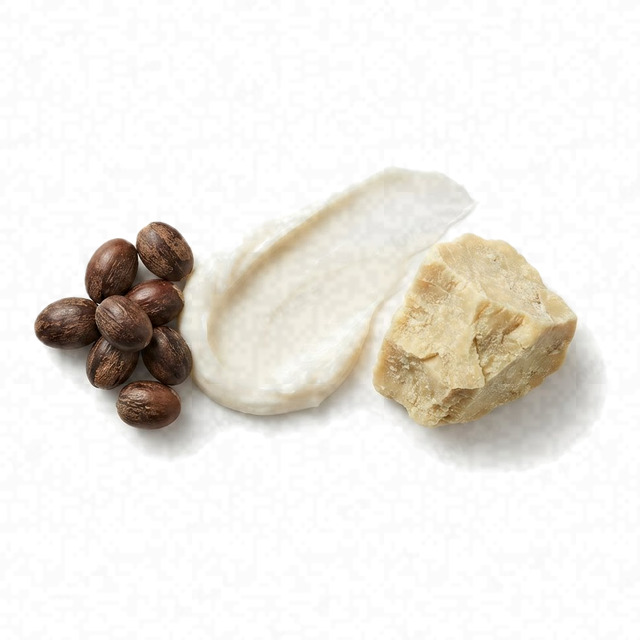 Shea Butter
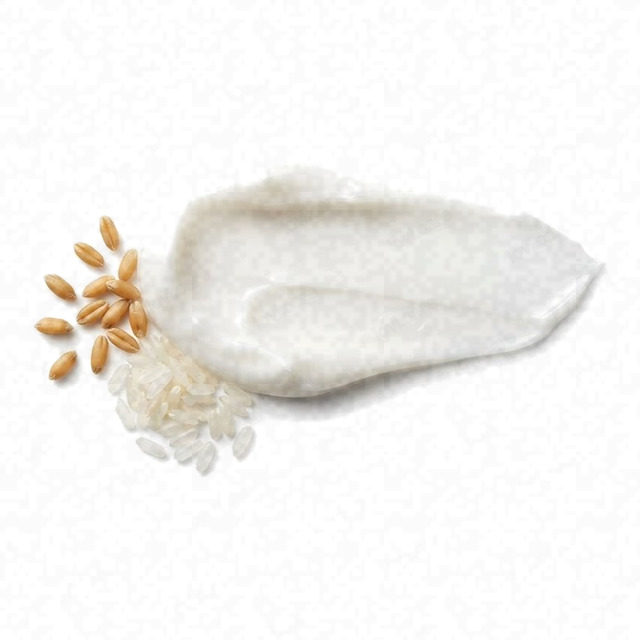 Ceramide Np
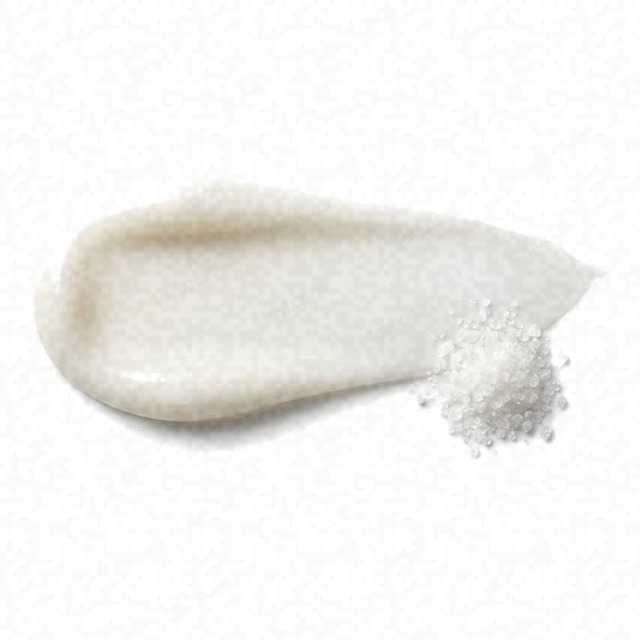 Palmitoyl Tripeptide-1
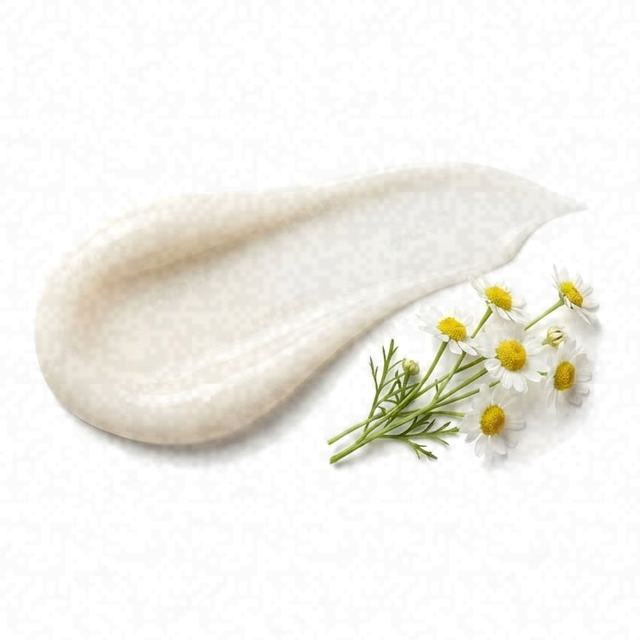 Bisabolol
Average
- AverageOily Skin Fit
- AverageEffectiveness
- HighSafety
Works for oily skin; other serums fit it better.
- International Journal of Cosmetic Science, 2017
- Clinical, Cosmetic and Investigational Dermatology, 2017
This fit is calculated for the concerns frequently associated with oily skin: shine, enlarged pores, blackheads, and blemishes. For scores and recommendations based on your full skin profile, including your 12D face scan results and any goals or preferences you have, please use the Lovi app.
Page built Nov 8, 2026How the Fit score works
Lovi Assistant explains
- Offers moderate wrinkle reduction for your oily skin due to retinol and acetyl dipeptide-1 cetyl ester, which help smooth texture and provide keratolytic action, though it lacks sufficient seboregulating ingredients to fully address oiliness.
- Glycerin and Bisabolol offer general hydration and soothing benefits that support oily shine, but are not specifically targeted for your primary concern.
- The product is safe for your oily skin, with no risks of irritation from harsh ingredients and the inclusion of soothing agents like Bisabolol.
How to apply
- Use this serum in your PM routine. Start by applying it 3 times a week and build up to daily use if your skin tolerates it well.
- Apply the serum after cleansing and toning, but right before your moisturizer for the best results.
- Gently press 2-3 drops of the serum into your skin. Let it absorb ⏱ for a minute before applying the next product.
- Apply the serum on clean and dry skin since your skin is not sensitive and you want to target oily shine. This helps control excess oil throughout the night.
- Avoid the delicate eye area and do a patch test before using the serum for the very first time.
People Say
★4.2Overall rating based on 1.5k+ reviewsBased on a very large amount of data, users report that this retinol line effectively refines skin texture and softens fine lines, with many appreciating its suitability for those new to retinoids due to gradual tolerance options. A significant number of users experience dryness and flaking, which is a common retinol side effect, suggesting a slow introduction is beneficial. Many users praise the resulting smoother complexion and radiant glow achieved with consistent use.
Highlights
Smoother skin texture Mostly Mentioned
- “skin feels velvety”
- “texture is much smoother”
- “face looks radiant and soft”
- “pores look smaller”
Non-greasy absorption Often Mentioned
- “absorbs instantly”
- “not sticky or oily”
- “glides on easily”
- “lightweight formula”
Reduces fine lines Often Mentioned
- “lines on forehead diminished”
- “crows feet look better”
- “wrinkles appear smoother”
- “softens facial lines”
Dryness and peeling Often Mentioned
- “caused flaky skin”
- “dried out my face”
- “skin peeled for weeks”
- “patches of dry skin”
Fades dark spots Sometimes Noted
- “age spots nearly disappeared”
- “pigmentation looks reduced”
- “skin tone is more even”
- “acne scars vanished”
Gentle for beginners Sometimes Noted
- “good for sensitive skin”
- “no harsh reaction”
- “gentle introduction to retinol”
- “minimal irritation compared to others”
Skin irritation Sometimes Noted
- “burned my skin”
- “caused red patches”
- “stinging sensation”
- “made my face pink”
Packaging issues Rarely Noted
- “pump stopped working”
- “hard to get product out”
- “dispenser is faulty”
- “awkward screw top”
Slow or no results Rarely Noted
- “saw no difference”
- “didn't work for deep wrinkles”
- “expensive for no results”
- “disappointed after 2 months”
Sources: lovi.care, boots.com, ulta.com, amazon.com, beautyheaven.com.au, and more
Questions and answers
How well does No7 Pure Retinol work for oily skin?
No7 No7 Pure Retinol works reasonably well for oily skin, helping smooth texture and reduce wrinkles, though it lacks oil-controlling ingredients. Treatments that fit oily skin better need ingredients like niacinamide, zinc, or ferulic acid to manage excess oil and enlarged pores.
Which ingredients make this treatment a good fit for oily skin?
Retinol and acetyl dipeptide-1 cetyl ester help smooth texture and reduce wrinkles, while glycerin and bisabolol provide general hydration and soothing benefits. However, because oily skin needs ingredients like niacinamide and zinc PCA to control excess oil and manage shine, a product of this type needs those oil-balancing benefits and ingredients to be a great fit.
What does Retinol do for oily skin?
Retinol helps oily skin by keeping pores clear and balancing sebum production, which may reduce shine and breakouts. Because it can sometimes cause dryness or peeling in the beginning, starting slowly is recommended.
What does Shea Butter do for oily skin?
Shea butter may feel too heavy for oily skin and is unlikely to be the best fit without careful testing. This skin type needs light, non-greasy moisturizers and ingredients that balance oil production without clogging pores.
Where does this treatment go in a skincare routine for oily skin?
This treatment goes in the evening routine after cleansing and toning, and before moisturizing. Oily skin works well with a treatment of this type when it also includes oil-controlling ingredients to help manage shine.
Can I use this treatment with vitamin C, and in what order?
You can use this treatment with vitamin C by applying vitamin C in your morning routine and this treatment at night, as using them at different times helps avoid irritation. This product works for your oily skin, though an oily skin routine also needs oil-controlling ingredients to manage shine.
How often should I use this treatment?
This treatment is applied in the evening. Oily skin needs a product of this type that also includes ingredients to balance oil and reduce shine.
Can this treatment clog pores, cause breakouts or purging for oily skin?
This treatment is unlikely to cause breakouts, but it may cause dryness and peeling. Oily skin works best with products that also include oil-controlling ingredients to keep pores clear.
Is this treatment fragrance-free and alcohol-free?
It contains fragrance (benzyl alcohol) and drying alcohol (alcohol denat).
What the research says
Topical 0.4% retinol significantly increased epidermal thickness, dermal vascularity, and extracellular matrix production by stimulating keratinocyte proliferation, endothelial cell proliferation, and fibroblast activation in naturally aged human skin compared to vehicle.
International Journal of Cosmetic Science, 2017A single application of a moisturizing fluid containing hyaluronic acid 1%, glycerin 5%, and Centella asiatica stem cells extract significantly increased skin hydration by 29% and reduced transepidermal water loss at 24 hours compared to baseline and an untreated control site in twenty healthy women.
Clinical, Cosmetic and Investigational Dermatology, 2017Topical bakuchiol 0.5% applied twice daily compared with retinol 0.5% applied daily significantly decreased wrinkle surface area and hyperpigmentation with no statistical difference between the compounds in 44 patients over 12 weeks, while retinol users reported more facial skin scaling and stinging.
The British Journal of Dermatology, 2019Silicone particles encapsulating retinol increased its half-life by 9-fold and yielded 12-23% lower skin irritation in human subjects compared to Microsponge particles while maintaining biological activity.
Journal of Controlled Release, 2018Topical stabilized retinol treatment induced HAS gene expression and increased hyaluronic acid production in human skin in vitro, ex vivo, and in vivo compared to vehicle.
Archives of Dermatological Research, 2017A combination cream of stimu-tex AS and saccharide isomerate reduced erythema, increased skin capacitance, and reduced transepidermal water loss compared to placebo in 20 subjects after fractional CO2 laser procedure without causing serious adverse events.
Lasers in Medical Science, 2025A skin barrier restoring cream with shea butter, silkflo, and vitamin E increased type I procollagen synthesis, enhanced antioxidant enzyme activity, decreased reactive oxygen species generation, and promoted hyaluronic acid production in H2O2-stimulated human keratinocyte cells compared to untreated cells.
International Journal of Cosmetic Science, 2025A multi-modal methodology combining MALDI-MSI, in vivo RCM, echography, and histology revealed age-related decreases in extracellular matrix and epidermal-dermal junction proteins and undulation depth, while a blend of palmitoyl oligopeptide and palmitoyl tetrapeptide-7 improved subepidermal low-echogenic band thickness, density, and extracellular matrix structure compared to placebo.
Journal of Cosmetic Dermatology, 2015Chronomodulated daytime application of baicalin and nighttime application of palmitoyl tripeptide-1 synergistically improved skin luminance by 16.29%, nasolabial fold depth by -36.35%, and firmness by 24.35% in 30 female participants.
Journal of Cosmetic Dermatology, 2026Palmitoyl tetrapeptide-7, acetyl hexapeptide-8, palmitoyl tripeptide-1, and palmitoyl tetrapeptide-10 significantly increased type III collagen levels in human dermal fibroblasts following UV exposure, with their combination demonstrating a greater effect in vitro and enhancing type I, III, and IV collagen levels in ex vivo skin tissues compared to individual components.
International Journal of Cosmetic Science, 2026Application of an alpha-bisabolol-containing cream produced a significant skin-lightening effect in pigmented skin compared to a vehicle control in the majority of female subjects after 8 weeks.
International Journal of Cosmetic Science, 2010The combination of allantoin, bisabolol, D-panthenol and dipotassium glycyrrhizinate reduces UVB-induced PGE2, inflammatory cytokines, and mitochondrial superoxide in human epidermal keratinocytes.
International Journal of Cosmetic Science, 2024
Why other serums fit oily skin better
Niacinamide and ferulic acid incorporated in a stable multiple emulsion successfully reduced melanin, sebum, and skin erythema while improving skin elasticity and hydration in human skin compared to a placebo.
BioMed Research International, 2022
Ingredients
Water, Glycerin, C12-15 Alkyl Benzoate, Cetearyl Alcohol, Steareth-21, Caprylic Capric Triglyceride, Dimethicone, Butyrospermum Parkii Butter Shea Butter, Steareth-2, Glyceryl Stearate, Polyacrylamide, Alcohol Denat, Butylene Glycol, C13-14 Isoparaffin, Phenoxyethanol, Panthenol, Caprylyl Glycol, Laureth-7, Sodium Benzoate, Bisabolol, Ethylhexylglycerin, Citric Acid, Tetrasodium Edta, Polysorbate 20, Sorbitan Laurate, Sodium Lauroyl Lactylate, Retinol, Carbomer, Inulin Lauryl Carbamate, Hydroxyethylcellulose, Acetyl Dipeptide-1 Cetyl Ester, Sucrose Laurate, Behentrimonium Chloride, Ceramide Np, Phytosphingosine, Ceramide Ap, Cholesterol, Xanthan Gum, Benzoic Acid, Palmitoyl Tripeptide-1, Palmitoyl Tetrapeptide-7, Benzyl Alcohol, Ceramide Eop
Behind this fit score
Lovi calculates every fit score from the full ingredient list with brand-independent rules our dermatologists and cosmetic chemists build and review, and personalizes every pick with AI trained on the real results of millions of users. Lovi trains its fit score models on a proprietary dataset built from more than 10,000 expert-labeled products and more than 100,000 simulated examples, following an internally consistent methodology presented at Cosmoprof, AMWC, and Skin of Color Update.
-

Co-founder, Medical Director
Cosmetic chemist, cosmetologist, aesthetic products developer
-

Co-founder, CEO and CTO
PhD in computer science, 3x US patent holder, ex-Google, ex-Yandex
-

Dr. Sofía Perea Pérez, MD, MSc
Medical Board
Aesthetic medicine practitioner, MSc in Longevity and Anti-Aging Medicine
-

Medical Board
Specialist dermatologist, MBBS, MD, IFAAD
-

Medical Board
Cosmetic chemist, SCS, IFSCC member
-

Medical Board, Medical Advisor
Dermatology MD
-

Elina Nazarenko, MD
Medical Board
Dermatology and diagnostic consultant
-

Victoria Derkova, MS
Medical Board
Cosmetic chemist, cosmetic development technologist


How does it fit your skin?
Scan your face, then any product: Lovi shows how well it fits you and what fits even better.