ANUA Heartleaf 70 Mud Cream Mask for oily acne-prone skin

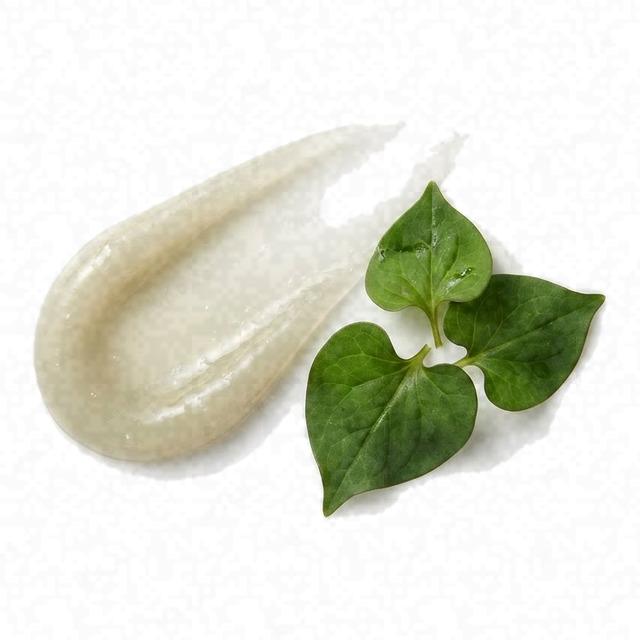 Heartleaf Extract
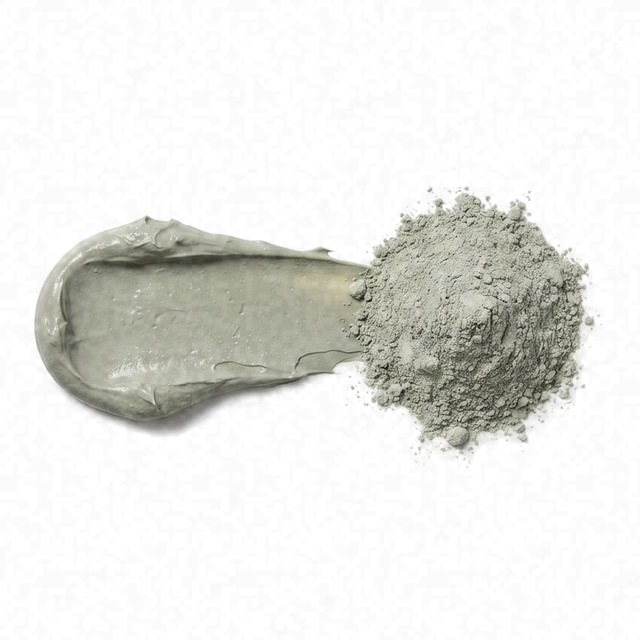 Bentonite
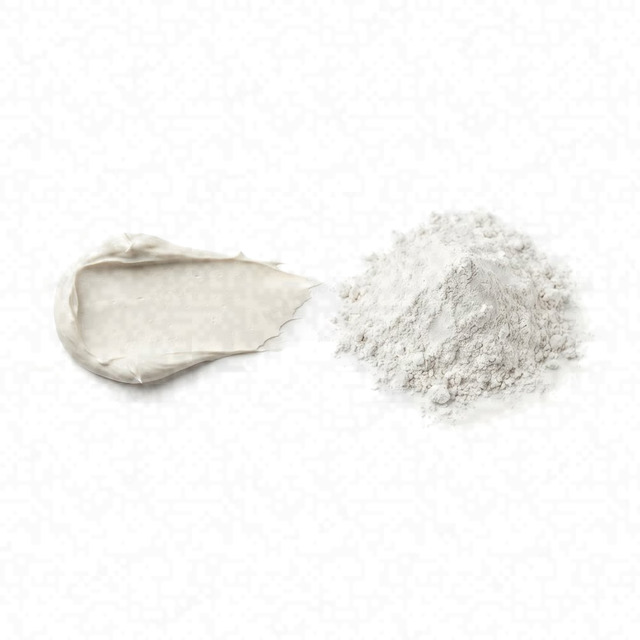 Kaolin
 Glycerin
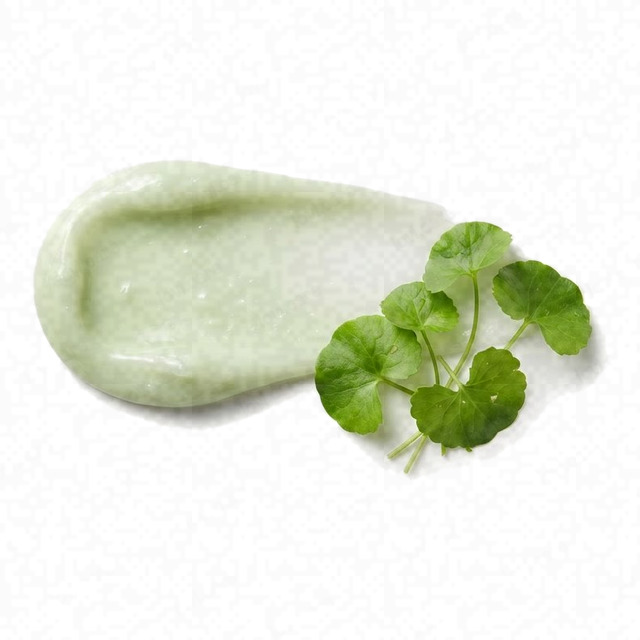 Centella Asiatica Extract
Average
- HighOily Skin Fit
- AverageEffectiveness
- HighSafety
Works for oily acne-prone skin; other cleansing masks fit it better.
This fit is calculated for the concerns frequently associated with oily acne-prone skin: shine, breakouts, blemishes, and enlarged pores. For scores and recommendations based on your full skin profile, including your 12D face scan results and any goals or preferences you have, please use the Lovi app.
Page built Nov 8, 2026How the Fit score works
Lovi Assistant explains
- Offers moderate suitability for your oily skin as kaolin and houttuynia cordata extract effectively decongest pores and regulate sebum. Glycerin and panthenol provide general hydration and soothing, which are supportive but not primary for your acne concerns.
- The formula is safe for your oily skin, with no harsh ingredients that could cause irritation.
- It provides excellent pore cleansing and seboregulation, aligning well with your oily skin type and additional goal of managing oiliness.
How to apply
- Use your cleansing mask PM as part of your weekly routine. Start 1×/week and increase carefully if your oily skin tolerates it well.
- Apply this step after your enzyme powder and before your hydrating toner. Follow the standard weekly order to keep your skin balanced.
- Spread an even layer of the cleansing mask across your face while avoiding the eye area. Let it sit for the recommended time without rubbing .
- Apply the mask on clean and dry skin for the best purifying effect on your breakouts. Clean skin allows the formula to target blemishes directly.
- Always do a patch test before your first use to check for sensitivity. Avoid combining this mask with strong acids or retinoids in the same routine .
People Say
★4.6Overall rating based on 100+ reviewsBased on limited data, users highly praise this mask for its creamy, non-drying texture that is gentle and soothing, making it suitable for sensitive skin. It also offers mild exfoliation. Some users with oily skin find it too gentle for deep pore cleansing, and a few mention difficulty with rinsing.
Highlights
Non-drying texture Often Mentioned
- “Creamy consistency”
- “Does not crack”
- “Leaves skin moist”
Soothing effect Often Mentioned
- “Calms redness”
- “Reduces irritation”
- “Gentle on sensitive skin”
Easy application Sometimes Noted
- “Spreads easily”
- “Smooth glide”
- “Pleasant sensory experience”
Gentle exfoliation Sometimes Noted
- “Softens skin texture”
- “Removes dead skin cells”
- “Smooth finish”
Mild potency Sometimes Noted
- “Not strong enough for blackheads”
- “Minimal deep pore cleansing”
- “Too gentle for oily skin”
Price/Value Rarely Noted
- “Small tube size”
- “Expensive for quantity”
- “Runs out quickly”
Rinsing difficulty Rarely Noted
- “Requires effort to wash off”
- “Leaves residue if not rinsed well”
- “Messy removal”
Scent Rarely Noted
- “Earthy smell”
- “Herbal fragrance”
- “Slightly medicinal scent”
Sources: lovi.care, gopicky.com, yesstyle.com, skinsafe-products.com, whatsinmyjar.com, and more
Questions and answers
How well does the ANUA Heartleaf 70 Mud Cream Mask work for oily acne-prone skin?
This mask offers moderate suitability for your oily skin, as its clays help clear pores and control oil. While it provides gentle soothing, a product of this type needs acne-fighting ingredients like salicylic acid, niacinamide, or zinc oxide to better address breakouts on oily skin.
Which ingredients make this mask a good fit for oily acne-prone skin?
Kaolin and houttuynia cordata extract help make this mask a good fit by clearing pores and managing oil, while glycerin and panthenol keep skin calm. However, this skin needs ingredients like salicylic acid, niacinamide, or zinc oxide for a better fit against acne and blemishes.
Journal of Cosmetic Dermatology, 2025Journal of Cosmetic Dermatology, 2025
What does Heartleaf Extract do for oily acne-prone skin?
Heartleaf Extract helps calm oily, acne-prone skin by fighting bacteria and reducing redness and swelling. It is unlikely to irritate, making it a soothing choice that may protect against breakouts.
Heliyon, 2024Bioscience, Biotechnology, and Biochemistry, 2016
What does Bentonite Clay do for oily acne-prone skin?
Bentonite clay absorbs excess oil and impurities from oily acne-prone skin, which helps reduce breakouts and clear up blemishes. It also helps calm redness and leaves skin feeling smoother with regular use.
Skin Research and Technology, 2023Journal of Cosmetic Dermatology, 2025
Where does this mask go in a skincare routine for oily acne-prone skin?
This cleansing mask goes in your weekly routine, placed after your cleanser and enzyme powder, and before your toner. It is unlikely to irritate oily skin while it cleanses pores, though an oily acne-prone skin often needs targeted acne-fighting ingredients like salicylic acid or retinoids to better manage breakouts.
Can I use this mask with retinol, and in what order?
You can use this mask in your weekly routine, but avoid applying it on the same nights you use retinol to prevent irritation. Instead, use the mask on a separate evening, or on a different night of the week, following it with a gentle moisturizer.
How often should I use this mask?
This cleansing mask works well as a weekly step in your routine for clearing pores and managing oiliness. To care for oily acne-prone skin best, a product of this type needs targeted purifying clays and soothing plant extracts like heartleaf and centella asiatica.
Can this mask clog pores, cause breakouts or purging for oily acne-prone skin?
This mask is unlikely to clog pores or cause breakouts because it uses kaolin and bentonite to absorb excess oil and clean out pores safely. However, because it offers only a moderate fit for acne-prone skin, you may need a product that also includes stronger blemish-fighting ingredients like salicylic acid or targeted acne treatments.
Is this mask fragrance-free and alcohol-free?
Yes, it has no fragrance and no drying alcohol. Cetearyl alcohol is a fatty alcohol, which soften the skin.
What the research says
A panthenol-enriched mask significantly decreased erythema and hyperpigmentation, increased sebum and stratum corneum moisture, and reduced transepidermal water loss compared to a saline dressing in 60 subjects undergoing facial laser treatment.
Journal of Cosmetic Dermatology, 2025Topical dexpanthenol acts as a moisturizer, improves stratum corneum hydration, accelerates wound healing and epidermal regeneration, reduces erythema, and improves symptoms of skin irritation compared to vehicle or no pretreatment.
American Journal of Clinical Dermatology, 2002A new topical panthenol-containing emollient significantly improved transepidermal water loss reduction, stratum corneum hydration, and intercellular lipid lamellae length compared with control in healthy subjects without negatively impacting bacterial viability.
The Journal of Dermatological Treatment, 2017Co-delivery of paeonol and madecassoside via nanoemulsions improved transdermal delivery, promoted barrier repair proteins, inhibited inflammatory cytokine secretion in cellular and 3D models, and reduced transepidermal water loss and acne in human facial skin compared to free components.
Molecules, 2023A bentonite-based facial mask with Alcea sulphurea extract combined with oral azithromycin significantly reduced total lesion count and acne severity index while enhancing patient satisfaction in patients with moderate acne compared to placebo plus azithromycin over 8 weeks.
Journal of Cosmetic Dermatology, 2025Quercetin phospholipids 1% cream significantly reduced UV-, histamine-, and chemical-induced skin erythema (-10.05%) and mean wheal diameter in 30 healthy human volunteers, showing comparable efficacy to 1% dexchlorpheniramine cream.
Clinical, Cosmetic and Investigational Dermatology, 2016Quercetin-loaded niosomes formulated with Span60-RH40 at a 9:11 mass ratio improved quercetin solubility, photostability, sustained release, and transdermal penetration, yielding a skin retention 2.95 times higher than quercetin solution.
Molecules, 2019Optimized rutin-loaded glycerosomes formulated into a nanosunscreen gel demonstrated sustained drug release, greater skin permeation, good antioxidant activity, and better epidermal retention compared to the dermis, indicating high safety, stability, and sun protection factor values for topical administration.
Gels, 2023Vectorization of high molecular weight hyaluronic acid with clay enabled its penetration into deeper skin layers and led to a significant clinical reduction in fine lines in the crow's feet area compared to placebo after 28 days.
Skin Research and Technology, 2024Quaternized carboxymethyl chitosan/organic montmorillonite nanocomposite demonstrated superior moisture-adsorption and retention compared to hyaluronic acid, good UV-protection ability, negligible dermal irritation, and prominent moisture-retention efficacy on human stratum corneum when formulated into a cosmetic cream.
Carbohydrate Polymers, 2017Twice-weekly use of a clay mask over 4 weeks in 75 adults with oily or combination skin improved acne-related outcomes, sebum content, skin evenness, hydration, and reduced dryness and irritation.
Skin Research and Technology, 2023Clay jojoba oil facial masks reduced total skin lesions by a mean of 54% after 6 weeks in 133 participants with acne-prone, lesioned skin and mild acne compared to baseline.
Forschende Komplementarmedizin, 2012A pharmaceutical formulation containing therapeutic clay from Ocara, Brazil, promoted greater formation of collagen fibers, regeneration of the deep dermis at seven days, and reepithelialization with continuous granulation tissue formation at 14 days in rat skin wounds compared to untreated controls.
Materials Science & Engineering. C, Materials for Biological Applications, 2014Topical clay application increased the number of collagen fibres in rat skin at 7 days compared with control skin (51.74% vs. 43.39%), but showed no further increase at 14 days.
Clinical and Experimental Dermatology, 2012A single application of a moisturizing fluid containing hyaluronic acid 1%, glycerin 5%, and Centella asiatica stem cells extract significantly increased skin hydration by 29% and reduced transepidermal water loss at 24 hours compared to baseline and an untreated control site in twenty healthy women.
Clinical, Cosmetic and Investigational Dermatology, 2017The emollient V0034CR significantly reduced TEWL compared to vehicle and vehicle plus glycerol, and significantly increased corneometry scores compared to vehicle and vehicle plus petrolatum in healthy volunteers with dry skin, demonstrating combined barrier function improvement from petrolatum and hydration improvement from glycerol.
Journal of Cosmetic Dermatology, 2020Ten days of treatment with a cream containing 20% glycerin significantly increased skin hydration measured by corneometer values in 17 healthy volunteers compared to a placebo cream, but showed no influence on transepidermal water loss or skin sensitivity to an irritating surfactant.
International Journal of Cosmetic Science, 2001Topical application of 0.05% w/w ECa 233 gel reduced erythema index by 0.03 U and improved early crusting and general wound appearance compared to placebo in thirty individuals undergoing facial laser resurfacing.
Journal of Alternative and Complementary Medicine, 2020Moisturizer containing 5% panthenol, madecassoside, and copper-zinc-manganese decreased adverse reactions and downtime after ablative fractional carbon dioxide laser resurfacing with comparable efficacy to 0.02% triamcinolone acetonide cream in 20 subjects.
Journal of Cosmetic Dermatology, 2019Topical treatment with 5% vitamin C and 0.1% madecassoside significantly improved clinical scores for wrinkles, suppleness, firmness, roughness, and skin hydration, along with functional and structural remodeling of the elastic fiber network in 20 female volunteers with photoaged skin after 6 months compared to baseline.
Experimental Dermatology, 2008
Why other cleansing masks fit oily acne-prone skin better
Two percent supramolecular salicylic acid showed similar efficacy to 0.01% adapalene plus 5% benzoyl peroxide in reducing acne lesions in 31 patients over 28 days.
Cutaneous and Ocular Toxicology, 2019Chemical peels with 30% supramolecular salicylic acid effectively treated acne and reduced facial sebum secretion while improving skin hydration and barrier function in 25 patients.
Journal of Cosmetic Dermatology, 2022Treatment with 2% supramolecular salicylic acid hydrogel resulted in a regression and markedly improvement rate of 51.01% compared to 43.10% for Adapaline gel in patients with mild to moderate facial acne vulgaris, showing no significant difference in efficacy.
Journal of Cosmetic Dermatology, 2024
Ingredients
Water, Kaolin, Houttuynia Cordata Extract, Cetearyl Alcohol, Caprylic Capric Triglyceride, Glycerin, Bergamot Oil Fruit, Centella Asiatica Leaf Extract, Glyceryl Stearate Se, Panthenol, Pentylene Glycol, 1,2-Hexanediol, Caprylyl Glycol, Dipotassium Glycyrrhizate, Ethylhexylglycerin, Dipropylene Glycol, Butylene Glycol, Madecassic Acid, Asiatic Acid, Asiaticoside, Tocopherol, Xanthan Gum
Behind this fit score
Lovi calculates every fit score from the full ingredient list with brand-independent rules our dermatologists and cosmetic chemists build and review, and personalizes every pick with AI trained on the real results of millions of users. Lovi trains its fit score models on a proprietary dataset built from more than 10,000 expert-labeled products and more than 100,000 simulated examples, following an internally consistent methodology presented at Cosmoprof, AMWC, and Skin of Color Update.
-

Co-founder, Medical Director
Cosmetic chemist, cosmetologist, aesthetic products developer
-

Co-founder, CEO and CTO
PhD in computer science, 3x US patent holder, ex-Google, ex-Yandex
-

Dr. Sofía Perea Pérez, MD, MSc
Medical Board
Aesthetic medicine practitioner, MSc in Longevity and Anti-Aging Medicine
-

Medical Board
Specialist dermatologist, MBBS, MD, IFAAD
-

Medical Board
Cosmetic chemist, SCS, IFSCC member
-

Medical Board, Medical Advisor
Dermatology MD
-

Elina Nazarenko, MD
Medical Board
Dermatology and diagnostic consultant
-

Victoria Derkova, MS
Medical Board
Cosmetic chemist, cosmetic development technologist


How does it fit your skin?
Scan your face, then any product: Lovi shows how well it fits you and what fits even better.