BYOMA Hydrating Milky Toner for combination skin

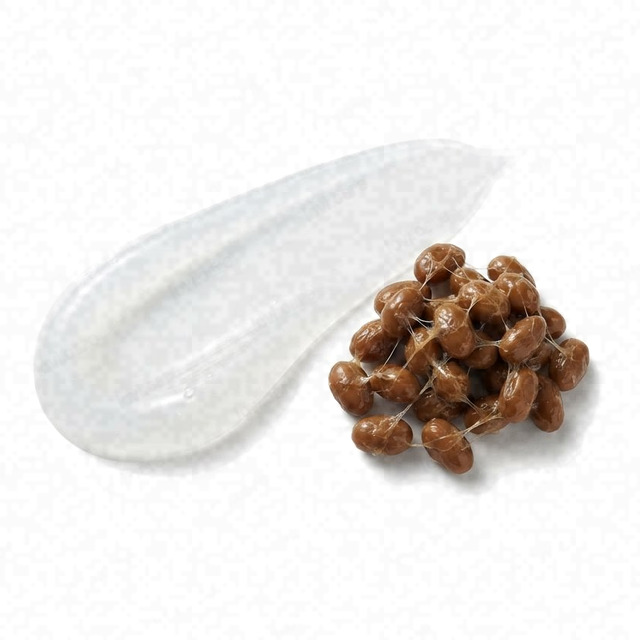 Polyglutamic Acid
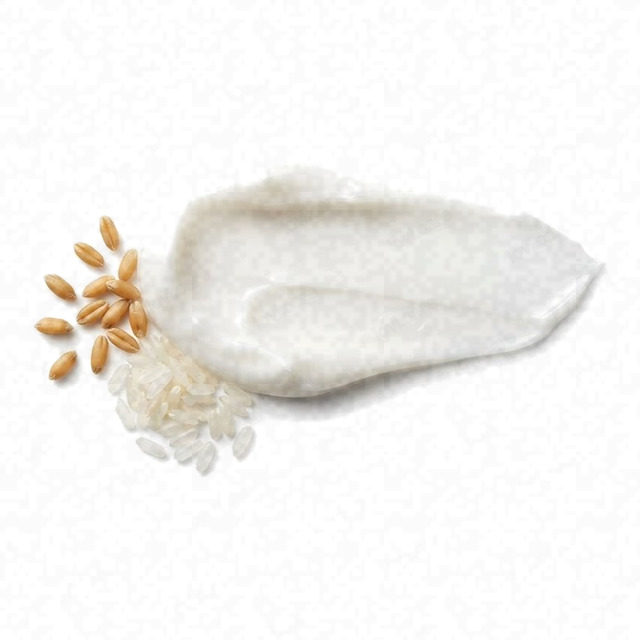 Ceramide Np
 Sodium Hyaluronate
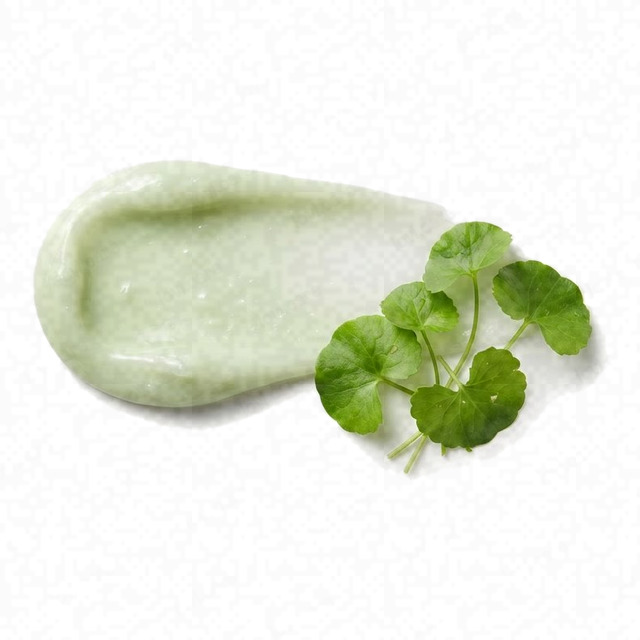 Centella Asiatica Extract
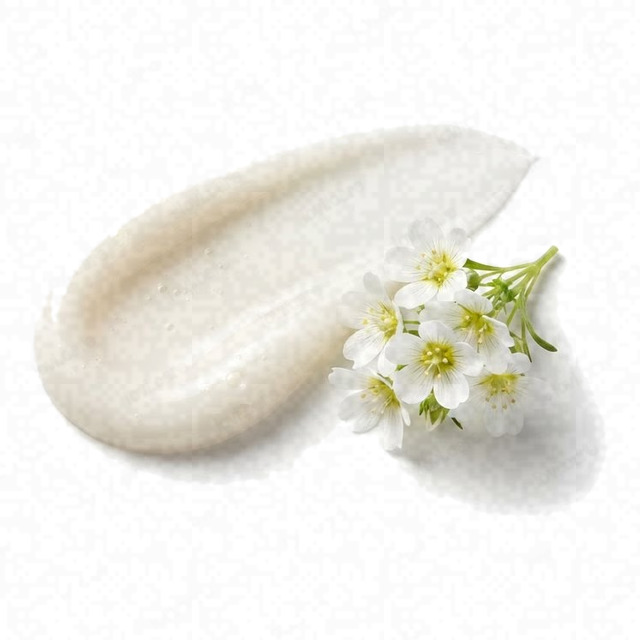 Limnanthes Alba Seed Oil
Average
- HighCombination Skin Fit
- AverageEffectiveness
- ExcellentSafety
Works for combination skin; other toners fit it better.
This fit is calculated for the concerns frequently associated with combination skin: an oily T-zone, enlarged pores, and dry cheeks. For scores and recommendations based on your full skin profile, including your 12D face scan results and any goals or preferences you have, please use the Lovi app.
Page built Nov 8, 2026How the Fit score works
Lovi Assistant explains
- Offers moderate hydration and soothing for your combination skin, with glycerin and panthenol providing humectant and calming benefits, though these are supportive rather than directly addressing oily shine.
- The inclusion of Limnanthes Alba Seed Oil and Ceramide NP offers emollient properties beneficial for combination skin, complementing the humectant action of polyglutamic acid.
- The product is safe for your skin, as it contains soothing ingredients like Centella Asiatica Extract and Panthenol, and lacks harsh or prohibited substances.
How to apply
- Use this hydrating toner in your AM and PM routines. Start 3 times a week and move to daily use if your skin likes it.
- Apply this hydrating toner after your cleanser and before your moisturizer or SPF. This keeps your skin balanced and ready.
- Gently press 2-3 drops of the hydrating toner into your skin with your hands. Let it ⏳absorb for a minute before the next step.
- Apply the hydrating toner on slightly damp skin to help it absorb better. Clean skin gives the best results for your oily shine goal.
- Avoid the eye area when using your hydrating toner. Always do a quick patch test before your first use.
People Say
★4.5Overall rating based on 1.1k+ reviewsBased on a very large amount of data, users with dry and sensitive skin widely praise this toner for its ability to repair the moisture barrier and provide a soothing, dewy glow. A notable minority with acne-prone or reactive skin experienced breakouts and burning sensations upon application.
Highlights
Deep hydration Mostly Mentioned
- “skin feels so hydrated”
- “quenches dry skin”
- “moisture added was insane”
Lightweight milky texture Often Mentioned
- “absorbs fast”
- “silky feel”
- “not watery but runny”
Soothing barrier support Often Mentioned
- “healed my skin barrier”
- “calms redness”
- “soothing for sensitive skin”
Good value Sometimes Noted
- “affordable price”
- “great amount for cost”
- “better than expensive brands”
Radiant finish Sometimes Noted
- “healthy glow”
- “glazed effect”
- “dewy sheen”
Breakouts and acne Sometimes Noted
- “caused cystic acne”
- “broke me out”
- “closed comedones”
Burning and irritation Rarely Noted
- “burning sensation”
- “face turned red”
- “stung my skin”
Packaging flaws Rarely Noted
- “cap broke”
- “leaking bottle”
- “hard to dispense”
Sticky residue Rarely Noted
- “left a sticky film”
- “tacky finish”
- “felt heavy”
Sources: lovi.care, ulta.com, target.com, cultbeauty.co.uk, boots.com, sephora.co.uk, and more
Questions and answers
How well does the BYOMA Hydrating Milky Toner work for combination skin?
This toner works moderately well for combination skin, offering basic moisture and soothing care with glycerin and panthenol, but it does not directly target oily shine. Toners that fit this skin type better need effective hydrating and soothing ingredients that manage both dry and oily areas without causing irritation.
The Journal of Dermatological Treatment, 2017American Journal of Clinical Dermatology, 2002
Which ingredients make this toner a good fit for combination skin?
Glycerin, panthenol, ceramide NP, and polyglutamic acid make this toner a good fit by keeping dry areas soft while supporting the skin barrier. Combination skin generally needs ingredients that provide balanced moisture without adding heavy oils to shiny areas.
The Journal of Dermatological Treatment, 2017Skin Pharmacology and Physiology, 2022
What does Polyglutamic Acid do for combination skin?
Polyglutamic Acid helps keep combination skin hydrated by locking in moisture and supporting the skin barrier. It is unlikely to feel heavy while boosting hydration for both dry and oily areas.
What do Ceramides do for combination skin?
Ceramides help balance combination skin by supporting the skin barrier in dry areas without feeling heavy on oily zones, keeping the skin smooth and comfortable. They play an essential role in maintaining the outer water barrier, and a moisturizer with ceramides and light hydrators works well for this skin type.
Where does this toner go in a skincare routine for combination skin?
This hydrating toner goes after cleansing in the morning, and after a cleansing mask in your weekly routine. It helps keep your skin comfortable and calm, though combination skin also needs ingredients that directly address oily shine.
Can I use this toner with retinol, and in what order?
You can use this hydrating toner with retinol by applying the toner first to damp skin, letting it absorb, and then following with your retinol treatment. This combination helps keep your skin calm and moisturized while using active ingredients, though combination skin also benefits from lightweight balancing ingredients that specifically target oily shine.
How often should I use this toner?
You can use this toner in both your morning and evening routines. It helps keep your skin calm and hydrated, though combination skin needs extra ingredients that also manage oily shine.
The Journal of Dermatological Treatment, 2017Skin Pharmacology and Physiology, 2022
Can this toner clog pores, cause breakouts or purging for combination skin?
This toner may cause breakouts for combination skin, as some reviewers report acne after using it. To care for this skin type without clogging pores, a product of this type needs lightweight hydrators and soothing ingredients that balance dry patches and oily shine without feeling heavy.
Is this toner fragrance-free and alcohol-free?
Yes, it has no fragrance and no drying alcohol.
What the research says
A new topical panthenol-containing emollient significantly improved transepidermal water loss reduction, stratum corneum hydration, and intercellular lipid lamellae length compared with control in healthy subjects without negatively impacting bacterial viability.
The Journal of Dermatological Treatment, 2017Topical dexpanthenol acts as a moisturizer, improves stratum corneum hydration, accelerates wound healing and epidermal regeneration, reduces erythema, and improves symptoms of skin irritation compared to vehicle or no pretreatment.
American Journal of Clinical Dermatology, 2002A single application of a moisturizing fluid containing hyaluronic acid 1%, glycerin 5%, and Centella asiatica stem cells extract significantly increased skin hydration by 29% and reduced transepidermal water loss at 24 hours compared to baseline and an untreated control site in twenty healthy women.
Clinical, Cosmetic and Investigational Dermatology, 2017A lipid mixture enriched by ceramide NP with fatty acids of diverse chain lengths significantly improved skin barrier recovery rate, stratum corneum integrity, and hydration compared to a vehicle cream in healthy adult male volunteers with corticosteroid-impaired skin.
Skin Pharmacology and Physiology, 2022Cosmetic formulations containing 5% Centella asiatica extract showed the best efficacy in improving skin moisture and decreasing transepidermal water loss, while also exhibiting antiinflammatory properties in 25 volunteers compared to baseline measurements.
Indian Journal of Pharmaceutical Sciences, 2016Curcumin-loaded polyglutamic acid and gum arabic electrospun nanofibers accelerated wound healing, increased TGF-beta1 and VEGF expression, reduced inflammatory factors, and enhanced re-epithelialization and tissue regeneration in a mouse model with acute full-thickness skin defects.
International Journal of Biological Macromolecules, 2024Polyglutamic acid and polylysine composite hydrogels promote wound repair and hemostasis through high water absorption, bioadhesion, calcium ion-mediated coagulation factor activation, and inherent antibacterial properties in a deep skin defect model.
Macromolecular Bioscience, 2021Topical application of 0.1% hyaluronic acid formulations of different molecular weights led to significant improvements in skin hydration and elasticity, with low-molecular-weight formulations also significantly reducing wrinkle depth in seventy-six female subjects compared to a vehicle control.
Journal of Drugs in Dermatology, 2011Topical application of hyaluronic acid in conjunction with free gingival graft significantly reduced donor site postoperative pain until day 7 compared to normal saline, with no significant differences in graft dimensions or patient satisfaction.
Clinical Oral Investigations, 2022Treatment with a hyaluronic acid-containing mouth rinse or topical gel led to significant lesion reduction, pain relief, and normalization of lesion color in adult patients with minor recurrent aphthous stomatitis, with the gel formulation showing an earlier healing onset at 3 days.
BMC Oral Health, 2019Topical application of 0.05% w/w ECa 233 gel reduced erythema index by 0.03 U and improved early crusting and general wound appearance compared to placebo in thirty individuals undergoing facial laser resurfacing.
Journal of Alternative and Complementary Medicine, 2020Moisturizer containing 5% panthenol, madecassoside, and copper-zinc-manganese decreased adverse reactions and downtime after ablative fractional carbon dioxide laser resurfacing with comparable efficacy to 0.02% triamcinolone acetonide cream in 20 subjects.
Journal of Cosmetic Dermatology, 2019Topical treatment with 5% vitamin C and 0.1% madecassoside significantly improved clinical scores for wrinkles, suppleness, firmness, roughness, and skin hydration, along with functional and structural remodeling of the elastic fiber network in 20 female volunteers with photoaged skin after 6 months compared to baseline.
Experimental Dermatology, 2008
Ingredients
Water, Butylene Glycol, Glycerin, Dipropylene Glycol, 1,2-Hexanediol, Panthenol, Limnanthes Alba Seed Oil, Polyglutamic Acid, Pullulan, Saccharide Isomerate, Xanthan Gum, Centella Asiatica Extract, Gluconolactone, Sphingolipids, Sodium Citrate, Beta-Glucan, Tocopherol, Ceramide Np, Citric Acid, Carbomer, Ethylhexylglycerin, Polyglyceryl-3 Methylglucose Distearate, Tromethamine, Symphytum Officinale Root Extract, Hydrogenated Lecithin, Sodium Phytate, Sodium Hyaluronate, Methyl Glucose Sesquistearate, Cetearyl Glucoside
Behind this fit score
Lovi calculates every fit score from the full ingredient list with brand-independent rules our dermatologists and cosmetic chemists build and review, and personalizes every pick with AI trained on the real results of millions of users. Lovi trains its fit score models on a proprietary dataset built from more than 10,000 expert-labeled products and more than 100,000 simulated examples, following an internally consistent methodology presented at Cosmoprof, AMWC, and Skin of Color Update.
-

Co-founder, Medical Director
Cosmetic chemist, cosmetologist, aesthetic products developer
-

Co-founder, CEO and CTO
PhD in computer science, 3x US patent holder, ex-Google, ex-Yandex
-

Dr. Sofía Perea Pérez, MD, MSc
Medical Board
Aesthetic medicine practitioner, MSc in Longevity and Anti-Aging Medicine
-

Medical Board
Specialist dermatologist, MBBS, MD, IFAAD
-

Medical Board
Cosmetic chemist, SCS, IFSCC member
-

Medical Board, Medical Advisor
Dermatology MD
-

Elina Nazarenko, MD
Medical Board
Dermatology and diagnostic consultant
-

Victoria Derkova, MS
Medical Board
Cosmetic chemist, cosmetic development technologist


How does it fit your skin?
Scan your face, then any product: Lovi shows how well it fits you and what fits even better.