Kiehl's Retinol Skin-Renewing Daily Micro-Dose Serum for dry sensitive skin

 Retinol
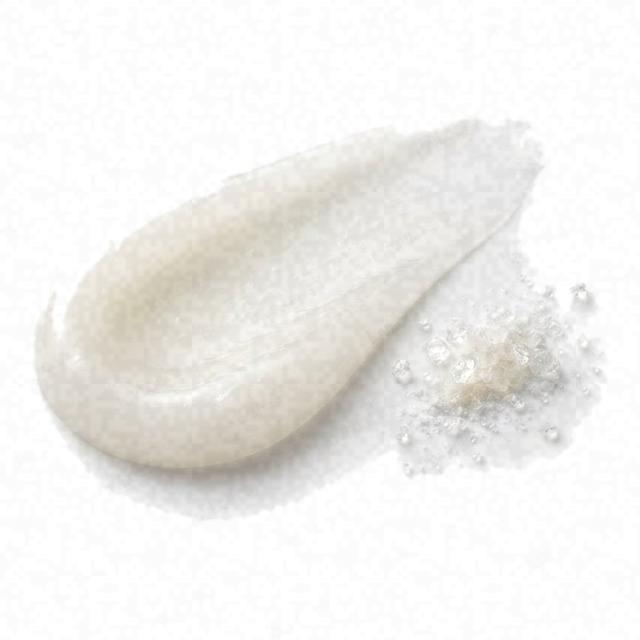 Peptides
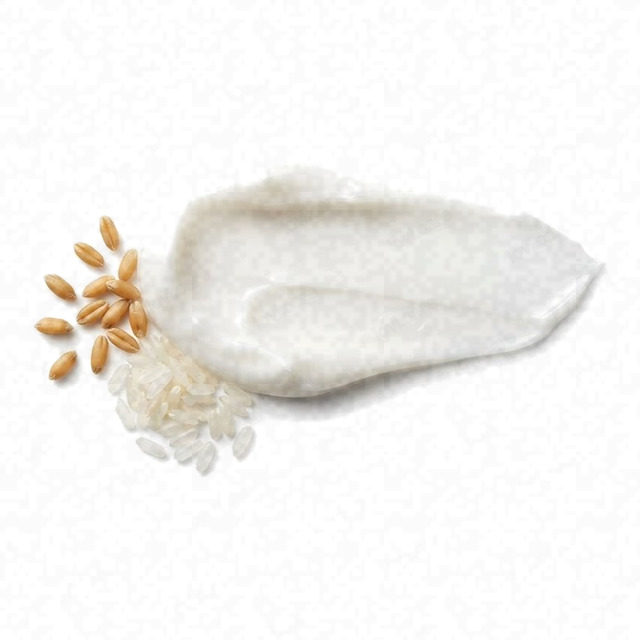 Ceramides
 Niacinamide
 Sodium Hyaluronate
Average
- HighDry Skin Fit
- AverageEffectiveness
- HighSafety
Works for dry sensitive skin; other serums fit it better.
This fit is calculated for the concerns frequently associated with dry sensitive skin: flakiness, tightness, redness, fine lines, and wrinkles. For scores and recommendations based on your full skin profile, including your 12D face scan results and any goals or preferences you have, please use the Lovi app.
Page built Nov 8, 2026How the Fit score works
Lovi Assistant explains
- Offers moderate skin renewal for your dry and sensitive skin, as retinol and niacinamide work to smooth texture and reduce fine lines, while glycerin and sodium hyaluronate provide essential hydration. Ceramide NP further supports your dry skin by aiding in barrier repair.
- The formula is generally safe for your dry and sensitive skin, as it avoids harsh ingredients that could cause irritation.
- While the product offers general skincare benefits like hydration and texture improvement, its primary focus on renewal may not fully address the dryness and flakiness of your skin.
How to apply
- Use this PM routine for your evening skincare. Start using the serum 3 times a week and increase to daily use if your skin feels comfortable.
- Apply the serum after cleansing and toner, but right before your moisturizer. This step locks in deep hydration for dry skin.
- Gently press 2-3 drops of the serum into your skin using your palms. Let it absorb completely for a minute ⏱ before applying your next product.
- Since your skin is sensitive, apply the serum on completely dry skin for better tolerance and less irritation.
- Avoid the sensitive eye area during application. Always do a patch test before your first use to ensure your skin reacts well.
People Say
★4.6Overall rating based on 1.1k+ reviewsBased on a very large amount of data, this serum is highly recommended as a gentle introduction to retinol, effectively smoothing skin texture and reducing fine lines with minimal irritation for most users. Some users reported breakouts or found the results too subtle for the price.
Highlights
Gentle and non-irritating Mostly Mentioned
- “experienced zero irritation”
- “impressively gentle”
- “no redness or dryness”
- “tolerated really well”
Beginner-friendly formula Often Mentioned
- “perfect for retinol newbies”
- “great for beginners”
- “good starting point”
- “best entry-level retinol”
Improves skin texture Often Mentioned
- “skin feels smoother”
- “texture is refined”
- “pores look minimized”
- “smoother and plump”
Creamy, hydrating consistency Sometimes Noted
- “creamy serum”
- “silky smooth”
- “glides onto skin”
- “feels like a luxe night cream”
High price point Sometimes Noted
- “bit of an investment”
- “expensive for the results”
- “underwhelmed for the price”
Slow or subtle results Sometimes Noted
- “results were subtle”
- “did not see difference”
- “took months to appear”
- “might feel underwhelmed”
Breakouts and acne Rarely Noted
- “dealing with cystic acne”
- “deep and painful”
- “caused a major skin flare up”
- “uneven skin started coming out”
Unpleasant scent Rarely Noted
- “smells clinical”
- “put-off by the smell”
- “potent, almost medical smell”
Sources: lovi.care, sephora.sg, sayso.com.au, cultbeauty.co.uk, ulta.com, hometesterclub.com, and more
Questions and answers
How well does Kiehl's Retinol Micro-Dose Serum work for dry sensitive skin?
This serum works moderately well for dry sensitive skin by smoothing texture and offering hydration, but its focus on renewal may leave severe dryness unaddressed. A treatment of this type needs rich moisturizing and barrier-supporting ingredients to deeply hydrate and protect dry skin without causing irritation.
Which ingredients make this serum a good fit for dry sensitive skin?
Retinol and niacinamide help smooth texture, while glycerin, sodium hyaluronate, and ceramide NP provide hydration and support your skin barrier. To truly thrive, dry sensitive skin needs products that combine gentle, soothing moisture with deep nourishment to stop flakiness.
What does Retinol do for dry sensitive skin?
Retinol is often too strong for dry sensitive skin because it may cause scaling and stinging, so a product of this type needs gentle soothing ingredients and extra moisture to keep the skin calm and smooth.
The British Journal of Dermatology, 2019Toxicology Letters, 2003
What do Peptides do for dry sensitive skin?
Peptides help hydrate dry sensitive skin while smoothing the look of fine lines and keeping the surface calm. They may also improve skin elasticity, though some types need enhanced delivery systems to deeply penetrate the skin barrier.
Advanced Science, 2025International Journal of Molecular Sciences, 2025
Where does this serum go in a skincare routine for dry sensitive skin?
This serum goes in the evening routine after your toner and before your moisturizer. Treatments like this need a rich cream with extra hydration and barrier-repairing ingredients to keep dry sensitive skin comfortable.
Can I use this serum with vitamin C, and in what order?
You can use this serum with vitamin C by applying vitamin C in the morning and this retinol serum at night to help prevent irritation on dry and sensitive skin. A product of this type needs extra hydrating ingredients like hyaluronic acid and barrier-repairing ceramides to keep dry skin comfortable.
How often should I use this serum?
This serum works well for your dry sensitive skin when used in your evening routine, though a product for this skin needs more rich hydration and barrier-repairing ingredients to fully address dryness and flakiness.
Can this serum clog pores, cause breakouts or purging for dry sensitive skin?
This serum is unlikely to clog pores or cause breakouts for dry and sensitive skin, as users rarely report this issue. However, because it encourages skin renewal, it may occasionally cause temporary purging.
Is this serum fragrance-free and alcohol-free?
Yes, it has no fragrance and no drying alcohol. Cetyl alcohol, behenyl alcohol, and cetearyl alcohol are fatty alcohols, which soften the skin.
What the research says
Topical bakuchiol 0.5% applied twice daily compared with retinol 0.5% applied daily significantly decreased wrinkle surface area and hyperpigmentation with no statistical difference between the compounds in 44 patients over 12 weeks, while retinol users reported more facial skin scaling and stinging.
The British Journal of Dermatology, 2019Application of Body Lotion for 5 weeks on cosmetic dry skin improved barrier properties, increased levels of cholesterol, ceramides, and long-chain fatty acids, increased beneficial skin bacteria, and enhanced microbiome functional potential compared to baseline.
Scientific Reports, 2022Topical post-laser application of human adipocyte-derived mesenchymal stem cell media combined with niacinamide significantly improved wrinkle index, melanin index, patient satisfaction, and investigator esthetic improvement scores compared to vehicle cream in patients with aging skin.
Journal of Cosmetic Dermatology, 2021Topical 0.4% retinol significantly increased epidermal thickness, dermal vascularity, and extracellular matrix production by stimulating keratinocyte proliferation, endothelial cell proliferation, and fibroblast activation in naturally aged human skin compared to vehicle.
International Journal of Cosmetic Science, 2017Silicone particles encapsulating retinol increased its half-life by 9-fold and yielded 12-23% lower skin irritation in human subjects compared to Microsponge particles while maintaining biological activity.
Journal of Controlled Release, 2018Topical stabilized retinol treatment induced HAS gene expression and increased hyaluronic acid production in human skin in vitro, ex vivo, and in vivo compared to vehicle.
Archives of Dermatological Research, 2017Topical nicotinamide prevented solar-simulated UV-induced immunosuppression in healthy volunteers, and men experienced immunosuppression at solar-simulated UV doses three times lower than those required for women.
The Journal of Investigative Dermatology, 2008Topical 5% niacinamide applied twice daily for 12 weeks reduced fine lines and wrinkles, hyperpigmented spots, red blotchiness, and skin sallowness, and improved skin elasticity compared to vehicle control in 50 female white subjects with facial photoaging.
Dermatologic Surgery, 2005Topical 2% niacinamide significantly decreased sebum excretion rate in Japanese individuals and casual sebum levels in Caucasian individuals compared to placebo or baseline.
Journal of Cosmetic and Laser Therapy, 2006Topical application of 0.1% hyaluronic acid formulations of different molecular weights led to significant improvements in skin hydration and elasticity, with low-molecular-weight formulations also significantly reducing wrinkle depth in seventy-six female subjects compared to a vehicle control.
Journal of Drugs in Dermatology, 2011Topical application of hyaluronic acid in conjunction with free gingival graft significantly reduced donor site postoperative pain until day 7 compared to normal saline, with no significant differences in graft dimensions or patient satisfaction.
Clinical Oral Investigations, 2022Treatment with a hyaluronic acid-containing mouth rinse or topical gel led to significant lesion reduction, pain relief, and normalization of lesion color in adult patients with minor recurrent aphthous stomatitis, with the gel formulation showing an earlier healing onset at 3 days.
BMC Oral Health, 2019
Why other serums fit dry sensitive skin better
Treatment with 14% ferulic acid and 12% l-ascorbic acid significantly reduced pigmentation and erythema while improving hydration and elasticity in 20 women with photoaged skin, with neither acid proving definitively more effective overall though ascorbic acid showed slightly greater skin lightening.
Dermatologic Therapy, 2022
Ingredients
Water, Glycerin, Butylene Glycol, Pentylene Glycol, Niacinamide, Cetyl Alcohol, Isohexadecane, Isononyl Isononanoate, Diisopropyl Sebacate, 2-Oleamido-1,3-Octadecanediol, 4-T-Butylcyclohexanol, Acetyl Dipeptide-1 Cetyl Ester, Adenosine, Ceramide Np, Hydroxypalmitoyl Sphinganine, Lauroyl Lysine, Octyldodecanol, Pentaerythrityl Tetra-Di-T-Butyl Hydroxyhydrocinnamate, Sodium Chloride, Sodium Hyaluronate, Sodium Hydroxide, Trisodium Ethylenediamine Disuccinate, Retinol, Tocopherol, Dicaprylyl Ether, Ammonium Polyacryloyldimethyl Taurate, Behenyl Alcohol, Caprylyl Glycol, Carbomer, Cetearyl Alcohol, Cetearyl Glucoside, Glycine Soja Oil, Soybean Oil, Helianthus Annuus Seed Oil, Sunflower Seed Oil, Hydroxyethylcellulose, Lecithin, Phenethyl Alcohol, Poloxamer 188, Polycaprolactone, Sorbitan Laurate, Steareth-100, Ci 40800, Beta-Carotene, Chlorphenesin, Phenoxyethanol
Behind this fit score
Lovi calculates every fit score from the full ingredient list with brand-independent rules our dermatologists and cosmetic chemists build and review, and personalizes every pick with AI trained on the real results of millions of users. Lovi trains its fit score models on a proprietary dataset built from more than 10,000 expert-labeled products and more than 100,000 simulated examples, following an internally consistent methodology presented at Cosmoprof, AMWC, and Skin of Color Update.
-

Co-founder, Medical Director
Cosmetic chemist, cosmetologist, aesthetic products developer
-

Co-founder, CEO and CTO
PhD in computer science, 3x US patent holder, ex-Google, ex-Yandex
-

Dr. Sofía Perea Pérez, MD, MSc
Medical Board
Aesthetic medicine practitioner, MSc in Longevity and Anti-Aging Medicine
-

Medical Board
Specialist dermatologist, MBBS, MD, IFAAD
-

Medical Board
Cosmetic chemist, SCS, IFSCC member
-

Medical Board, Medical Advisor
Dermatology MD
-

Elina Nazarenko, MD
Medical Board
Dermatology and diagnostic consultant
-

Victoria Derkova, MS
Medical Board
Cosmetic chemist, cosmetic development technologist


How does it fit your skin?
Scan your face, then any product: Lovi shows how well it fits you and what fits even better.