The INKEY List Polyglutamic Acid Serum for oily acne-prone skin

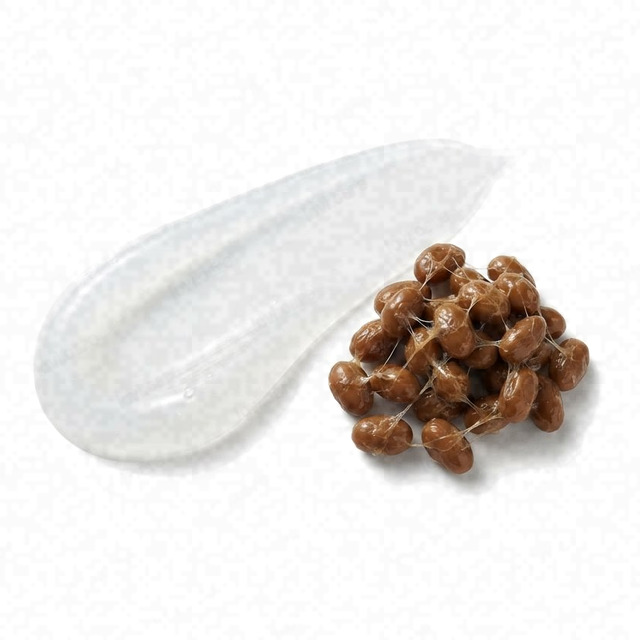 Polyglutamic Acid
 Glycerin
 Dimethicone
 Butylene Glycol
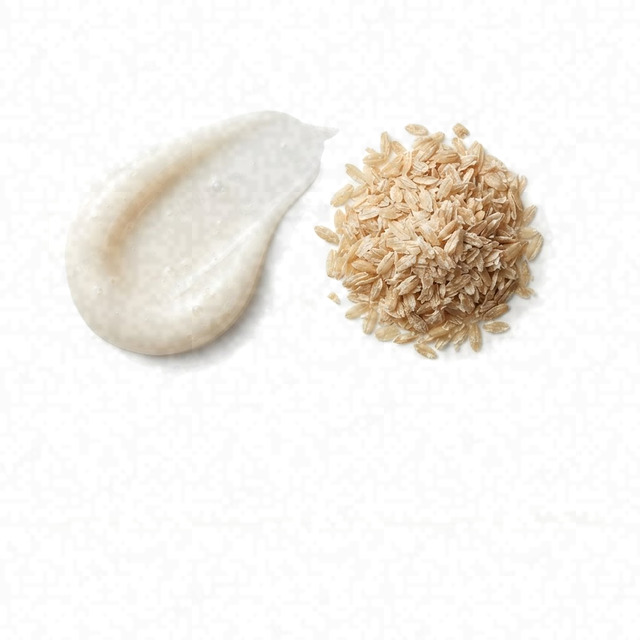 Rice Bran Extract
High
- HighOily Skin Fit
- HighEffectiveness
- ExcellentSafety
A great choice for oily acne-prone skin; a few moisturizers fit it even better.
- International Journal of Molecular Sciences, 2025
- Clinical, Cosmetic and Investigational Dermatology, 2017
This fit is calculated for the concerns frequently associated with oily acne-prone skin: shine, breakouts, blemishes, and enlarged pores. For scores and recommendations based on your full skin profile, including your 12D face scan results and any goals or preferences you have, please use the Lovi app.
Page built Nov 8, 2026How the Fit score works
Lovi Assistant explains
- Offers excellent moisturizing for your oily skin due to the high concentration of polyglutamic acid, which hydrates and plumps without exacerbating oiliness, complemented by dimethicone and glycerin for emollient and humectant actions.
- While it provides general hydration, the formula lacks specialized ingredients like salicylic acid to effectively target your acne, blemishes, and breakouts.
- The product is safe for your oily skin, with no risks of irritation from harsh ingredients and the inclusion of soothing polyglutamic acid.
How to apply
- Use this AM and PM routine every day to help clear your skin. Always remember to finish with SPF in the morning.
- Apply the moisturizer after your cleanser and toner, right before your SPF during the day.
- Gently press a small amount into your skin and avoid rubbing to keep pores clear.
- Apply on clean, slightly damp skin to help the product absorb better and control oil.
- Avoid the sensitive eye area and do a simple patch test before your first use.
People Say
★4.4Overall rating based on 1.3k+ reviewsBased on a very large amount of data, this serum is frequently praised by users with dry or dehydrated skin for its ability to deeply hydrate and create a smooth, glass-like finish that works well under makeup. Many users find it superior to hyaluronic acid for plumping fine lines. A significant number of reviewers, however, note a strong chemical scent and a pump dispenser that can be difficult to control.
Highlights
Deep hydration Mostly Mentioned
- “Super hydrating”
- “locks in moisture”
- “hydration party”
- “better than hyaluronic”
Excellent makeup base Often Mentioned
- “Brilliant makeup base”
- “perfect makeup canvas”
- “foundation glides on”
- “smooths skin texture”
Smooth/silky finish Often Mentioned
- “Glass skin”
- “velvety texture”
- “silky finish”
- “leaves skin soft”
Unpleasant scent Often Mentioned
- “Smells like chemicals”
- “burning sugar smell”
- “strong alcohol scent”
- “smells musty”
Plumping effect Sometimes Noted
- “Plumps fine lines”
- “bouncy skin”
- “softens wrinkles”
- “instant plumping”
Poor packaging Sometimes Noted
- “Pump squirts too much”
- “hard to control”
- “pump malfunction”
- “dispenses too much”
Skin irritation Rarely Noted
- “Caused breakouts”
- “burning sensation”
- “gave me styes”
- “redness”
Sticky feel Rarely Noted
- “Sticky residue”
- “tacky texture”
- “feels heavy”
- “takes time to dry”
Sources: lovi.care, sephora.com, cultbeauty.co.uk, boots.com, theinkeylist.com, ulta.com, and more
Questions and answers
What makes The INKEY List Polyglutamic Acid Serum a great fit for oily acne-prone skin?
The INKEY List Polyglutamic Acid Serum is a great fit because it offers excellent moisturizing for oily skin with a high concentration of polyglutamic acid, glycerin, and dimethicone that hydrates without making skin greasy. It is also safe and soothing, with no harsh ingredients that might cause irritation.
Which ingredients make this serum a good fit for oily acne-prone skin?
Polyglutamic acid, glycerin, and dimethicone make this serum a great fit by providing deep moisture without making your skin oily or causing irritation.
What does Polyglutamic Acid do for oily acne-prone skin?
Polyglutamic acid helps keep oily acne-prone skin hydrated without feeling heavy by drawing in moisture and supporting the skin barrier. Because it locks in water effectively, it may help balance skin hydration so your face does not overproduce oil.
What does Glycerin do for oily acne-prone skin?
Glycerin helps keep oily acne-prone skin hydrated without feeling heavy. It draws moisture into the skin while supporting the skin barrier so it stays soft and balanced.
The British Journal of Dermatology, 2008Clinical, Cosmetic and Investigational Dermatology, 2017
Where does it go in a skincare routine for oily acne-prone skin?
This treatment goes in the evening routine after cleansing and toning, and before your moisturizer. It is unlikely to irritate oily skin and helps keep it hydrated without adding extra oil.
Can I use this serum with hyaluronic acid, and in what order?
Yes, you can use this serum with a hyaluronic acid product, and you should apply whichever has a thinner, more watery feel first. Both ingredients bring in moisture, so layering them helps keep your oily skin soft and hydrated without feeling heavy.
How often should I use it?
You can use this treatment in your evening routine, applying it once a day. Daily application helps keep your skin hydrated and smooth while remaining gentle and unlikely to cause irritation.
Can this serum clog pores, cause breakouts or purging for oily acne-prone skin?
This serum is unlikely to clog pores or cause breakouts on oily acne-prone skin because it is safe and free of harsh, irritating ingredients. However, while it hydrates well, the formula lacks specialized blemish-fighting ingredients like salicylic acid to effectively target active acne.
Can I use it around the eyes or on my body?
You can use this moisturizing treatment around your eyes and on your body because its lightweight formula is safe and gentle for all skin areas. The polyglutamic acid and glycerin in the serum help keep moisture locked in, which makes the skin feel soft and smooth without feeling heavy.
Is this serum fragrance-free and alcohol-free?
Yes, it has no fragrance and no drying alcohol.
What the research says
Poly-gamma-glutamic acid derived from a novel Bacillus subtilis strain dose-dependently increased skin barrier markers, hyaluronic acid synthesis, and aquaporin 3 expression in keratinocytes, and elevated filaggrin, involucrin, CD44, and aquaporin 3 expression in a reconstructed skin model compared to the control.
International Journal of Molecular Sciences, 2025A single application of a moisturizing fluid containing hyaluronic acid 1%, glycerin 5%, and Centella asiatica stem cells extract significantly increased skin hydration by 29% and reduced transepidermal water loss at 24 hours compared to baseline and an untreated control site in twenty healthy women.
Clinical, Cosmetic and Investigational Dermatology, 2017Curcumin-loaded polyglutamic acid and gum arabic electrospun nanofibers accelerated wound healing, increased TGF-beta1 and VEGF expression, reduced inflammatory factors, and enhanced re-epithelialization and tissue regeneration in a mouse model with acute full-thickness skin defects.
International Journal of Biological Macromolecules, 2024Polyglutamic acid and polylysine composite hydrogels promote wound repair and hemostasis through high water absorption, bioadhesion, calcium ion-mediated coagulation factor activation, and inherent antibacterial properties in a deep skin defect model.
Macromolecular Bioscience, 2021The emollient V0034CR significantly reduced TEWL compared to vehicle and vehicle plus glycerol, and significantly increased corneometry scores compared to vehicle and vehicle plus petrolatum in healthy volunteers with dry skin, demonstrating combined barrier function improvement from petrolatum and hydration improvement from glycerol.
Journal of Cosmetic Dermatology, 2020Ten days of treatment with a cream containing 20% glycerin significantly increased skin hydration measured by corneometer values in 17 healthy volunteers compared to a placebo cream, but showed no influence on transepidermal water loss or skin sensitivity to an irritating surfactant.
International Journal of Cosmetic Science, 2001Niacinamide/glycerin body moisturizers provided better rapid and prolonged improvement of cosmetic xerosis through functional improvement of stratum corneum barrier function compared to no treatment and conventional moisturizers in female subjects.
Journal of Drugs in Dermatology, 2012Wearing an N95 mask alone compared to using dimethicone cream or hydrocolloid dressing caused more adverse skin reactions among 73 military health care workers, with no significant differences in fit test failure rates between groups.
Military Medicine, 2024A dimethicone skin protectant lotion significantly decreased visual scoring and transepidermal water loss compared to vehicle control and SLS-only treated sites in 12 healthy humans exposed to sodium lauryl sulfate.
Skin Research and Technology, 2000Treatment with a moisturizer containing dimethicone and glycerine increased epidermal thickness by 0.019 mm, improved barrier function by decreasing transepidermal water loss by 13%, decreased melanin intensity, and induced keratins 6 and 16 in fifteen women with moderately photoaged forearms.
Clinical and Experimental Dermatology, 2007Topical gel and cream formulations containing niosomes entrapped with rice bran bioactive compounds improved skin hydration, lightening, thickness, roughness, and elasticity in 30 human volunteers over 28 days compared to baseline.
Pharmaceutical Biology, 2012Gel and cream formulations containing rice bran bioactive compounds entrapped in niosomes increased in vitro antioxidant activity (ORAC values of 20-28 micromol TE/g versus 16-18 micromol TE/g for placebo), enhanced lipid peroxidation inhibition in human sebum by about 1.5 times, and improved in vivo human skin hydration by approximately 3 to 30% depending on the measurement technique.
Journal of Nanoscience and Nanotechnology, 2011Stirring Nukadoko fermented rice bran beds by hand leads to temporary settlement of microorganisms on human skin with quick shedding.
FEMS Microbiology Letters, 2023
Ingredients
Water, Dimethicone, Butylene Glycol, Bis-Peg-12 Dimethicone, Glycerin, Polymethylsilsesquioxane, Polysilicone-11, Phenoxyethanol, Polyglutamic Acid, Sodium Acrylate Sodium Acryloyldimethyl Taurate Copolymer, Isohexadecane, Propanediol, Coco-Glucoside, Sodium Benzoate, Hydroxyethylcellulose, Polysorbate 80, Ethylhexylglycerin, Potassium Sorbate, Decyl Glucoside, Dimethylacrylamide Acrylic Acid Polystyrene Ethyl Methacrylate Copolymer, Sorbitan Oleate, Trisodium Ethylenediamine Disuccinate, Caprylyl Glycol, Hexylene Glycol, Rice Bran Extract
Behind this fit score
Lovi calculates every fit score from the full ingredient list with brand-independent rules our dermatologists and cosmetic chemists build and review, and personalizes every pick with AI trained on the real results of millions of users. Lovi trains its fit score models on a proprietary dataset built from more than 10,000 expert-labeled products and more than 100,000 simulated examples, following an internally consistent methodology presented at Cosmoprof, AMWC, and Skin of Color Update.
-

Co-founder, Medical Director
Cosmetic chemist, cosmetologist, aesthetic products developer
-

Co-founder, CEO and CTO
PhD in computer science, 3x US patent holder, ex-Google, ex-Yandex
-

Dr. Sofía Perea Pérez, MD, MSc
Medical Board
Aesthetic medicine practitioner, MSc in Longevity and Anti-Aging Medicine
-

Medical Board
Specialist dermatologist, MBBS, MD, IFAAD
-

Medical Board
Cosmetic chemist, SCS, IFSCC member
-

Medical Board, Medical Advisor
Dermatology MD
-

Elina Nazarenko, MD
Medical Board
Dermatology and diagnostic consultant
-

Victoria Derkova, MS
Medical Board
Cosmetic chemist, cosmetic development technologist


How does it fit your skin?
Scan your face, then any product: Lovi shows how well it fits you and what fits even better.