The INKEY List Tranexamic Acid Serum for oily acne-prone skin

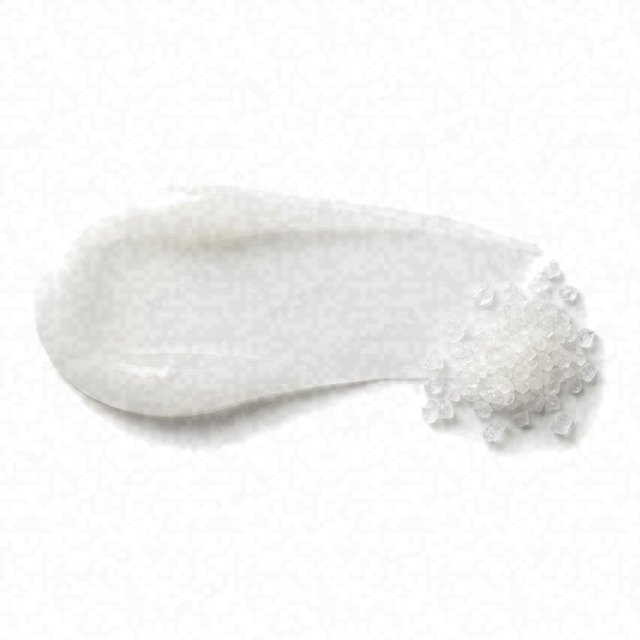 Tranexamic Acid
 Ascorbyl Glucoside
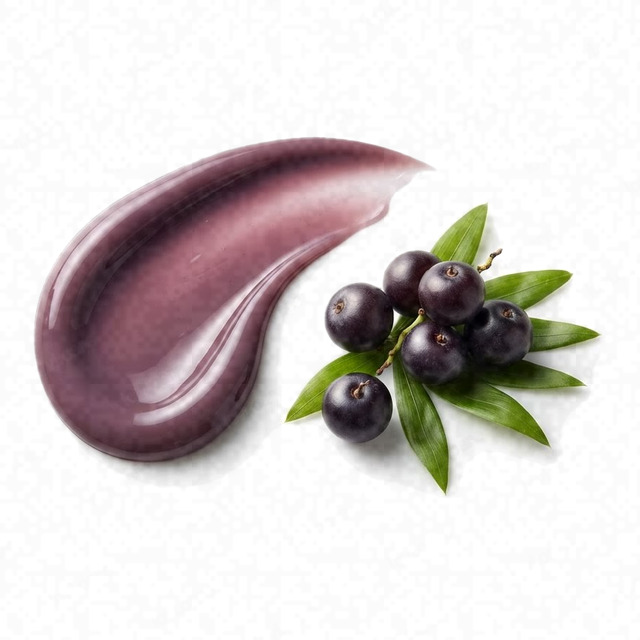 Euterpe Oleracea Fruit Extract
 Squalane
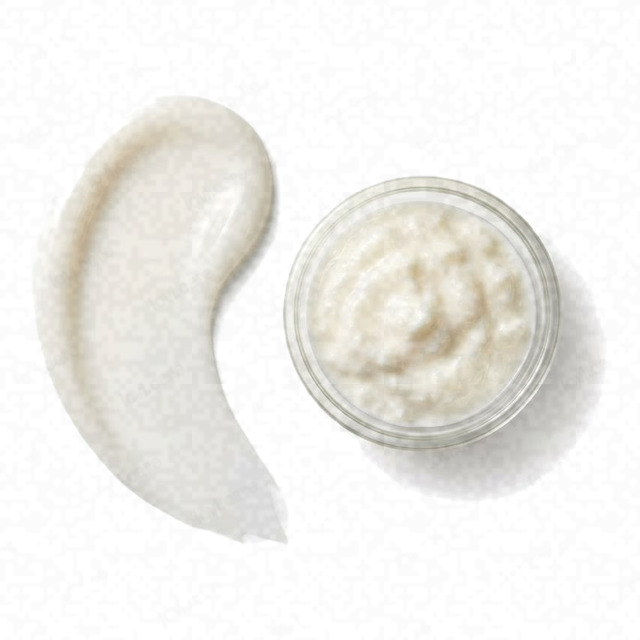 Lactobacillus Ferment
Average
- HighOily Skin Fit
- AverageEffectiveness
- Low RiskSafety
Works for oily acne-prone skin; other serums fit it better.
This fit is calculated for the concerns frequently associated with oily acne-prone skin: shine, breakouts, blemishes, and enlarged pores. For scores and recommendations based on your full skin profile, including your 12D face scan results and any goals or preferences you have, please use the Lovi app.
Page built Nov 8, 2026How the Fit score works
Lovi Assistant explains
- This serum offers moderate brightening for your oily skin, as tranexamic acid and ascorbyl glucoside work to even skin tone and provide antioxidant activity. While beneficial for overall skin health, these ingredients do not directly target your primary concerns of acne, blemishes, and breakouts.
- The formula is highly suitable for oily skin due to the properties of ascorbyl glucoside and tranexamic acid, which help regulate melanogenesis and offer antioxidant benefits.
- The product is generally safe for your skin, with a low risk of irritation from ascorbyl glucoside.
How to apply
- Could be used as part of your PM routine. Start 3 times a week and build up to daily use if your skin tolerates it well.
- Apply your serum after cleansing and toning, but before putting on your moisturizer.
- Gently press 2 to 3 drops of the serum into your skin and let it absorb for a minute.
- Apply the serum on clean, dry skin to help manage your blemishes safely.
- Do a patch test before your first use and avoid the delicate eye area.
People Say
★4.2Overall rating based on 600+ reviewsUsers frequently praise this serum for its ability to fade post-acne marks and hyperpigmentation, noting its lightweight, non-irritating gel texture that layers well. Many report brighter, more even skin tone after consistent use. However, a significant number of users dislike its distinct "meaty" scent and find the pump dispenser frustrating.
Highlights
Lightweight texture Mostly Mentioned
- “Gel consistency”
- “Absorbs quickly”
- “Non-greasy finish”
Unpleasant smell Mostly Mentioned
- “Smells like BBQ/meat”
- “Burnt rubber smell”
- “Smells like plastic”
- “Sulfur smell”
Affordable price Often Mentioned
- “Great value for money”
- “Budget-friendly option”
- “Good entry-level active ingredient”
Fades dark spots Often Mentioned
- “Visibly reduces acne scars”
- “Lightens sun spots”
- “Evens out skin tone”
Faulty packaging Often Mentioned
- “Pump breaks easily”
- “Dispenses too much product”
- “Hard to control the amount dispensed”
Gentle formula Sometimes Noted
- “Non-irritating formula”
- “Suitable for sensitive skin”
- “No stinging or redness”
Slow results Sometimes Noted
- “Takes months to see results”
- “Requires a lot of patience”
- “Only subtle changes observed”
Prevents breakouts Rarely Noted
- “Helps prevent new breakouts”
- “Keeps skin clear”
- “Reduces redness associated with acne”
Drying or sticky Rarely Noted
- “Can feel tacky on the skin”
- “Requires moisturizer to combat dryness”
- “Slightly drying for some users”
Sources: lovi.care, cultbeauty.com, boots.com, sephora.hk, spacenk.com, amazon.com, and more
Questions and answers
How well does The INKEY List Tranexamic Acid work for oily acne-prone skin?
This serum is an average fit for your skin because it provides moderate brightening but does not directly target acne and breakouts. To work best for oily acne-prone skin, a treatment needs ingredients like niacinamide and propolis that control excess oil and target blemishes without causing irritation.
Which ingredients make this serum a good fit for oily acne-prone skin?
Tranexamic acid and ascorbyl glucoside make this serum a good fit by helping to even your skin tone and providing antioxidant benefits with a low risk of irritation. However, because this product does not directly target breakouts, oily acne-prone skin needs a treatment that includes ingredients like niacinamide, propolis, and vitamin C to manage blemishes and excess oil.
What does Tranexamic Acid do for oily acne-prone skin?
Tranexamic acid helps reduce redness and inflamed spots like pimples and pustules on oily, acne-prone skin. It may also fade lingering dark marks left behind by breakouts with a very low chance of irritation.
Journal of Research in Medical Sciences, 2023Journal of Cosmetic Dermatology, 2022
What does Ascorbyl Glucoside do for oily acne-prone skin?
Ascorbyl Glucoside helps brighten dark spots and keeps skin looking clear by fighting breakouts and reducing oil buildup. This ingredient is unlikely to cause irritation and is well-suited for keeping an even, smooth complexion.
International Journal of Molecular Sciences, 2024Journal of Periodontology, 2009
Where does this serum go in a skincare routine for oily acne-prone skin?
This treatment goes in the evening routine, after cleansing and toning and before moisturizing, for simplicity and extra safety around sun exposure. Because this product does not directly target acne and breakouts, an oily acne-prone skin routine needs ingredients like salicylic acid or niacinamide to help clear blemishes and control oil.
Can I use this serum with retinol, and in what order?
You can use this serum with retinol, applying this treatment after your hydrating toner and before your moisturizer in your evening routine. This helps brighten your skin while keeping the formula safe and gentle.
How often should I use this serum?
This treatment is used in the evening routine. Oily acne-prone skin needs products with ingredients that directly target breakouts and blemishes.
Can this serum clog pores, cause breakouts or purging for oily acne-prone skin?
This serum is unlikely to clog pores or cause purging, but because it lacks ingredients that directly target blemishes and breakouts, oily acne-prone skin needs a treatment containing acne-fighting ingredients like salicylic acid or benzoyl peroxide.
Is this serum fragrance-free and alcohol-free?
It has no drying alcohol and contains fragrance (benzyl alcohol).
What the research says
Ascorbic acid 2-glucoside gel significantly reduced gingival melanin pigmentation after 4 weeks compared to placebo in 73 subjects with symmetric pigmentation.
Journal of Periodontology, 2009Treatment with ascorbyl glucoside-arginine complex lotion significantly decreased pigmentation scores and melanin index while increasing lightness in solar lentigos of Japanese females compared to placebo over 24 weeks.
International Journal of Molecular Sciences, 2024Topical application of ascorbic acid 2-glucoside combined with laser gingival depigmentation reduced pigmentation recurrence and increased patient satisfaction at nine months in 20 participants with physiologic gingival hyperpigmentation compared to laser depigmentation alone.
Cureus, 2026Topical application of 5% vitamin C cream significantly improved global clinical scores, increased skin microrelief density, and induced elastic tissue repair in photoaged skin compared to excipient control in healthy female volunteers.
Experimental Dermatology, 2003Topical application of VC-IP cream twice daily for 8 weeks reduces periorbital wrinkles in female subjects compared to a placebo cream.
Journal of Cosmetic Dermatology, 2022Topical treatment with 5% vitamin C and 0.1% madecassoside significantly improved clinical scores for wrinkles, suppleness, firmness, roughness, and skin hydration, along with functional and structural remodeling of the elastic fiber network in 20 female volunteers with photoaged skin after 6 months compared to baseline.
Experimental Dermatology, 2008An acai oil-based organogel containing hyaluronic acid showed no cytotoxicity and provided a high level of hydration, thermal protection, and hyaluronic acid release after 6 hours of application in in vitro and ex vivo tests.
Pharmaceutics, 2024Phenolic compounds from açai fruit, specifically malvidin and cyanidin derivatives, strongly protect immortalized fibroblasts against UV-A-induced oxidative stress by preventing ROS production, GSH depletion, lipid peroxidation, and stress-pathway protein phosphorylation compared to unprotected irradiated cells.
Journal of Photochemistry and Photobiology. B, Biology, 2017Nanotechnological hydrogels containing desonide nanocapsules and açai oil increased epidermal drug retention and reduced ear edema and inflammatory cell infiltration comparably to a commercial formulation with twice the drug concentration in an animal model of acute skin inflammation.
Pharmaceutical Development and Technology, 2022Squalane at 0.005-0.015% counteracts UVA-induced oxidative stress, inflammation, and collagen metabolism inhibition while stimulating fibroblast migration in human dermal fibroblasts.
Molecules, 2025Plant-derived squalane protected human dermal fibroblasts against UVA-induced damage by counteracting ROS formation, suppressing apoptosis-related proteins p53, caspase-3, caspase-9, and PARP, and restoring the pro-survival p-Akt/mTOR pathway.
Antioxidants, 2025Probiotic-derived lotion successfully reduced inflammatory acne lesion counts and erythema index comparably to 2.5% benzoyl peroxide in patients with mild-to-moderate acne vulgaris, while causing fewer side effects.
Journal of Cosmetic Dermatology, 2022Topical application of Lactobacillus plantarum-GMNL6 enhanced collagen synthesis and SPTSSA gene expression while reducing melanin synthesis, Staphylococcus aureus biofilm, and Cutibacterium acnes proliferation, leading to clinical improvements in skin moisture, color, spots, wrinkles, UV spots, and porphyrins in human volunteers.
International Journal of Medical Sciences, 2021Lactobacillus plantarum extracellular vesicles modulated extracellular matrix related gene expression in vitro and suppressed wrinkle formation and pigmentation in clinical trials.
Current Issues in Molecular Biology, 2022
Why other serums fit oily acne-prone skin better
A cream combining propolis, tea tree oil, and Aloe vera reduced erythema scars, acne severity index, and total lesion count better than erythromycin cream in sixty patients with mild to moderate acne vulgaris compared to placebo.
Clinical Pharmacology, 2018Niacinamide and ferulic acid incorporated in a stable multiple emulsion successfully reduced melanin, sebum, and skin erythema while improving skin elasticity and hydration in human skin compared to a placebo.
BioMed Research International, 2022
Ingredients
Water, Butylene Glycol, Glycerin, Ascorbyl Glucoside, Tranexamic Acid, Euterpe Oleracea Fruit Extract, 1-Methylhydantoin-2-Imide, Sodium Acrylates Copolymer, Phenoxyethanol, Carbomer, Sodium Hydroxide, Cetearyl Olivate, Benzyl Alcohol, Sorbitan Olivate, Hydroxyethyl Acrylate Sodium Acryloyldimethyl Taurate Copolymer, Lecithin, Squalane, Ethylhexylglycerin, Sodium Gluconate, Polysorbate 60, Dehydroacetic Acid, Lactobacillus Ferment, Sorbitan Isostearate
Behind this fit score
Lovi calculates every fit score from the full ingredient list with brand-independent rules our dermatologists and cosmetic chemists build and review, and personalizes every pick with AI trained on the real results of millions of users. Lovi trains its fit score models on a proprietary dataset built from more than 10,000 expert-labeled products and more than 100,000 simulated examples, following an internally consistent methodology presented at Cosmoprof, AMWC, and Skin of Color Update.
-

Co-founder, Medical Director
Cosmetic chemist, cosmetologist, aesthetic products developer
-

Co-founder, CEO and CTO
PhD in computer science, 3x US patent holder, ex-Google, ex-Yandex
-

Dr. Sofía Perea Pérez, MD, MSc
Medical Board
Aesthetic medicine practitioner, MSc in Longevity and Anti-Aging Medicine
-

Medical Board
Specialist dermatologist, MBBS, MD, IFAAD
-

Medical Board
Cosmetic chemist, SCS, IFSCC member
-

Medical Board, Medical Advisor
Dermatology MD
-

Elina Nazarenko, MD
Medical Board
Dermatology and diagnostic consultant
-

Victoria Derkova, MS
Medical Board
Cosmetic chemist, cosmetic development technologist


How does it fit your skin?
Scan your face, then any product: Lovi shows how well it fits you and what fits even better.