Paula's Choice Hydrating Gel-To-Cream Cleanser for oily acne-prone skin

 Glycerin
 Aloe Barbadensis Leaf Juice
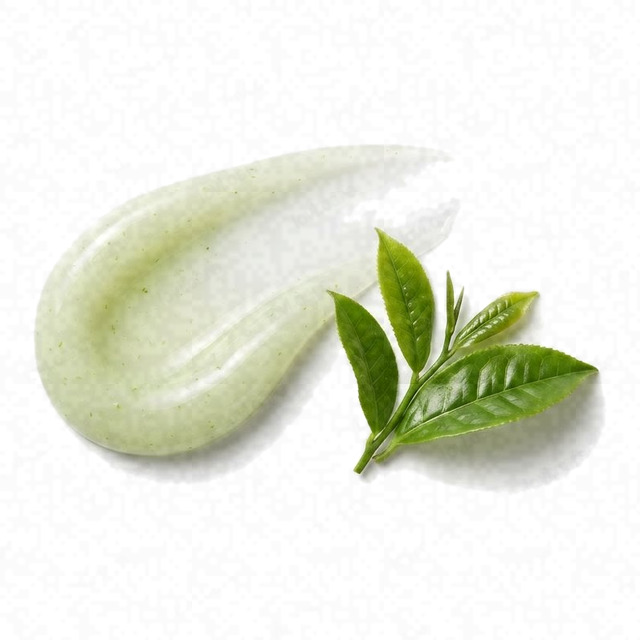 Camellia Sinensis Leaf Extract
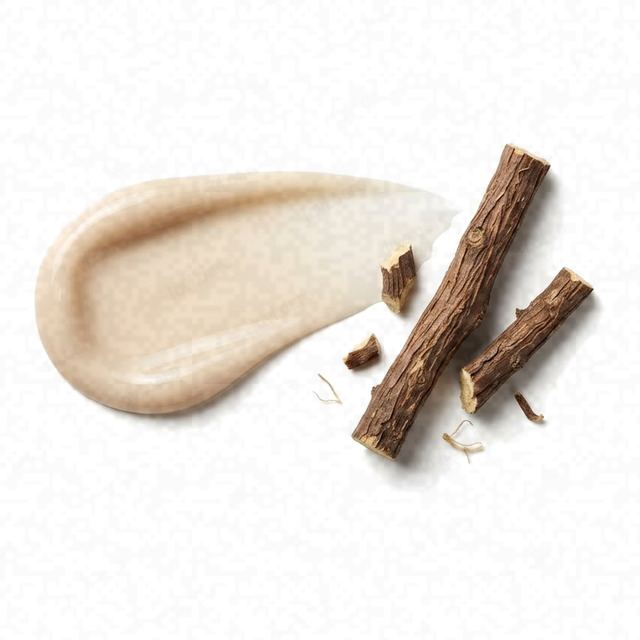 Glycyrrhiza Glabra Root Extract Licorice Root Extract
 Lactic Acid
Average
- AverageOily Skin Fit
- AverageEffectiveness
- ExcellentSafety
Works for oily acne-prone skin; other cleansers fit it better.
This fit is calculated for the concerns frequently associated with oily acne-prone skin: shine, breakouts, blemishes, and enlarged pores. For scores and recommendations based on your full skin profile, including your 12D face scan results and any goals or preferences you have, please use the Lovi app.
Page built Nov 8, 2026How the Fit score works
Lovi Assistant explains
- Offers moderate suitability for your oily skin as glycerin and pentylene glycol provide humectant action to hydrate without excess oil, while sodium cocoyl glycinate and cocamidopropyl hydroxysultaine cleanse effectively without stripping.
- Aloe barbadensis leaf juice and Camellia sinensis leaf extract offer soothing benefits, though the formula lacks stronger ingredients specifically targeting acne and breakouts.
- The safety profile is excellent, with no risks of irritation for your oily skin due to the absence of harsh ingredients and the presence of soothing components.
How to apply
- Use this cleanser as part of your AM and PM routine. Start using it daily to help clear your breakouts.
- Apply this cleanser as the first step in the morning and right after your pre-cleanser in the evening. Follow it with your toner and moisturizer.
- Gently massage a small amount of the cleanser onto your face using circular motions. Rinse thoroughly with lukewarm water and pat dry.
- Apply the cleanser on slightly damp skin to help clean deeply and remove excess oil. This works best for oily skin types.
- Avoid the sensitive eye area during application. Do a patch test before your first use.
People Say
★4.5Overall rating based on 200+ reviewsUsers find this cleanser effectively removes makeup and impurities while maintaining skin's moisture, making it suitable for sensitive and combination skin. The gel-to-cream texture is generally well-received for leaving skin soft and refreshed. Some users report issues with the packaging being difficult to dispense and occasional mild irritation around the eyes.
Highlights
Gentle and non-drying Mostly Mentioned
- “Does not dry skin”
- “Leaves skin feeling soft and refreshed”
- “Never strips or dries”
Effective cleansing Often Mentioned
- “Melts off make up”
- “Lifts away dirt and excess oil”
- “Removes makeup including mascara well”
Fragrance-free formula Sometimes Noted
- “It has no scent”
- “Great for sensitive skin”
- “Fragrance free”
Pleasant texture Sometimes Noted
- “Silky cleanser”
- “Rich, creamy foam”
- “Refreshing gel texture”
Difficult packaging Sometimes Noted
- “Packaging is a bit inconvenient”
- “Hard to squeeze out”
- “Container isn't very pliable”
Expensive product Rarely Noted
- “Pricey for a cleanser”
- “Small bottle for the cost”
- “Good but expensive”
Eye irritation Rarely Noted
- “Irritating for sensitive eyes”
- “Stung my eyes”
- “Avoid the eye area”
Hard to rinse Rarely Noted
- “Takes a lot of rinsing”
- “Film left behind”
- “Hard to wash off”
Sources: lovi.care, paulaschoice.com, dermstore.com, cultbeauty.co.uk, spacenk.com, skinsort.com, and more
Questions and answers
How well does Paula's Choice Hydrating Gel-To-Cream Cleanser work for oily acne-prone skin?
This cleanser works moderately well for oily acne-prone skin, providing gentle cleansing and soothing benefits without stripping moisture. However, it lacks stronger ingredients specifically targeting breakouts, so oily acne-prone skin needs a cleanser that offers powerful blemish-fighting ingredients and oil control.
Which ingredients make this cleanser a good fit for oily acne-prone skin?
Glycerin and pentylene glycol help hydrate your oily skin without adding excess oil, while soothing ingredients like aloe and green tea calm it. A cleanser for this skin type needs powerful ingredients that target acne and control oil production alongside gentle cleansing agents.
Clinical, Cosmetic and Investigational Dermatology, 2017Experimental Dermatology, 2009
What does Glycerin do for oily acne-prone skin?
Glycerin helps keep oily acne-prone skin hydrated without feeling heavy. It draws moisture into the skin while supporting the skin barrier so it stays soft and balanced.
The British Journal of Dermatology, 2008Clinical, Cosmetic and Investigational Dermatology, 2017
What does Aloe Vera Leaf Juice do for oily acne-prone skin?
Aloe Vera Leaf Juice helps calm redness and reduces acne breakouts for oily skin. Studies show it effectively targets acne lesions and lowers redness when used regularly.
Clinical Pharmacology, 2018The Journal of Dermatological Treatment, 2014
Where does this cleanser go in a skincare routine for oily acne-prone skin?
This cleanser is used in both your morning and evening routine, and as the first step before your toner and moisturizer. It cleans your skin without stripping it, but this skin type also needs stronger ingredients that directly target breakouts and blemishes.
Can I use this cleanser with retinol, and in what order?
You can use this cleanser with retinol by washing your face with it before applying your retinol treatment. It is unlikely to irritate your oily skin because it lacks harsh ingredients and contains soothing components.
How often should I use this cleanser?
You can use this cleanser twice a day as part of your morning and evening routine. Using a gentle cleanser daily helps wash away excess oil and impurities without drying out your skin.
Can this cleanser clog pores, cause breakouts or purging for oily acne-prone skin?
This cleanser is unlikely to clog pores or cause breakouts for oily acne-prone skin, as it has a very safe formula with soothing ingredients that avoid irritation. However, because it lacks stronger ingredients specifically targeting acne and breakouts, this skin type needs a cleanser with blemish-fighting additions like salicylic acid or benzoyl peroxide.
Can I use this cleanser around the eyes or on my body?
You can use this cleanser on your body and around your eyes since its gentle ingredients are safe for delicate areas and thinner skin. A cleanser for oily acne-prone skin of this type needs stronger ingredients specifically targeting breakouts and acne.
Is this cleanser fragrance-free and alcohol-free?
Yes, it has no fragrance and no drying alcohol.
What the research says
A single application of a moisturizing fluid containing hyaluronic acid 1%, glycerin 5%, and Centella asiatica stem cells extract significantly increased skin hydration by 29% and reduced transepidermal water loss at 24 hours compared to baseline and an untreated control site in twenty healthy women.
Clinical, Cosmetic and Investigational Dermatology, 2017Topical low-dose green tea extract reduces UVB-induced p53 expression and apoptosis in human skin keratinocytes compared to placebo.
Experimental Dermatology, 2009A cream combining propolis, tea tree oil, and Aloe vera reduced erythema scars, acne severity index, and total lesion count better than erythromycin cream in sixty patients with mild to moderate acne vulgaris compared to placebo.
Clinical Pharmacology, 2018The emollient V0034CR significantly reduced TEWL compared to vehicle and vehicle plus glycerol, and significantly increased corneometry scores compared to vehicle and vehicle plus petrolatum in healthy volunteers with dry skin, demonstrating combined barrier function improvement from petrolatum and hydration improvement from glycerol.
Journal of Cosmetic Dermatology, 2020Ten days of treatment with a cream containing 20% glycerin significantly increased skin hydration measured by corneometer values in 17 healthy volunteers compared to a placebo cream, but showed no influence on transepidermal water loss or skin sensitivity to an irritating surfactant.
International Journal of Cosmetic Science, 2001Niacinamide/glycerin body moisturizers provided better rapid and prolonged improvement of cosmetic xerosis through functional improvement of stratum corneum barrier function compared to no treatment and conventional moisturizers in female subjects.
Journal of Drugs in Dermatology, 2012Topical aloe vera gel significantly accelerated split-thickness skin graft donor-site healing compared to placebo in 12 patients, but showed no significant difference in pain relief.
Plastic and Reconstructive Surgery, 2018Topical application of Aloe vera cream reduced postoperative pain at rest and during defecation, accelerated wound healing at two weeks, and decreased analgesic requirements in patients after open hemorrhoidectomy compared to placebo.
Journal of Alternative and Complementary Medicine, 2010Formulations containing 0.10%, 0.25%, and 0.50% freeze-dried Aloe vera extract increased stratum corneum water content compared with the vehicle in 20 female subjects, while transepidermal water loss was not modified.
Skin Research and Technology, 2006Topical green tea extract significantly improved clinical symptoms, tear breakup times, and meibomian gland health compared to standard treatment in patients with dry eye and Meibomian Gland Dysfunction.
Journal of Clinical and Diagnostic Research, 2017An anti-acne hydrogel containing Aloe barbadensis, Garcinia mangostana, and Camellia sinensis extracts showed superior antiacne and antiblotch activities compared to 1% clindamycin gel in sixty subjects with mild-moderate acne.
Clinical, Cosmetic and Investigational Dermatology, 2019Topical application of green tea extract encapsulated chitosan microparticles improved skin elasticity, melanin index, and facial wrinkles compared to a placebo in female volunteers without causing skin irritation.
Journal of Cosmetic Dermatology, 2022Combining 755 nm alexandrite laser with topical licorice gel significantly reduces terminal hair counts compared to alexandrite laser with placebo in women with idiopathic hirsutism.
Evidence-based Complementary and Alternative Medicine, 2015Licochalcone A activated Nrf2 signaling, elevated cytoprotective enzymes, increased the reduced-to-oxidized glutathione ratio, and decreased reactive oxygen species in human fibroblasts and neutrophils, while a LicA-rich licorice extract lowered UVA-induced oxidative processes in vivo.
Experimental Dermatology, 2015Bioactive glycyrrhizic acid and oxymatrine ionic liquid self-assembled nanomicelles significantly promoted the transdermal permeation, subcutaneous retention, and anti-photoaging efficacy of palmitoyl pentapeptide-4 in cellular and animal models compared to unformulated peptide.
Advanced Science, 2025Application of a cream containing lactic acid 12% and pramoxine HCl 1% significantly improved skin dryness, hydration, and itch compared with a nontreated control in 24 women with a history of dry itchy skin.
Cutis, 2004Topical 12% ammonium lactate produced a significant sparing of epidermal and dermal atrophy induced by clobetasol propionate in human volunteers, without influencing the corticosteroid's bioavailability or antiinflammatory properties.
Journal of the American Academy of Dermatology, 1992A lactic acid/ceramide lotion significantly improved skin moisturization and desquamation compared to no treatment in women with dry, rough skin on the anterior shins.
The Journal of Clinical and Aesthetic Dermatology, 2020
Why other cleansers fit oily acne-prone skin better
Topical 5% tea tree oil gel significantly improved total acne lesions and acne severity index compared to placebo in 60 patients with mild to moderate acne vulgaris, showing 3.55 times and 5.75 times greater efficacy respectively.
Indian Journal of Dermatology, Venereology and Leprology, 2007Tea tree oil gel and face wash significantly reduced total facial acne lesions from 23.7 to 10.7 and improved investigator global assessment scores in 14 participants with mild to moderate facial acne over 12 weeks.
The Australasian Journal of Dermatology, 2017A novel emulsion containing niacinamide, lens esculenta seed extract, and white willow bark extract effectively improved acne, blackheads, and conspicuous facial pores in 30 subjects with oily skin.
Journal of Cosmetic Dermatology, 2024
Ingredients
Water, Sodium Cocoyl Glycinate, Cocamidopropyl Hydroxysultaine, Sodium Lauroamphoacetate, Cocamidopropyl Betaine, Glycerin, Sorbeth-230 Tetraoleate, Decyl Glucoside, Pentylene Glycol, Sodium Chloride, Disodium Cocoyl Glutamate, Lauric Acid, Lactic Acid, Sodium Lauroyl Oat Amino Acids, Sorbitan Laurate, Sodium Cocoyl Glutamate, Disodium Edta, Aloe Barbadensis Leaf Juice, Camellia Sinensis Leaf Extract, Glycyrrhiza Glabra Root Extract Licorice Root Extract, Linoleic Acid, Glycine, Alanine, Serine, Valine, Isoleucine, Proline, Threonine, Cocoyl Proline, Sodium Citrate, Sodium Pca, Sodium Lactate, Arginine, Glycine Soja Soybean Sterols, Caprylic Capric Triglyceride, Pca, Histidine, Phenylalanine, Lactoperoxidase, Glucose Oxidase, Aspartic Acid, Phenoxyethanol, Ethylhexylglycerin
Behind this fit score
Lovi calculates every fit score from the full ingredient list with brand-independent rules our dermatologists and cosmetic chemists build and review, and personalizes every pick with AI trained on the real results of millions of users. Lovi trains its fit score models on a proprietary dataset built from more than 10,000 expert-labeled products and more than 100,000 simulated examples, following an internally consistent methodology presented at Cosmoprof, AMWC, and Skin of Color Update.
-

Co-founder, Medical Director
Cosmetic chemist, cosmetologist, aesthetic products developer
-

Co-founder, CEO and CTO
PhD in computer science, 3x US patent holder, ex-Google, ex-Yandex
-

Dr. Sofía Perea Pérez, MD, MSc
Medical Board
Aesthetic medicine practitioner, MSc in Longevity and Anti-Aging Medicine
-

Medical Board
Specialist dermatologist, MBBS, MD, IFAAD
-

Medical Board
Cosmetic chemist, SCS, IFSCC member
-

Medical Board, Medical Advisor
Dermatology MD
-

Elina Nazarenko, MD
Medical Board
Dermatology and diagnostic consultant
-

Victoria Derkova, MS
Medical Board
Cosmetic chemist, cosmetic development technologist


How does it fit your skin?
Scan your face, then any product: Lovi shows how well it fits you and what fits even better.