Beauty of Joseon Light On Serum: Centella + Vita C for acne-prone skin

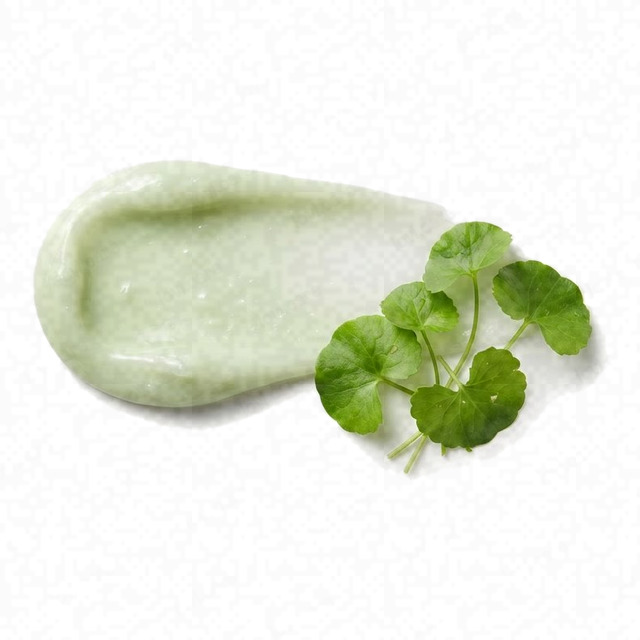 Centella Asiatica
 3-O-Ethyl Ascorbic Acid Ascorbic Acid
 Glycerin
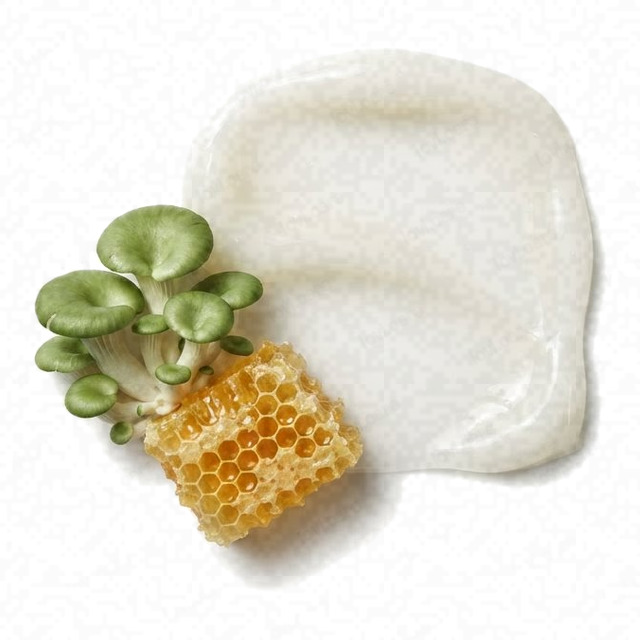 Panthenol
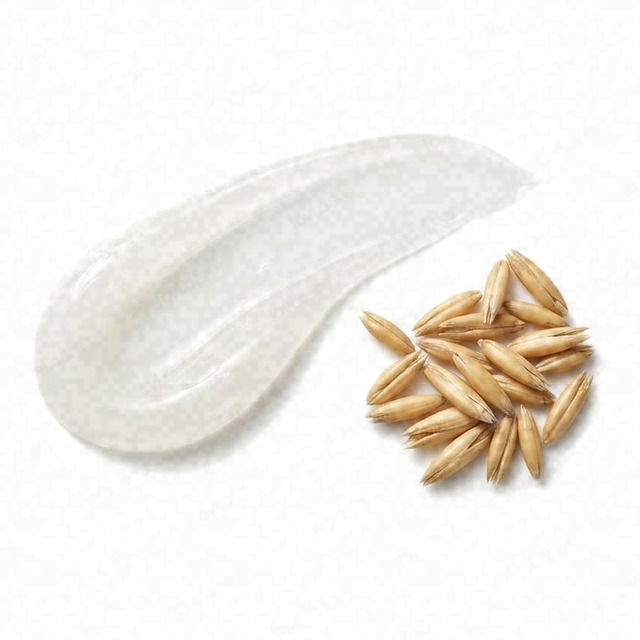 Beta-Glucan
Superior
- SuperiorCombination Skin Fit
- SuperiorEffectiveness
- ExcellentSafety
One of the best serums for acne-prone skin.
This fit is calculated for the concerns frequently associated with acne-prone skin: breakouts, blackheads, and post-acne marks. For scores and recommendations based on your full skin profile, including your 12D face scan results and any goals or preferences you have, please use the Lovi app.
Page built Nov 8, 2026How the Fit score works
Lovi Assistant explains
- Excellent suitability for your combination skin is provided by Centella Asiatica Extract and 3-O-Ethyl Ascorbic Acid, which offer potent anti-inflammatory and brightening effects to target your acne, blemishes, and breakouts.
- Glycerin and Ascorbic Acid Polypeptide further enhance hydration and skin tone evening, ensuring a balanced and radiant complexion.
- The safety profile is excellent due to the absence of harsh ingredients and the inclusion of soothing agents like Bisabolol, making it non-irritating for your skin.
How to apply
- Use your serum as part of your PM routine and start 3x/week before working up to daily use.
- Apply this treatment after cleansing and toner, and before your moisturizer.
- Gently press 2-3 drops of the serum into your skin and let it absorb for a minute.
- Apply the product on clean, dry skin to help manage your breakouts safely.
- Avoid the eye area and do a patch test before your first use.
People Say
★4.6Overall rating based on 2.3k+ reviewsBased on a very large amount of data, this serum is widely praised by users with oily and combination skin for its lightweight, non-sticky gel texture that hydrates and soothes without clogging pores. While many find it gentle and effective for gradual brightening and calming redness, a minority of users with sensitive skin experienced breakouts or irritation.
Highlights
Lightweight gel texture Mostly Mentioned
- “feels like water”
- “absorbs instantly”
- “perfect for oily skin”
- “no sticky residue”
Gentle and soothing Often Mentioned
- “didn't sting my skin”
- “calmed my redness”
- “very gentle vitamin C”
- “great for sensitive skin”
Brightening effect Sometimes Noted
- “faded acne scars”
- “skin looks brighter”
- “helped with hyperpigmentation”
- “complexion looks more even”
Hydrating glow Sometimes Noted
- “gives a nice glow”
- “skin feels hydrated”
- “leaves a dewy finish”
- “moisturizing enough for summer”
Smart packaging Sometimes Noted
- “love the pump”
- “keeps product stable”
- “sanitary packaging”
- “easy to dispense”
Breakouts and irritation Rarely Noted
- “broke me out badly”
- “caused tiny bumps”
- “gave me a rash”
- “woke up with cystic acne”
Not for dry skin Rarely Noted
- “not moisturizing enough”
- “need a heavier cream”
- “skin felt tight”
- “better for oily skin”
Pilling issues Rarely Noted
- “pills under makeup”
- “doesn't layer well”
- “balls up with sunscreen”
- “flakes off”
Slow results Rarely Noted
- “didn't see much difference”
- “no drastic changes”
- “takes a long time”
- “gentle but slow”
Sources: lovi.care, iherb.com, judge.me, reddit.com, skinsider.co.uk, yesstyle.com, and more
Questions and answers
What makes Beauty of Joseon Centella + Vita C Serum one of the best fits for acne-prone skin?
This serum is a great fit because Centella Asiatica and vitamin C help calm blemishes and brighten your acne-prone skin, while glycerin keeps it balanced and hydrated. Its gentle formula is unlikely to cause irritation.
Indian Journal of Pharmaceutical Sciences, 2016Molecules, 2023
Which ingredients make this serum a good fit for acne-prone skin?
Centella Asiatica and 3-O-Ethyl Ascorbic Acid make this serum a great fit by providing strong calming and brightening benefits that help target your acne and breakouts. Soothing ingredients like Bisabolol and hydrating Glycerin also help keep your skin comfortable and balanced without irritation.
Indian Journal of Pharmaceutical Sciences, 2016Molecules, 2023
What does Centella Asiatica do for acne-prone skin?
Centella asiatica helps calm acne-prone skin by reducing redness and soothing inflammation while supporting healing. It may also help manage breakouts by addressing factors like acne blemishes and irritation.
Molecules, 2023Journal of Alternative and Complementary Medicine, 2020
What does 3-O-Ethyl Ascorbic Acid do for acne-prone skin?
3-O-Ethyl Ascorbic Acid is unlikely to aggravate acne-prone skin and may help calm breakouts while brightening dark marks left by blemishes. Vitamin C derivatives support clearer skin by helping to reduce inflammation and balancing skin tone safely.
Where does this serum go in a skincare routine for acne-prone skin?
This serum goes in your evening routine after your cleansing toner and before your moisturizer. Putting it in the evening helps keep your skin safe around sun exposure, though some treatments like this can also be used in the morning or twice a day.
Can I use this serum with retinol, and in what order?
You can use this serum with retinol, but it is best to apply retinol at night and this vitamin C serum in the morning to avoid irritation. This approach helps calm acne while keeping your skin balanced and bright.
How often should I use this serum?
You can use this treatment in the evening as part of your routine. Some active serums of this type may also be used in the morning or twice a day if your skin tolerates them well.
Indian Journal of Pharmaceutical Sciences, 2016Molecules, 2023
Can this serum clog pores, cause breakouts or purging for acne-prone skin?
This serum is unlikely to clog pores or cause breakouts for acne-prone skin because it has an excellent fit and a very safe formula free of harsh ingredients. Soothing agents like bisabolol and centella asiatica extract help calm the skin and keep irritation low.
Indian Journal of Pharmaceutical Sciences, 2016Molecules, 2023
Is this serum fragrance-free and alcohol-free?
Yes, it has no fragrance and no drying alcohol. Cetearyl alcohol is a fatty alcohol, which soften the skin.
What the research says
Cosmetic formulations containing 5% Centella asiatica extract showed the best efficacy in improving skin moisture and decreasing transepidermal water loss, while also exhibiting antiinflammatory properties in 25 volunteers compared to baseline measurements.
Indian Journal of Pharmaceutical Sciences, 2016Co-delivery of paeonol and madecassoside via nanoemulsions improved transdermal delivery, promoted barrier repair proteins, inhibited inflammatory cytokine secretion in cellular and 3D models, and reduced transepidermal water loss and acne in human facial skin compared to free components.
Molecules, 2023A multi-component dissolving microneedle patch loaded with glabridin, 3-O-ethyl-L-ascorbic acid, and tranexamic acid effectively reduced chloasma and age spots while demonstrating safety in clinical evaluation, alongside significant antioxidant, anti-tyrosinase, and melanin-reduction effects in vitro and in vivo.
Polymers, 2023A single application of a moisturizing fluid containing hyaluronic acid 1%, glycerin 5%, and Centella asiatica stem cells extract significantly increased skin hydration by 29% and reduced transepidermal water loss at 24 hours compared to baseline and an untreated control site in twenty healthy women.
Clinical, Cosmetic and Investigational Dermatology, 2017Topical delivery of L-ascorbic acid derivatives via emulgels increased skin hydration and skin whitening potential without significantly altering TEWL or pH over a 30-day in vivo study.
Pharmaceutics, 2023Topical application of 0.05% w/w ECa 233 gel reduced erythema index by 0.03 U and improved early crusting and general wound appearance compared to placebo in thirty individuals undergoing facial laser resurfacing.
Journal of Alternative and Complementary Medicine, 2020Moisturizer containing 5% panthenol, madecassoside, and copper-zinc-manganese decreased adverse reactions and downtime after ablative fractional carbon dioxide laser resurfacing with comparable efficacy to 0.02% triamcinolone acetonide cream in 20 subjects.
Journal of Cosmetic Dermatology, 2019Topical treatment with 5% vitamin C and 0.1% madecassoside significantly improved clinical scores for wrinkles, suppleness, firmness, roughness, and skin hydration, along with functional and structural remodeling of the elastic fiber network in 20 female volunteers with photoaged skin after 6 months compared to baseline.
Experimental Dermatology, 2008Topical application of 5% vitamin C cream significantly improved global clinical scores, increased skin microrelief density, and induced elastic tissue repair in photoaged skin compared to excipient control in healthy female volunteers.
Experimental Dermatology, 2003Ascorbic acid 2-glucoside gel significantly reduced gingival melanin pigmentation after 4 weeks compared to placebo in 73 subjects with symmetric pigmentation.
Journal of Periodontology, 2009Topical application of VC-IP cream twice daily for 8 weeks reduces periorbital wrinkles in female subjects compared to a placebo cream.
Journal of Cosmetic Dermatology, 2022The emollient V0034CR significantly reduced TEWL compared to vehicle and vehicle plus glycerol, and significantly increased corneometry scores compared to vehicle and vehicle plus petrolatum in healthy volunteers with dry skin, demonstrating combined barrier function improvement from petrolatum and hydration improvement from glycerol.
Journal of Cosmetic Dermatology, 2020Ten days of treatment with a cream containing 20% glycerin significantly increased skin hydration measured by corneometer values in 17 healthy volunteers compared to a placebo cream, but showed no influence on transepidermal water loss or skin sensitivity to an irritating surfactant.
International Journal of Cosmetic Science, 2001Niacinamide/glycerin body moisturizers provided better rapid and prolonged improvement of cosmetic xerosis through functional improvement of stratum corneum barrier function compared to no treatment and conventional moisturizers in female subjects.
Journal of Drugs in Dermatology, 2012Topical dexpanthenol acts as a moisturizer, improves stratum corneum hydration, accelerates wound healing and epidermal regeneration, reduces erythema, and improves symptoms of skin irritation compared to vehicle or no pretreatment.
American Journal of Clinical Dermatology, 2002Topical dexpanthenol formulated in lipophilic vehicles improved stratum corneum hydration and reduced transepidermal water loss compared to vehicle control in humans.
Arzneimittel-Forschung, 2000Hyaluronic acid, hyaluronic acid plus dexpanthenol, and isotonic saline nasal sprays all significantly improved dry nose symptoms over four weeks in 240 patients, with hyaluronic acid plus dexpanthenol providing superior nasal moisturisation compared to the other two.
Auris, Nasus, Larynx, 2020Skin care regimens containing beta-glucan improved hemoglobin index, skin hydration, and transepidermal water loss compared to vehicle control in 20 patients undergoing fractional laser therapy.
Journal of Cosmetic Dermatology, 2021Treatment with topical formulations containing beta-glucan combined with nanofractional radiofrequency plus magnetic nanofractional radiofrequency showed the best efficacy and was tolerable and effective in Chinese women with abdominal stretch marks compared to control groups.
Dermatology and Therapy, 2023Topical beta-glucan mildly improved striae gravidarum, 1565-nm non-ablative fractional laser showed better results than topical beta-glucan, and the combined strategy further improved striae gravidarum atrophy compared to single treatment.
The Journal of Dermatology, 2022
Ingredients
Centella Asiatica Extract, 3-O-Ethyl Ascorbic Acid, Glycerin, Propanediol, Betaine, Dicaprylyl Carbonate, Methyl Trimethicone, Cetyl Ethylhexanoate, Panthenol, Laminaria Japonica Extract, Eclipta Prostrata Leaf Extract, Phellodendron Amurense Bark Extract, Citrus Unshiu Peel Extract, Brassica Oleracea Acephala Leaf Extract, Hydrolyzed Gardenia Florida Extract, Hydrogenated Lecithin, Cetearyl Alcohol, Water, Dimethicone Vinyl Dimethicone Crosspolymer, Silica, Bisabolol, Potassium Cetyl Phosphate, Hydrolyzed Jojoba Esters, Cetearyl Olivate, Sorbitan Olivate, Hydroxyethyl Acrylate Sodium Acryloyldimethyl Taurate Copolymer, Ammonium Acryloyldimethyltaurate Beheneth-25 Methacrylate Crosspolymer, Xanthan Gum, Polyglyceryl-10 Myristate, Adenosine, Fructooligosaccharides, Beta-Glucan, Butylene Glycol, Sorbitan Isostearate, Hydrolyzed Hyaluronic Acid, Maltodextrin, Arginine, Carbomer, Ascorbic Acid Polypeptide, 1,2-Hexanediol, Hydroxyacetophenone, Ethylhexylglycerin
Behind this fit score
Lovi calculates every fit score from the full ingredient list with brand-independent rules our dermatologists and cosmetic chemists build and review, and personalizes every pick with AI trained on the real results of millions of users. Lovi trains its fit score models on a proprietary dataset built from more than 10,000 expert-labeled products and more than 100,000 simulated examples, following an internally consistent methodology presented at Cosmoprof, AMWC, and Skin of Color Update.
-

Co-founder, Medical Director
Cosmetic chemist, cosmetologist, aesthetic products developer
-

Co-founder, CEO and CTO
PhD in computer science, 3x US patent holder, ex-Google, ex-Yandex
-

Dr. Sofía Perea Pérez, MD, MSc
Medical Board
Aesthetic medicine practitioner, MSc in Longevity and Anti-Aging Medicine
-

Medical Board
Specialist dermatologist, MBBS, MD, IFAAD
-

Medical Board
Cosmetic chemist, SCS, IFSCC member
-

Medical Board, Medical Advisor
Dermatology MD
-

Elina Nazarenko, MD
Medical Board
Dermatology and diagnostic consultant
-

Victoria Derkova, MS
Medical Board
Cosmetic chemist, cosmetic development technologist


How does it fit your skin?
Scan your face, then any product: Lovi shows how well it fits you and what fits even better.