Shiseido Urban Environment Oil-Free UV Protector SPF 42 for oily skin

 Sodium Hyaluronate
 Zinc Oxide
 Octinoxate
 Octocrylene
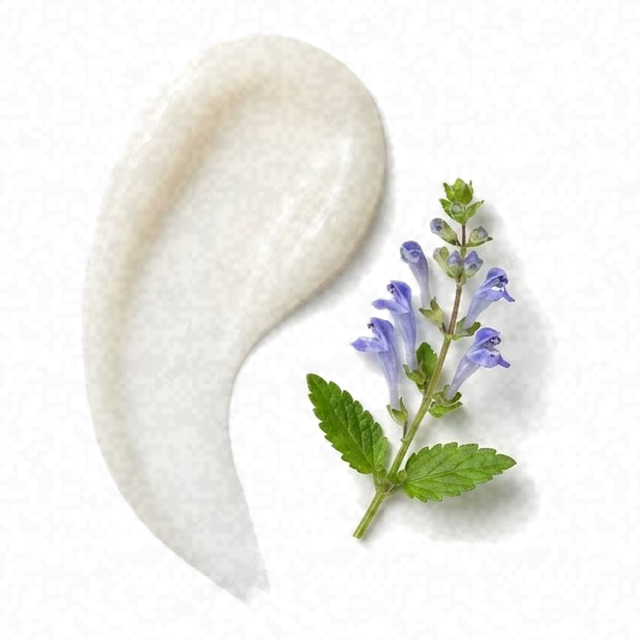 Scutellaria Baicalensis Root Extract
Superior
- SuperiorOily Skin Fit
- HighEffectiveness
- ExcellentSafety
One of the best sunscreens for oily skin.
This fit is calculated for the concerns frequently associated with oily skin: shine, enlarged pores, blackheads, and blemishes. For scores and recommendations based on your full skin profile, including your 12D face scan results and any goals or preferences you have, please use the Lovi app.
Page built Nov 8, 2026How the Fit score works
Lovi Assistant explains
- Excellent suitability for your oily skin is provided by Thiotaurine and Spirulina Platensis Extract, which offer seboregulation and antioxidant activity, respectively, while Silica and Dimethicone absorb excess oil for a matte finish.
- The formula offers excellent protection against UV rays due to high concentrations of Ensulizole, Homosalate, Octisalate, and Zinc Oxide, ensuring effective sun defense.
- The safety profile is excellent, with no risks of irritation for your oily skin due to the absence of harsh ingredients and the presence of soothing agents like Dipotassium Glycyrrhizate and Camellia Sinensis Leaf Extract.
How to apply
- Apply this sunscreen during your AM routine every single day. Reapply every two hours if you are staying outdoors.
- Apply the sunscreen as the final step of your morning skincare routine after your moisturizer. Allow your moisturizer to absorb fully before putting it on.
- Squeeze a generous amount and pat it gently all over your face and neck. Avoid rubbing the product harshly into your skin.
- Apply the sunscreen directly onto dry skin to ensure it forms an even and protective layer against the sun.
- Avoid getting the product directly into your eyes and stop using it if any irritation occurs.
People Say
★4.6Overall rating based on 4.0k+ reviewsBased on a very large amount of data, this sunscreen is highly recommended for oily and combination skin types, effectively controlling sebum and providing a matte finish without causing breakouts. Users appreciate its lightweight, fast-absorbing texture that also serves as a good makeup primer. However, individuals with dry skin may find it too drying, and those with deeper skin tones have noted a potential for a white cast. This information should definitely be taken into account.
Highlights
Excellent oil control Mostly Mentioned
- “keeps my skin matte all day”
- “controls my oily face very well”
- “no greasy feel after application”
Lightweight texture Often Mentioned
- “very thin milky consistency”
- “absorbs almost instantly”
- “super lightweight on the skin”
Expensive, small size Often Mentioned
- “bottle is tiny for the price”
- “finished it in a month”
- “very expensive for 1 oz”
Acne-safe Sometimes Noted
- “didn't cause breakouts”
- “safe for my acne-prone skin”
- “doesn't clog pores”
Great makeup primer Sometimes Noted
- “doubles as a face primer”
- “makeup applies beautifully on top”
- “foundation stays put longer”
Drying formula Sometimes Noted
- “emphasizes dry spots”
- “skin felt tight and dry”
- “too drying for winter use”
Leaves white cast Sometimes Noted
- “leaves a purple/white cast”
- “takes a long time to blend in”
- “not dark skin friendly”
Strong fragrance Rarely Noted
- “scent is too strong”
- “smells heavily of alcohol”
- “fragrance lingered for hours”
Sources: lovi.care, macys.com, ulta.com, shiseido.com, nordstrom.com, sephora.com, and more
Questions and answers
What makes Shiseido Urban Environment Oil-Free UV Protector SPF 42 one of the best fits for oily skin?
This sunscreen is an exceptional fit for oily skin because ingredients like silica and dimethicone soak up extra oil to leave a matte finish, while thiotaurine helps balance oil production. It is very unlikely to cause irritation thanks to soothing additives like dipotassium glycyrrhizate and green tea extract.
Clinical, Cosmetic and Investigational Dermatology, 2019Experimental Dermatology, 2009
Which ingredients make this sunscreen a good fit for oily skin?
Thiotaurine and Spirulina Platensis Extract help balance oil, while Silica and Dimethicone absorb extra shine to leave your skin matte. Soothing ingredients like Dipotassium Glycyrrhizate and Camellia Sinensis Leaf Extract also help keep your skin calm and safe from irritation.
Clinical, Cosmetic and Investigational Dermatology, 2019Pharmaceutical Biology, 2017
What does Hyaluronic Acid do for oily skin?
Hyaluronic acid helps oily skin by reducing extra oil and sebum production without causing irritation. Clinical studies show it successfully balances oil levels while keeping the skin comfortable.
What does Zinc Oxide do for oily skin?
Zinc oxide helps calm oily and breakout-prone skin by reducing redness and targeting bacteria that cause blemishes. It is unlikely to cause irritation and may help balance skin oil production.
Where does this sunscreen go in a skincare routine for oily skin?
This sunscreen goes as the last step of your morning skincare routine, right after your moisturizer.
Can I use this sunscreen with retinol, and in what order?
You can use this sunscreen every morning as the final step of your skincare routine, after applying your moisturizer. It is unlikely to cause irritation on oily skin, and using it consistently helps protect your skin from UV rays while keeping excess oil at bay.
How often should I use this sunscreen?
You can use this sunscreen every morning as the final step of your daytime routine. It helps protect against UV rays while absorbing excess oil to keep your skin matte.
Can this sunscreen clog pores, cause breakouts or purging for oily skin?
This sunscreen is unlikely to clog pores or cause breakouts for oily skin. Its formula uses silica and dimethicone to absorb excess oil for a matte finish while soothing agents help prevent irritation.
Is this sunscreen fragrance-free and alcohol-free?
It has no fragrance and contains drying alcohol (sd alcohol 40-b and alcohol).
What the research says
Spirulina platensis extract incorporated skin cream at 1.125% concentration enhanced wound healing and cell viability in HS2 keratinocyte cells without genotoxic effects on human peripheral blood cells.
Pharmaceutical Biology, 2017A topical sunscreen containing octyl triazone, phenylbenzimidazole sulfonic acid, and methylbenzylidene camphor prevented UVB-induced suppression of intercellular adhesion molecule-1 expression and mixed-lymphocyte reaction in epidermal cell cultures compared to control sunscreens with comparable SPF lacking octyl triazone.
Toxicology in Vitro, 1994An anti-acne hydrogel containing Aloe barbadensis, Garcinia mangostana, and Camellia sinensis extracts showed superior antiacne and antiblotch activities compared to 1% clindamycin gel in sixty subjects with mild-moderate acne.
Clinical, Cosmetic and Investigational Dermatology, 2019Topical low-dose green tea extract reduces UVB-induced p53 expression and apoptosis in human skin keratinocytes compared to placebo.
Experimental Dermatology, 2009Topical application of 0.1% hyaluronic acid formulations of different molecular weights led to significant improvements in skin hydration and elasticity, with low-molecular-weight formulations also significantly reducing wrinkle depth in seventy-six female subjects compared to a vehicle control.
Journal of Drugs in Dermatology, 2011Topical application of hyaluronic acid in conjunction with free gingival graft significantly reduced donor site postoperative pain until day 7 compared to normal saline, with no significant differences in graft dimensions or patient satisfaction.
Clinical Oral Investigations, 2022Treatment with a hyaluronic acid-containing mouth rinse or topical gel led to significant lesion reduction, pain relief, and normalization of lesion color in adult patients with minor recurrent aphthous stomatitis, with the gel formulation showing an earlier healing onset at 3 days.
BMC Oral Health, 2019Topical 0.5% hyaluronic-ZnO nanogel applied twice daily reduced inflammatory-lesion counts by 58% at week four in human subjects compared to baseline without causing erythema.
Biomedicines, 2025Nels cream achieved a similar reduction in inflammatory and noninflammatory lesion counts compared to 5% benzoyl peroxide in acne vulgaris patients, but caused significantly fewer side-effects such as peeling and dryness.
Clinical and Experimental Dermatology, 2000Topically applied coated and uncoated zinc oxide nanoparticles under flexing and massage are retained in the stratum corneum with no significant penetration into the viable epidermis and no cellular toxicity in human skin.
Nanomedicine, 2016Replacing 20% of the chemical UV filter octyl methoxycinnamate with urucum oil in solid lipid nanoparticles maintained the skin protection factor without inducing toxic responses or significant skin penetration in human volunteers.
Skin Pharmacology and Physiology, 2018Liposomal encapsulation of octyl methoxycinnamate increases its safety, skin affinity, and in vivo solar photoprotection factor while slowing its release and enhancing retention in the stratum corneum compared to a conventional formulation.
International Journal of Nanomedicine, 2013Encapsulation of ethylhexyl methoxycinnamate and butyl methoxydibenzoylmethane in lipid microparticles significantly reduced their in vivo human skin penetration compared to nonencapsulated filters.
Skin Pharmacology and Physiology, 2011Incorporating rosmarinic acid into sunscreens enhanced the in vivo SPF of octocrylene by over 157% and reduced lipid peroxidation in the human stratum corneum.
Antioxidants, 2025The application of a sunscreen formulation containing ethylhexyl methoxycinnamate, ethylhexyl salicylate, methyl anthranilate, and octocrylene does not significantly affect critical acne-related species such as Cutibacterium acnes and Staphylococcus epidermidis, refuting the induction of facial dysbiosis in men.
Archives of Dermatological Research, 2024Early application of sunscreen after ablative fractional skin resurfacing significantly increased the sensitization rate of the UV-filter, octocrylene, and the sunscreen compared to intact skin.
The Journal of Dermatological Treatment, 2015Motor baicalin encapsulated in bio-vesicles enhanced water solubility, stability, transdermal penetration, antioxidant activity, and clinical skin antiaging efficacy compared to liposome baicalin and baicalin raw material.
Journal of Cosmetic Dermatology, 2025A nighttime topical antioxidant containing resveratrol, baicalin, and vitamin E significantly improved fine lines, wrinkles, firmness, elasticity, laxity, hyperpigmentation, radiance, roughness, and dermal thickness in subjects with mild to moderately photodamaged skin over 12 weeks.
Journal of Drugs in Dermatology, 2014Glycyrrhizin micellar nanocarriers significantly improved topical penetration and follicular accumulation of baicalin in porcine skin, enhanced human dermal papilla cell proliferation, and promoted hair recovery through Wnt/β-catenin pathway activation and upregulation of VEGF, α-MSH, and IL-10.
International Journal of Pharmaceutics, 2022
Ingredients
Sodium Hyaluronate, Spirulina Energy Essence, Ensulizole, Homosalate, Octisalate, Zinc Oxide, Water, Dimethicone, Trisiloxane, Sd Alcohol 40-B, Glycerin, Silica, Peg Ppg-14 7 Dimethyl Ether, Lauryl Peg-9 Polydimethylsiloxyethyl Dimethicone, Peg-10 Dimethicone, Trehalose, Myristyl Myristate, Ethylhexyl Palmitate, Dextrin Palmitate, Isodecyl Neopentanoate, Ascorbyl Tetraisopalmitate, Thiotaurine, Dipotassium Glycyrrhizate, Scutellaria Baicalensis Root Extract, Paeonia Albiflora Root Extract, Sanguisorba Officinalis Root Extract, Camellia Sinensis Leaf Extract, Garcinia Mangostana Bark Extract, Perilla Ocymoides Leaf Extract, Spirulina Platensis Extract, Triethanolamine, Triethoxycaprylylsilane, Butylene Glycol, Disodium Edta, Disteardimonium Hectorite, Tocopherol, Bht, Alcohol, Isostearic Acid, Menthoxypropanediol, Sodium Metabisulfite, Polysilicone-2, Barium Sulfate, Sodium Citrate, Phenoxyethanol, Benzoic Acid, Iron Oxides
Behind this fit score
Lovi calculates every fit score from the full ingredient list with brand-independent rules our dermatologists and cosmetic chemists build and review, and personalizes every pick with AI trained on the real results of millions of users. Lovi trains its fit score models on a proprietary dataset built from more than 10,000 expert-labeled products and more than 100,000 simulated examples, following an internally consistent methodology presented at Cosmoprof, AMWC, and Skin of Color Update.
-

Co-founder, Medical Director
Cosmetic chemist, cosmetologist, aesthetic products developer
-

Co-founder, CEO and CTO
PhD in computer science, 3x US patent holder, ex-Google, ex-Yandex
-

Dr. Sofía Perea Pérez, MD, MSc
Medical Board
Aesthetic medicine practitioner, MSc in Longevity and Anti-Aging Medicine
-

Medical Board
Specialist dermatologist, MBBS, MD, IFAAD
-

Medical Board
Cosmetic chemist, SCS, IFSCC member
-

Medical Board, Medical Advisor
Dermatology MD
-

Elina Nazarenko, MD
Medical Board
Dermatology and diagnostic consultant
-

Victoria Derkova, MS
Medical Board
Cosmetic chemist, cosmetic development technologist


How does it fit your skin?
Scan your face, then any product: Lovi shows how well it fits you and what fits even better.