NIVEA Derma Skin Clear Anti-Blemish Scrub for dry sensitive skin

 Salicylic Acid
 Niacinamide
 Lactic Acid
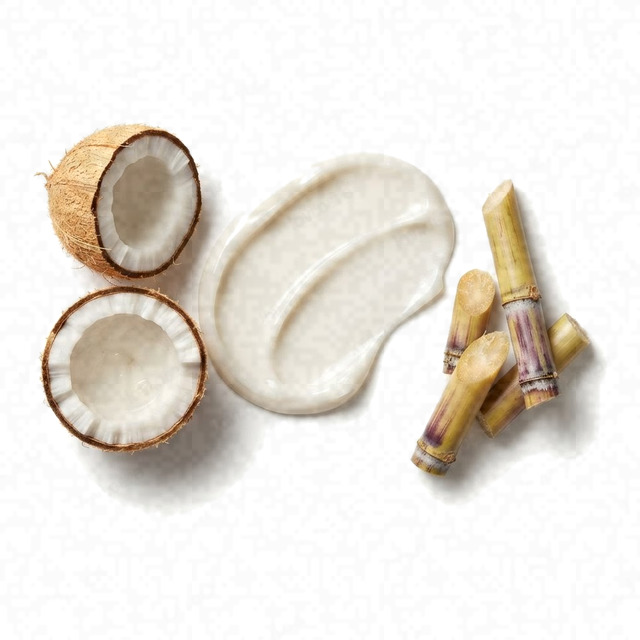 Coco-Glucoside
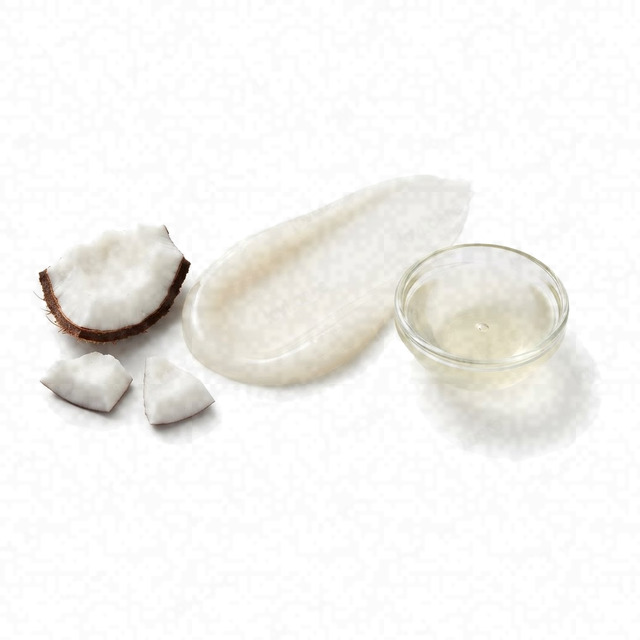 Coco-Betaine
Low
- LowDry Skin Fit
- AverageEffectiveness
- HighSafety
A weak match for dry sensitive skin; the products alongside fit it better.
This fit is calculated for the concerns frequently associated with dry sensitive skin: flakiness, tightness, redness, fine lines, and wrinkles. For scores and recommendations based on your full skin profile, including your 12D face scan results and any goals or preferences you have, please use the Lovi app.
Page built Nov 8, 2026How the Fit score works
Lovi Assistant explains
- Offers moderate exfoliation for your dry and sensitive skin due to lactic acid and salicylic acid, which can help smooth texture but may also cause excessive dryness, partially outweighing niacinamide's barrier repair benefits.
- While the formula is free from harsh ingredients and generally safe for your skin, the exfoliating acids are not specialized for intense hydration, which is your main goal.
- The product is safe for your dry and sensitive skin as it lacks prohibited or harsh ingredients, minimizing irritation risks.
How to apply
- Use your exfoliant PM once a week to help with dryness. Start ⏳3 times a week only if your sensitive skin tolerates it well.
- Apply the exfoliant after cleansing and toning, but always before your favorite moisturizer .
- Gently press 2-3 drops of the exfoliant into your skin and avoid any rubbing. Let it absorb ⏱ for a minute before layering.
- Since your skin is reactive and sensitive, apply the exfoliant on completely dry skin for better tolerance.
- Always do a patch test before your first use and avoid the delicate eye area .
People Say
★4.5Overall rating based on 300+ reviewsUsers with oily and blemish-prone skin frequently praise this scrub for its gentle pore-unclogging and blackhead-reducing abilities, leaving skin feeling smooth and clean without excessive dryness. A significant number of reviewers note that the texture is less abrasive than expected, functioning more like a daily cleanser. Some users also report a reduction in blemishes and appreciate the pleasant scent and feel.
Highlights
Effective cleansing Often Mentioned
- “unclogs pores”
- “removes grease”
- “skin feels clean”
- “refreshingly cleansing”
Gentle, non-drying Often Mentioned
- “doesn't dry out skin”
- “gentle enough for daily use”
- “skin feels moisturized”
- “not stripped bare”
Smoothes skin Often Mentioned
- “skin feels smooth”
- “soft and refreshed”
- “leaves face feeling amazing”
- “instantly smooth”
Not gritty enough Often Mentioned
- “not super gritty”
- “more of a face wash”
- “not as exfoliating as expected”
- “particles are too fine”
Pleasant scent/feel Sometimes Noted
- “smells really nice”
- “fresh feel”
- “lathers well”
- “clean Nivea scent”
Reduces blemishes Sometimes Noted
- “reduces blackheads”
- “helps with acne”
- “less breakouts”
- “settle down spots”
Messy application Rarely Noted
- “tad messy”
- “runny consistency”
- “messy on the face”
Mild dryness Rarely Noted
- “slightly drying”
- “dry the skin out a bit”
- “need moisturizer after”
Slow results Rarely Noted
- “didn't see difference”
- “takes time to work”
- “not effective for deep pores”
Sources: lovi.care, nivea.co.uk, hometesterclub.com, tesco.com, superdrug.com, and more
Questions and answers
Why is NIVEA Derma Skin Clear Anti-Blemish Scrub a weak match for dry sensitive skin?
This scrub is a weak match because its exfoliating acids can cause excessive dryness and are not specialized for the intense hydration your dry and sensitive skin needs. An exfoliant treatment for this skin needs effective moisturizing and nourishing ingredients that provide excellent hydration and support the skin barrier without any risk of irritation.
Which ingredients make this exfoliant a poor fit for dry sensitive skin?
Salicylic acid and lactic acid make this a weak match by providing moderate exfoliation that may cause excessive dryness on dry sensitive skin. A better product for this skin needs intensely hydrating and nourishing ingredients, such as ceramides and vitamin C, to support moisture retention and barrier protection without irritation.
What does Salicylic Acid do for dry sensitive skin?
Salicylic acid is generally a poor fit for dry, sensitive skin because it is designed to clear out pores by removing excess oil, which can easily leave dry skin irritated. A product of this type needs gentle exfoliating helpers paired with rich, soothing moisturizers and barrier-repairing ingredients to keep dry skin calm and comfortable.
What does Niacinamide do for dry sensitive skin?
Niacinamide helps dry sensitive skin by calming irritation and keeping moisture locked in so your face feels soft and smooth. It works to build up your skin barrier and calm redness while being very gentle and unlikely to cause irritation.
Journal of Cosmetic Dermatology, 2004International Journal of Pharmaceutics, 2013
Where does this exfoliant go in a skincare routine for dry sensitive skin?
This exfoliant treatment goes in the evening routine, starting at once a week to see how your skin reacts. Because your skin is dry and sensitive, a product of this type needs gentle exfoliating acids paired with rich, intense hydrators to smooth texture without causing excessive dryness.
Can I use this exfoliant with retinol, and in what order?
Using this scrub with retinol is likely to cause excessive dryness and irritation on your skin. To safely address both goals, a product of this type for dry and sensitive skin needs deeply hydrating ingredients and gentle barrier-repair components.
How often should I use this exfoliant?
This exfoliant is a weak match for your dry sensitive skin, so you should use it only once a week to minimize irritation risks. A product of this type needs gentle exfoliating acids paired with deeply hydrating ingredients like ceramides, hyaluronic acid, or glycerin to deliver intense moisture while smoothing your skin.
Can this exfoliant clog pores, cause breakouts or purging for dry sensitive skin?
This exfoliant is unlikely to clog pores or cause breakouts because it lacks heavy oils and is free from harsh ingredients, though the exfoliating acids may cause some dryness on dry sensitive skin. A product of this type needs extra hydrating ingredients like glycerin or hyaluronic acid to lock in moisture and keep dry skin calm and smooth.
Is this exfoliant fragrance-free and alcohol-free?
It has no drying alcohol and contains fragrance (parfum).
What the research says
Cryotherapy with liquid nitrogen achieved a higher cure rate (39%) than salicylic acid (24%) and a wait-and-see approach (16%) for cutaneous warts at 13 weeks in primary care patients.
CMAJ, 2010A moisturizer containing licochalcone A, 1,2-decanediol, L-carnitine, and salicylic acid significantly reduced noninflammatory, inflammatory, and total acne lesion counts compared to a vehicle control in Thai patients during a 12-week maintenance phase.
BioMed Research International, 2020Treatment with 2% supramolecular salicylic acid hydrogel resulted in a regression and markedly improvement rate of 51.01% compared to 43.10% for Adapaline gel in patients with mild to moderate facial acne vulgaris, showing no significant difference in efficacy.
Journal of Cosmetic Dermatology, 2024Topical post-laser application of human adipocyte-derived mesenchymal stem cell media combined with niacinamide significantly improved wrinkle index, melanin index, patient satisfaction, and investigator esthetic improvement scores compared to vehicle cream in patients with aging skin.
Journal of Cosmetic Dermatology, 2021Topical nicotinamide prevented solar-simulated UV-induced immunosuppression in healthy volunteers, and men experienced immunosuppression at solar-simulated UV doses three times lower than those required for women.
The Journal of Investigative Dermatology, 2008Topical 5% niacinamide applied twice daily for 12 weeks reduced fine lines and wrinkles, hyperpigmented spots, red blotchiness, and skin sallowness, and improved skin elasticity compared to vehicle control in 50 female white subjects with facial photoaging.
Dermatologic Surgery, 2005Application of a cream containing lactic acid 12% and pramoxine HCl 1% significantly improved skin dryness, hydration, and itch compared with a nontreated control in 24 women with a history of dry itchy skin.
Cutis, 2004Topical 12% ammonium lactate produced a significant sparing of epidermal and dermal atrophy induced by clobetasol propionate in human volunteers, without influencing the corticosteroid's bioavailability or antiinflammatory properties.
Journal of the American Academy of Dermatology, 1992A lactic acid/ceramide lotion significantly improved skin moisturization and desquamation compared to no treatment in women with dry, rough skin on the anterior shins.
The Journal of Clinical and Aesthetic Dermatology, 2020Coco-glucoside powered emulgels containing probiotics and prebiotics demonstrated stability without phase separation and preserved probiotic viability for up to 11 days, supporting the skin's natural barrier.
International Journal of Pharmaceutics, 2025The cytotoxic effect of sodium lauryl sulphate on normal human keratinocytes was significantly decreased when combined with cocamidopropyl betaine, Tween 20, and Tween 80 at concentrations well below the critical micelle concentration.
Skin Pharmacology and Applied Skin Physiology, 2003
Why other products fit dry sensitive skin better
A formulation containing glycerol (5%) and xylitol (5%) applied twice daily for 14 days increased skin hydration, filaggrin protein quantity, interdigitation index, and biomechanical properties, and decreased transepidermal water loss compared to untreated and vehicle-treated skin in twelve volunteers with dry skin.
Acta Dermato-venereologica, 2017In 50 participants with sensitive skin, a Ceramide NP C15-containing emollient improved skin barrier function with a significant reduction in transepidermal water loss and induced modest changes in skin microbiota compared to the vehicle.
Skin Pharmacology and Physiology, 2026
Ingredients
Water, Coco-Glucoside, Coco-Betaine, Microcrystalline Cellulose, Acrylates C10-30 Alkyl Acrylate Crosspolymer, Lactic Acid, Niacinamide, Salicylic Acid, Cellulose, Mannitol, Sodium Chloride, Polyquaternium-10, Sodium Benzoate, Sodium Hydroxide, Phenoxyethanol, Benzophenone-4, Parfum, Ci 77289
Behind this fit score
Lovi calculates every fit score from the full ingredient list with brand-independent rules our dermatologists and cosmetic chemists build and review, and personalizes every pick with AI trained on the real results of millions of users. Lovi trains its fit score models on a proprietary dataset built from more than 10,000 expert-labeled products and more than 100,000 simulated examples, following an internally consistent methodology presented at Cosmoprof, AMWC, and Skin of Color Update.
-

Co-founder, Medical Director
Cosmetic chemist, cosmetologist, aesthetic products developer
-

Co-founder, CEO and CTO
PhD in computer science, 3x US patent holder, ex-Google, ex-Yandex
-

Dr. Sofía Perea Pérez, MD, MSc
Medical Board
Aesthetic medicine practitioner, MSc in Longevity and Anti-Aging Medicine
-

Medical Board
Specialist dermatologist, MBBS, MD, IFAAD
-

Medical Board
Cosmetic chemist, SCS, IFSCC member
-

Medical Board, Medical Advisor
Dermatology MD
-

Elina Nazarenko, MD
Medical Board
Dermatology and diagnostic consultant
-

Victoria Derkova, MS
Medical Board
Cosmetic chemist, cosmetic development technologist


How does it fit your skin?
Scan your face, then any product: Lovi shows how well it fits you and what fits even better.