Paula's Choice 25% Vitamin C + Glutathione Clinical Serum for acne-prone skin

 Ascorbic Acid
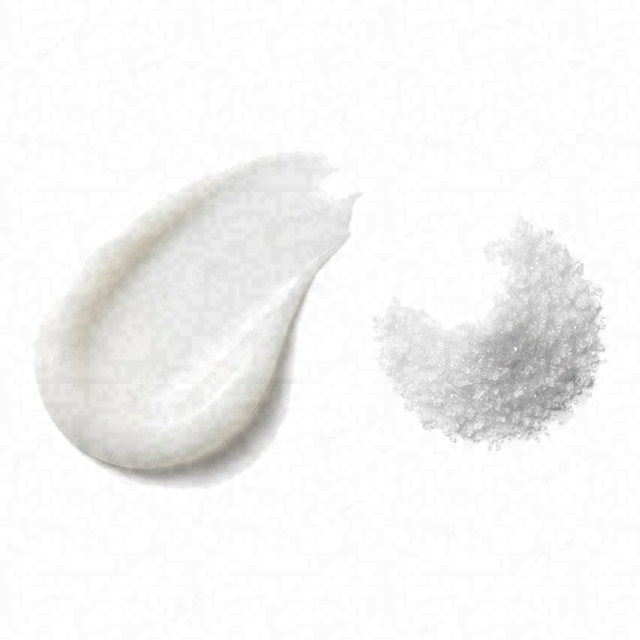 Glutathione
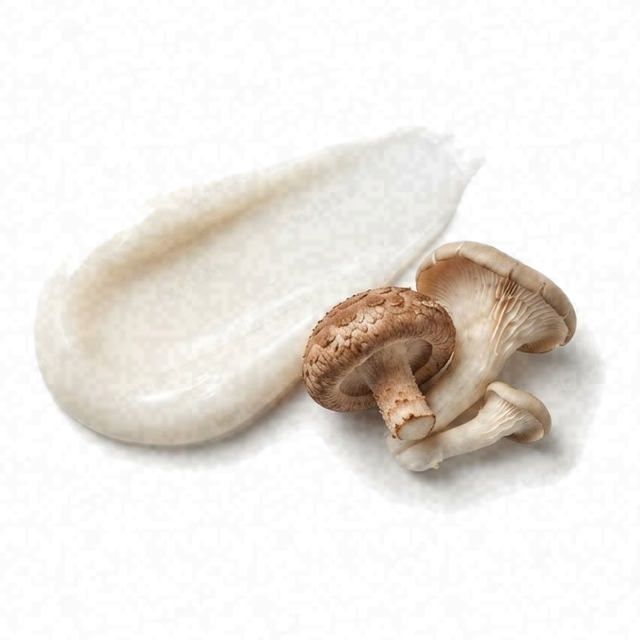 Ergothioneine
 Tocopherol
Average
- HighCombination Skin Fit
- AverageEffectiveness
- HighSafety
Works for acne-prone skin; other serums fit it better.
This fit is calculated for the concerns frequently associated with acne-prone skin: breakouts, blackheads, and post-acne marks. For scores and recommendations based on your full skin profile, including your 12D face scan results and any goals or preferences you have, please use the Lovi app.
Page built Nov 8, 2026How the Fit score works
Lovi Assistant explains
- Offers moderate benefits for your combination skin, as tetrahexyldecyl ascorbate and ascorbic acid provide antioxidant activity and support collagen synthesis, but these ingredients do not directly target your acne, blemishes, and breakouts.
- The formulation includes urea and glutathione which offer general skincare benefits like hydration and antioxidant protection, but these are supportive rather than primary actions for your main concerns.
- The safety profile is excellent, with no risks of irritation due to the absence of harsh ingredients and the presence of soothing components like vitamin C and urea.
How to apply
- Use your serum as part of your PM routine and start 3x/week before working up to daily use.
- Apply this treatment after cleansing and toner, and before your moisturizer.
- Gently press 2-3 drops of the serum into your skin and let it absorb for a minute.
- Apply the product on clean, dry skin to help manage your breakouts safely.
- Avoid the eye area and do a patch test before your first use.
People Say
★4.5Overall rating based on 600+ reviewsMany reviewers report a noticeable glow, improved skin bounce, and the fading of stubborn sun spots and post-inflammatory hyperpigmentation after consistent use.
Highlights
Gentle & non-irritating Mostly Mentioned
- “Finally a vitamin C product I can use”
- “no sensitivity”
Effective brightening Often Mentioned
- “Discoloration almost gone”
- “faded old acne spots”
- “skin looks more radiant”
Elegant texture Often Mentioned
- “Absorbs like a dream”
- “silky lotion texture”
- “doesn't feel sticky or wet”
High price point Often Mentioned
- “Sooooo expensive”
- “can't justify the price”
- “getting outpriced”
Pleasant scent Sometimes Noted
- “Doesn't smell at all”
- “mild pleasant smell”
- “no weird pungent odor”
Caused breakouts Rarely Noted
- “Caused breakouts”
- “irritated my skin”
- “bumps appeared after use”
Heavy for oily Rarely Noted
- “Extremely greasy”
- “too heavy for oily skin”
- “shiny under makeup”
Sources: lovi.care, sephora.com, paulaschoice.com, spacenk.com, cultbeauty.com, youtube.com, and more
Questions and answers
How well does Paula's Choice 25% Vitamin C + Glutathione Serum work for acne-prone skin?
This serum works moderately well for acne-prone skin because its vitamin C and antioxidants offer general protection, but they do not directly target blemishes and breakouts. It is very unlikely to cause irritation due to its gentle formula, though this skin type needs a product with ingredients like niacinamide, propolis, or zinc PCA that directly target acne while keeping skin balanced.
Which ingredients make this serum a good fit for acne-prone skin?
This serum works for acne-prone skin because it contains ascorbic acid and tetrahexyldecyl ascorbate for antioxidant support, along with urea and glutathione for general hydration. However, a product for this skin needs ingredients like niacinamide, propolis, and zinc PCA to directly target acne and blemishes.
What does Vitamin C do for acne-prone skin?
Vitamin C helps brighten skin, smooth out uneven tones, and fade dark spots left behind by breakouts. It is also packed with antioxidants that may help protect acne-prone skin from everyday environmental stress.
What does Glutathione do for acne-prone skin?
Glutathione helps protect acne-prone skin against everyday environmental stress and oxidation. This ingredient is unlikely to clear breakouts on its own, so acne-prone skin needs a product that also targets pores, calms redness, and balances oil with ingredients like salicylic acid or niacinamide.
Journal of the European Academy of Dermatology and Venereology, 2024
Where does this serum go in a skincare routine for acne-prone skin?
This treatment serum goes in the evening routine after cleansing and toning, followed by your moisturizer. Acne-prone skin needs a product of this type that also includes ingredients directly targeting blemishes and breakouts, such as salicylic acid or niacinamide.
Can I use this serum with retinol, and in what order?
You can use this serum with retinol by applying the serum first in your morning routine and your retinol product at night, as this product does not directly target breakouts. Acne-prone skin needs ingredients that unclog pores and directly target blemishes and breakouts.
How often should I use this serum?
This treatment is used in the evening routine, starting once a week and gradually increasing as your skin tolerates it well. This product works for your skin, though other products fit it better, so acne-prone skin needs a product with ingredients that directly target breakouts and blemishes.
Can this serum clog pores, cause breakouts or purging for acne-prone skin?
This serum is unlikely to cause breakouts or clog pores on acne-prone skin, as it has a very safe formula with no harsh ingredients. However, acne-prone skin needs products with ingredients that directly target blemishes and breakouts.
Is this serum fragrance-free and alcohol-free?
Yes, it has no fragrance and no drying alcohol. Cetyl alcohol is a fatty alcohol, which soften the skin.
What the research says
A topical serum containing vitamin C, vitamin E, and raspberry leaf cell culture extract improved skin color, elasticity, radiance, smoothness, scaliness, and wrinkles compared to the untreated contralateral side in fifty female volunteers.
Journal of Cosmetic Dermatology, 2020Urea is a safe and effective dermatologic therapy with wide-ranging clinical utility for various skin conditions and minimal, non-systemic side effects based on a review of the clinical literature.
Dermatology Online Journal, 2013Topical application of 5% vitamin C cream significantly improved global clinical scores, increased skin microrelief density, and induced elastic tissue repair in photoaged skin compared to excipient control in healthy female volunteers.
Experimental Dermatology, 2003Ascorbic acid 2-glucoside gel significantly reduced gingival melanin pigmentation after 4 weeks compared to placebo in 73 subjects with symmetric pigmentation.
Journal of Periodontology, 2009Topical application of VC-IP cream twice daily for 8 weeks reduces periorbital wrinkles in female subjects compared to a placebo cream.
Journal of Cosmetic Dermatology, 2022Glutathione amino acid precursors effectively increase cellular glutathione levels, reducing oxidative stress, ATP depletion, and DNA damage in human keratinocytes, clinical subjects, and ex vivo skin compared to controls.
Journal of the European Academy of Dermatology and Venereology, 2024Topical oxidized glutathione significantly decreases the skin melanin index and improves moisture content, smoothness, wrinkle formation, and elasticity compared to placebo in healthy women.
Clinical, Cosmetic and Investigational Dermatology, 2014Topical glutathione improves hyperpigmentation, reduces ultraviolet-induced erythema and wrinkles, decreases transepidermal water loss, and enhances antioxidant capacity.
The Journal of Clinical and Aesthetic Dermatology, 2025A targeted skincare regimen containing active ingredients such as rhodophyceae extract, ergothioneine, and L-carnosine significantly reduced transepidermal water loss by 24.09%, improved skin elasticity, and decreased redness, dryness, and desquamation in thirty-five female Chinese participants over 4 weeks following advanced optimal pulse technology treatment.
International Journal of Cosmetic Science, 2025A triple combination of ergothioneine, collagen peptides, and sodium hyaluronate attenuated UV-induced skin damage ex vivo and improved facial skin hydration, elasticity, barrier function, and wrinkles in Chinese women.
Frontiers in Nutrition, 2026Ergothioneine at nanomolar concentrations ameliorated UVA-induced skin damage, reactive oxygen species, and apoptosis in human keratinocyte-derived HaCaT cells by upregulating Nrf2/ARE-mediated antioxidant genes.
Free Radical Biology & Medicine, 2015Topical application of an antioxidant serum containing 15% ascorbic acid, 0.5% ferulic acid, and 1% tocopherol prevented particulate matter-induced degradation of extracellular matrix components, inflammation, and oxidative stress in the skin of 15 female volunteers compared to untreated controls.
Journal of Cosmetic Dermatology, 2025Dermatological products containing d-alpha tocopheryl acetate showed non-comedogenic potential with less than a 50% increase in microcomedones in 12 healthy male subjects compared to octyl palmitate.
Contemporary Clinical Trials Communications, 2021Topical application of an antioxidant mix containing 15% ascorbic acid, 0.5% ferulic acid, and 1% tocopherol prevented PM and UV-induced skin barrier perturbation, lipid peroxidation, inflammatory markers, MMP9 activation, and Type I collagen loss in 15 healthy females compared to untreated exposed skin.
Journal of Cosmetic Dermatology, 2024
Why other serums fit acne-prone skin better
Topical nicotinamide plus an antibacterial adhesive agent and zinc-pyrrolidone carboxylic acid combined with adapalene significantly reduced noninflammatory acne lesions by the second week of therapy compared to placebo with adapalene in patients with moderate acne vulgaris.
The Journal of Clinical and Aesthetic Dermatology, 2020A cream combining propolis, tea tree oil, and Aloe vera reduced erythema scars, acne severity index, and total lesion count better than erythromycin cream in sixty patients with mild to moderate acne vulgaris compared to placebo.
Clinical Pharmacology, 2018Niacinamide and ferulic acid incorporated in a stable multiple emulsion successfully reduced melanin, sebum, and skin erythema while improving skin elasticity and hydration in human skin compared to a placebo.
BioMed Research International, 2022
Ingredients
Water, Tetrahexyldecyl Ascorbate, Dimethicone, Glycerin, C9-12 Alkane, Ascorbyl Glucoside, Silica, Pyrus Malus Fruit Extract, Hydrogenated Lecithin, Polyglyceryl-6 Polyricinoleate, Acrylates C10-30 Alkyl Acrylate Crosspolymer, Xanthan Gum, Rice Bran Extract, Hydroxyethyl Acrylate Sodium Acryloyldimethyl Taurate Copolymer, Cetyl Alcohol, Caprylyl Glycol, Lysine Carboxymethyl Cysteinate, Coco Caprylate Caprate, Tocopherol, Glutathione, Sodium Citrate, Sodium Phytate, Hexylene Glycol, Ethylhexylglycerin, Helianthus Annuus Seed Extract Sunflower Seed Extract, Urea, Mannitol, Caprylic Capric Triglyceride, Sodium Pca, Rosmarinus Officinalis Leaf Extract Rosemary Leaf Extract, Polysorbate 60, Sorbitan Isostearate, Trehalose, Ascorbic Acid, Glucose, Vanilla Planifolia Fruit Extract, Polyquaternium-51, Ergothioneine, Triacetin, Sodium Hyaluronate, Phenoxyethanol
Behind this fit score
Lovi calculates every fit score from the full ingredient list with brand-independent rules our dermatologists and cosmetic chemists build and review, and personalizes every pick with AI trained on the real results of millions of users. Lovi trains its fit score models on a proprietary dataset built from more than 10,000 expert-labeled products and more than 100,000 simulated examples, following an internally consistent methodology presented at Cosmoprof, AMWC, and Skin of Color Update.
-

Co-founder, Medical Director
Cosmetic chemist, cosmetologist, aesthetic products developer
-

Co-founder, CEO and CTO
PhD in computer science, 3x US patent holder, ex-Google, ex-Yandex
-

Dr. Sofía Perea Pérez, MD, MSc
Medical Board
Aesthetic medicine practitioner, MSc in Longevity and Anti-Aging Medicine
-

Medical Board
Specialist dermatologist, MBBS, MD, IFAAD
-

Medical Board
Cosmetic chemist, SCS, IFSCC member
-

Medical Board, Medical Advisor
Dermatology MD
-

Elina Nazarenko, MD
Medical Board
Dermatology and diagnostic consultant
-

Victoria Derkova, MS
Medical Board
Cosmetic chemist, cosmetic development technologist


How does it fit your skin?
Scan your face, then any product: Lovi shows how well it fits you and what fits even better.