The Ordinary Retinol 1% in Squalane for oily acne-prone skin

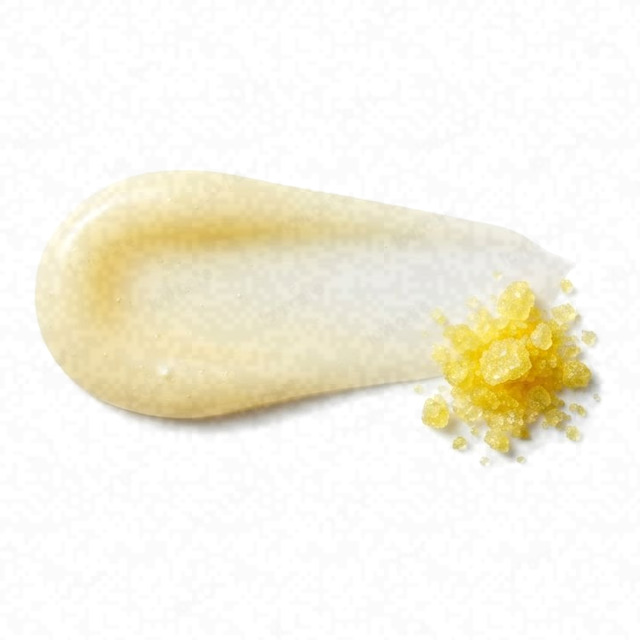 Retinol
 Squalane
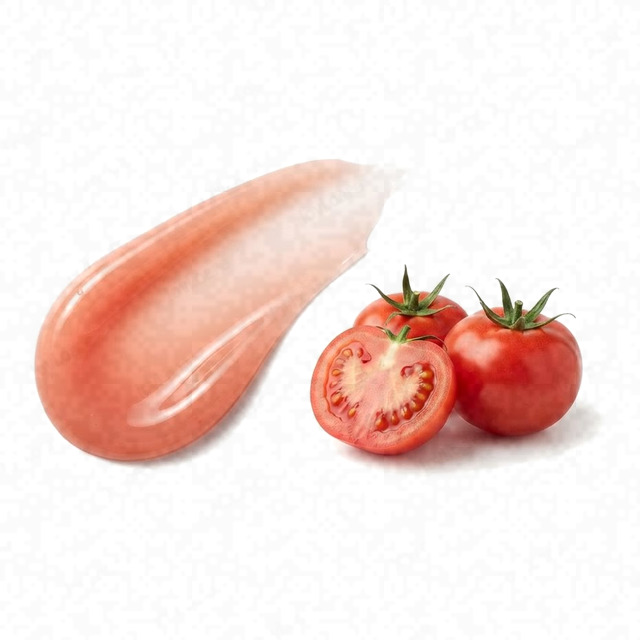 Solanum Lycopersicum Fruit Extract Tomato Fruit Extract
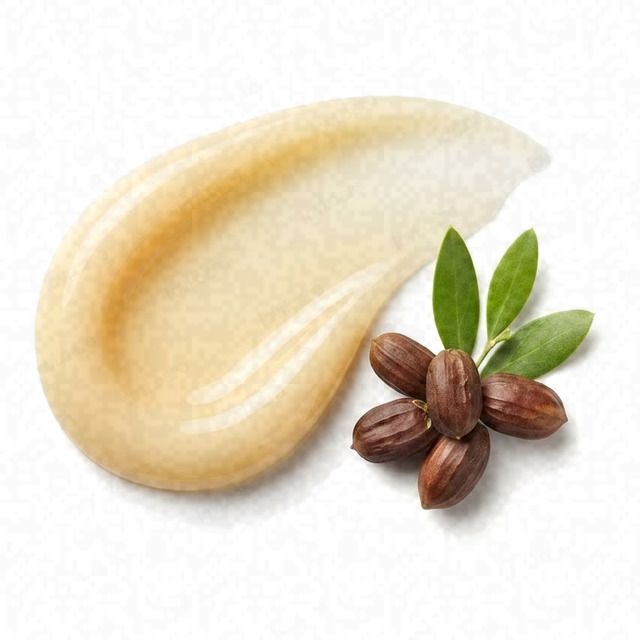 Jojoba Seed Oil
 Bht
Average
- AverageOily Skin Fit
- AverageEffectiveness
- HighSafety
Works for oily acne-prone skin; other serums fit it better.
This fit is calculated for the concerns frequently associated with oily acne-prone skin: shine, breakouts, blemishes, and enlarged pores. For scores and recommendations based on your full skin profile, including your 12D face scan results and any goals or preferences you have, please use the Lovi app.
Page built Nov 8, 2026How the Fit score works
Lovi Assistant explains
- Offers moderate anti-aging benefits for your oily skin due to retinol's desquamation regulation and antioxidant activity, but lacks strong seboregulating ingredients to directly address your acne, blemishes, and breakouts.
- Squalane and jojoba seed oil provide hydration, which is supportive for overall skin health, but these do not specifically target oiliness or congestion.
- The product is safe for your oily skin, with no risks of irritation from harsh ingredients.
How to apply
- Could be used as part of your PM routine. Start 3 times a week and build up to daily use if your skin tolerates it well.
- Apply your serum after cleansing and toning, but before putting on your moisturizer.
- Gently press 2 to 3 drops of the serum into your skin and let it absorb for a minute.
- Apply the serum on clean, dry skin to help manage your blemishes safely.
- Do a patch test before your first use and avoid the delicate eye area.
People Say
★4.4Overall rating based on 700+ reviewsThis water-free serum is widely praised by users with dry or mature skin for its ability to deeply hydrate while delivering potent anti-aging benefits, such as reduced fine lines and smoother texture. Its oil-based squalane formula is frequently described as heavy or greasy, making it a polarizing choice for those with oily or acne-prone skin who often struggle with absorption.
Highlights
Highly affordable Mostly Mentioned
- “Can't beat the price”
- “High potency at a low price”
Greasy/oily finish Mostly Mentioned
- “Face feels like an oil slick”
- “Doesn't fully absorb”
- “Too greasy for oily skin”
Improves skin texture Often Mentioned
- “Wake up to smoother skin”
- “Gives the skin a glow”
- “Texture is much softer”
Moisturizing base Often Mentioned
- “Never feels dry”
- “Squalane keeps it moisturizing”
- “Great for dry skin types”
Effective anti-aging Sometimes Noted
- “Fewer fine lines”
- “Visible plumping effect”
- “Cheeks looked fuller”
Irritation & sensitivity Sometimes Noted
- “Left skin dry and itchy”
- “Caused red patches”
- “Too strong for beginners”
Short shelf life Rarely Noted
- “Have to keep in fridge”
- “Goes bad fast”
- “Only lasts 3 months”
Unpleasant scent Rarely Noted
- “Smells like cooking oil”
- “Faint earthy scent”
- “Off-putting tomato extract smell”
Sources: lovi.care, theordinary.com, sephora.uk, cultbeauty.co.uk, amazon.com, and more
Questions and answers
How well does The Ordinary Retinol 1% in Squalane work for oily acne-prone skin?
This product works moderately well for your oily acne-prone skin because retinol helps smooth out fine lines and surface texture, but it lacks ingredients that directly target breakouts and excess oil. A treatment for this skin needs ingredients like niacinamide, propolis, or vitamin C to control oil and clear blemishes while keeping skin comfortable.
Which ingredients make this serum a good fit for oily acne-prone skin?
Retinol offers moderate anti-aging benefits for your oily skin, while squalane and jojoba seed oil provide light hydration without harsh irritation. However, a product for this skin needs ingredients like niacinamide and vitamin C to target excess oil, blemishes, and breakouts.
What does Retinol do for oily acne-prone skin?
Retinol helps oily acne-prone skin by clearing up breakouts and smoothing the skin, though it may occasionally cause some mild scaling or stinging. This ingredient works by addressing the root causes of acne, making it a reliable choice for keeping pores clear and skin smooth.
American Journal of Clinical Dermatology, 2019Journal of Drugs in Dermatology, 2018
What does Squalane do for oily acne-prone skin?
Squalane may help keep oily skin soft and smooth, but oxidized squalene can trigger inflammation in acne-prone skin. Because of this, oily acne-prone skin needs lightweight, non-greasy ingredients that balance moisture without clogging pores.
Where does it go in a skincare routine for oily acne-prone skin?
Apply this treatment in the evening after cleansing and toning, and before your moisturizer. Oily acne-prone skin requires a product of this type that also includes ingredients to control oil and clear clogged pores.
Can I use this serum with vitamin C, and in what order?
You can use this treatment with vitamin C by applying vitamin C in the morning and this treatment at night. Using them at different times of day helps your skin avoid irritation while still getting the benefits of both ingredients.
How often should I use it?
Use this treatment in your evening routine, starting just once a week so your skin adjusts comfortably. Retinol helps smooth and rejuvenate the skin, while added oils provide gentle hydration with a very low risk of irritation.
Can this serum clog pores, cause breakouts or purging for oily acne-prone skin?
This serum may feel greasy and leave an oily finish on your skin, but it is unlikely to cause irritation. Because it lacks strong oil-controlling ingredients, oily acne-prone skin needs products with targeted blemish-fighting ingredients to stay clear.
Is it fragrance-free and alcohol-free?
Yes, it has no fragrance and no drying alcohol.
What the research says
Topical bakuchiol 0.5% applied twice daily compared with retinol 0.5% applied daily significantly decreased wrinkle surface area and hyperpigmentation with no statistical difference between the compounds in 44 patients over 12 weeks, while retinol users reported more facial skin scaling and stinging.
The British Journal of Dermatology, 2019Butylated hydroxytoluene (BHT) is safe as used in cosmetic formulations at concentrations ranging from 0.0002% to 0.5% due to low dermal penetration and systemic exposure compared to oral administration.
International Journal of Toxicology, 2002Topical 0.4% retinol significantly increased epidermal thickness, dermal vascularity, and extracellular matrix production by stimulating keratinocyte proliferation, endothelial cell proliferation, and fibroblast activation in naturally aged human skin compared to vehicle.
International Journal of Cosmetic Science, 2017Silicone particles encapsulating retinol increased its half-life by 9-fold and yielded 12-23% lower skin irritation in human subjects compared to Microsponge particles while maintaining biological activity.
Journal of Controlled Release, 2018Topical stabilized retinol treatment induced HAS gene expression and increased hyaluronic acid production in human skin in vitro, ex vivo, and in vivo compared to vehicle.
Archives of Dermatological Research, 2017Squalane at 0.005-0.015% counteracts UVA-induced oxidative stress, inflammation, and collagen metabolism inhibition while stimulating fibroblast migration in human dermal fibroblasts.
Molecules, 2025Plant-derived squalane protected human dermal fibroblasts against UVA-induced damage by counteracting ROS formation, suppressing apoptosis-related proteins p53, caspase-3, caspase-9, and PARP, and restoring the pro-survival p-Akt/mTOR pathway.
Antioxidants, 2025Topical lycopene-based emulgel significantly enhanced skin hydration and elasticity while reducing erythema, melanin, and sebum contents in human volunteers compared to a placebo formulation over 12 weeks.
European Journal of Pharmaceutics and Biopharmaceutics, 2022Cosmetic formulations containing lycopene and melatonin showed significant differences in skin sebum content, hydration, elasticity, erythema index, and melanin index compared to control in 36 healthy women.
Skin Pharmacology and Physiology, 2020Topical delivery of lycopene via MG- and TG-containing microemulsions significantly increased stratum corneum and viable skin layer penetration compared to a control solution, with the MG-containing microemulsion also increasing skin antioxidant activity by 10-fold.
Journal of Pharmaceutical Sciences, 2010Clay jojoba oil facial masks reduced total skin lesions by a mean of 54% after 6 weeks in 133 participants with acne-prone, lesioned skin and mild acne compared to baseline.
Forschende Komplementarmedizin, 2012Topical application of jojoba wax reduced LPS-induced secretion of IL-6, IL-8, and TNFα by approximately 30% and increased the synthesis of pro-collagen III and hyaluronic acid compared to untreated skin in an ex-vivo human skin organ culture model.
Frontiers in Pharmacology, 2024Topical jojoba oil application in male mice decreased exercise-induced pro-inflammatory gene expression (Il-1b and Il-6 in soleus, Il-1b in gastrocnemius) compared to untreated exercised mice.
Biomolecules, 2025
Why other serums fit oily acne-prone skin better
A cream combining propolis, tea tree oil, and Aloe vera reduced erythema scars, acne severity index, and total lesion count better than erythromycin cream in sixty patients with mild to moderate acne vulgaris compared to placebo.
Clinical Pharmacology, 2018Niacinamide and ferulic acid incorporated in a stable multiple emulsion successfully reduced melanin, sebum, and skin erythema while improving skin elasticity and hydration in human skin compared to a placebo.
BioMed Research International, 2022
Ingredients
Squalane, Caprylic Capric Triglyceride, Retinol, Solanum Lycopersicum Fruit Extract Tomato Fruit Extract, Jojoba Seed Oil, Bht, Hydroxymethoxyphenyl Decanone, Rosmarinus Officinalis Leaf Extract Rosemary Leaf Extract
Behind this fit score
Lovi calculates every fit score from the full ingredient list with brand-independent rules our dermatologists and cosmetic chemists build and review, and personalizes every pick with AI trained on the real results of millions of users. Lovi trains its fit score models on a proprietary dataset built from more than 10,000 expert-labeled products and more than 100,000 simulated examples, following an internally consistent methodology presented at Cosmoprof, AMWC, and Skin of Color Update.
-

Co-founder, Medical Director
Cosmetic chemist, cosmetologist, aesthetic products developer
-

Co-founder, CEO and CTO
PhD in computer science, 3x US patent holder, ex-Google, ex-Yandex
-

Dr. Sofía Perea Pérez, MD, MSc
Medical Board
Aesthetic medicine practitioner, MSc in Longevity and Anti-Aging Medicine
-

Medical Board
Specialist dermatologist, MBBS, MD, IFAAD
-

Medical Board
Cosmetic chemist, SCS, IFSCC member
-

Medical Board, Medical Advisor
Dermatology MD
-

Elina Nazarenko, MD
Medical Board
Dermatology and diagnostic consultant
-

Victoria Derkova, MS
Medical Board
Cosmetic chemist, cosmetic development technologist


How does it fit your skin?
Scan your face, then any product: Lovi shows how well it fits you and what fits even better.