Anua Heartleaf Silky Moisture Sun Cream for oily acne-prone skin

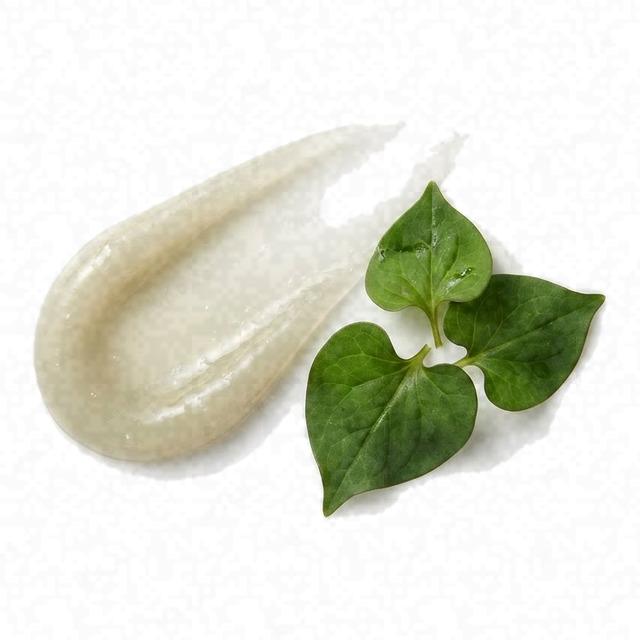 Heartleaf Extract
 Niacinamide
 Glycerin
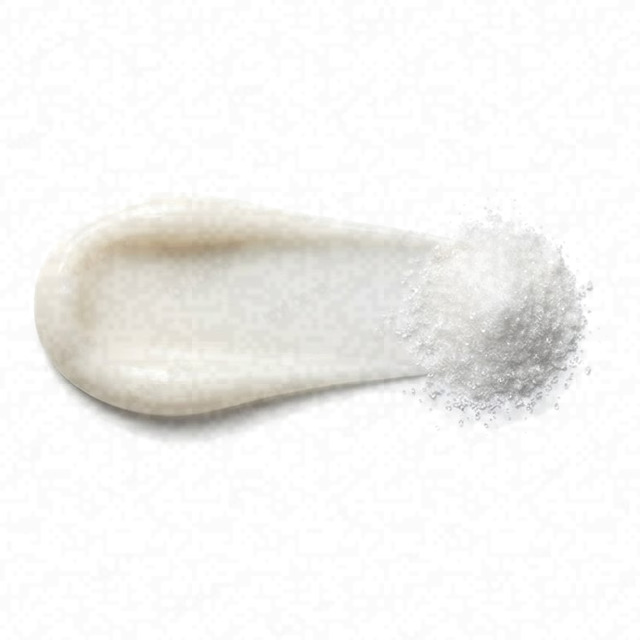 Ethylhexyl Triazone
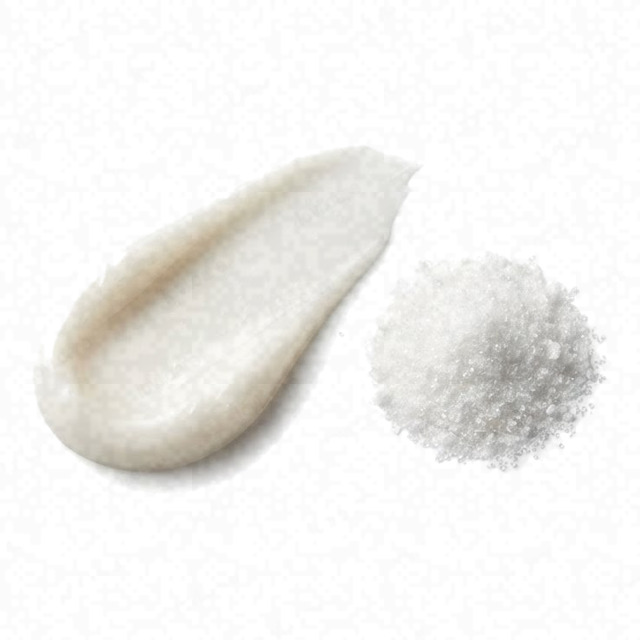 Diethylamino Hydroxybenzoyl Hexyl Benzoate
High
- HighOily Skin Fit
- HighEffectiveness
- HighSafety
One of the best sunscreens for oily acne-prone skin.
This fit is calculated for the concerns frequently associated with oily acne-prone skin: shine, breakouts, blemishes, and enlarged pores. For scores and recommendations based on your full skin profile, including your 12D face scan results and any goals or preferences you have, please use the Lovi app.
Page built Nov 8, 2026How the Fit score works
Lovi Assistant explains
- Excellent sun protection is provided for your oily skin due to ethylhexyl triazone and bis-ethylhexyloxyphenol methoxyphenyl triazine, which shield effectively from UV radiation.
- Houttuynia Cordata Extract and Niacinamide are beneficial for managing your acne, blemishes, and breakouts by reducing inflammation and regulating sebum production.
- The formula is safe for your skin, with no risks of irritation.
How to apply
- Use your moisturizing sunscreen every morning. Reapply throughout the day if you are outside.
- Apply this moisturizing sunscreen as the final step of your morning routine after your moisturizer.
- Gently smooth a nickel-sized amount over your face and neck, avoiding harsh rubbing to keep oily areas calm.
- Apply this moisturizing sunscreen on clean, dry skin to ensure even coverage and protection.
- Avoid getting the product into your eyes and do a patch test before your first use.
People Say
★4.6Overall rating based on 1.2k+ reviewsThis chemical sunscreen is widely praised for its lightweight, silky texture that absorbs quickly without leaving a white cast, making it a favorite for dry and sensitive skin types seeking a dewy glow. Users with oily skin often find the finish too greasy or shiny, and a notable minority report issues with eye stinging and breakouts. This summary is based on a very large amount of data and should definitely be taken into account.
Highlights
Lightweight & silky Mostly Mentioned
- “melts into skin”
- “absorbs beautifully”
- “not heavy”
- “airy finish”
No white cast Mostly Mentioned
- “zero white cast”
- “dark skin friendly”
- “transparent finish”
- “no residue”
Hydrating & moisturizing Often Mentioned
- “skip moisturizer”
- “hydrating but not heavy”
- “good for dry skin”
- “moisturizes well”
Glowy finish Sometimes Noted
- “beautiful glow”
- “dewy look”
- “radiant skin”
- “healthy shine”
Good makeup base Sometimes Noted
- “works as a primer”
- “makeup lasts longer”
- “no pilling”
- “sits well under foundation”
Eye stinging Sometimes Noted
- “stings eyes”
- “watery eyes”
- “burns eyes”
- “eye irritation”
Greasy for oily Sometimes Noted
- “too dewy”
- “greasy film”
- “shiny face”
- “oil slick”
Breakouts & acne Rarely Noted
- “broke me out”
- “small bumps”
- “clogged pores”
- “caused acne”
Skin irritation Rarely Noted
- “face burn”
- “tingling sensation”
- “redness”
- “sensitized skin”
Sources: lovi.care, stylekorean.com, picky.com, stylevana.com, yesstyle.com, reddit.com, and more
Questions and answers
What makes ANUA Silky Moisture Sun Cream a great fit for oily acne-prone skin?
ANUA Heartleaf Silky Moisture Sun Cream is a great fit because its filters shield your skin from UV radiation while heartleaf extract and niacinamide help calm breakouts and keep oil in check. The formula is very gentle and is unlikely to cause irritation.
Which ingredients make this cream a good fit for oily acne-prone skin?
Ethylhexyl triazone and bis-ethylhexyloxyphenol methoxyphenyl triazine protect oily skin from UV rays, while heartleaf extract and niacinamide help calm breakouts and keep oil in check. This formula is unlikely to cause irritation and has a great safety profile for your skin.
What does Heartleaf Extract do for oily acne-prone skin?
Heartleaf Extract helps calm oily, acne-prone skin by fighting bacteria and reducing redness and swelling. It is unlikely to irritate, making it a soothing choice that may protect against breakouts.
Heliyon, 2024Bioscience, Biotechnology, and Biochemistry, 2016
What does Niacinamide do for oily acne-prone skin?
Niacinamide helps balance oil production, calms redness, and is unlikely to irritate oily, acne-prone skin while improving blemishes. Clinical tests show it reduces excess oil and helps clear up both inflammatory and non-inflammatory acne breakouts.
Journal of Cosmetic and Laser Therapy, 2006Journal of Cosmetic Dermatology, 2024
Where does this cream go in a skincare routine for oily acne-prone skin?
This moisturizing sunscreen goes last in your morning routine, right after your moisturizer and before any makeup. It provides your oily skin with excellent sun protection and helps manage breakouts without any risks of irritation.
Can I use this cream with retinol, and in what order?
Yes, you can use this cream with retinol by applying the cream after your retinol treatment in the evening routine. This helps keep your oily acne-prone skin comfortable and is unlikely to cause irritation.
How often should I use this cream?
You can use this cream every morning as the final step of your daytime routine. It provides reliable sun protection and helps manage breakouts while keeping your skin comfortable.
Can this cream clog pores, cause breakouts or purging for oily acne-prone skin?
This cream is unlikely to clog pores or cause breakouts for your oily skin because it contains ingredients like heartleaf extract and niacinamide that help calm redness and keep oil under control. Reviewers rarely report acne from it, and its formula is gentle and safe.
Is this cream fragrance-free and alcohol-free?
Yes, it has no fragrance and no drying alcohol. Cetearyl alcohol is a fatty alcohol, which soften the skin.
What the research says
A hyperoside-enriched fraction of Houttuynia cordata Thunb. inhibited UVB-induced oxidative stress, inflammation, and collagen degradation in human dermal fibroblasts by regulating the MAPK signaling pathway.
Plants, 2021Houttuynia cordata extract containing hyperoside and quercitrin protected human HaCaT keratinocytes from UVB-induced cell damage, apoptosis, oxidative stress, and inflammation by modulating MAPKs and Akt signaling pathways.
Antioxidants, 2022Fermented Houttuynia cordata extracts reduced oxidative stress, inflammation factors, and inflammatory gene expression while increasing keratin-1 gene expression in H2O2 and UVA-treated human skin keratinocytes more effectively than unfermented extracts.
Applied Biochemistry and Biotechnology, 2023Topical treatment of nicotinamide, alone or in combination with other active ingredients, reduces the progression of skin aging and hyperpigmentation in clinical trials while being well tolerated.
Antioxidants, 2021Quercetin phospholipids 1% cream significantly reduced UV-, histamine-, and chemical-induced skin erythema (-10.05%) and mean wheal diameter in 30 healthy human volunteers, showing comparable efficacy to 1% dexchlorpheniramine cream.
Clinical, Cosmetic and Investigational Dermatology, 2016Quercetin-loaded niosomes formulated with Span60-RH40 at a 9:11 mass ratio improved quercetin solubility, photostability, sustained release, and transdermal penetration, yielding a skin retention 2.95 times higher than quercetin solution.
Molecules, 2019Optimized rutin-loaded glycerosomes formulated into a nanosunscreen gel demonstrated sustained drug release, greater skin permeation, good antioxidant activity, and better epidermal retention compared to the dermis, indicating high safety, stability, and sun protection factor values for topical administration.
Gels, 2023Topical post-laser application of human adipocyte-derived mesenchymal stem cell media combined with niacinamide significantly improved wrinkle index, melanin index, patient satisfaction, and investigator esthetic improvement scores compared to vehicle cream in patients with aging skin.
Journal of Cosmetic Dermatology, 2021Topical nicotinamide prevented solar-simulated UV-induced immunosuppression in healthy volunteers, and men experienced immunosuppression at solar-simulated UV doses three times lower than those required for women.
The Journal of Investigative Dermatology, 2008Topical 5% niacinamide applied twice daily for 12 weeks reduced fine lines and wrinkles, hyperpigmented spots, red blotchiness, and skin sallowness, and improved skin elasticity compared to vehicle control in 50 female white subjects with facial photoaging.
Dermatologic Surgery, 2005A single application of a moisturizing fluid containing hyaluronic acid 1%, glycerin 5%, and Centella asiatica stem cells extract significantly increased skin hydration by 29% and reduced transepidermal water loss at 24 hours compared to baseline and an untreated control site in twenty healthy women.
Clinical, Cosmetic and Investigational Dermatology, 2017The emollient V0034CR significantly reduced TEWL compared to vehicle and vehicle plus glycerol, and significantly increased corneometry scores compared to vehicle and vehicle plus petrolatum in healthy volunteers with dry skin, demonstrating combined barrier function improvement from petrolatum and hydration improvement from glycerol.
Journal of Cosmetic Dermatology, 2020Ten days of treatment with a cream containing 20% glycerin significantly increased skin hydration measured by corneometer values in 17 healthy volunteers compared to a placebo cream, but showed no influence on transepidermal water loss or skin sensitivity to an irritating surfactant.
International Journal of Cosmetic Science, 2001Microencapsulation of ethylhexyl triazone in lipid microparticles significantly reduced its in vivo human stratum corneum penetration by 45.7% compared to the nonencapsulated sunscreen.
Skin Pharmacology and Physiology, 2019A topical sunscreen containing octyl triazone, phenylbenzimidazole sulfonic acid, and methylbenzylidene camphor prevented UVB-induced suppression of intercellular adhesion molecule-1 expression and mixed-lymphocyte reaction in epidermal cell cultures compared to control sunscreens with comparable SPF lacking octyl triazone.
Toxicology in Vitro, 1994Oral and dermal administration of Uvinul A plus resulted in three major urinary metabolites accounting for 52% of the oral dose, with a very low estimated daily systemic exposure of 8.1-9.3 μg/d in volunteers not intentionally exposed.
International Journal of Hygiene and Environmental Health, 2020
Ingredients
Water, Houttuynia Cordata Extract, Dibutyl Adipate, Propanediol, Ethylhexyl Triazone, Terephthalylidene Dicamphor Sulfonic Acid, Glycerin, Niacinamide, Caprylyl Methicone, Polymethylsilsesquioxane, Tromethamine, Polyglyceryl-3 Distearate, Cetearyl Alcohol, 1,2-Hexanediol, Pentylene Glycol, Diethylamino Hydroxybenzoyl Hexyl Benzoate, Polysilicone-15, Diospyros Kaki Leaf Extract, Anastatica Hierochuntica Extract, Vitis Vinifera Fruit Extract Grape Fruit Extract, Carthamus Tinctorius Flower Extract, Coffea Arabica Seed Extract Coffee Seed Extract, Polygonum Cuspidatum Root Extract, Camellia Sinensis Leaf Extract, Chestnut Shell Extract, Zanthoxylum Piperitum Fruit Extract, Panthenol, Glyceryl Stearate, Bis-Ethylhexyloxyphenol Methoxyphenyl Triazine, Potassium Cetyl Phosphate, Methylpropanediol, Carbomer, Butylene Glycol, Glyceryl Stearate Citrate, Acrylates C10-30 Alkyl Acrylate Crosspolymer, Ethylhexylglycerin, Ammonium Acryloyldimethyltaurate Vp Copolymer, Adenosine, Polyether-1, Biosaccharide Gum-1
Behind this fit score
Lovi calculates every fit score from the full ingredient list with brand-independent rules our dermatologists and cosmetic chemists build and review, and personalizes every pick with AI trained on the real results of millions of users. Lovi trains its fit score models on a proprietary dataset built from more than 10,000 expert-labeled products and more than 100,000 simulated examples, following an internally consistent methodology presented at Cosmoprof, AMWC, and Skin of Color Update.
-

Co-founder, Medical Director
Cosmetic chemist, cosmetologist, aesthetic products developer
-

Co-founder, CEO and CTO
PhD in computer science, 3x US patent holder, ex-Google, ex-Yandex
-

Dr. Sofía Perea Pérez, MD, MSc
Medical Board
Aesthetic medicine practitioner, MSc in Longevity and Anti-Aging Medicine
-

Medical Board
Specialist dermatologist, MBBS, MD, IFAAD
-

Medical Board
Cosmetic chemist, SCS, IFSCC member
-

Medical Board, Medical Advisor
Dermatology MD
-

Elina Nazarenko, MD
Medical Board
Dermatology and diagnostic consultant
-

Victoria Derkova, MS
Medical Board
Cosmetic chemist, cosmetic development technologist


How does it fit your skin?
Scan your face, then any product: Lovi shows how well it fits you and what fits even better.