ISDIN Eryfotona Actinica for acne-prone skin

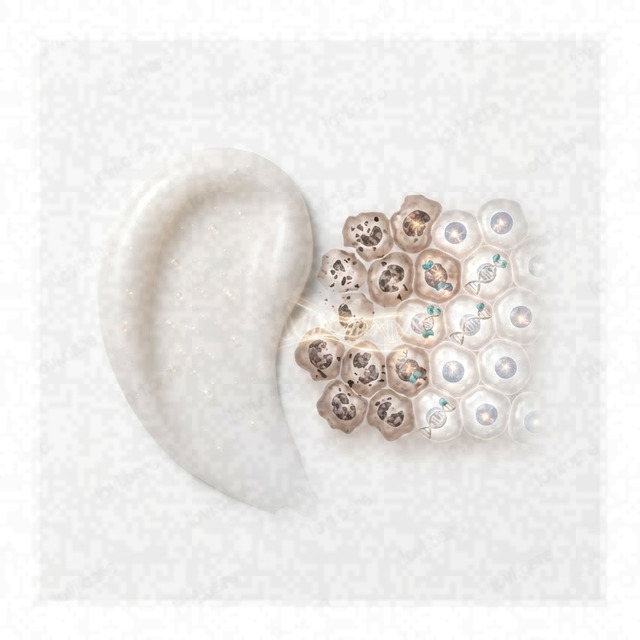 Dna Repairosomes
 Zinc Oxide
 Antioxidants
 Tocopheryl Acetate
 Plankton Extract
High
- HighCombination Skin Fit
- HighEffectiveness
- ExcellentSafety
A great choice for acne-prone skin; a few sunscreens fit it even better.
This fit is calculated for the concerns frequently associated with acne-prone skin: breakouts, blackheads, and post-acne marks. For scores and recommendations based on your full skin profile, including your 12D face scan results and any goals or preferences you have, please use the Lovi app.
Page built Nov 8, 2026How the Fit score works
Lovi Assistant explains
- Offers excellent UV protection and anti-inflammatory benefits for your combination, acne-prone skin, as zinc oxide shields from UV radiation while bisabolol and panthenol soothe irritation.
- Tocopheryl acetate and plankton extract provide antioxidant activity and barrier repair, further supporting your skin's overall health.
- The product is safe for your skin, containing no harsh ingredients and including soothing components.
How to apply
- Apply this moisturizing sunscreen AM every morning as the final step of your daily routine.
- Layer the moisturizing sunscreen after your moisturizer has fully absorbed, right before heading out into the sun .
- Smooth a nickel-sized amount of the moisturizing sunscreen evenly over your face, avoiding harsh rubbing.
- Apply the moisturizing sunscreen onto clean, dry skin to ensure even coverage and protection.
- Perform a patch test before first use and avoid direct contact with the eyes.
People Say
★4.7Overall rating based on 1.2k+ reviewsBased on a very large amount of data, users consistently praise this mineral sunscreen for its ultralight, fluid texture that absorbs quickly without leaving a greasy residue, making it ideal for daily wear under makeup. While highly recommended for sensitive and sun-damaged skin due to its DNA repair enzymes, some users with darker skin tones report a visible white cast, and others find the price point and added fragrance to be significant drawbacks.
Highlights
Ultralight fluid texture Mostly Mentioned
- “absorbs instantly”
- “very watery consistency”
- “not thick or heavy”
- “feels like nothing”
Excellent under makeup Often Mentioned
- “acts like a primer”
- “no pilling”
- “smooth canvas”
- “foundation sits perfectly”
Non-greasy finish Often Mentioned
- “dries down matte”
- “no oily residue”
- “perfect for oily skin”
- “doesn't clog pores”
High price point Often Mentioned
- “very expensive”
- “pricey for size”
- “luxury splurge”
- “wish it was cheaper”
Gentle on sensitive skin Sometimes Noted
- “doesn't sting eyes”
- “no breakouts”
- “soothing application”
Repairs sun damage Sometimes Noted
- “fades dark spots”
- “improves skin texture”
- “prevents actinic keratosis”
- “DNA repairsomes work”
Strong fragrance Sometimes Noted
- “smell is overpowering”
- “unnecessary perfume”
- “scent lingers”
- “strong floral odor”
White cast Sometimes Noted
- “ghostly cast”
- “not for deep tones”
- “purple tint”
- “visible residue”
Runny consistency Rarely Noted
- “spills easily”
- “very liquidy”
- “must shake well”
- “runs out of tube”
Sources: lovi.care, amazon.com, isdin.com, lovelyskin.com, dermstore.com, and more
Questions and answers
What makes ISDIN Eryfotona Actinica a great fit for acne-prone skin?
ISDIN Eryfotona Actinica is a great fit because zinc oxide shields your skin from UV rays while bisabolol and panthenol help calm irritation. It also includes antioxidants and barrier-supporting ingredients that keep your skin safe without harsh components.
American Journal of Clinical Dermatology, 2002Journal of Controlled Release, 2025
Which ingredients make this cream a good fit for acne-prone skin?
Zinc oxide shields your skin from UV rays while bisabolol and panthenol help calm irritation. Tocopheryl acetate and plankton extract also support barrier repair and provide antioxidant benefits.
American Journal of Clinical Dermatology, 2002Journal of Controlled Release, 2025
What do DNA Repairosomes do for acne-prone skin?
DNA Repairosomes are not typically the main focus for acne-prone skin, as they are primarily designed to repair sun damage and UV-related skin stress. To properly care for acne-prone skin, a product of this type needs ingredients that clear out pores, calm redness, and balance oil.
Proceedings of the National Academy of Sciences of the United States of America, 2000Journal of Photochemistry and Photobiology. B, Biology, 2001
What does Zinc Oxide do for acne-prone skin?
Zinc oxide helps calm acne-prone skin by reducing breakouts, redness, and the bacteria linked to pimples. Studies show that using it on your skin is generally safe and unlikely to cause irritation.
Where does this cream go in a skincare routine for acne-prone skin?
This cream goes in the morning routine as the final step after your moisturizer, before going outside. It helps shield acne-prone skin from UV rays while soothing irritation with ingredients like zinc oxide, bisabolol, and panthenol.
Can I use this cream with retinol, and in what order?
You can use this moisturizing SPF in the morning after your retinol treatment, as it provides a great fit and safe sun protection for acne-prone skin. Zinc oxide and soothing components like panthenol and bisabolol help calm potential irritation while keeping your skin protected during the day.
American Journal of Clinical Dermatology, 2002Journal of Controlled Release, 2025
How often should I use this cream?
Apply this moisturizing spf every morning as the final step in your daytime routine. Zinc oxide and soothing components help protect and calm acne-prone skin safely throughout the day.
Can this cream clog pores, cause breakouts or purging for acne-prone skin?
This cream is unlikely to clog pores or cause breakouts for acne-prone skin, as it contains safe, soothing components without harsh ingredients. It helps shield from UV radiation while calming irritation and supporting skin health.
American Journal of Clinical Dermatology, 2002Journal of Controlled Release, 2025
Is this cream fragrance-free and alcohol-free?
It has no fragrance and contains drying alcohol (alcohol denat).
What the research says
Topical dexpanthenol acts as a moisturizer, improves stratum corneum hydration, accelerates wound healing and epidermal regeneration, reduces erythema, and improves symptoms of skin irritation compared to vehicle or no pretreatment.
American Journal of Clinical Dermatology, 2002Biomimetic hyaluronic acid-stabilized zinc oxide nanoparticles selectively inhibited C. acnes, outperformed erythromycin in preclinical acne models, and safely reduced acne lesions and redness in a clinical trial.
Journal of Controlled Release, 2025A new topical panthenol-containing emollient significantly improved transepidermal water loss reduction, stratum corneum hydration, and intercellular lipid lamellae length compared with control in healthy subjects without negatively impacting bacterial viability.
The Journal of Dermatological Treatment, 2017Vitamin E in O/W and W/O emulsions significantly increased stratum corneum hydration and enhanced water-binding capacity, with an optimum concentration of 5%.
Arzneimittel-Forschung, 1998Dermatological products containing d-alpha tocopheryl acetate showed non-comedogenic potential with less than a 50% increase in microcomedones in 12 healthy male subjects compared to octyl palmitate.
Contemporary Clinical Trials Communications, 2021Egg and soy lecithin liposomes exhibited in vitro antioxidant activity and topical wound-healing effects, with egg lecithin liposomes showing better wound-healing outcomes compared with phenytoin 1% cream.
Journal of Comparative Effectiveness Research, 2019Gel-type cosmetic formulations loaded with freeze-dried liposomes containing pequi oil enhanced skin hydration, improved barrier function, and refined microrelief.
Pharmaceutics, 2024Topical 0.5% hyaluronic-ZnO nanogel applied twice daily reduced inflammatory-lesion counts by 58% at week four in human subjects compared to baseline without causing erythema.
Biomedicines, 2025Nels cream achieved a similar reduction in inflammatory and noninflammatory lesion counts compared to 5% benzoyl peroxide in acne vulgaris patients, but caused significantly fewer side-effects such as peeling and dryness.
Clinical and Experimental Dermatology, 2000Topically applied coated and uncoated zinc oxide nanoparticles under flexing and massage are retained in the stratum corneum with no significant penetration into the viable epidermis and no cellular toxicity in human skin.
Nanomedicine, 2016Topical application of an antioxidant serum containing 15% ascorbic acid, 0.5% ferulic acid, and 1% tocopherol prevented particulate matter-induced degradation of extracellular matrix components, inflammation, and oxidative stress in the skin of 15 female volunteers compared to untreated controls.
Journal of Cosmetic Dermatology, 2025Topical application of an antioxidant mix containing 15% ascorbic acid, 0.5% ferulic acid, and 1% tocopherol prevented PM and UV-induced skin barrier perturbation, lipid peroxidation, inflammatory markers, MMP9 activation, and Type I collagen loss in 15 healthy females compared to untreated exposed skin.
Journal of Cosmetic Dermatology, 2024A topical antioxidant serum significantly reduced air pollution-induced skin pigmentation and proinflammatory gene expression ex vivo, and improved skin aging signs in 40 healthy adult females after 90 days of daily use.
Journal of Cosmetic Dermatology, 2022
Ingredients
Zinc Oxide, Water, Diethylhexyl Carbonate, Dibutyl Adipate, Cyclopentasiloxane, Dicaprylyl Carbonate, Alcohol Denat, Cyclohexasiloxane, Butylene Glycol, Peg-30 Dipolyhydroxystearate, Nylon-12, Peg-10 Dimethicone, Dimethicone, Sodium Chloride, Phenoxyethanol, Disteardimonium Hectorite, Triethoxycaprylylsilane, Tocopheryl Acetate, Glyceryl Stearate, Bisabolol, Disodium Edta, Ethylhexylglycerin, Panthenol, Peg-8, Tocopherol, Lecithin, Plankton Extract, Ascorbyl Palmitate, Ascorbic Acid, Citric Acid
Behind this fit score
Lovi calculates every fit score from the full ingredient list with brand-independent rules our dermatologists and cosmetic chemists build and review, and personalizes every pick with AI trained on the real results of millions of users. Lovi trains its fit score models on a proprietary dataset built from more than 10,000 expert-labeled products and more than 100,000 simulated examples, following an internally consistent methodology presented at Cosmoprof, AMWC, and Skin of Color Update.
-

Co-founder, Medical Director
Cosmetic chemist, cosmetologist, aesthetic products developer
-

Co-founder, CEO and CTO
PhD in computer science, 3x US patent holder, ex-Google, ex-Yandex
-

Dr. Sofía Perea Pérez, MD, MSc
Medical Board
Aesthetic medicine practitioner, MSc in Longevity and Anti-Aging Medicine
-

Medical Board
Specialist dermatologist, MBBS, MD, IFAAD
-

Medical Board
Cosmetic chemist, SCS, IFSCC member
-

Medical Board, Medical Advisor
Dermatology MD
-

Elina Nazarenko, MD
Medical Board
Dermatology and diagnostic consultant
-

Victoria Derkova, MS
Medical Board
Cosmetic chemist, cosmetic development technologist


How does it fit your skin?
Scan your face, then any product: Lovi shows how well it fits you and what fits even better.