ISDIN Retinal Intense Serum for acne-prone skin

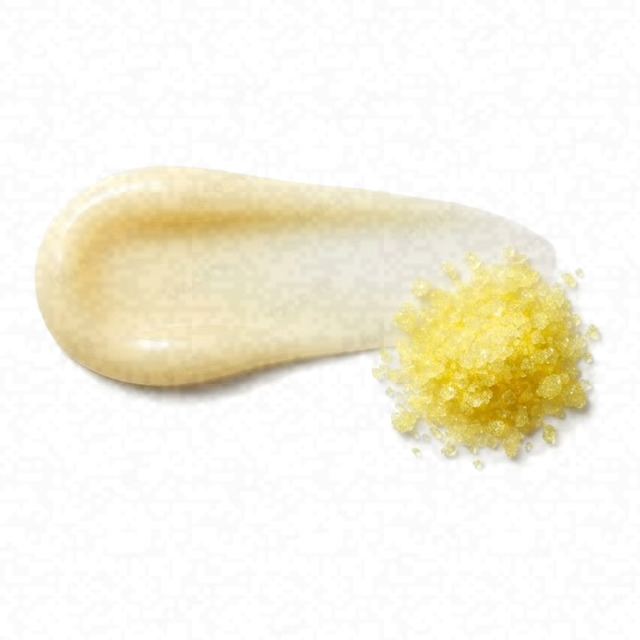 Retinaldehyde
 Niacinamide
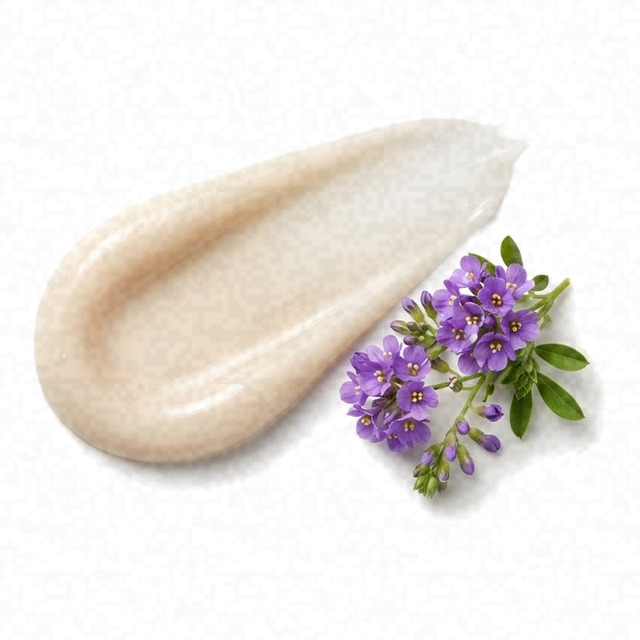 Bakuchiol
 Tocopherol
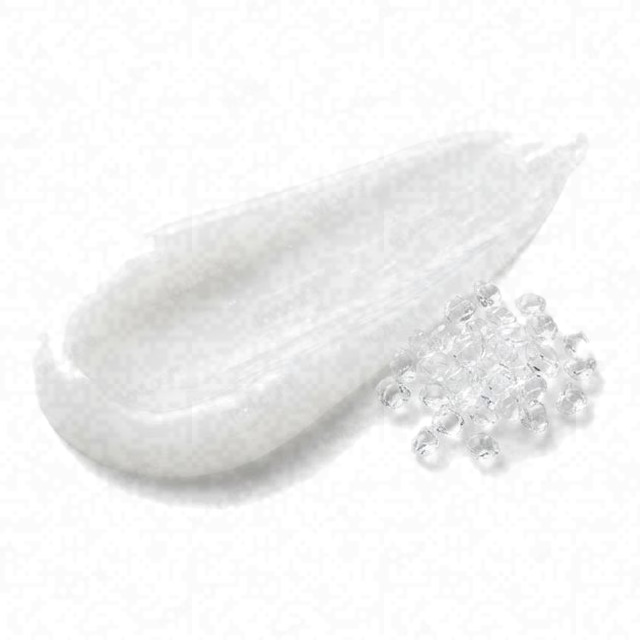 Palmitoyl Tetrapeptide-7
High
- HighCombination Skin Fit
- HighEffectiveness
- HighSafety
A great choice for acne-prone skin; a few serums fit it even better.
This fit is calculated for the concerns frequently associated with acne-prone skin: breakouts, blackheads, and post-acne marks. For scores and recommendations based on your full skin profile, including your 12D face scan results and any goals or preferences you have, please use the Lovi app.
Page built Nov 8, 2026How the Fit score works
Lovi Assistant explains
- Offers high suitability for your combination skin, as retinaldehyde and niacinamide work synergistically to regulate sebum production and promote skin renewal, effectively addressing your acne and breakouts.
- Bakuchiol further supports anti-aging benefits by minimizing fine lines and wrinkles, complementing the primary treatment goals.
- The formulation is safe for your skin, containing no harsh or prohibited ingredients that could cause irritation.
How to apply
- Use your serum as part of your PM routine and start 3x/week before working up to daily use.
- Apply this treatment after cleansing and toner, and before your moisturizer.
- Gently press 2-3 drops of the serum into your skin and let it absorb for a minute.
- Apply the product on clean, dry skin to help manage your breakouts safely.
- Avoid the eye area and do a patch test before your first use.
People Say
★4.8Overall rating based on 100+ reviewsBased on limited data, users highly praise this biphasic night serum for its ability to smooth skin texture and soften fine lines, with many noting it's gentle and non-irritating, even for sensitive skin. While most users experience positive anti-aging results and appreciate its elegant texture, some find the price point to be high and a few report a short shelf life or slow results for deeper wrinkles.
Highlights
Gentle & non-irritating Often Mentioned
- “no excessive exfoliation”
- “gentle enough for sensitive skin”
- “hydrating and calming”
Smoother skin texture Often Mentioned
- “skin was much smoother”
- “leaves an incredibly soft feeling”
- “smoother, toned complexion”
Elegant texture Sometimes Noted
- “silky-smooth finish”
- “absorbs well”
- “luxurious feel”
Visible anti-aging Sometimes Noted
- “softening fine lines”
- “visible difference in 58-year-old skin”
- “reduces wrinkles”
High price point Sometimes Noted
- “hefty price tag”
- “expensive”
- “un poco caro (a bit expensive)”
Initial mild irritation Rarely Noted
- “slight peeling”
- “sensation of heat”
- “minor redness initially”
Short shelf life Rarely Noted
- “only good within 3 months”
- “hard to finish in time”
- “short expiration after opening”
Slow results for some Rarely Noted
- “no noticeable changes yet”
- “limited effect on blemishes”
- “takes time to work”
Sources: lovi.care, lovelyskin.com, dermstore.com, lyskin.com, clinikally.com, youtube.com, and more
Questions and answers
What makes ISDIN Retinal Intense a great fit for acne-prone skin?
ISDIN Retinal Intense is a great fit because retinaldehyde and niacinamide work together to regulate oil production and promote skin renewal, which helps clear up acne and breakouts. Bakuchiol provides extra anti-aging benefits by smoothing fine lines, and the formula is safe and unlikely to cause irritation.
The British Journal of Dermatology, 2019Health Science Reports, 2025
Which ingredients make this serum a good fit for acne-prone skin?
Retinaldehyde and niacinamide make this serum a great fit because they work together to control oil and encourage skin renewal, which helps clear up breakouts. Bakuchiol also supports the formula by gently smoothing the skin without causing irritation.
The British Journal of Dermatology, 2019Health Science Reports, 2025
What does Retinal do for acne-prone skin?
Retinal helps clear acne-prone skin by reducing blemishes, clogged pores, and redness while improving overall skin texture. Side effects are very uncommon when using this ingredient.
International Journal of Cosmetic Science, 2026Clinical and Experimental Dermatology, 1999
What does Niacinamide do for acne-prone skin?
Niacinamide helps acne-prone skin by reducing both inflamed and uninflamed breakouts and calming redness. It is also very helpful for keeping oily skin balanced by cutting down on excess oil production, and it is well tolerated by most people.
Where does this serum go in a skincare routine for acne-prone skin?
Apply this serum in the evening after cleansing and toning, followed by your moisturizer. Putting treatments in the evening keeps things simple and provides extra safety around sun exposure.
Can I use this serum with AHA, and in what order?
You can use this serum with AHAs, but it is best to use them on alternate nights or separate times of day to avoid excessive irritation on acne-prone skin. Applying both at the same time may cause dryness or peeling since both ingredients actively promote skin renewal.
How often should I use this serum?
This treatment is applied in your evening routine, starting slowly to see how your skin adjusts. Retinaldehyde and niacinamide help regulate oil production and clear breakouts, while a safe formula is unlikely to cause irritation.
Can this serum clog pores, cause breakouts or purging for acne-prone skin?
This serum is a great fit for your acne-prone skin because retinaldehyde and niacinamide work together to control oil and clear breakouts without clogging pores. While initial mild irritation is unlikely, it may cause a brief period of purging as your skin adjusts to the faster cell renewal.
Is this serum fragrance-free and alcohol-free?
It contains fragrance (parfum) and drying alcohol (alcohol denat).
What the research says
Twice daily application of retinaldehyde 0.1% and 0.05% creams for 3 months improved skin texture and hydration and reduced transepidermal water loss in 40 female Korean volunteers, with only the 0.1% cream significantly improving the melanin index.
Journal of Cosmetic Dermatology, 2018Topical retinaldehyde demonstrated significant antibacterial activity against gram-positive bacteria both in vitro and in vivo, leading to decreased bacterial counts without inducing resistance.
Dermatology, 2002Topical 0.05% retinaldehyde applied over 1 year significantly increased epidermal thickness of the temple and cutaneous elasticity compared to an emollient control group in 40 aging skin patients.
Dermatology, 1999Topical post-laser application of human adipocyte-derived mesenchymal stem cell media combined with niacinamide significantly improved wrinkle index, melanin index, patient satisfaction, and investigator esthetic improvement scores compared to vehicle cream in patients with aging skin.
Journal of Cosmetic Dermatology, 2021Topical nicotinamide prevented solar-simulated UV-induced immunosuppression in healthy volunteers, and men experienced immunosuppression at solar-simulated UV doses three times lower than those required for women.
The Journal of Investigative Dermatology, 2008Topical 5% niacinamide applied twice daily for 12 weeks reduced fine lines and wrinkles, hyperpigmented spots, red blotchiness, and skin sallowness, and improved skin elasticity compared to vehicle control in 50 female white subjects with facial photoaging.
Dermatologic Surgery, 2005Topical bakuchiol 0.5% applied twice daily compared with retinol 0.5% applied daily significantly decreased wrinkle surface area and hyperpigmentation with no statistical difference between the compounds in 44 patients over 12 weeks, while retinol users reported more facial skin scaling and stinging.
The British Journal of Dermatology, 2019A dermocosmetic containing bakuchiol, Ginkgo biloba extract, and mannitol improves inflammatory lesions, Investigator Global Assessment, and seborrhea intensity when added to adapalene 0.1% gel in patients with acne vulgaris.
Clinical, Cosmetic and Investigational Dermatology, 2015Topical application of a serum containing supramolecular Bakuchiol and Terminalia chebula extract significantly improved barrier function, reduced redness and sensitivity, and improved wrinkles and elasticity in 34 Chinese subjects with sensitive skin after 28 days.
Health Science Reports, 2025Topical application of an antioxidant serum containing 15% ascorbic acid, 0.5% ferulic acid, and 1% tocopherol prevented particulate matter-induced degradation of extracellular matrix components, inflammation, and oxidative stress in the skin of 15 female volunteers compared to untreated controls.
Journal of Cosmetic Dermatology, 2025Dermatological products containing d-alpha tocopheryl acetate showed non-comedogenic potential with less than a 50% increase in microcomedones in 12 healthy male subjects compared to octyl palmitate.
Contemporary Clinical Trials Communications, 2021Topical application of an antioxidant mix containing 15% ascorbic acid, 0.5% ferulic acid, and 1% tocopherol prevented PM and UV-induced skin barrier perturbation, lipid peroxidation, inflammatory markers, MMP9 activation, and Type I collagen loss in 15 healthy females compared to untreated exposed skin.
Journal of Cosmetic Dermatology, 2024A multi-modal methodology combining MALDI-MSI, in vivo RCM, echography, and histology revealed age-related decreases in extracellular matrix and epidermal-dermal junction proteins and undulation depth, while a blend of palmitoyl oligopeptide and palmitoyl tetrapeptide-7 improved subepidermal low-echogenic band thickness, density, and extracellular matrix structure compared to placebo.
Journal of Cosmetic Dermatology, 2015Palmitoyl tetrapeptide-7, acetyl hexapeptide-8, palmitoyl tripeptide-1, and palmitoyl tetrapeptide-10 significantly increased type III collagen levels in human dermal fibroblasts following UV exposure, with their combination demonstrating a greater effect in vitro and enhancing type I, III, and IV collagen levels in ex vivo skin tissues compared to individual components.
International Journal of Cosmetic Science, 2026
Ingredients
Water, Dimethicone, Dibutyl Adipate, Niacinamide, Isoamyl Laurate, Lauryl Peg Ppg-18 18 Methicone, Glycerin, Propanediol, Dimethicone Vinyl Dimethicone Crosspolymer, Alcohol Denat, Bakuchiol, 2-Hexanediol, Pentylene Glycol, Caprylic Capric Triglyceride, Ethylcellulose, Hydroxyacetophenone, Pentaerythrityl Tetra-Di-T-Butyl Hydroxyhydrocinnamate, 4-T-Butylcyclohexanol, Caprylyl Glycol, Parfum, Sodium Acrylates Crosspolymer-2, Polyacrylate Crosspolymer-6, Vigna Aconitifolia Seed Extract, Tocopheryl Acetate, Tocopherol, Citric Acid, Xanthan Gum, Maltodextrin, Melatonin, Retinal Retinaldehyde, Silica, Disodium Edta, Synthetic Fluorphlogopite, Ci 77891 Titanium Dioxide, Ascorbic Acid, T-Butyl Alcohol, Rosmarinus Officinalis Leaf Extract Rosemary Leaf Extract, Palmitoyl Tetrapeptide-7, Tin Oxide, Chrysin
Behind this fit score
Lovi calculates every fit score from the full ingredient list with brand-independent rules our dermatologists and cosmetic chemists build and review, and personalizes every pick with AI trained on the real results of millions of users. Lovi trains its fit score models on a proprietary dataset built from more than 10,000 expert-labeled products and more than 100,000 simulated examples, following an internally consistent methodology presented at Cosmoprof, AMWC, and Skin of Color Update.
-

Co-founder, Medical Director
Cosmetic chemist, cosmetologist, aesthetic products developer
-

Co-founder, CEO and CTO
PhD in computer science, 3x US patent holder, ex-Google, ex-Yandex
-

Dr. Sofía Perea Pérez, MD, MSc
Medical Board
Aesthetic medicine practitioner, MSc in Longevity and Anti-Aging Medicine
-

Medical Board
Specialist dermatologist, MBBS, MD, IFAAD
-

Medical Board
Cosmetic chemist, SCS, IFSCC member
-

Medical Board, Medical Advisor
Dermatology MD
-

Elina Nazarenko, MD
Medical Board
Dermatology and diagnostic consultant
-

Victoria Derkova, MS
Medical Board
Cosmetic chemist, cosmetic development technologist


How does it fit your skin?
Scan your face, then any product: Lovi shows how well it fits you and what fits even better.