Paula's Choice Skin-Smoothing Retinol Body Treatment for sensitive skin

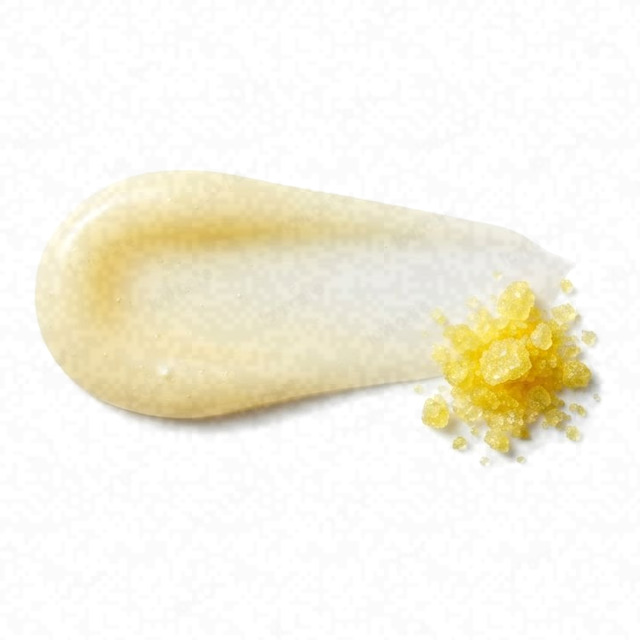 Retinol
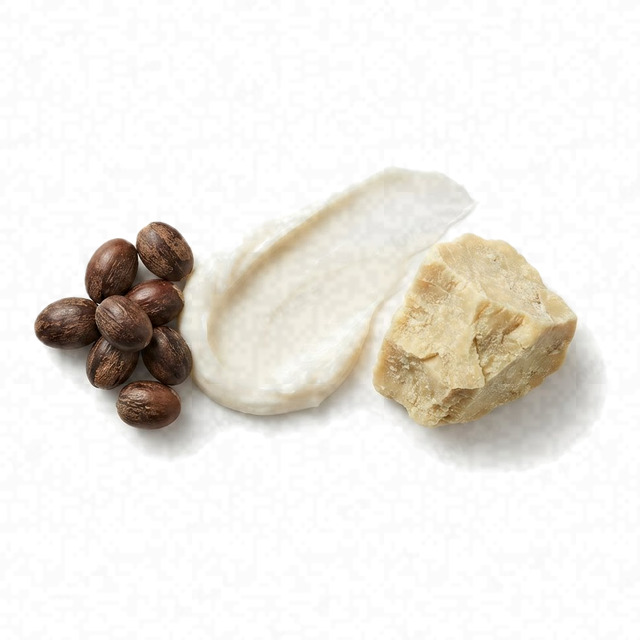 Butyrospermum Parkii Butter Shea Butter
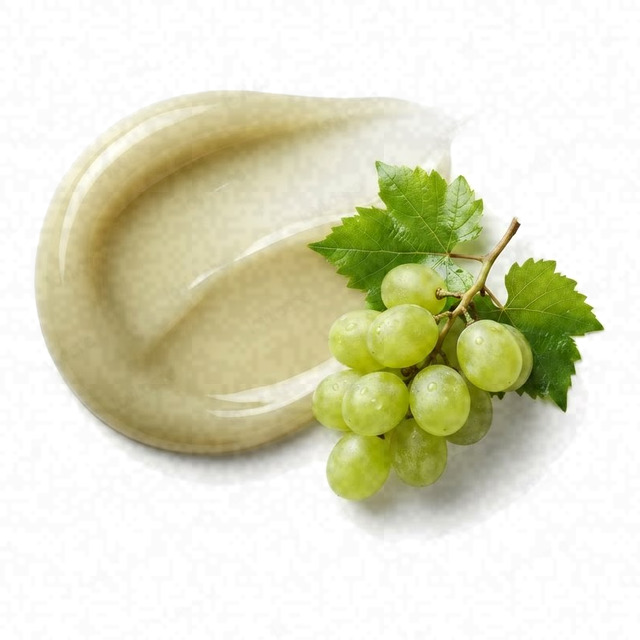 Vitis Vinifera Seed Oil Grape Seed Oil
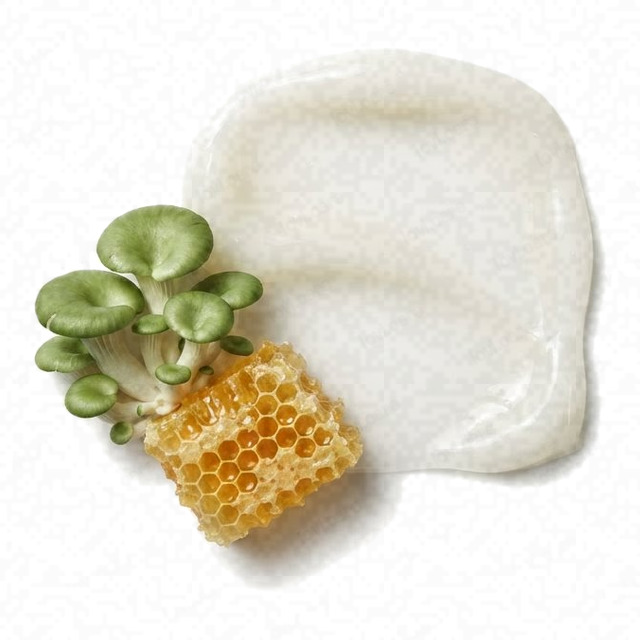 Panthenol
 Tetrahexyldecyl Ascorbate
Low
- HighNormal Skin Fit
- HighEffectiveness
- ConcerningSafety
A weak match for sensitive skin; the products alongside fit it better.
This fit is calculated for the concerns frequently associated with sensitive skin: redness, stinging, and reactions to new products. For scores and recommendations based on your full skin profile, including your 12D face scan results and any goals or preferences you have, please use the Lovi app.
Page built Nov 8, 2026How the Fit score works
Lovi Assistant explains
People Say
★4.4Overall rating based on 200+ reviewsThis treatment is highly regarded for its ability to significantly improve skin texture, making it feel exceptionally soft and smooth. It is also frequently noted for effectively reducing the appearance of dark spots and hyperpigmentation, leading to a more even skin tone. Many users, particularly those with mature skin, have observed improvements in skin firmness, especially in areas prone to crepiness. A recurring concern is the small bottle size, which many find insufficient for regular full-body application, leading to frequent repurchases.
Highlights
Smoothes rough texture Mostly Mentioned
- “skin never been this silky”
- “soft as a baby”
- “smooths rough patches”
- “healed bumps”
Small bottle size Mostly Mentioned
- “surprisingly small bottle”
- “runs out too fast”
- “travel size amount”
- “need bigger container”
Fades discoloration Often Mentioned
- “spots barely visible”
- “faded dark patches”
- “erased bug bite marks”
- “evened skin tone”
Non-greasy feel Often Mentioned
- “absorbs super fast”
- “silky not sticky”
- “no greasy residue”
- “lightweight texture”
High price point Often Mentioned
- “expensive for body lotion”
- “pricey for the amount”
- “luxury price tag”
- “poor value”
Firms crepey skin Sometimes Noted
- “improved neck texture”
- “helped saggy skin”
- “skin feels tighter”
- “less crepey chest”
Slow results Sometimes Noted
- “takes months to work”
- “subtle changes only”
- “requires patience”
- “not an overnight fix”
Unpleasant base scent Rarely Noted
- “smells like plastic”
- “weird base odor”
- “bad smell”
- “funky scent”
Sources: lovi.care, paulaschoice.com, dermstore.com, cultbeauty.co.uk, byrdie.com, and more
Questions and answers
Why is Paula's Choice Retinol Body Treatment a weak match for sensitive skin?
This product is a weak match for sensitive skin because its retinol concentration may cause irritation and indirectly worsen your redness. A product for this skin needs soothing ingredients like fermented Centella Asiatica, cica, ceramides, and nourishing oils to calm redness and support the skin barrier.
Which ingredients make this body treatment a poor fit for sensitive skin?
This body treatment is a weak match for sensitive skin because the retinol it contains may pose a risk of irritation and indirectly worsen your redness. A body care product for sensitive skin needs soothing ingredients like fermented Centella Asiatica, cica, ceramides, and nourishing oils to calm redness and repair the skin barrier without causing irritation.
What does Retinol do for sensitive skin?
Retinol is generally too harsh for sensitive skin and may cause stinging, scaling, and irritation. A product for this skin needs gentle ingredients that smooth and calm without causing redness.
The British Journal of Dermatology, 2019Toxicology Letters, 2003
What does Butyrospermum Parkii Butter do for sensitive skin?
Butyrospermum parkii butter helps protect sensitive and easily irritated skin by calming redness and keeping it soft. It supports the outer moisture barrier so skin stays smooth and comfortable, and it is generally well-tolerated without causing discomfort.
Where does this body treatment go in a skincare routine for sensitive skin?
Can I use this body treatment with AHA, and in what order?
You should use this body treatment with caution since the retinol may irritate sensitive skin and worsen redness. When combining treatments, apply milder exfoliating acids first and follow with soothing hydrators to keep skin calm and smooth.
How often should I use this body treatment?
This body treatment is a weak match for sensitive skin because the retinol inside may cause irritation and redness. Sensitive skin needs a product of this type that contains soothing ingredients like shea butter and panthenol to help keep the skin calm and comfortable.
Can this body treatment clog pores, cause breakouts or purging for sensitive skin?
This body treatment is a weak match for your sensitive skin because its retinol may trigger irritation and worsen redness. A body product for this skin needs soothing ingredients and gentle hydrators like shea butter and panthenol to keep the skin calm and comfortable.
Is this body treatment fragrance-free and alcohol-free?
Yes, it has no fragrance and no drying alcohol. Cetearyl alcohol and cetyl alcohol are fatty alcohols, which soften the skin.
What the research says
Topical 0.4% retinol significantly increased epidermal thickness, dermal vascularity, and extracellular matrix production by stimulating keratinocyte proliferation, endothelial cell proliferation, and fibroblast activation in naturally aged human skin compared to vehicle.
International Journal of Cosmetic Science, 2017Topical bakuchiol 0.5% applied twice daily compared with retinol 0.5% applied daily significantly decreased wrinkle surface area and hyperpigmentation with no statistical difference between the compounds in 44 patients over 12 weeks, while retinol users reported more facial skin scaling and stinging.
The British Journal of Dermatology, 2019Silicone particles encapsulating retinol increased its half-life by 9-fold and yielded 12-23% lower skin irritation in human subjects compared to Microsponge particles while maintaining biological activity.
Journal of Controlled Release, 2018Topical stabilized retinol treatment induced HAS gene expression and increased hyaluronic acid production in human skin in vitro, ex vivo, and in vivo compared to vehicle.
Archives of Dermatological Research, 2017Topical application of all-trans-retinol induced epidermal thickening and increased retinoid binding protein expression similar to all-trans-retinoic acid in normal human skin, but without causing significant erythema or measurable retinoic acid levels.
The Journal of Investigative Dermatology, 1995A combination cream of stimu-tex AS and saccharide isomerate reduced erythema, increased skin capacitance, and reduced transepidermal water loss compared to placebo in 20 subjects after fractional CO2 laser procedure without causing serious adverse events.
Lasers in Medical Science, 2025A skin barrier restoring cream with shea butter, silkflo, and vitamin E increased type I procollagen synthesis, enhanced antioxidant enzyme activity, decreased reactive oxygen species generation, and promoted hyaluronic acid production in H2O2-stimulated human keratinocyte cells compared to untreated cells.
International Journal of Cosmetic Science, 2025Grapeseed oil-loaded dermocosmetic nanoemulgel applied on the cheeks of healthy volunteers significantly reduced skin melanin, erythema, sebum production, and pores while increasing moisture and elasticity compared to a placebo.
Journal of Cosmetic Dermatology, 2022Topical treatment with cranberry oil and grape oil improved wound healing in rats, with cranberry oil showing an 88.1% wound area reduction and grape oil showing 84.6% compared to 74.1% in controls and 78.4% in the mupirocin standard group on day 13.
Phytotherapy Research, 2011An ionic liquid-based grapeseed oil emulsion increased transdermal penetration by 4.63-fold and improved skin hydration, firmness, elasticity, and facial wrinkles after 28 days of continuous use compared to ordinary emulsion.
Pharmaceuticals, 2024Topical dexpanthenol acts as a moisturizer, improves stratum corneum hydration, accelerates wound healing and epidermal regeneration, reduces erythema, and improves symptoms of skin irritation compared to vehicle or no pretreatment.
American Journal of Clinical Dermatology, 2002Moisturizer containing 5% panthenol, madecassoside, and copper-zinc-manganese decreased adverse reactions and downtime after ablative fractional carbon dioxide laser resurfacing with comparable efficacy to 0.02% triamcinolone acetonide cream in 20 subjects.
Journal of Cosmetic Dermatology, 2019Topical dexpanthenol formulated in lipophilic vehicles improved stratum corneum hydration and reduced transepidermal water loss compared to vehicle control in humans.
Arzneimittel-Forschung, 2000Topical application of 5% vitamin C cream significantly improved global clinical scores, increased skin microrelief density, and induced elastic tissue repair in photoaged skin compared to excipient control in healthy female volunteers.
Experimental Dermatology, 2003Ascorbic acid 2-glucoside gel significantly reduced gingival melanin pigmentation after 4 weeks compared to placebo in 73 subjects with symmetric pigmentation.
Journal of Periodontology, 2009Topical application of VC-IP cream twice daily for 8 weeks reduces periorbital wrinkles in female subjects compared to a placebo cream.
Journal of Cosmetic Dermatology, 2022
Why other products fit sensitive skin better
- Retinol in this product
Topical bakuchiol 0.5% applied twice daily compared with retinol 0.5% applied daily significantly decreased wrinkle surface area and hyperpigmentation with no statistical difference between the compounds in 44 patients over 12 weeks, while retinol users reported more facial skin scaling and stinging.
The British Journal of Dermatology, 2019
Ingredients
Water, Cetearyl Alcohol, Cetearyl Ethylhexanoate, Cyclopentasiloxane, Dimethicone, Glycerin, Butylene Glycol, Cetyl Palmitate, Butyrospermum Parkii Butter Shea Butter, Glyceryl Stearate, Peg-100 Stearate, Oenothera Biennis Oil, Vitis Vinifera Seed Oil Grape Seed Oil, Cetyl Alcohol, Retinol, Tetrahexyldecyl Ascorbate, Tocopheryl Acetate, Caprylic Capric Triglyceride, Panthenol, Carnosine, Dimethiconol, Dimethicone Vinyl Dimethicone Crosspolymer, Alba Cera Beeswax Cera, Magnesium Aluminum Silicate, Sodium Hydroxide, Xanthan Gum, Dicaprylyl Carbonate, Decylene Glycol, Disodium Edta, Chlorphenesin, Phenoxyethanol
Behind this fit score
Lovi calculates every fit score from the full ingredient list with brand-independent rules our dermatologists and cosmetic chemists build and review, and personalizes every pick with AI trained on the real results of millions of users. Lovi trains its fit score models on a proprietary dataset built from more than 10,000 expert-labeled products and more than 100,000 simulated examples, following an internally consistent methodology presented at Cosmoprof, AMWC, and Skin of Color Update.
-

Co-founder, Medical Director
Cosmetic chemist, cosmetologist, aesthetic products developer
-

Co-founder, CEO and CTO
PhD in computer science, 3x US patent holder, ex-Google, ex-Yandex
-

Dr. Sofía Perea Pérez, MD, MSc
Medical Board
Aesthetic medicine practitioner, MSc in Longevity and Anti-Aging Medicine
-

Medical Board
Specialist dermatologist, MBBS, MD, IFAAD
-

Medical Board
Cosmetic chemist, SCS, IFSCC member
-

Medical Board, Medical Advisor
Dermatology MD
-

Elina Nazarenko, MD
Medical Board
Dermatology and diagnostic consultant
-

Victoria Derkova, MS
Medical Board
Cosmetic chemist, cosmetic development technologist


How does it fit your skin?
Scan your face, then any product: Lovi shows how well it fits you and what fits even better.