NIVEA Derma Skin Clear Chemical Exfoliator for combination skin

 Salicylic Acid
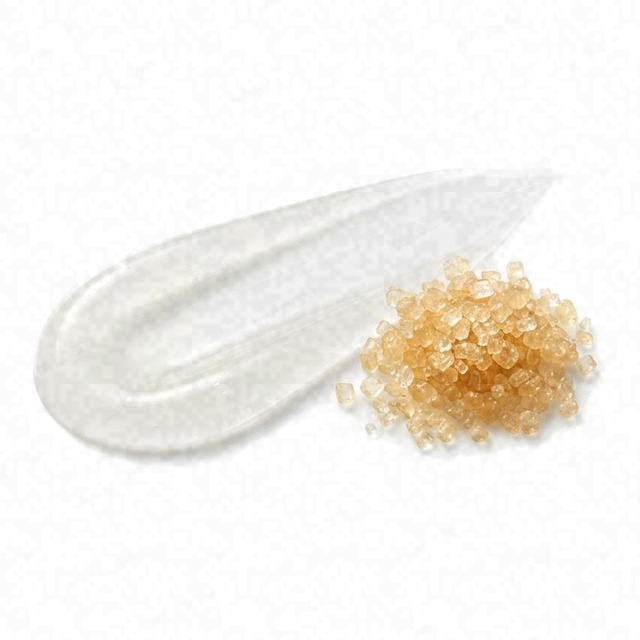 Glycolic Acid
 Niacinamide
 Glycerin
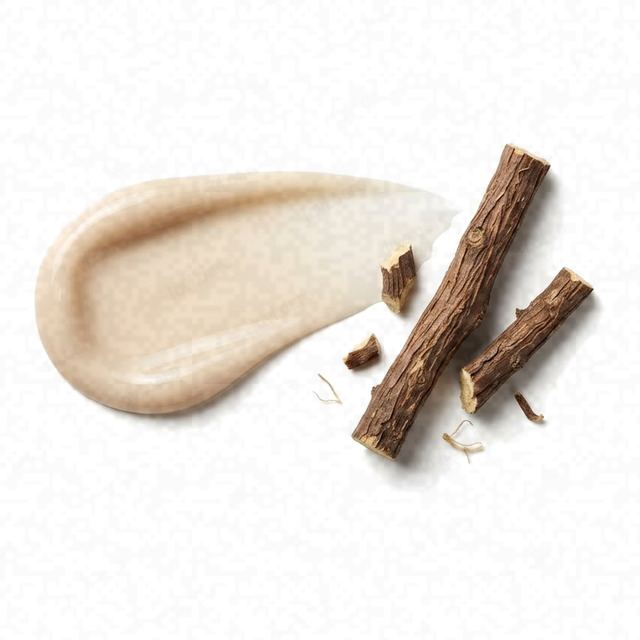 Glycyrrhiza Inflata Root Extract
High
- HighCombination Skin Fit
- HighEffectiveness
- HighSafety
A great choice for combination skin; a few products fit it even better.
This fit is calculated for the concerns frequently associated with combination skin: an oily T-zone, enlarged pores, and dry cheeks. For scores and recommendations based on your full skin profile, including your 12D face scan results and any goals or preferences you have, please use the Lovi app.
Page built Nov 8, 2026How the Fit score works
Lovi Assistant explains
- Offers excellent exfoliation for your oily shine and combination skin, as glycolic acid and salicylic acid work to decongest pores and smooth texture, while niacinamide helps regulate oil production.
- Panthenol and glycyrrhiza inflata root extract further support skin hydration and soothing, enhancing the overall efficacy for your skin concerns.
- The formula is safe for your combination skin, with no risks of irritation due to the absence of prohibited or harsh ingredients.
How to apply
- Use this exfoliant product in your PM routine starting once a week, then increase frequency carefully if your skin feels fine.
- Apply this exfoliant step after cleansing and toner, but right before your moisturizer.
- Gently press 2-3 drops of the exfoliant into your skin and wait a minute before layering.
- Apply the exfoliant to clean, dry skin to help control your oily shine comfortably.
- Avoid the eye area and do a patch test before your first use.
People Say
★4.3Overall rating based on 800+ reviewsUsers with oily and blemish-prone skin generally report that this exfoliator effectively resurfaces texture and reduces active breakouts, often delivering smoother skin within a week. While many praise its ability to clear acne without excessive drying, a subset of users experiences initial purging or stinging sensations upon application.
Highlights
Smoother skin texture Mostly Mentioned
- “skin feels and looks really smooth after using it”
- “left my skin feeling incredibly silky smooth”
- “resurfaced my skin and helped clear my blemishes”
Reduces blemishes Often Mentioned
- “acne has slowly faded away”
- “helped to settle down a couple of new spots”
- “cleared her face in a few days”
Fast visible results Sometimes Noted
- “saw an improvement within a couple of days”
- “worked its magic overnight”
- “in 7 days my skin was a lot better”
Non-drying formula Sometimes Noted
- “leaves skin feeling refreshed... without drying out”
- “skin felt soft and hydrated”
Stinging or burning Sometimes Noted
- “felt it stung quite a bit on applying”
- “slight stinging sensation can occur”
- “caused immediate burning”
Initial breakouts Rarely Noted
- “broke my face out the few times I used it”
- “worsening of skin condition before improvement”
- “caused more spots initially”
No visible difference Rarely Noted
- “no difference in my skin”
- “did not help or encourage my skin”
- “no exfoliation noticed”
Strong scent Rarely Noted
- “smell is very sharp kind of vinegary”
- “has a strong chemical smell”
- “scent is a bit masculine hairspray”
Sources: lovi.care, boots.com, superdrug.com, tesco.com, nivea.co.uk, hometesterclub.com, and more
Questions and answers
What makes NIVEA Derma Skin Clear Chemical Exfoliator a great fit for combination skin?
NIVEA Derma Skin Clear Chemical Exfoliator is a great fit because glycolic acid and salicylic acid clear out pores and smooth texture, while niacinamide helps control oily shine. Panthenol and glycyrrhiza inflata root extract further support skin hydration and soothing, making it safe and comfortable for your skin.
The Journal of Dermatological Treatment, 2017American Journal of Clinical Dermatology, 2002
Which ingredients make this exfoliant a good fit for combination skin?
Glycolic acid and salicylic acid decongest pores and smooth texture, while niacinamide helps regulate oil production for combination skin. Panthenol and glycyrrhiza inflata root extract further support skin hydration and soothing.
The Journal of Dermatological Treatment, 2017American Journal of Clinical Dermatology, 2002
What does Salicylic Acid do for combination skin?
Salicylic acid helps clear clogged pores and balance oily areas while remaining gentle enough for dry spots on combination skin. It reduces breakouts and oiliness effectively with a low likelihood of irritation.
Journal of Cosmetic Dermatology, 2024Journal of Drugs in Dermatology, 2023
What does Glycolic Acid do for combination skin?
Glycolic acid helps smooth and brighten combination skin by gently loosening dead surface cells to speed up skin renewal. This ingredient is unlikely to cause irritation when used properly, but it needs a reliable sunscreen during the day since it makes skin more sensitive to the sun.
Acta Dermato-venereologica, 1995Archives of Dermatological Research, 1997
Where does it go in a skincare routine for combination skin?
This treatment goes in your evening routine, used once a week to start before moisturizing. It helps clear pores and smooth texture safely, while keeping your skin calm.
Can I use this exfoliant with retinol, and in what order?
It is best to use this exfoliant on nights when you do not apply retinol, as using both active treatments together may cause dryness or irritation.
How often should I use it?
Start by using this exfoliant treatment once a week in your evening routine, and if your combination skin tolerates it well and sees good results, you may carefully use it more often. The formula is safe and unlikely to cause irritation when introduced gradually.
Journal of Cosmetic Dermatology, 2021Journal of Cosmetic Dermatology, 2024
Can it clog pores, cause breakouts or purging for combination skin?
This chemical exfoliator helps clear pores and smooth texture for combination skin, though you may experience initial breakouts as your skin adjusts. The formula is safe and unlikely to cause severe irritation or breakouts when used as directed.
Is this exfoliant fragrance-free and alcohol-free?
It has no drying alcohol and contains fragrance (parfum). Cetearyl alcohol is a fatty alcohol, which soften the skin.
What the research says
Glycolic acid, salicylic acid, gluconolactone, and licochalcone A combined with 0.1% adapalene showed no hindrance compared to adapalene monotherapy and provided benefits in reducing complications in 25 subjects with mild-to-moderate acne vulgaris.
Clinical, Cosmetic and Investigational Dermatology, 2019A moisturizer containing licochalcone A, 1,2-decanediol, L-carnitine, and salicylic acid significantly reduced noninflammatory, inflammatory, and total acne lesion counts compared to a vehicle control in Thai patients during a 12-week maintenance phase.
BioMed Research International, 2020A new topical panthenol-containing emollient significantly improved transepidermal water loss reduction, stratum corneum hydration, and intercellular lipid lamellae length compared with control in healthy subjects without negatively impacting bacterial viability.
The Journal of Dermatological Treatment, 2017Topical dexpanthenol acts as a moisturizer, improves stratum corneum hydration, accelerates wound healing and epidermal regeneration, reduces erythema, and improves symptoms of skin irritation compared to vehicle or no pretreatment.
American Journal of Clinical Dermatology, 2002A panthenol-enriched mask significantly decreased erythema and hyperpigmentation, increased sebum and stratum corneum moisture, and reduced transepidermal water loss compared to a saline dressing in 60 subjects undergoing facial laser treatment.
Journal of Cosmetic Dermatology, 2025Cryotherapy with liquid nitrogen achieved a higher cure rate (39%) than salicylic acid (24%) and a wait-and-see approach (16%) for cutaneous warts at 13 weeks in primary care patients.
CMAJ, 2010Treatment with 2% supramolecular salicylic acid hydrogel resulted in a regression and markedly improvement rate of 51.01% compared to 43.10% for Adapaline gel in patients with mild to moderate facial acne vulgaris, showing no significant difference in efficacy.
Journal of Cosmetic Dermatology, 2024Topical 5% benzoyl peroxide plus salicylic acid achieved the greatest lesion reduction at early 2 to 4 week time points compared to benzoyl peroxide, clindamycin, and combination benzoyl peroxide/clindamycin, while 5% benzoyl peroxide plus salicylic acid and combination benzoyl peroxide/clindamycin showed similar efficacy at 10 to 12 weeks in acne patients.
Journal of the American Academy of Dermatology, 2010Repeated short-contact 70% glycolic acid peels provided superior results in atrophic acne scars compared to daily low-strength glycolic acid cream or placebo in 58 women over 24 weeks.
International Journal of Dermatology, 2000Serial glycolic acid peels combined with a modified Kligman formula significantly reduced facial PIH severity in Indian patients compared to the modified Kligman formula alone.
Dermatologic Surgery, 2017Topical post-laser application of human adipocyte-derived mesenchymal stem cell media combined with niacinamide significantly improved wrinkle index, melanin index, patient satisfaction, and investigator esthetic improvement scores compared to vehicle cream in patients with aging skin.
Journal of Cosmetic Dermatology, 2021Topical nicotinamide prevented solar-simulated UV-induced immunosuppression in healthy volunteers, and men experienced immunosuppression at solar-simulated UV doses three times lower than those required for women.
The Journal of Investigative Dermatology, 2008Topical 5% niacinamide applied twice daily for 12 weeks reduced fine lines and wrinkles, hyperpigmented spots, red blotchiness, and skin sallowness, and improved skin elasticity compared to vehicle control in 50 female white subjects with facial photoaging.
Dermatologic Surgery, 2005A single application of a moisturizing fluid containing hyaluronic acid 1%, glycerin 5%, and Centella asiatica stem cells extract significantly increased skin hydration by 29% and reduced transepidermal water loss at 24 hours compared to baseline and an untreated control site in twenty healthy women.
Clinical, Cosmetic and Investigational Dermatology, 2017The emollient V0034CR significantly reduced TEWL compared to vehicle and vehicle plus glycerol, and significantly increased corneometry scores compared to vehicle and vehicle plus petrolatum in healthy volunteers with dry skin, demonstrating combined barrier function improvement from petrolatum and hydration improvement from glycerol.
Journal of Cosmetic Dermatology, 2020Ten days of treatment with a cream containing 20% glycerin significantly increased skin hydration measured by corneometer values in 17 healthy volunteers compared to a placebo cream, but showed no influence on transepidermal water loss or skin sensitivity to an irritating surfactant.
International Journal of Cosmetic Science, 2001Combining 755 nm alexandrite laser with topical licorice gel significantly reduces terminal hair counts compared to alexandrite laser with placebo in women with idiopathic hirsutism.
Evidence-based Complementary and Alternative Medicine, 2015Licochalcone A activated Nrf2 signaling, elevated cytoprotective enzymes, increased the reduced-to-oxidized glutathione ratio, and decreased reactive oxygen species in human fibroblasts and neutrophils, while a LicA-rich licorice extract lowered UVA-induced oxidative processes in vivo.
Experimental Dermatology, 2015Bioactive glycyrrhizic acid and oxymatrine ionic liquid self-assembled nanomicelles significantly promoted the transdermal permeation, subcutaneous retention, and anti-photoaging efficacy of palmitoyl pentapeptide-4 in cellular and animal models compared to unformulated peptide.
Advanced Science, 2025
Ingredients
Water, Glycolic Acid, Dimethicone, Glycerin, Tapioca Starch, Cetearyl Alcohol, Glyceryl Stearate, Sodium Hydroxide, Gluconolactone, Peg-40 Stearate, Peg-150 Distearate, Salicylic Acid, Niacinamide, Panthenol, Glycyrrhiza Inflata Root Extract, Pantolactone, Xanthan Gum, Trisodium Edta, Citric Acid, Phenoxyethanol, Parfum
Behind this fit score
Lovi calculates every fit score from the full ingredient list with brand-independent rules our dermatologists and cosmetic chemists build and review, and personalizes every pick with AI trained on the real results of millions of users. Lovi trains its fit score models on a proprietary dataset built from more than 10,000 expert-labeled products and more than 100,000 simulated examples, following an internally consistent methodology presented at Cosmoprof, AMWC, and Skin of Color Update.
-

Co-founder, Medical Director
Cosmetic chemist, cosmetologist, aesthetic products developer
-

Co-founder, CEO and CTO
PhD in computer science, 3x US patent holder, ex-Google, ex-Yandex
-

Dr. Sofía Perea Pérez, MD, MSc
Medical Board
Aesthetic medicine practitioner, MSc in Longevity and Anti-Aging Medicine
-

Medical Board
Specialist dermatologist, MBBS, MD, IFAAD
-

Medical Board
Cosmetic chemist, SCS, IFSCC member
-

Medical Board, Medical Advisor
Dermatology MD
-

Elina Nazarenko, MD
Medical Board
Dermatology and diagnostic consultant
-

Victoria Derkova, MS
Medical Board
Cosmetic chemist, cosmetic development technologist


How does it fit your skin?
Scan your face, then any product: Lovi shows how well it fits you and what fits even better.