Paula's Choice Super Antioxidant Concentrate Serum for acne-prone skin

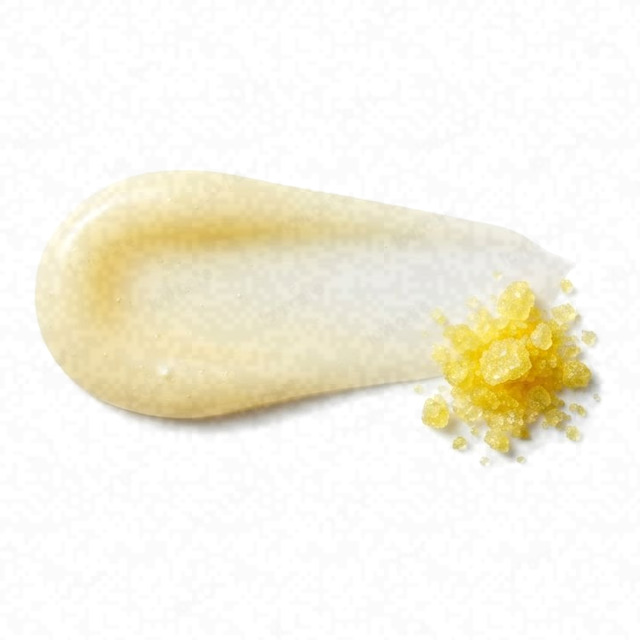 Retinol
 Tetrahexyldecyl Ascorbate
 Tocopherol
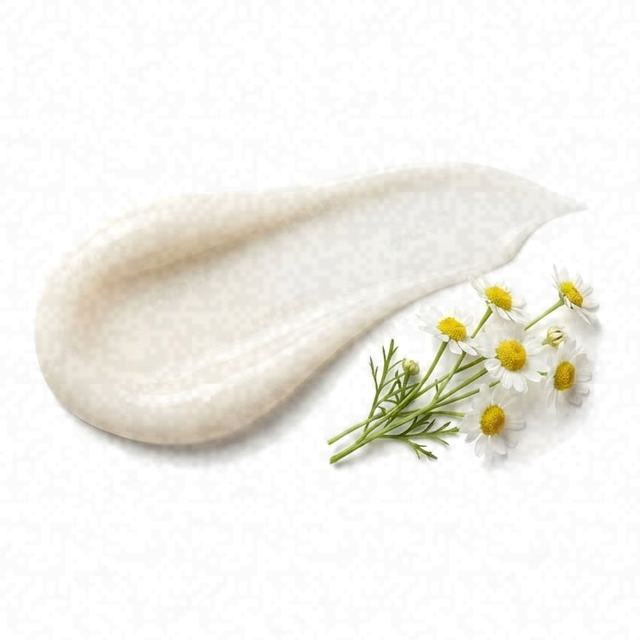 Bisabolol
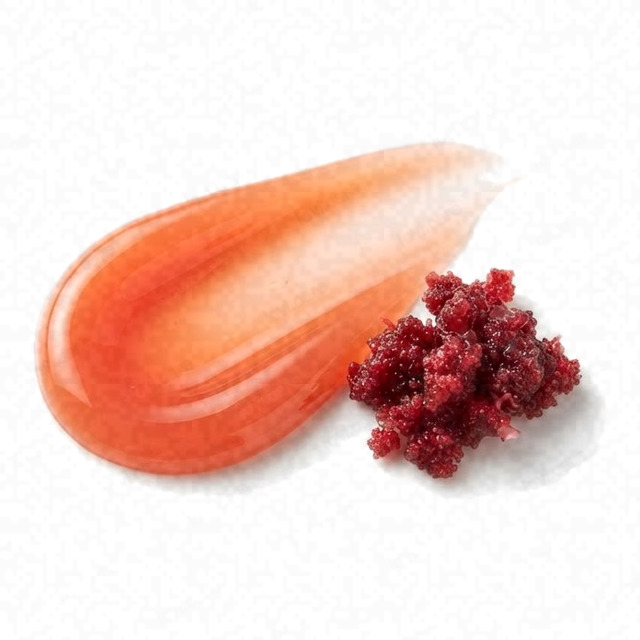 Astaxanthin
Average
- AverageCombination Skin Fit
- AverageEffectiveness
- ExcellentSafety
Works for acne-prone skin; other moisturizers fit it better.
This fit is calculated for the concerns frequently associated with acne-prone skin: breakouts, blackheads, and post-acne marks. For scores and recommendations based on your full skin profile, including your 12D face scan results and any goals or preferences you have, please use the Lovi app.
Page built Nov 8, 2026How the Fit score works
Lovi Assistant explains
- Offers moderate suitability for your combination skin, as retinol and tocopherol provide antioxidant benefits and regulate desquamation, but it lacks sufficient ingredients for optimal oil control.
- The serum provides excellent moisturizing and treatment due to retinol and tetrahexyldecyl ascorbate, which hydrate and smooth texture, supporting your goals for acne, blemishes, and breakouts.
- The safety profile is excellent, with no risks of irritation for your acne-prone skin due to the absence of harsh ingredients and the presence of soothing agents like Bisabolol and Chamomilla Recutita Flower Extract.
How to apply
- Use your moisturizer twice a day in your AM and PM routines. Apply it daily to help keep breakouts under control.
- Apply after your cleanser and toner, and make sure to use your SPF right after in the morning.
- Gently spread a small amount of moisturizer over your face using soft motions. Let it absorb into the skin for a minute before getting dressed or applying makeup.
- Apply on slightly damp skin to help lock in extra moisture. This keeps your combination skin balanced without feeling heavy.
- Avoid the eye area and do a patch test before your first use. Stop using if you feel any irritation.
People Say
★3.8Overall rating based on 100+ reviewsBased on limited data, this viscous, silicone-based serum is highly praised by users with dry or mature skin for its deep hydration and ability to create a smooth, protective barrier. Many report brighter, calmer skin and improved texture. Users with combination or oily skin frequently find the finish too heavy or greasy.
Highlights
Deep hydration protection Often Mentioned
- “healed my raw chapped skin”
- “winter staple for dry climate”
- “makes skin feel supple and protected”
- “keeps hydration locked in”
Greasy or shiny finish Often Mentioned
- “left a shiny film”
- “too greasy for day use”
- “looked like a glazed donut”
- “oil sat on top of skin”
Improves texture tone Sometimes Noted
- “skin looks brighter”
- “smoothed out fine lines”
- “gives a nice healthy glow”
- “texture is much softer”
Silky application Sometimes Noted
- “glides on like silk”
- “great base for makeup”
- “velvety finish”
- “a little goes a long way”
Soothing sensitive skin Sometimes Noted
- “no stinging or irritation”
- “soothing on sensitive areas”
- “gentle vitamin C formula”
Slow absorption Sometimes Noted
- “takes forever to absorb”
- “felt tacky for hours”
- “just sits on the surface”
- “had to blot it off”
Caused breakouts Rarely Noted
- “caused small red bumps”
- “clogged my pores”
- “broke me out on the chin”
- “too heavy for acne-prone skin”
Packaging issues Rarely Noted
- “can't see how much is left”
- “pump stopped working”
- “hard to get the last bit out”
Sources: lovi.care, paulaschoice.com, dermstore.com, makeupalley.com, reddit.com, wizaz.pl, and more
Questions and answers
How well does Paula's Choice Super Antioxidant Concentrate Serum work for acne-prone skin?
Paula's Choice Super Antioxidant Concentrate Serum works moderately well for acne-prone skin, providing helpful antioxidants and smoothing texture, though other products fit it better. To work best for this skin, a moisturizing treatment needs ingredients like niacinamide and hyaluronic acid that control excess oil while delivering hydration.
International Journal of Cosmetic Science, 2017Journal of Cosmetic Dermatology, 2020
Which ingredients make this serum a good fit for acne-prone skin?
Retinol and tetrahexyldecyl ascorbate make this serum a good fit because they hydrate and smooth texture to help with acne and breakouts. Because this is an average fit for your acne-prone skin, a product of this type needs ingredients like niacinamide and hyaluronic acid to provide balanced hydration and control excess oil.
International Journal of Cosmetic Science, 2017Journal of Cosmetic Dermatology, 2020
What does Retinol do for acne-prone skin?
Retinol helps acne-prone skin by speeding up cell turnover and clearing pores to reduce breakouts. It regulates skin growth and fights inflammation, though it may cause some mild peeling or stinging when you first start using it.
Journal of Drugs in Dermatology, 2022The Journal of Dermatological Treatment, 2017
What does Vitamin C do for acne-prone skin?
Vitamin C helps brighten dark spots left behind by breakouts and calms redness in acne-prone skin. Daily use may also help improve overall skin clarity and support an even skin tone.
Journal of Cosmetic Dermatology, 2024Journal of Cosmetic Dermatology, 2019
Where does this serum go in a skincare routine for acne-prone skin?
This serum goes in the evening routine after cleansing and before moisturizing, following the simple steps for treatments with active ingredients. It smooths texture and helps with breakouts, though acne-prone skin also needs ingredients for oil control.
Can I use this serum with niacinamide, and in what order?
You can use this serum with niacinamide by applying niacinamide first and following with this treatment once it absorbs. This approach lets you layer your products safely without risking extra irritation on your acne-prone skin.
How often should I use this serum?
This serum works well in your evening routine, and a product for this acne-prone skin needs extra oil-controlling ingredients.
Can this serum clog pores, cause breakouts or purging for acne-prone skin?
This serum is unlikely to cause breakouts for acne-prone skin because it contains no harsh ingredients and includes calming extracts like bisabolol and chamomile. However, a product of this type needs oil-control ingredients to be a better fit for skin that gets breakouts.
Can I use this serum around the eyes or on my body?
You can use this serum around the eyes and on your body, though acne-prone skin needs a product of this type that also includes ingredients to balance oil.
Is this serum fragrance-free and alcohol-free?
It has no fragrance and contains drying alcohol (sd alcohol 40 alcohol denat).
What the research says
Topical 0.4% retinol significantly increased epidermal thickness, dermal vascularity, and extracellular matrix production by stimulating keratinocyte proliferation, endothelial cell proliferation, and fibroblast activation in naturally aged human skin compared to vehicle.
International Journal of Cosmetic Science, 2017A topical serum containing vitamin C, vitamin E, and raspberry leaf cell culture extract improved skin color, elasticity, radiance, smoothness, scaliness, and wrinkles compared to the untreated contralateral side in fifty female volunteers.
Journal of Cosmetic Dermatology, 2020Topical formulations containing ascorbyl tetraisopalmitate, coenzyme Q10, green tea polyphenols, and resveratrol reduced the release of inflammatory cytokines and attenuated inflammatory signs compared to untreated skin and vehicle in 25 Japanese volunteers exposed to sodium dodecyl sulfate.
European Journal of Pharmaceutics and Biopharmaceutics, 2017Topical bakuchiol 0.5% applied twice daily compared with retinol 0.5% applied daily significantly decreased wrinkle surface area and hyperpigmentation with no statistical difference between the compounds in 44 patients over 12 weeks, while retinol users reported more facial skin scaling and stinging.
The British Journal of Dermatology, 2019Silicone particles encapsulating retinol increased its half-life by 9-fold and yielded 12-23% lower skin irritation in human subjects compared to Microsponge particles while maintaining biological activity.
Journal of Controlled Release, 2018Topical stabilized retinol treatment induced HAS gene expression and increased hyaluronic acid production in human skin in vitro, ex vivo, and in vivo compared to vehicle.
Archives of Dermatological Research, 2017Topical application of 5% vitamin C cream significantly improved global clinical scores, increased skin microrelief density, and induced elastic tissue repair in photoaged skin compared to excipient control in healthy female volunteers.
Experimental Dermatology, 2003Ascorbic acid 2-glucoside gel significantly reduced gingival melanin pigmentation after 4 weeks compared to placebo in 73 subjects with symmetric pigmentation.
Journal of Periodontology, 2009Topical application of VC-IP cream twice daily for 8 weeks reduces periorbital wrinkles in female subjects compared to a placebo cream.
Journal of Cosmetic Dermatology, 2022Topical application of an antioxidant serum containing 15% ascorbic acid, 0.5% ferulic acid, and 1% tocopherol prevented particulate matter-induced degradation of extracellular matrix components, inflammation, and oxidative stress in the skin of 15 female volunteers compared to untreated controls.
Journal of Cosmetic Dermatology, 2025Dermatological products containing d-alpha tocopheryl acetate showed non-comedogenic potential with less than a 50% increase in microcomedones in 12 healthy male subjects compared to octyl palmitate.
Contemporary Clinical Trials Communications, 2021Topical application of an antioxidant mix containing 15% ascorbic acid, 0.5% ferulic acid, and 1% tocopherol prevented PM and UV-induced skin barrier perturbation, lipid peroxidation, inflammatory markers, MMP9 activation, and Type I collagen loss in 15 healthy females compared to untreated exposed skin.
Journal of Cosmetic Dermatology, 2024Application of an alpha-bisabolol-containing cream produced a significant skin-lightening effect in pigmented skin compared to a vehicle control in the majority of female subjects after 8 weeks.
International Journal of Cosmetic Science, 2010The combination of allantoin, bisabolol, D-panthenol and dipotassium glycyrrhizinate reduces UVB-induced PGE2, inflammatory cytokines, and mitochondrial superoxide in human epidermal keratinocytes.
International Journal of Cosmetic Science, 2024Oral astaxanthin supplementation significantly restored moisture content and improved elasticity but did not significantly decrease wrinkle depth compared to placebo in humans.
Nutrients, 2021Combining oral and topical astaxanthin in 30 healthy females improved skin wrinkles, age spots, elasticity, texture, and moisture, while 6 mg daily oral supplementation in 36 healthy males improved crow's feet wrinkles, elasticity, and transepidermal water loss.
Acta Biochimica Polonica, 2012Twice-daily application of a novel topical antioxidant formulation safe, well-tolerated, and effective in improving overall skin quality, fine lines, wrinkles, radiance, and hyperpigmentation in 32 healthy female subjects over 12 weeks.
Journal of Cosmetic Dermatology, 2023
Why other moisturizers fit acne-prone skin better
A peel-off facial mask containing myoinositol and trehalose-loaded liposomes improved adult female acne by decreasing lesion counts, sebum production, GAGS scores, and local androgen levels while increasing beclin-1 levels.
Journal of Cosmetic Dermatology, 2017A Tris/Arg-formulated cleanser significantly decreased noninflammatory and inflammatory acne and pore size with keratotic plugs compared to an AEC/AC cleanser in male Thai subjects with mild to moderate acne over 4 weeks.
Journal of Cosmetic Dermatology, 2020
Ingredients
Cyclopentasiloxane, Dimethicone, C12-15 Alkyl Benzoate, Olea Europaea Oil Fruit Olive Oil Fruit, Tocopherol, Retinol, Tetrahexyldecyl Ascorbate, Bisabolol, Tocotrienols, Adenosine, Tetrahydrodiferuloylmethane, Tetrahydrodemethoxydiferuloylmethane, Tetrahydrobisdemethoxydiferuloylmethane, Camellia Oleifera Leaf Extract Camellia Sinensis Leaf Extract, Vitis Vinifera Seed Oil Grape Seed Oil, Chamomilla Recutita Flower Extract Matricaria Flower Extract, Arctostaphylos Uva-Ursi Leaf Extract, Stearyl Dimethicone, Astaxanthin, Glycine Soja Oil Soybean Oil, Vitis Vinifera Seed Extract Grape Seed Extract, Oenothera Biennis Oil, Cranberry Seed Oil, Rubus Idaeus Seed Oil Raspberry Seed Oil, Vaccinium Myrtillus Seed Oil, Palm Oil, Sd Alcohol 40 Alcohol Denat
Behind this fit score
Lovi calculates every fit score from the full ingredient list with brand-independent rules our dermatologists and cosmetic chemists build and review, and personalizes every pick with AI trained on the real results of millions of users. Lovi trains its fit score models on a proprietary dataset built from more than 10,000 expert-labeled products and more than 100,000 simulated examples, following an internally consistent methodology presented at Cosmoprof, AMWC, and Skin of Color Update.
-

Co-founder, Medical Director
Cosmetic chemist, cosmetologist, aesthetic products developer
-

Co-founder, CEO and CTO
PhD in computer science, 3x US patent holder, ex-Google, ex-Yandex
-

Dr. Sofía Perea Pérez, MD, MSc
Medical Board
Aesthetic medicine practitioner, MSc in Longevity and Anti-Aging Medicine
-

Medical Board
Specialist dermatologist, MBBS, MD, IFAAD
-

Medical Board
Cosmetic chemist, SCS, IFSCC member
-

Medical Board, Medical Advisor
Dermatology MD
-

Elina Nazarenko, MD
Medical Board
Dermatology and diagnostic consultant
-

Victoria Derkova, MS
Medical Board
Cosmetic chemist, cosmetic development technologist


How does it fit your skin?
Scan your face, then any product: Lovi shows how well it fits you and what fits even better.