Paula's Choice Skin Perfecting 6% Mandelic Acid + 2% Lactic Acid Liquid Exfoliant for oily acne-prone skin

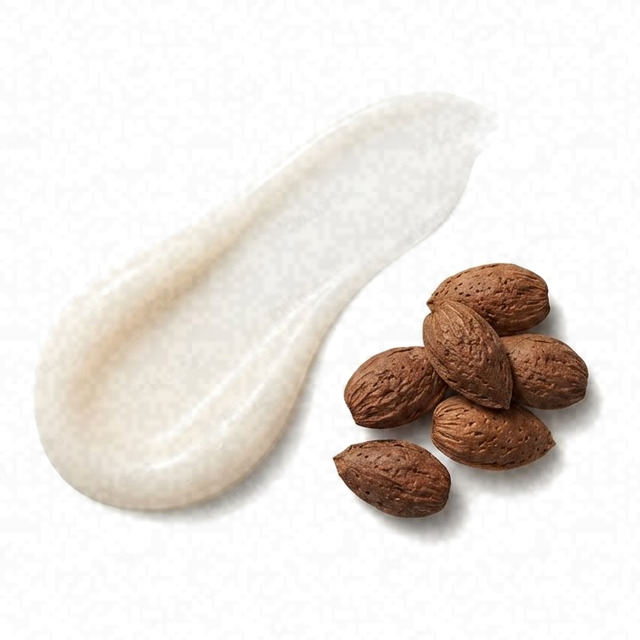 Mandelic Acid
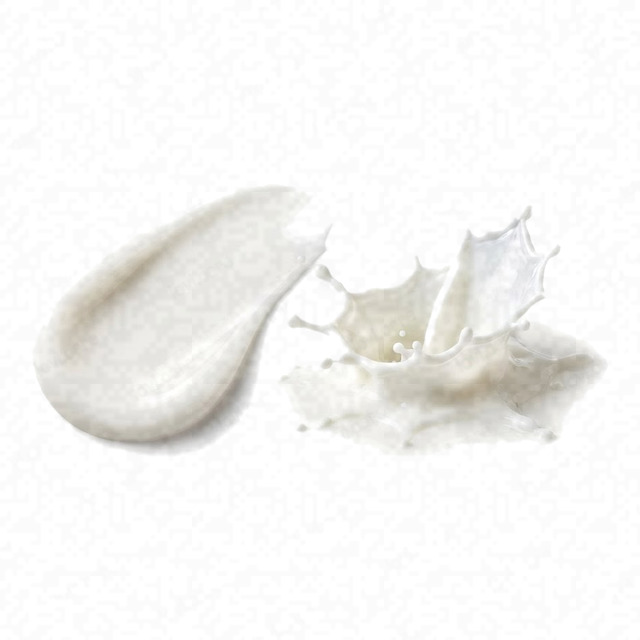 Lactic Acid
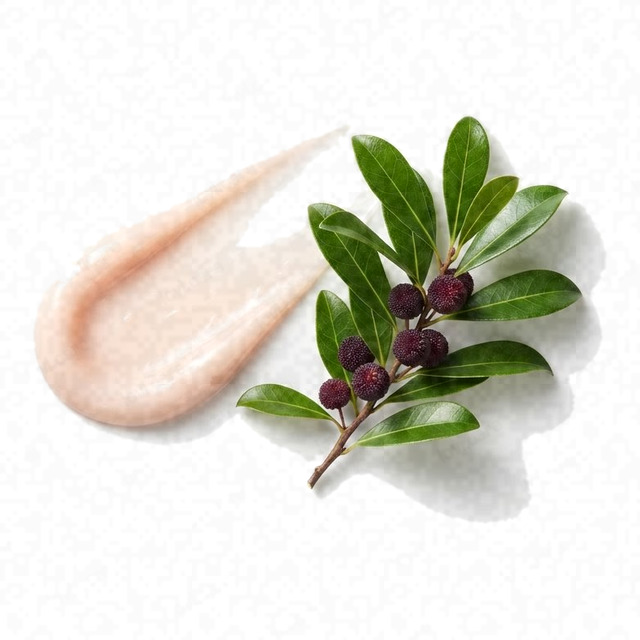 Myrica Cerifera Fruit Extract
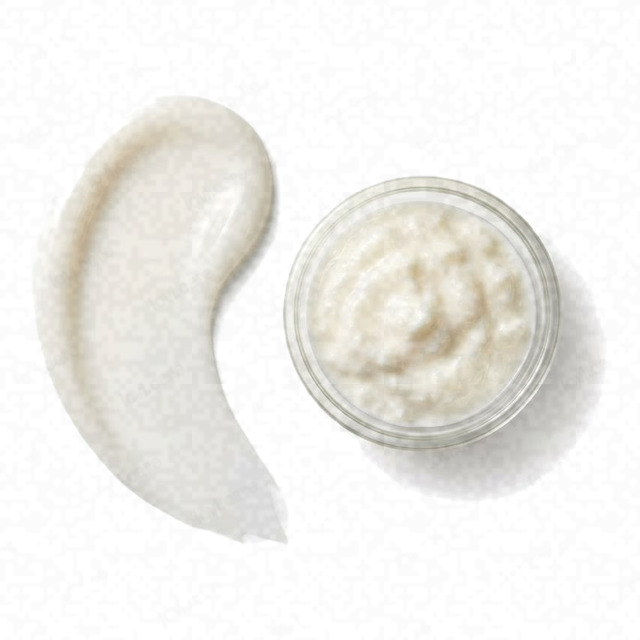 Lactobacillus Lysate Ferment
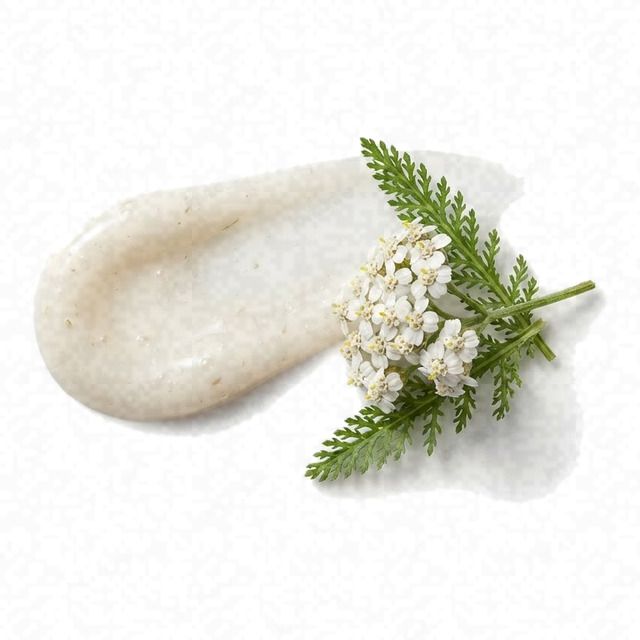 Achillea Millefolium Extract
High
- HighOily Skin Fit
- HighEffectiveness
- HighSafety
A great choice for oily acne-prone skin; a few products fit it even better.
This fit is calculated for the concerns frequently associated with oily acne-prone skin: shine, breakouts, blemishes, and enlarged pores. For scores and recommendations based on your full skin profile, including your 12D face scan results and any goals or preferences you have, please use the Lovi app.
Page built Nov 8, 2026How the Fit score works
Lovi Assistant explains
- Offers highly effective exfoliation for your oily skin, as mandelic acid and lactic acid work to smooth texture and regulate desquamation, targeting your acne, blemishes, and breakouts.
- The inclusion of Myrica Cerifera Fruit Extract and Akebia Quinata Stem Extract further supports oiliness control and provides a refined complexion.
- The product is safe for your skin, with no risks of irritation due to the absence of harsh ingredients.
How to apply
- Use this exfoliant as part of your PM routine once a week to start, increasing frequency only if your skin tolerates it well.
- Apply the exfoliant after cleansing and toning, but before your final moisturizer step.
- Gently press 2-3 drops of the exfoliant into your skin and let it absorb for a minute.
- Apply the product directly onto clean, dry skin for the best results against breakouts.
- Avoid the sensitive eye area and always use a daily SPF since exfoliating makes skin more sensitive to the sun.
People Say
★4.7Overall rating based on 100+ reviewsIt is frequently reported to improve skin texture, impart a noticeable glow, and reduce redness and dark spots without causing irritation. Some users dislike the natural scent, and a small number experienced initial breakouts or found the price and bottle size to be less than ideal.
Highlights
Extremely gentle Mostly Mentioned
- “gentler than original BHA”
- “no stinging upon application”
- “no redness after using”
- “good for sensitive skin”
Smoothes texture Often Mentioned
- “skin feels smoother”
- “soft like butter”
- “refined texture”
- “reduced pores”
Brightens and glows Sometimes Noted
- “skin is glowy”
- “brighter complexion”
- “radiant next morning”
- “fresher look”
Lightweight feel Sometimes Noted
- “sinks in quickly”
- “light and refreshing”
- “hydrating”
- “layers brilliantly”
Reduces redness Sometimes Noted
- “calms redness overnight”
- “dark spot almost gone”
- “fades post acne scars”
- “reduced acne redness”
Initial breakouts Rarely Noted
- “breaking out horribly”
- “small acne bumps”
- “purging in areas”
- “bumps on forehead”
Packaging issues Rarely Noted
- “easier to spill”
- “nose of bottle seems bigger”
- “spills easily”
Price vs. size Rarely Noted
- “slightly overpriced”
- “bottle is so small”
- “expensive”
- “should be bigger”
Unpleasant scent Rarely Noted
- “bad smell”
- “fumes go up my nose”
- “not fond of scent”
- “smell is a con”
Sources: lovi.care, paulaschoice.com, sephora.co.uk, spacenk.com, gopicky.com, youtube.com, and more
Questions and answers
What makes Paula's Choice 6% Mandelic Acid + 2% Lactic Acid Liquid Exfoliant a great fit for oily acne-prone skin?
This exfoliant is a great fit because mandelic acid and lactic acid smooth texture and clear breakouts while keeping oiliness under control. It is also unlikely to cause irritation since it leaves out harsh ingredients.
Which ingredients make this exfoliant a good fit for oily acne-prone skin?
Mandelic acid and lactic acid make this exfoliant a great fit because they smooth texture and help clear breakouts on oily skin. Myrica Cerifera Fruit Extract and Akebia Quinata Stem Extract also support oil control for a more refined complexion.
What does Mandelic Acid do for oily acne-prone skin?
Mandelic acid helps clear breakouts and manage oil on acne-prone skin with a lower chance of irritation than many other acids. It gently removes dead skin cells to keep pores clean and smooth.
Journal of Cosmetic Dermatology, 2020Journal of Cosmetic Dermatology, 2026
What does Lactic Acid do for oily acne-prone skin?
Lactic acid helps oily acne-prone skin by gently clearing pores and reducing breakouts, which supports a smoother and clearer face. Using appropriate cosmetic acids helps calm red bumps and works well alongside acne treatments.
Der Hautarzt; Zeitschrift Fur Dermatologie, Venerologie, und Verwandte Gebiete, 2010Clinical, Cosmetic and Investigational Dermatology, 2023
Where does this exfoliant go in a skincare routine for oily acne-prone skin?
This exfoliant goes in your evening routine as a treatment step, used once a week to start. You can carefully use it more often if your skin tolerates it well and you see good results.
Can I use this exfoliant with retinol, and in what order?
You can use this exfoliant with retinol by applying them on alternate nights to help prevent any extra irritation on oily acne-prone skin. If you do use them in the same routine, apply this exfoliant first on clean skin, let it absorb fully, and then follow with your retinol.
How often should I use this exfoliant?
Start by using this exfoliant once a week in your evening routine, and if your skin feels comfortable and you see good results, you may carefully use it more often. It helps smooth texture and target breakouts while keeping your skin calm and safe from irritation.
Can this exfoliant clog pores, cause breakouts or purging for oily acne-prone skin?
This exfoliant is a great fit for oily acne-prone skin because its acids smooth texture and help clear breakouts, though initial breakouts may happen as your skin adjusts. The formula's gentle ingredients control oil without harshness, making it unlikely to clog pores.
Is this exfoliant fragrance-free and alcohol-free?
Yes, it has no fragrance and no drying alcohol.
What the research says
Treatment with 45% mandelic acid peel showed nearly equal overall efficacy as 30% salicylic acid peel in patients with mild-to-moderate facial acne vulgaris, but with fewer adverse effects.
Journal of Cosmetic Dermatology, 2020Commonly used chemical peels showed no significant differences in effectiveness for acne vulgaris in most comparisons, though combined salicylic and mandelic acid peeling was superior to glycolic acid and glycolic acid was superior to placebo, based on twelve randomized controlled trials.
BMJ Open, 2018Chemical peels using 35% glycolic acid, 20% salicylic-10% mandelic acid, and phytic acid reduce acne scores by 70.55%, 74.14%, and 69.7% respectively, and significantly decline the postacne hyperpigmentation index in Asian patients with mild to moderate acne.
Journal of Cutaneous and Aesthetic Surgery, 2019Treatment with 30% lactic acid peel showed a significantly greater reduction in pigmentation and higher patient satisfaction compared to 30% mandelic acid peel in patients with periorbital melanosis.
Indian Dermatology Online Journal, 2025Application of a cream containing lactic acid 12% and pramoxine HCl 1% significantly improved skin dryness, hydration, and itch compared with a nontreated control in 24 women with a history of dry itchy skin.
Cutis, 2004Topical 12% ammonium lactate produced a significant sparing of epidermal and dermal atrophy induced by clobetasol propionate in human volunteers, without influencing the corticosteroid's bioavailability or antiinflammatory properties.
Journal of the American Academy of Dermatology, 1992A lactic acid/ceramide lotion significantly improved skin moisturization and desquamation compared to no treatment in women with dry, rough skin on the anterior shins.
The Journal of Clinical and Aesthetic Dermatology, 2020Myricetin nanofibers (MyNF) enhanced water solubility and skin penetration, reduced cytotoxicity, and showed better antioxidant and photoprotective activity than raw myricetin in a UVB-induced HaCaT keratinocytes damage model.
Pharmaceutics, 2023Myricetin suppresses UVB-induced wrinkle formation, epidermal thickening, and MMP-9 expression by inhibiting Raf kinase activity in mouse skin.
Biochemical Pharmacology, 2010Myricetin suppresses cell proliferation, induces cell cycle arrest and calcium influx, enhances differentiation markers, and promotes tight junction formation in mouse primary keratinocytes via TRPV4 channel activation.
International Journal of Immunopathology and Pharmacology, 2025Probiotic-derived lotion successfully reduced inflammatory acne lesion counts and erythema index comparably to 2.5% benzoyl peroxide in patients with mild-to-moderate acne vulgaris, while causing fewer side effects.
Journal of Cosmetic Dermatology, 2022Topical application of Lactobacillus plantarum-GMNL6 enhanced collagen synthesis and SPTSSA gene expression while reducing melanin synthesis, Staphylococcus aureus biofilm, and Cutibacterium acnes proliferation, leading to clinical improvements in skin moisture, color, spots, wrinkles, UV spots, and porphyrins in human volunteers.
International Journal of Medical Sciences, 2021Lactobacillus plantarum extracellular vesicles modulated extracellular matrix related gene expression in vitro and suppressed wrinkle formation and pigmentation in clinical trials.
Current Issues in Molecular Biology, 2022Topical application of yarrow oil extracts demonstrated anti-inflammatory effects by successfully restoring skin pH, hydration, and erythema index to baseline values in artificially irritated skin of volunteers.
Journal of Ethnopharmacology, 2017Treatment with 2% Achillea millefolium extract significantly improved the appearance of wrinkles and pores compared with placebo in human skin over a 2-month period.
International Journal of Cosmetic Science, 2011Achillea millefolium essential oil demonstrated bacteriostatic activity against S. aureus and P. aeruginosa, and topical treatment with 1% and 2% AMEO significantly increased wound closure percentages and hydroxyproline content compared to the non-treatment group in rats.
Journal of Pharmacopuncture, 2023
Ingredients
Water, 2,3-Butanediol, Mandelic Acid, Lactic Acid, Sodium Hydroxide, Myrica Cerifera Fruit Extract, Akebia Quinata Stem Extract Chocolate Vine Stem Extract, Prunus Lannesiana Flower Extract Cherry Blossom Flower Extract, Lactobacillus Lysate Ferment, Saccharomyces Lysate, Achillea Millefolium Extract, Saccharide Isomerate, Arginine, Hydroxyacetophenone, Butylene Glycol, Sodium Phytate, Pentylene Glycol, Xanthan Gum, Citric Acid, Sodium Citrate, 1,2-Hexanediol, Caprylyl Glycol, Sodium Benzoate
Behind this fit score
Lovi calculates every fit score from the full ingredient list with brand-independent rules our dermatologists and cosmetic chemists build and review, and personalizes every pick with AI trained on the real results of millions of users. Lovi trains its fit score models on a proprietary dataset built from more than 10,000 expert-labeled products and more than 100,000 simulated examples, following an internally consistent methodology presented at Cosmoprof, AMWC, and Skin of Color Update.
-

Co-founder, Medical Director
Cosmetic chemist, cosmetologist, aesthetic products developer
-

Co-founder, CEO and CTO
PhD in computer science, 3x US patent holder, ex-Google, ex-Yandex
-

Dr. Sofía Perea Pérez, MD, MSc
Medical Board
Aesthetic medicine practitioner, MSc in Longevity and Anti-Aging Medicine
-

Medical Board
Specialist dermatologist, MBBS, MD, IFAAD
-

Medical Board
Cosmetic chemist, SCS, IFSCC member
-

Medical Board, Medical Advisor
Dermatology MD
-

Elina Nazarenko, MD
Medical Board
Dermatology and diagnostic consultant
-

Victoria Derkova, MS
Medical Board
Cosmetic chemist, cosmetic development technologist


How does it fit your skin?
Scan your face, then any product: Lovi shows how well it fits you and what fits even better.