Kiehl's Midnight Recovery Concentrate for oily acne-prone skin

 Squalane
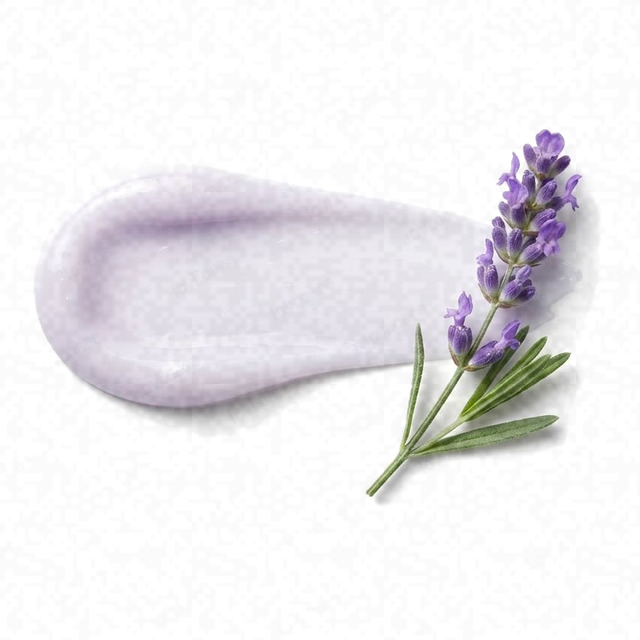 Lavender Essential Oil
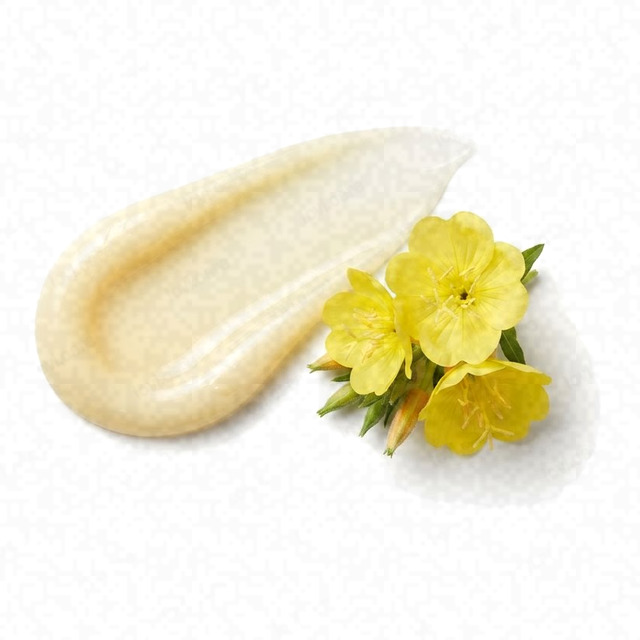 Oenothera Biennis Oil
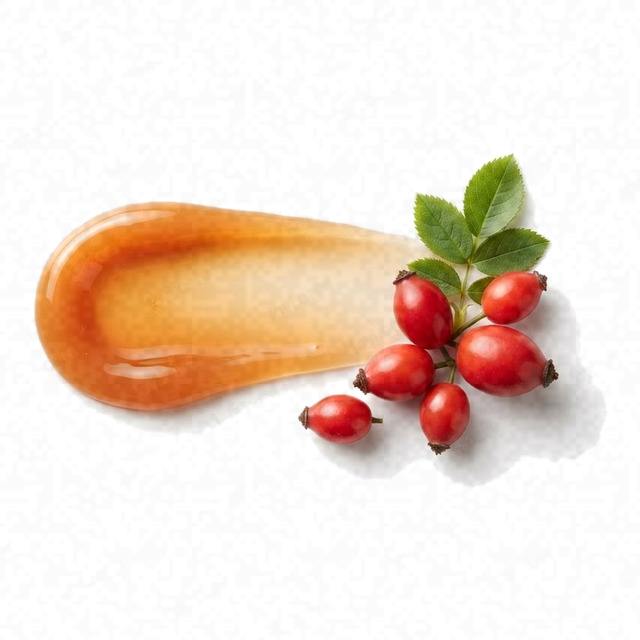 Rosa Canina Oil Fruit
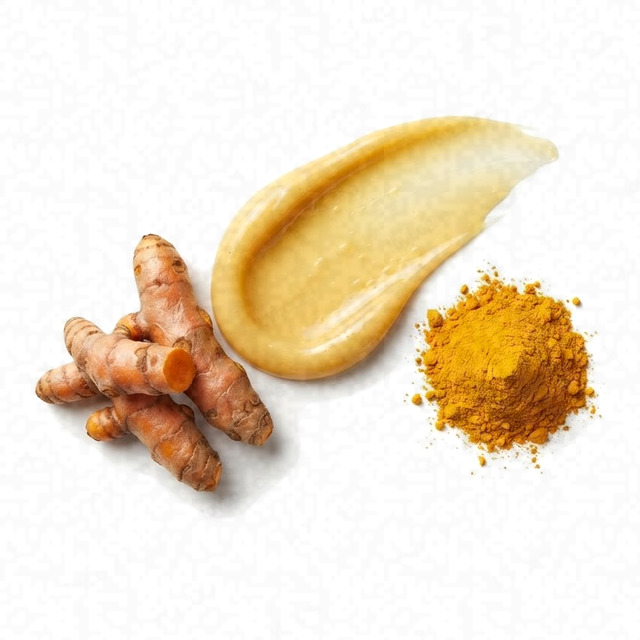 Curcuma Longa Root Extract
Low
- AverageOily Skin Fit
- AverageEffectiveness
- ConcerningSafety
A weak match for oily acne-prone skin; the moisturizers alongside fit it better.
This fit is calculated for the concerns frequently associated with oily acne-prone skin: shine, breakouts, blemishes, and enlarged pores. For scores and recommendations based on your full skin profile, including your 12D face scan results and any goals or preferences you have, please use the Lovi app.
Page built Nov 8, 2026How the Fit score works
Lovi Assistant explains
- Offers moderate moisturizing and barrier resilience for your oily skin due to squalane and rosa canina fruit oil, but these ingredients are not specialized for acne and blemishes, potentially worsening these conditions.
- While caprylic capric triglyceride and squalane provide emollient action suitable for oily skin, the formula lacks sufficient ingredients for optimal oil control.
How to apply
- Use this AM and PM routine every day to help clear your skin. Always remember to finish with SPF in the morning.
- Apply the moisturizer after your cleanser and toner, right before your SPF during the day.
- Gently press a small amount into your skin and avoid rubbing to keep pores clear.
- Apply on clean, slightly damp skin to help the product absorb better and control oil.
- Avoid the sensitive eye area and do a simple patch test before your first use.
People Say
★4.4Overall rating based on 1.3k+ reviewsThis facial oil is widely praised as a holy grail for dry or tired skin, with users consistently reporting a noticeable morning glow and improved plumpness after overnight use. Results are polarized for acne-prone users; while some find it balances oil production, a significant minority experience breakouts or cystic acne due to the essential oils. This summary is based on a very large amount of data and should definitely be taken into account.
Highlights
Restores radiance Mostly Mentioned
- “woke up glowing”
- “skin looks rested”
- “banished dullness”
- “noticeable morning radiance”
Deep hydration Often Mentioned
- “skin drinks it up”
- “erased dry patches”
- “soft and supple”
- “plumped fine lines”
Relaxing scent Often Mentioned
- “calming lavender smell”
- “helps me sleep”
- “soothing aromatherapy”
- “smells like a spa”
Lightweight absorption Sometimes Noted
- “not greasy at all”
- “absorbs instantly”
- “light texture”
- “doesn't stain pillow”
Causes breakouts Sometimes Noted
- “caused cystic acne”
- “tiny white bumps”
- “clogged my pores”
- “worst breakout ever”
High price Sometimes Noted
- “very expensive”
- “pricey for the size”
- “not worth the money”
- “overpriced oil”
Fragrance irritation Rarely Noted
- “smell is overpowering”
- “irritated my eyes”
- “too much essential oil”
- “scent caused headache”
Sits on skin Rarely Noted
- “felt oily all night”
- “didn't sink in”
- “greasy residue”
- “just sat on top”
Sources: lovi.care, sephora.com, ulta.com, kiehls.com, makeupalley.com, skincare.com, and more
Questions and answers
Why is Kiehl's Midnight Recovery Concentrate a weak match for oily acne-prone skin?
This moisturizing treatment is a weak match because its oils and squalane are not specialized for blemishes and may worsen them on oily skin. It also lacks sufficient ingredients for oil control. Oily acne-prone skin needs ingredients like niacinamide, ceramides, and lightweight humectants that manage breakouts and hydrate without clogging pores or feeling greasy.
The Journal of Investigative Dermatology, 2006Scientific Reports, 2020
Which ingredients make this serum a poor fit for oily acne-prone skin?
Squalane and caprylic capric triglyceride make this treatment a weak match because they lack specialized oil control and can potentially worsen blemishes on oily skin. A product of this type needs ingredients like niacinamide, ceramides, and lightweight hyaluronic acid to manage acne and provide hydration without clogging pores or feeling greasy.
What does Squalane do for oily acne-prone skin?
Squalane may help keep oily skin soft and smooth, but oxidized squalene can trigger inflammation in acne-prone skin. Because of this, oily acne-prone skin needs lightweight, non-greasy ingredients that balance moisture without clogging pores.
What does Lavender Essential Oil do for oily acne-prone skin?
Lavender essential oil helps calm oily, acne-prone skin by reducing redness and soothing irritated areas. It may also provide antioxidant support and help manage skin stress safely without causing irritation.
International Journal of Biological Macromolecules, 2021Anais Da Academia Brasileira de Ciencias, 2015
Where does this serum go in a skincare routine for oily acne-prone skin?
This treatment goes in the evening routine after cleansing and before moisturizing, though it is a weak match for your oily acne-prone skin. Oily acne-prone skin needs a product of this type that also provides oil control and ingredients specialized for acne and blemishes.
Can I use it with retinol, and in what order?
This moisturizing treatment is a weak match for your oily acne-prone skin, as it lacks oil control ingredients and may worsen breakouts. When combining treatments with retinol, apply your retinol first and follow with a lightweight moisturizer to help keep your skin calm and hydrated. An oily acne-prone skin routine needs oil-balancing ingredients and targeted blemish fighters like salicylic acid or niacinamide to stay clear.
How often should I use this serum?
This treatment is used in the evening for your oily acne-prone skin, starting slowly to see how your skin reacts. While it offers moderate moisture, it lacks oil control ingredients and may worsen breakouts, so this skin type needs targeted blemish-fighting ingredients and oil-balancing agents.
Can it clog pores, cause breakouts or purging for oily acne-prone skin?
Yes, this treatment may cause breakouts for oily acne-prone skin because it lacks sufficient oil-control ingredients and contains oils that are not specialized for blemishes. Oily acne-prone skin needs lightweight, non-greasy ingredients and targeted blemish-fighting components to help keep pores clear and calm.
Can I use this serum around the eyes or on my body?
This product is a weak match for oily acne-prone skin, but its oils and squalane help keep skin soft and smooth on the body and around the eyes where skin is very thin. Oily acne-prone skin needs a product of this type to include ingredients for oil control and blemishes.
Is it fragrance-free and alcohol-free?
It has no drying alcohol and contains fragrance (linalool, citronellol, geraniol, limonene, and citral).
What the research says
Peroxidated squalene induces an early activation of NF-kappaB, an increase in PPARalpha levels, and an upregulation of IL-6 production in HaCaT keratinocytes, which is subsequently counteracted by PPARalpha activation.
The Journal of Investigative Dermatology, 2006Topical application of a vitamin C-squalene bioconjugate significantly increased epidermal thickness, type III collagen production, and glycosaminoglycans production in human skin explants compared to free vitamin C and vitamin C-palmitate.
Scientific Reports, 2020Squalane at 0.005-0.015% counteracts UVA-induced oxidative stress, inflammation, and collagen metabolism inhibition while stimulating fibroblast migration in human dermal fibroblasts.
Molecules, 2025Topical application of an emollient emulsion containing 15.0% caprylic/capric triglyceride doubled the amount of urocanic acid isomers and increased skin hydration with reduced transepidermal water loss in healthy subjects, though it did not prevent ultraviolet-induced urocanic acid isomerization.
Life, 2023Plant-derived squalane protected human dermal fibroblasts against UVA-induced damage by counteracting ROS formation, suppressing apoptosis-related proteins p53, caspase-3, caspase-9, and PARP, and restoring the pro-survival p-Akt/mTOR pathway.
Antioxidants, 2025Polysaccharide-based O/W emulsions incorporated with lavender essential oil applied to cellulosic support are non-irritating, provide softness and moisturizing effects, and are safe for topical patch applications.
International Journal of Biological Macromolecules, 2021Gellan gum hydrogel films co-encapsulating ofloxacin with tea tree or lavender oil achieved 98% wound contraction and completely healed epidermis in rats after ten days of treatment compared to baseline.
International Journal of Biological Macromolecules, 2021Topical application of lavender oil significantly promoted wound contraction, collagen synthesis, and fibroblast differentiation with up-regulation of TGF-beta in a rat model compared to control.
BMC Complementary and Alternative Medicine, 2016Electrospun poly (vinyl butyral-co-vinyl alcohol-co-vinyl acetate) patches loaded with evening primrose oil applied to the forearm of volunteers for 6 hours increased skin moisture, with pore size, shape, and fiber diameter influencing oil transport.
Biomaterials Advances, 2022A topical preparation containing urea, sunflower oil, evening primrose oil, wheat germ oil, and sodium pyruvate led to clinical improvement after a month in diverse hyperkeratotic skin conditions except pityriasis lichenoides.
Medicina Cutanea Ibero-latino-americana, 1986Topical application of linseed, evening primrose, and olive oil emulsions accelerated wound closure in rats with excision wounds compared to untreated controls, though via different mechanisms.
Drug Delivery and Translational Research, 2019Topical treatments containing rosehip extract may reduce the size and erythema of postsurgical scars through macrophage polarization and inflammatory cytokine inhibition, though current clinical evidence remains insufficient to recommend its routine use.
Journal of Cosmetic Dermatology, 2024Sunflower and rosehip oil nanoemulsions prepared with a mix of phospholipids and synthetic emulsifiers permeated intact skin to the dermis and showed a more prominent healing effect in a human organotypic skin explant culture wound model compared to nanoemulsions prepared only with phospholipids.
Pharmaceutics, 2023A nanoemulsion containing 1 mg/mL kojic dipalmitate and 5% rosehip oil demonstrated high incorporation efficiency, suitable physicochemical stability, antioxidant and depigmenting efficacy close to 1 mM ascorbic acid, and no cytotoxicity at concentrations from 0.06% to 1% in vitro.
Pharmaceutics, 2023Topical application of curcumin or turmeric treats various skin conditions by leveraging antioxidant, anti-inflammatory, and antimicrobial properties.
Skin Pharmacology and Physiology, 2023Topical formulations of curcumin target oxidative damage and inflammation to improve wound healing in animal models.
Drug Discovery Today, 2017A curcumin-loaded spanlastic anti-aging gel utilizing formula F5 incorporated into 2% HPMC E50 demonstrated sustained release action, compatibility, and the ability to penetrate skin layers to a depth of about 112.5 um without signs of irritation.
Saudi Pharmaceutical Journal, 2024
Why other moisturizers fit oily acne-prone skin better
A panthenol-enriched mask improved skin hydration, regulated sebum, and reduced redness and TEWL across dry sensitive, oily sensitive, and oily acne skin subgroups with excellent tolerance and no adverse reactions.
Journal of Cosmetic Dermatology, 2024A peel-off facial mask containing myoinositol and trehalose-loaded liposomes improved adult female acne by decreasing lesion counts, sebum production, GAGS scores, and local androgen levels while increasing beclin-1 levels.
Journal of Cosmetic Dermatology, 2017Gluconolactone 14% solution significantly improved mild to moderate acne by reducing inflamed and non-inflamed lesions similarly to 5% benzoyl peroxide, but with fewer side-effects in 150 patients.
The Australasian Journal of Dermatology, 1992
Ingredients
Caprylic Capric Triglyceride, Dicaprylyl Carbonate, Squalane, Rosa Canina Oil Fruit, Oenothera Biennis Evening Primrose Oil, Simmondsia Chinensis Jojoba Seed Oil Oil, Coriandrum Sativum Coriander Seed Oil Oil, Tocopherol, Lavandula Angustifolia Lavender Oil, Pelargonium Graveolens Oil Flower, Linalool, Rosmarinus Officinalis Rosemary Oil Leaf, Citronellol, Geraniol, Lavandula Hybrida Oil, Cucumis Sativus Cucumber Fruit Extract Extract, Curcuma Longa Turmeric Root Extract Extract, Limonene, Citral, Sclareolide, Rosa Spp Rose Oil Flower, Jasminum Officinale Jasmine Extract, Helianthus Annuus Sunflower Seed Oil
Behind this fit score
Lovi calculates every fit score from the full ingredient list with brand-independent rules our dermatologists and cosmetic chemists build and review, and personalizes every pick with AI trained on the real results of millions of users. Lovi trains its fit score models on a proprietary dataset built from more than 10,000 expert-labeled products and more than 100,000 simulated examples, following an internally consistent methodology presented at Cosmoprof, AMWC, and Skin of Color Update.
-

Co-founder, Medical Director
Cosmetic chemist, cosmetologist, aesthetic products developer
-

Co-founder, CEO and CTO
PhD in computer science, 3x US patent holder, ex-Google, ex-Yandex
-

Dr. Sofía Perea Pérez, MD, MSc
Medical Board
Aesthetic medicine practitioner, MSc in Longevity and Anti-Aging Medicine
-

Medical Board
Specialist dermatologist, MBBS, MD, IFAAD
-

Medical Board
Cosmetic chemist, SCS, IFSCC member
-

Medical Board, Medical Advisor
Dermatology MD
-

Elina Nazarenko, MD
Medical Board
Dermatology and diagnostic consultant
-

Victoria Derkova, MS
Medical Board
Cosmetic chemist, cosmetic development technologist


How does it fit your skin?
Scan your face, then any product: Lovi shows how well it fits you and what fits even better.