Avène Mineral Ultra-Light Hydrating Sunscreen Lotion SPF 50+ for acne-prone skin

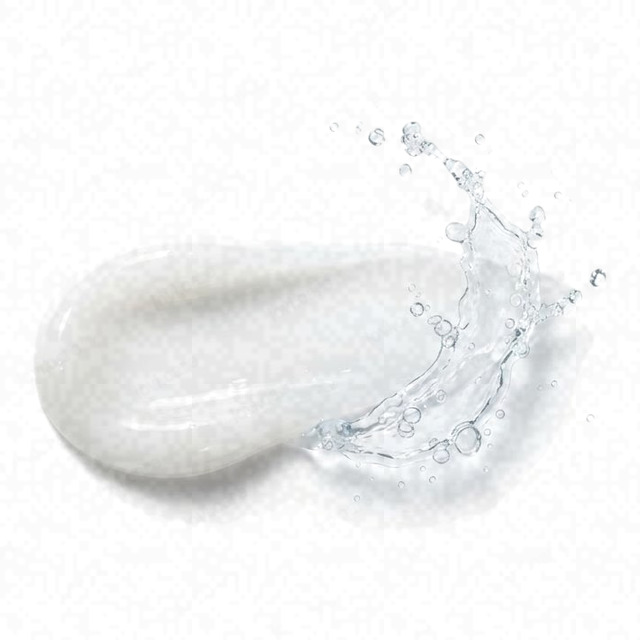 Thermal Spring Water
 Zinc Oxide
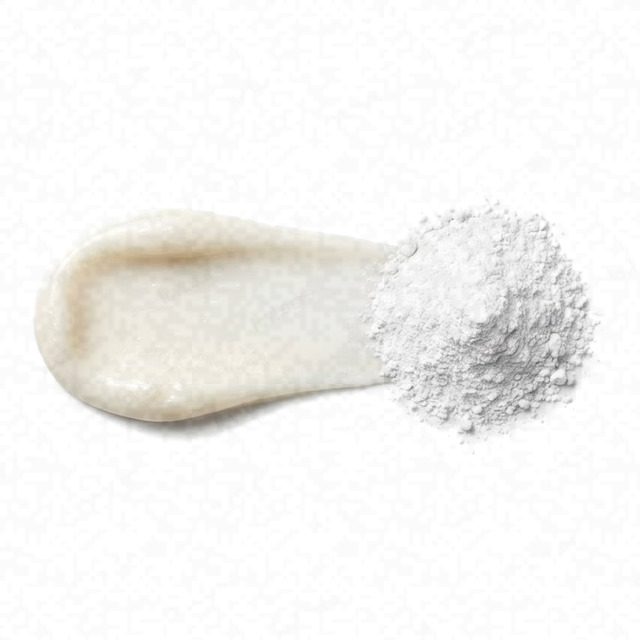 Titanium Dioxide
 Glycerin
 Tocopheryl Acetate Vitamin E
High
- HighCombination Skin Fit
- HighEffectiveness
- HighSafety
A great choice for acne-prone skin; a few sunscreens fit it even better.
This fit is calculated for the concerns frequently associated with acne-prone skin: breakouts, blackheads, and post-acne marks. For scores and recommendations based on your full skin profile, including your 12D face scan results and any goals or preferences you have, please use the Lovi app.
Page built Nov 8, 2026How the Fit score works
Lovi Assistant explains
- Offers excellent sun protection for your combination skin, with zinc oxide and titanium dioxide providing broad-spectrum UV filtering, while glycerin and tocopheryl acetate help maintain skin balance.
- The zinc oxide also offers moderate benefits for acne and blemishes by controlling oil and reducing inflammation, though more specialized breakout prevention ingredients could enhance results.
- The formula is safe for your acne-prone skin, as it lacks prohibited or harsh ingredients that could cause irritation.
How to apply
- Apply this moisturizing sunscreen AM every morning as the final step of your daily routine.
- Layer the moisturizing sunscreen after your moisturizer has fully absorbed, right before heading out into the sun .
- Smooth a nickel-sized amount of the moisturizing sunscreen evenly over your face, avoiding harsh rubbing.
- Apply the moisturizing sunscreen onto clean, dry skin to ensure even coverage and protection.
- Perform a patch test before first use and avoid direct contact with the eyes.
People Say
★3.4Overall rating based on 100+ reviewsBased on limited data, users with sensitive and acne-prone skin find this sunscreen to be gentle and non-irritating, providing good protection without causing breakouts. However, a significant number of users report a noticeable white cast and a greasy, shiny finish, particularly those with oily or darker skin tones.
Highlights
Gentle on sensitive skin Often Mentioned
- “Causes NO BREAKOUTS”
- “gentle and moisturizing”
- “good for sensitive skin”
- “hypoallergenic”
Greasy/shiny finish Often Mentioned
- “Extremely greasy”
- “tacky greasy looking”
- “looks like I'm sweating”
- “never dries down”
Visible white cast Often Mentioned
- “Left a white streaky finish”
- “clownish white cast”
- “looks very bad with my skin tone”
- “white tint”
Effective protection Sometimes Noted
- “Stable protection”
- “did not get burnt”
- “effective and light”
- “protection I need”
Hydrating formula Sometimes Noted
- “Hydrates and feels lightweight”
- “gives me a dewy glow”
- “highly hydrating”
- “moisturizing”
Lightweight texture Sometimes Noted
- “Super light weight”
- “liquid that you shake”
- “runny lotion”
- “blends well”
Runny consistency Rarely Noted
- “Very runny”
- “thin & watery”
- “liquid that you shake”
Unpleasant smell Rarely Noted
- “Smell upon application”
- “scent”
- “smell will stick”
Sources: lovi.care, aveneusa.com, walgreens.com, lovelyskin.com, ulta.com, and more
Questions and answers
What makes Avène Mineral Ultra-Light Hydrating Sunscreen Lotion SPF 50+ a great fit for acne-prone skin?
Avène Mineral Ultra-Light Hydrating Sunscreen Lotion SPF 50+ is a great fit for acne-prone skin because zinc oxide helps control oil and reduce inflammation while keeping the formula safe and gentle. Glycerin and vitamin E also help maintain skin balance without clogging pores or causing irritation.
Which ingredients make this sunscreen a good fit for acne-prone skin?
Zinc oxide and titanium dioxide make this sunscreen a great fit for your acne-prone skin by providing gentle, non-irritating sun protection. The zinc oxide also helps control oil and calm inflammation to keep your skin clear and comfortable.
What does Thermal Spring Water do for acne-prone skin?
Thermal spring water helps calm acne-prone skin by reducing dryness and stinging while improving overall tolerability when used alongside standard acne care. It may also help manage acne and reduce local irritation.
The Medical Journal of Malaysia, 2024Dermatology and Therapy, 2023
What does Zinc Oxide do for acne-prone skin?
Zinc oxide helps calm acne-prone skin by reducing breakouts, redness, and the bacteria linked to pimples. Studies show that using it on your skin is generally safe and unlikely to cause irritation.
Where does this sunscreen go in a skincare routine for acne-prone skin?
This sunscreen goes as the last step of your morning skincare routine, right after your moisturizer. It is a great fit for your acne-prone skin because the zinc oxide and titanium dioxide protect against the sun while helping keep oil and redness under control.
Can I use this sunscreen with retinol, and in what order?
You can use this sunscreen in your morning routine after your moisturizer, while saving your retinol for the evening. This sunscreen is a great fit because it uses zinc oxide and titanium dioxide to protect your skin without harsh ingredients that might cause irritation.
How often should I use this sunscreen?
You can use this sunscreen every morning as the final step of your daytime routine. Applying it daily helps protect your skin from UV rays while keeping it balanced and calm.
Can this sunscreen clog pores, cause breakouts or purging for acne-prone skin?
This sunscreen is safe for acne-prone skin and is unlikely to clog pores or cause breakouts because it lacks harsh ingredients that could cause irritation. The zinc oxide in the formula also helps control oil and reduce inflammation to support clear skin.
Is this sunscreen fragrance-free and alcohol-free?
Yes, it has no fragrance and no drying alcohol.
What the research says
Microfine titanium dioxide does not penetrate human skin when formulated in an oil-in-water emulsion with the pigment dispersed in the aqueous phase, compared to oily dispersions and liposomal encapsulation which allow deeper skin penetration.
International Journal of Cosmetic Science, 2000Topical application of micronised titanium dioxide results in no dermal absorption, with the particles being deposited solely on the outermost surface of the stratum corneum.
Skin Pharmacology and Applied Skin Physiology, 2001Biomimetic hyaluronic acid-stabilized zinc oxide nanoparticles selectively inhibited C. acnes, outperformed erythromycin in preclinical acne models, and safely reduced acne lesions and redness in a clinical trial.
Journal of Controlled Release, 2025Topical 0.5% hyaluronic-ZnO nanogel applied twice daily reduced inflammatory-lesion counts by 58% at week four in human subjects compared to baseline without causing erythema.
Biomedicines, 2025Dermatological products containing d-alpha tocopheryl acetate showed non-comedogenic potential with less than a 50% increase in microcomedones in 12 healthy male subjects compared to octyl palmitate.
Contemporary Clinical Trials Communications, 2021Balneotherapy with thermal water altered specific skin microbiota at genus and species levels in healthy female volunteers compared to tap water, which produced no significant microbiome changes.
Life, 2023Malaysian thermal spring water as an adjunct to standard acne therapy improved skin hydration, reduced dryness and stinging, enhanced overall tolerability, and improved the acne disability index in patients with mild to moderate acne.
The Medical Journal of Malaysia, 2024A 2% Sphingomonas xenophaga ferment extract cream applied twice daily for 4 weeks significantly decreased facial vascular disorder scores compared to vehicle in 86 Caucasian female subjects, alongside dose-dependent inhibition of pre-kallikrein activity in vitro.
International Journal of Cosmetic Science, 2025Nels cream achieved a similar reduction in inflammatory and noninflammatory lesion counts compared to 5% benzoyl peroxide in acne vulgaris patients, but caused significantly fewer side-effects such as peeling and dryness.
Clinical and Experimental Dermatology, 2000Topically applied coated and uncoated zinc oxide nanoparticles under flexing and massage are retained in the stratum corneum with no significant penetration into the viable epidermis and no cellular toxicity in human skin.
Nanomedicine, 2016Replacing microsized titanium dioxide and zinc oxide with nanoparticles in sunscreens eliminates opaqueness and alters UV protection balance while inducing (photo)cyto- and genotoxicity and penetrating viable skin layers during long-term exposures.
Nanotechnology, Science and Applications, 2011Microfine zinc oxide and titanium dioxide do not penetrate the stratum corneum of porcine skin in vitro, indicating that their use in sunscreens does not pose a health risk from internal exposure.
Toxicology in Vitro, 2006Hyaluronic acid-grafted titanium dioxide nanoparticles increased SPF from 13.3 to 19.1 while demonstrating low photocatalytic activity, exceptional thermal stability with >95% SPF retention, enhanced moisturization with >80% hydration retention, and minimal cytotoxicity with 88.5% cell viability in HaCaT keratinocytes compared to unmodified nanoparticles.
International Journal of Biological Macromolecules, 2025A single application of a moisturizing fluid containing hyaluronic acid 1%, glycerin 5%, and Centella asiatica stem cells extract significantly increased skin hydration by 29% and reduced transepidermal water loss at 24 hours compared to baseline and an untreated control site in twenty healthy women.
Clinical, Cosmetic and Investigational Dermatology, 2017The emollient V0034CR significantly reduced TEWL compared to vehicle and vehicle plus glycerol, and significantly increased corneometry scores compared to vehicle and vehicle plus petrolatum in healthy volunteers with dry skin, demonstrating combined barrier function improvement from petrolatum and hydration improvement from glycerol.
Journal of Cosmetic Dermatology, 2020Ten days of treatment with a cream containing 20% glycerin significantly increased skin hydration measured by corneometer values in 17 healthy volunteers compared to a placebo cream, but showed no influence on transepidermal water loss or skin sensitivity to an irritating surfactant.
International Journal of Cosmetic Science, 2001Topical application of an antioxidant serum containing 15% ascorbic acid, 0.5% ferulic acid, and 1% tocopherol prevented particulate matter-induced degradation of extracellular matrix components, inflammation, and oxidative stress in the skin of 15 female volunteers compared to untreated controls.
Journal of Cosmetic Dermatology, 2025Topical application of an antioxidant mix containing 15% ascorbic acid, 0.5% ferulic acid, and 1% tocopherol prevented PM and UV-induced skin barrier perturbation, lipid peroxidation, inflammatory markers, MMP9 activation, and Type I collagen loss in 15 healthy females compared to untreated exposed skin.
Journal of Cosmetic Dermatology, 2024A topical antioxidant serum significantly reduced air pollution-induced skin pigmentation and proinflammatory gene expression ex vivo, and improved skin aging signs in 40 healthy adult females after 90 days of daily use.
Journal of Cosmetic Dermatology, 2022
Ingredients
C12-15 Alkyl Benzoate, Zinc Oxide, Disodium Edta, Methicone, Butyloctyl Salicylate, Cetyl Dimethicone, Sodium Chloride, Sorbitol, Acrylates C12-22 Alkyl Methacrylate Copolymer, Ethylhexylglycerin, Octyldodecyl Neopentanoate, Oleic Acid, Isostearic Acid, Xanthan Gum, Butylene Glycol, Glycerin, Trimethylsiloxysilicate, Polyhydroxystearic Acid, Hydroxyethyl Acrylate Sodium Acryloyldimethyl Taurate Copolymer, Styrene Acrylates Copolymer, Alumina, Trisiloxane, Dimethicone, Dimethicone Peg-10 15 Crosspolymer, Tocopheryl Acetate Vitamin E, Phenoxyethanol, Lecithin, Lauryl Peg-8 Dimethicone, Titanium Dioxide, Polyethylmethacrylate
Behind this fit score
Lovi calculates every fit score from the full ingredient list with brand-independent rules our dermatologists and cosmetic chemists build and review, and personalizes every pick with AI trained on the real results of millions of users. Lovi trains its fit score models on a proprietary dataset built from more than 10,000 expert-labeled products and more than 100,000 simulated examples, following an internally consistent methodology presented at Cosmoprof, AMWC, and Skin of Color Update.
-

Co-founder, Medical Director
Cosmetic chemist, cosmetologist, aesthetic products developer
-

Co-founder, CEO and CTO
PhD in computer science, 3x US patent holder, ex-Google, ex-Yandex
-

Dr. Sofía Perea Pérez, MD, MSc
Medical Board
Aesthetic medicine practitioner, MSc in Longevity and Anti-Aging Medicine
-

Medical Board
Specialist dermatologist, MBBS, MD, IFAAD
-

Medical Board
Cosmetic chemist, SCS, IFSCC member
-

Medical Board, Medical Advisor
Dermatology MD
-

Elina Nazarenko, MD
Medical Board
Dermatology and diagnostic consultant
-

Victoria Derkova, MS
Medical Board
Cosmetic chemist, cosmetic development technologist


How does it fit your skin?
Scan your face, then any product: Lovi shows how well it fits you and what fits even better.