NIVEA UV Deep Protect & Care Gel for combination skin

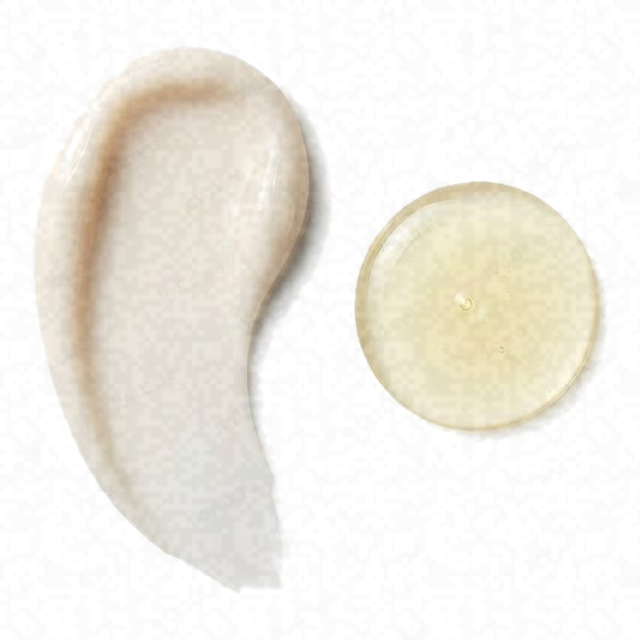 Ethylhexyl Methoxycinnamate
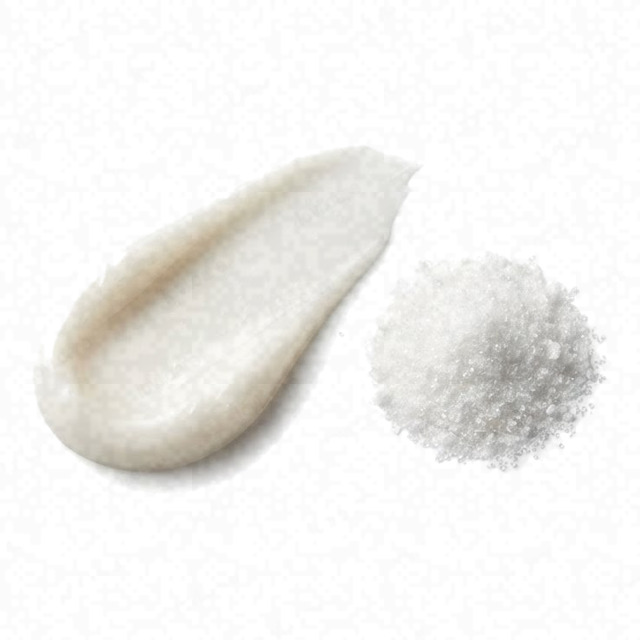 Diethylamino Hydroxybenzoyl Hexyl Benzoate
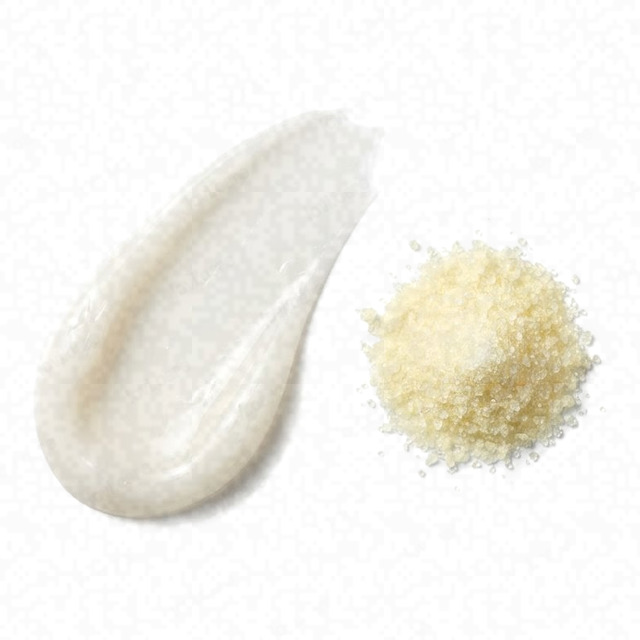 Bis-Ethylhexyloxyphenol Methoxyphenyl Triazine
 Sodium Hyaluronate
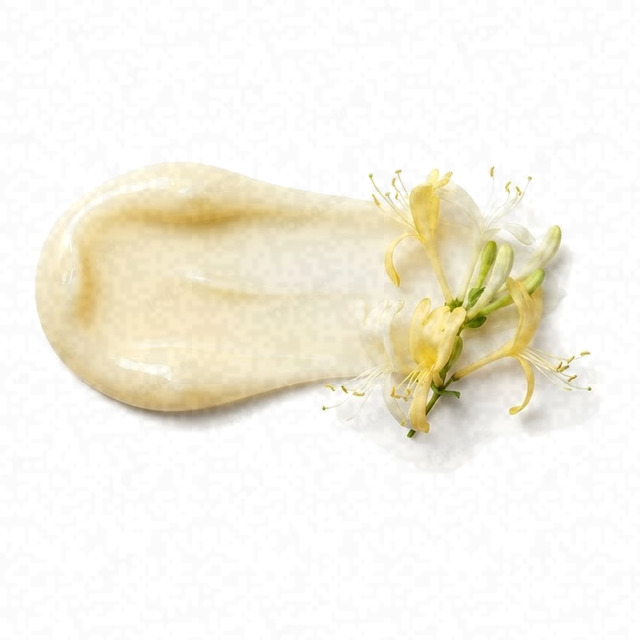 Lonicera Japonica Flower Extract Honeysuckle Flower Extract
High
- HighCombination Skin Fit
- HighEffectiveness
- HighSafety
A great choice for combination skin; a few sunscreens fit it even better.
This fit is calculated for the concerns frequently associated with combination skin: an oily T-zone, enlarged pores, and dry cheeks. For scores and recommendations based on your full skin profile, including your 12D face scan results and any goals or preferences you have, please use the Lovi app.
Page built Nov 8, 2026How the Fit score works
Lovi Assistant explains
- Offers excellent protection against UV rays due to ethylhexyl methoxycinnamate and bis-ethylhexyloxyphenol methoxyphenyl triazine, which are beneficial for your combination skin by preventing sun damage.
- Silica dimethyl silylate and polymethylsilsesquioxane effectively absorb excess oil, providing a mattifying effect that addresses your concern with oily shine.
- The formula is safe for your combination skin, containing no harsh ingredients that could cause irritation.
How to apply
- Apply this sunscreen during your AM routine every single day. Make sure to reapply ⏱ every two hours if you stay outside.
- Apply this sunscreen as the very last step of your morning routine after your moisturizer. Allow your moisturizer to ⏳ sink in for a minute first.
- Smooth an even layer over your face and gently pat it into the skin without harsh rubbing. Be sure to cover all exposed areas thoroughly.
- For the best finish on your combination skin, apply the sunscreen on completely dry skin over your moisturizer. This helps control any oily shine throughout the day.
- Avoid getting the product directly into your eyes. Do a small patch test before your first full application.
Questions and answers
What makes Nivea UV Deep Protect & Care Gel a great fit for combination skin?
This sunscreen is a great fit because it offers strong sun protection with ethylhexyl methoxycinnamate and bis-ethylhexyloxyphenol methoxyphenyl triazine while helping to control oily shine using silica dimethyl silylate and polymethylsilsesquioxane. It also has a safe formula with no harsh ingredients that could cause irritation.
Which ingredients make this gel a good fit for combination skin?
Ethylhexyl methoxycinnamate and bis-ethylhexyloxyphenol methoxyphenyl triazine protect your combination skin from sun damage, while silica dimethyl silylate and polymethylsilsesquioxane absorb extra oil to stop shine. These ingredients work together safely without harsh irritants.
What does Octinoxate do for combination skin?
Octinoxate helps protect combination skin from the sun while staying light enough to avoid clogging your pores in oily areas or feeling heavy on dry patches. Liposomal versions stay on the skin longer for better sun defense, and it is unlikely to trigger acne or skin flare-ups.
International Journal of Nanomedicine, 2013Archives of Dermatological Research, 2024
What does Diethylamino Hydroxybenzoyl Hexyl Benzoate do for combination skin?
Diethylamino Hydroxybenzoyl Hexyl Benzoate helps protect combination skin from ultraviolet radiation by absorbing UVA rays. Encapsulating this ingredient in specialized carriers may also reduce skin penetration and maintain photostability during sun exposure.
ACS Applied Materials & Interfaces, 2023International Journal of Biological Macromolecules, 2026
Where does this gel go in a skincare routine for combination skin?
This gel goes on in the morning as the last step of your skincare routine, right after your moisturizer. It offers excellent protection against sun damage and helps keep oily shine under control.
Can I use this gel with retinol, and in what order?
You can use this gel in the morning as the last step of your routine before makeup, and apply your retinol at night. Using your sunscreen every morning helps protect your skin from sun damage while keeping oily shine under control.
How often should I use this gel?
Use this spf every morning as the final step of your daytime routine to protect your combination skin from sun damage. It helps keep excess oil under control throughout the day while offering safe, irritation-free wear.
International Journal of Nanomedicine, 2013International Journal of Cosmetic Science, 2025
Can this gel clog pores, cause breakouts or purging for combination skin?
This gel is unlikely to clog pores or cause breakouts for combination skin because it is safe and free of harsh ingredients that could irritate your skin. Silica dimethyl silylate and polymethylsilsesquioxane also help absorb excess oil to keep your skin matte.
Is this gel fragrance-free and alcohol-free?
It has no fragrance and contains drying alcohol (alcohol).
What the research says
Replacing 20% of the chemical UV filter octyl methoxycinnamate with urucum oil in solid lipid nanoparticles maintained the skin protection factor without inducing toxic responses or significant skin penetration in human volunteers.
Skin Pharmacology and Physiology, 2018Liposomal encapsulation of octyl methoxycinnamate increases its safety, skin affinity, and in vivo solar photoprotection factor while slowing its release and enhancing retention in the stratum corneum compared to a conventional formulation.
International Journal of Nanomedicine, 2013Encapsulation of ethylhexyl methoxycinnamate and butyl methoxydibenzoylmethane in lipid microparticles significantly reduced their in vivo human skin penetration compared to nonencapsulated filters.
Skin Pharmacology and Physiology, 2011Oral and dermal administration of Uvinul A plus resulted in three major urinary metabolites accounting for 52% of the oral dose, with a very low estimated daily systemic exposure of 8.1-9.3 μg/d in volunteers not intentionally exposed.
International Journal of Hygiene and Environmental Health, 2020Maximal topical applications of 6% bemotrizinol in a model sunscreen formulation did not result in meaningful systemic exposure in humans.
Regulatory Toxicology and Pharmacology, 2023Topical application of 0.1% hyaluronic acid formulations of different molecular weights led to significant improvements in skin hydration and elasticity, with low-molecular-weight formulations also significantly reducing wrinkle depth in seventy-six female subjects compared to a vehicle control.
Journal of Drugs in Dermatology, 2011Topical application of hyaluronic acid in conjunction with free gingival graft significantly reduced donor site postoperative pain until day 7 compared to normal saline, with no significant differences in graft dimensions or patient satisfaction.
Clinical Oral Investigations, 2022Treatment with a hyaluronic acid-containing mouth rinse or topical gel led to significant lesion reduction, pain relief, and normalization of lesion color in adult patients with minor recurrent aphthous stomatitis, with the gel formulation showing an earlier healing onset at 3 days.
BMC Oral Health, 2019Lonicera japonica and Citri Reticulatae Pericarpium Polyphenolic Extract (LCPE) reduces inflammation-mediating cytokines COX-2 and iNOS and inhibits NF-kB and MAPK pathways in lipopolysaccharide-induced skin keratinocytes.
Antioxidants, 2023The incorporation of blue honeysuckle powder into cosmetic face masks resulted in stable emulsions that provided proper skin hydration and altered the physical properties of the masks.
Molecules, 2021
Ingredients
Water, Alcohol, Ethylhexyl Methoxycinnamate, Butylene Glycol, Caprylyl Methicone, Diethylamino Hydroxybenzoyl Hexyl Benzoate, Isopropyl Palmitate, Bis-Ethylhexyloxyphenol Methoxyphenyl Triazine, Diisopropyl Sebacate, Ethylhexyl Triazone, Polysilicone-15, Silica Dimethyl Silylate, Lonicera Japonica Flower Extract Honeysuckle Flower Extract, Hydrolyzed Conchiolin Protein, Polianthes Tuberosa Polysaccharide, Rosa Damascena Flower Water, Sodium Hyaluronate, Pyrus Cydonia Seed Extract, Polymethylsilsesquioxane, Acrylates C10-30 Alkyl Acrylate Crosspolymer, Lauroyl Lysine, Hydroxypropyl Methylcellulose Stearoxy Ether, Sodium Dilauramidoglutamide Lysine, C30-45 Alkyl Methicone, C30-45 Olefin, Menthoxypropanediol, Phenoxyethanol, Sodium Hydroxide, Bht, Methylparaben
Behind this fit score
Lovi calculates every fit score from the full ingredient list with brand-independent rules our dermatologists and cosmetic chemists build and review, and personalizes every pick with AI trained on the real results of millions of users. Lovi trains its fit score models on a proprietary dataset built from more than 10,000 expert-labeled products and more than 100,000 simulated examples, following an internally consistent methodology presented at Cosmoprof, AMWC, and Skin of Color Update.
-

Co-founder, Medical Director
Cosmetic chemist, cosmetologist, aesthetic products developer
-

Co-founder, CEO and CTO
PhD in computer science, 3x US patent holder, ex-Google, ex-Yandex
-

Dr. Sofía Perea Pérez, MD, MSc
Medical Board
Aesthetic medicine practitioner, MSc in Longevity and Anti-Aging Medicine
-

Medical Board
Specialist dermatologist, MBBS, MD, IFAAD
-

Medical Board
Cosmetic chemist, SCS, IFSCC member
-

Medical Board, Medical Advisor
Dermatology MD
-

Elina Nazarenko, MD
Medical Board
Dermatology and diagnostic consultant
-

Victoria Derkova, MS
Medical Board
Cosmetic chemist, cosmetic development technologist


How does it fit your skin?
Scan your face, then any product: Lovi shows how well it fits you and what fits even better.