Kiehl's Eye Fuel for oily acne-prone skin

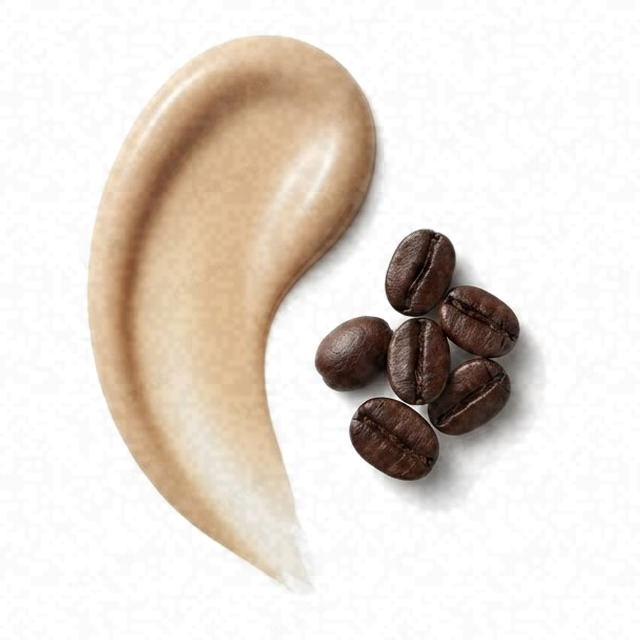 Caffeine
 Niacinamide
 Glycerin
 Ascorbyl Glucoside
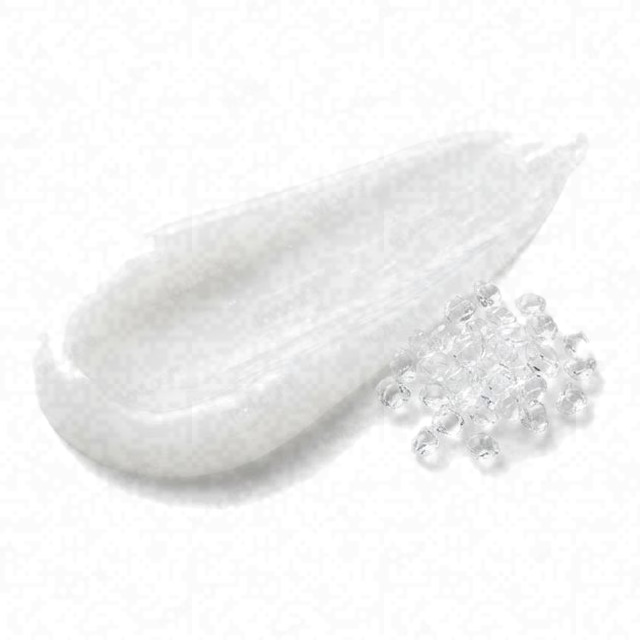 Palmitoyl Tetrapeptide-7
High
- HighOily Skin Fit
- HighEffectiveness
- HighSafety
A great choice for oily acne-prone skin; a few eye cares fit it even better.
This fit is calculated for the concerns frequently associated with oily acne-prone skin: shine, breakouts, blemishes, and enlarged pores. For scores and recommendations based on your full skin profile, including your 12D face scan results and any goals or preferences you have, please use the Lovi app.
Page built Nov 8, 2026How the Fit score works
Lovi Assistant explains
- Offers excellent plumping and firming for your oily skin, with Palmitoyl Oligopeptide and Palmitoyl Tetrapeptide-7 enhancing elasticity and reducing fine lines, while niacinamide and caffeine provide seboregulation.
- The formula is highly suitable for oily skin and provides general hydration benefits with glycerin, though these are mostly supportive and not directly targeted at your acne, blemishes, and breakouts.
- The safety profile is excellent, with no risks of irritation for your oily skin due to the absence of prohibited or harsh ingredients.
People Say
★3.7Overall rating based on 400+ reviewsKiehl's Eye Fuel is generally well-regarded for its lightweight, non-greasy texture and its ability to provide a cooling, refreshing sensation that helps awaken tired eyes. While many users report success in reducing morning puffiness and brightening the under-eye area, a notable segment of long-term customers expresses disappointment, often citing that the current formula feels less effective than previous versions.
Highlights
Lightweight texture Often Mentioned
- “Lightweight and easily absorbed”
- “Not greasy”
- “Luscious liquid texture”
Reduces puffiness Often Mentioned
- “Helps diminish under-eye puffiness”
- “Works for my puffiness”
- “Reduces puffiness and dark circles”
Brightens eyes Sometimes Noted
- “Leaves eye area looking brighter”
- “Makes eyes look more awake”
- “Helps with tired-looking eyes”
Cooling sensation Sometimes Noted
- “Provides a cooling sensation”
- “Very soothing”
- “Invigorates the under-eye area”
Formula changes Sometimes Noted
- “Not as effective as previous formula”
- “Inferior replacement”
- “Doesn't see the same benefits”
Limited effectiveness Sometimes Noted
- “Not seeing any improvement”
- “Done nothing”
- “No change from this product”
Availability issues Rarely Noted
- “Often out of stock”
- “Hard to find”
- “Please bring it back”
Packaging concerns Rarely Noted
- “Complaints about the packaging”
- “Size is small”
- “Disappointed with the container”
Sources: lovi.care, kohls.com, dillards.com, macys.com, ulta.com, kiehls.com.my, and more
Questions and answers
What makes Kiehl's Eye Fuel a great fit for oily acne-prone skin?
Kiehl's Eye Fuel is a great fit for your oily acne-prone skin because it offers excellent plumping and firming with peptides that boost elasticity, while niacinamide and caffeine help balance oil. Glycerin adds supportive hydration, and the formula has a very safe profile with no harsh ingredients to cause irritation.
Journal of Cosmetic Dermatology, 2015Clinical, Cosmetic and Investigational Dermatology, 2017
Which ingredients make this cream a good fit for oily acne-prone skin?
Palmitoyl oligopeptide and palmitoyl tetrapeptide-7 make this cream a great fit by firming and plumping your oily skin, while niacinamide and caffeine help balance oil. Glycerin also adds supportive moisture without clogging, and the formula is unlikely to cause irritation.
Journal of Cosmetic Dermatology, 2015Clinical, Cosmetic and Investigational Dermatology, 2017
What does Caffeine do for oily acne-prone skin?
Topical caffeine helps calm oily, acne-prone skin by protecting cells against UV damage and preventing excessive fat accumulation. It is also well tolerated and may boost your sunscreen protection when used together with UV filters.
Skin Pharmacology and Physiology, 2013Frontiers in Physiology, 2019
What does Niacinamide do for oily acne-prone skin?
Niacinamide helps balance oil production, calms redness, and is unlikely to irritate oily, acne-prone skin while improving blemishes. Clinical tests show it reduces excess oil and helps clear up both inflammatory and non-inflammatory acne breakouts.
Journal of Cosmetic and Laser Therapy, 2006Journal of Cosmetic Dermatology, 2024
Where does it go in a skincare routine for oily acne-prone skin?
Kiehl's Eye Fuel goes into your routine as an eye care step, perfectly suited for oily acne-prone skin because it firms the delicate eye area and helps control oil without clogging pores. It is very unlikely to cause irritation, making it safe to use daily.
International Journal of Cosmetic Science, 2020Journal of Cosmetic Dermatology, 2015
Can I use this cream with retinol, and in what order?
You can use this eye cream alongside retinol, applying it before your retinol treatment to help keep the eye area comfortable and hydrated. This formula is unlikely to cause irritation and is well-suited for your skin type.
How often should I use it?
This eye care product is a great fit for your oily acne-prone skin and can be used regularly in your daily routine. It helps firm the skin and keep oil in check without any risk of irritation.
Journal of Cosmetic Dermatology, 2015International Journal of Cosmetic Science, 2020
Can this cream clog pores, cause breakouts or purging for oily acne-prone skin?
This eye care is unlikely to clog your pores or cause breakouts because it has a very safe formula with no harsh or irritating ingredients for oily skin. It also helps control oil and gives great firming benefits.
Is it fragrance-free and alcohol-free?
Yes, it has no fragrance and no drying alcohol.
What the research says
A multi-modal methodology combining MALDI-MSI, in vivo RCM, echography, and histology revealed age-related decreases in extracellular matrix and epidermal-dermal junction proteins and undulation depth, while a blend of palmitoyl oligopeptide and palmitoyl tetrapeptide-7 improved subepidermal low-echogenic band thickness, density, and extracellular matrix structure compared to placebo.
Journal of Cosmetic Dermatology, 2015Palmitoyl tetrapeptide-7, acetyl hexapeptide-8, palmitoyl tripeptide-1, and palmitoyl tetrapeptide-10 significantly increased type III collagen levels in human dermal fibroblasts following UV exposure, with their combination demonstrating a greater effect in vitro and enhancing type I, III, and IV collagen levels in ex vivo skin tissues compared to individual components.
International Journal of Cosmetic Science, 2026A single application of a moisturizing fluid containing hyaluronic acid 1%, glycerin 5%, and Centella asiatica stem cells extract significantly increased skin hydration by 29% and reduced transepidermal water loss at 24 hours compared to baseline and an untreated control site in twenty healthy women.
Clinical, Cosmetic and Investigational Dermatology, 2017A topical cosmetic slimming product containing tetrahydroxypropyl ethylenediamine, caffeine, carnitine, forskolin and retinol significantly reduced body circumferences and improved skin aspect compared with placebo in 78 women over 12 weeks.
International Journal of Cosmetic Science, 2011Topical sunscreen formulations containing caffeine combined with UV filters increased in vivo anti-UVB protection by approximately 25% and showed higher SPF values compared to caffeine-free sunscreen, while being well tolerated by the skin of healthy subjects.
Frontiers in Physiology, 2019Caffeine gel combined with choline geranate showed high skin permeation capacity and superior clinical results in cellulite treatment compared to caffeine gel without ionic liquid.
AAPS PharmSciTech, 2021Topical post-laser application of human adipocyte-derived mesenchymal stem cell media combined with niacinamide significantly improved wrinkle index, melanin index, patient satisfaction, and investigator esthetic improvement scores compared to vehicle cream in patients with aging skin.
Journal of Cosmetic Dermatology, 2021Topical nicotinamide prevented solar-simulated UV-induced immunosuppression in healthy volunteers, and men experienced immunosuppression at solar-simulated UV doses three times lower than those required for women.
The Journal of Investigative Dermatology, 2008Topical 5% niacinamide applied twice daily for 12 weeks reduced fine lines and wrinkles, hyperpigmented spots, red blotchiness, and skin sallowness, and improved skin elasticity compared to vehicle control in 50 female white subjects with facial photoaging.
Dermatologic Surgery, 2005The emollient V0034CR significantly reduced TEWL compared to vehicle and vehicle plus glycerol, and significantly increased corneometry scores compared to vehicle and vehicle plus petrolatum in healthy volunteers with dry skin, demonstrating combined barrier function improvement from petrolatum and hydration improvement from glycerol.
Journal of Cosmetic Dermatology, 2020Ten days of treatment with a cream containing 20% glycerin significantly increased skin hydration measured by corneometer values in 17 healthy volunteers compared to a placebo cream, but showed no influence on transepidermal water loss or skin sensitivity to an irritating surfactant.
International Journal of Cosmetic Science, 2001Niacinamide/glycerin body moisturizers provided better rapid and prolonged improvement of cosmetic xerosis through functional improvement of stratum corneum barrier function compared to no treatment and conventional moisturizers in female subjects.
Journal of Drugs in Dermatology, 2012Topical application of 5% vitamin C cream significantly improved global clinical scores, increased skin microrelief density, and induced elastic tissue repair in photoaged skin compared to excipient control in healthy female volunteers.
Experimental Dermatology, 2003Ascorbic acid 2-glucoside gel significantly reduced gingival melanin pigmentation after 4 weeks compared to placebo in 73 subjects with symmetric pigmentation.
Journal of Periodontology, 2009Topical application of VC-IP cream twice daily for 8 weeks reduces periorbital wrinkles in female subjects compared to a placebo cream.
Journal of Cosmetic Dermatology, 2022
Ingredients
Water, Dimethicone, Glycerin, Niacinamide, Methyl Methacrylate Crosspolymer, Caffeine, Ethylhexyl Palmitate, Dimethicone Vinyl Dimethicone Crosspolymer, Dimethicone Peg-10 15 Crosspolymer, Peg-10 Dimethicone, Hydroxyethylpiperazine Ethane Sulfonic Acid, Sodium Chloride, Perlite, Phenoxyethanol, Chlorphenesin, Sodium Citrate, P-Anisic Acid, Tocopherol, Disodium Edta, Steareth-20, Ascorbyl Glucoside, Adenosine, Glycine Soja Soybean Protein, Dipropylene Glycol, Caprylyl Glycol, Sodium Cocoyl Glutamate, Chlorhexidine Digluconate, N-Hydroxysuccinimide, Potassium Sorbate, Ethylhexylglycerin, Sodium Benzoate, Palmitoyl Oligopeptide, Chrysin, Palmitoyl Tetrapeptide-7
Behind this fit score
Lovi calculates every fit score from the full ingredient list with brand-independent rules our dermatologists and cosmetic chemists build and review, and personalizes every pick with AI trained on the real results of millions of users. Lovi trains its fit score models on a proprietary dataset built from more than 10,000 expert-labeled products and more than 100,000 simulated examples, following an internally consistent methodology presented at Cosmoprof, AMWC, and Skin of Color Update.
-

Co-founder, Medical Director
Cosmetic chemist, cosmetologist, aesthetic products developer
-

Co-founder, CEO and CTO
PhD in computer science, 3x US patent holder, ex-Google, ex-Yandex
-

Dr. Sofía Perea Pérez, MD, MSc
Medical Board
Aesthetic medicine practitioner, MSc in Longevity and Anti-Aging Medicine
-

Medical Board
Specialist dermatologist, MBBS, MD, IFAAD
-

Medical Board
Cosmetic chemist, SCS, IFSCC member
-

Medical Board, Medical Advisor
Dermatology MD
-

Elina Nazarenko, MD
Medical Board
Dermatology and diagnostic consultant
-

Victoria Derkova, MS
Medical Board
Cosmetic chemist, cosmetic development technologist


How does it fit your skin?
Scan your face, then any product: Lovi shows how well it fits you and what fits even better.