NIVEA Soft Moisturizing Cream for acne-prone skin

 Glycerin
 Mineral Oil
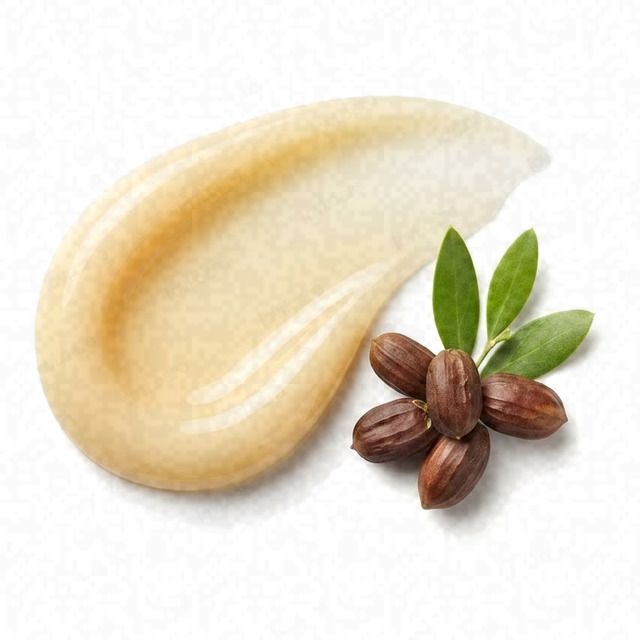 Jojoba Seed Oil
 Tocopheryl Acetate
 Dimethicone
Caution
- AverageCombination Skin Fit
- AverageEffectiveness
- RiskySafety
A poor match for acne-prone skin; the moisturizers alongside fit it better.
This fit is calculated for the concerns frequently associated with acne-prone skin: breakouts, blackheads, and post-acne marks. For scores and recommendations based on your full skin profile, including your 12D face scan results and any goals or preferences you have, please use the Lovi app.
Page built Nov 8, 2026How the Fit score works
Lovi Assistant explains
- Offers moderate moisturizing for your combination skin, with glycerin and jojoba seed oil providing hydration and enhancing barrier resilience, but the presence of mineral oil and petrolatum poses a moderate risk of worsening your acne and blemishes due to their pore-clogging potential.
- While the formula is generally safe and free from harsh ingredients, the inclusion of mineral oil and petrolatum makes it less ideal for your acne-prone skin.
How to apply
- Use your moisturizer twice a day in your AM and PM routines. Apply it daily to help keep breakouts under control.
- Apply after your cleanser and toner, and make sure to use your SPF right after in the morning.
- Gently spread a small amount of moisturizer over your face using soft motions. Let it absorb into the skin for a minute before getting dressed or applying makeup.
- Apply on slightly damp skin to help lock in extra moisture. This keeps your combination skin balanced without feeling heavy.
- Avoid the eye area and do a patch test before your first use. Stop using if you feel any irritation.
People Say
★4.5Overall rating based on 5.0k+ reviewsBased on a very large amount of data, Nivea Soft Moisturizing Cream is a highly praised lightweight and fast-absorbing daily moisturizer that effectively hydrates normal to dry skin on the face, hands, and body, leaving it smooth and supple. A recent formula change has caused frustration among long-time users, and those with acne-prone or highly sensitive skin report occasional issues with breakouts and irritation.
Highlights
Deeply hydrating Mostly Mentioned
- “My skin stays soft all day, even in air conditioned rooms.”
- “Provides long-lasting nourishment to the skin.”
- “It definitely moisturizes your skin and makes it look better.”
- “Leaves skin feeling smooth and refreshed.”
Lightweight and fast-absorbing Mostly Mentioned
- “The texture feels light and smooth. It absorbs fast and never feels sticky.”
- “Absorbs easily and quickly into skin without residue.”
- “It's a soft cream that is very lightweight and spreads with ease.”
- “A small dab melts into the skin instantly without feeling greasy or heavy.”
Versatile all-over use Often Mentioned
- “It works well for my face, hands and body.”
- “I use it for literally my face, my body, my hands.”
- “Great work desk companion to keep your hands from feeling dry... but also at home.”
- “I just use it at night, primarily on my feet, legs and hands.”
Disliked new formula Often Mentioned
- “Changed formula to CHEAP water base and greasy.”
- “This replacement is cheap, tacky and totally different from the original one.”
- “The new formula is sticky and awful.”
- “Since the new formula has come out I now don't buy it... It sits on the skin and does nothing.”
Good under makeup Sometimes Noted
- “Makeup looks great on top of this cream.”
- “I love all Nivea creams for underneath makeup, this one in particular.”
- “It does make my foundation apply properly on my skin.”
- “You don't really have to wait a lot before applying makeup with this one.”
Causes acne breakouts Sometimes Noted
- “This cream has a couple of comedogenic ingredients... I definitely wouldn't recommend this cream to anyone who is acne prone.”
- “Most face creams causes me to have zits.”
- “If you're acne prone just skip on this one altogether.”
- “It has one highly comedogenic ingredient.”
Irritates sensitive skin Rarely Noted
- “The new formula BURNS my sensitive, chapped skin.”
- “I wouldn't recommend it for really dry skin or those sensitive to scented skin care.”
- “The new formula burns... It's terrible.”
Sources: lovi.care, walmart.com, target.com, niveausa.com, reddit.com, youtube.com, and more
Questions and answers
Why does Lovi advise caution with Nivea Soft Moisturizing Cream for acne-prone skin?
Lovi advises caution because mineral oil and petrolatum may clog your pores and worsen your acne. An acne-prone skin type needs lightweight, soothing hydrators and the complete absence of pore-clogging ingredients.
Which ingredients make this cream a poor fit for acne-prone skin?
Mineral oil and petrolatum make this cream a poor fit because they have the potential to clog pores and may worsen your acne and blemishes. To work well for acne-prone skin, a moisturizer of this type needs soothing ingredients, helpful peptides, and zero allergens that hydrate and repair without any risk of irritation.
What does Glycerin do for acne-prone skin?
Glycerin helps keep acne-prone skin hydrated and calm without clogging pores or feeling heavy. It supports the skin barrier so it stays soft and smooth while handling everyday treatments.
The British Journal of Dermatology, 2008International Journal of Toxicology, 2019
What does Mineral Oil do for acne-prone skin?
Mineral oil is generally considered safe and is unlikely to clog pores for acne-prone skin, but an average or weak fit means this skin type needs lightweight, non-greasy hydrators like glycerin or hyaluronic acid to keep skin smooth and clear without heavy layers.
International Journal of Cosmetic Science, 2012Journal of the American Academy of Dermatology, 2024
Where does this cream go in a skincare routine for acne-prone skin?
This cream goes toward the end of your morning and evening routines, right before sunscreen in the morning and as your final step at night. Because mineral oil and petrolatum may clog pores and worsen acne-prone skin, this skin type needs lighter, non-clogging lotions with ingredients like niacinamide or hyaluronic acid that hydrate without heaviness.
Can I use this cream with retinol, and in what order?
You may use this cream with retinol, but it is less ideal for your acne-prone skin because the mineral oil and petrolatum may clog pores and worsen blemishes. Apply your retinol first, wait for it to absorb, and then follow with this moisturizer to help soothe dryness. Acne-prone skin needs lightweight, non-clogging moisturizers with hydrating ingredients like glycerin and soothing agents that calm irritation without heavy oils.
How often should I use this cream?
This cream is a poor match for your acne-prone skin because mineral oil and petrolatum may clog pores and worsen blemishes, so you may want to skip it or use it sparingly. When used on this skin, a moisturizer of this type needs lightweight hydrators and pore-friendly ingredients that soften skin without blocking pores.
Can this cream clog pores, cause breakouts or purging for acne-prone skin?
This cream may clog pores and worsen acne because it contains mineral oil and petrolatum, which carry a moderate risk of causing breakouts on acne-prone skin. Skin of this type needs lightweight hydrators and non-pore-clogging ingredients that provide moisture without trapping oil in the pores.
Can I use this cream around the eyes or on my body?
You can use this cream on your body and around the eyes, as it has a very safe formula with gentle ingredients. However, because the skin around the eyes and on parts of the body can be quite thin, a moisturizer for this skin needs light hydration and barrier-strengthening ingredients without heavy pore-clogging oils.
Is this cream fragrance-free and alcohol-free?
It has no fragrance and contains drying alcohol (alcohol denat).
What the research says
A single application of a moisturizing fluid containing hyaluronic acid 1%, glycerin 5%, and Centella asiatica stem cells extract significantly increased skin hydration by 29% and reduced transepidermal water loss at 24 hours compared to baseline and an untreated control site in twenty healthy women.
Clinical, Cosmetic and Investigational Dermatology, 2017The emollient V0034CR significantly reduced TEWL compared to vehicle and vehicle plus glycerol, and significantly increased corneometry scores compared to vehicle and vehicle plus petrolatum in healthy volunteers with dry skin, demonstrating combined barrier function improvement from petrolatum and hydration improvement from glycerol.
Journal of Cosmetic Dermatology, 2020Ten days of treatment with a cream containing 20% glycerin significantly increased skin hydration measured by corneometer values in 17 healthy volunteers compared to a placebo cream, but showed no influence on transepidermal water loss or skin sensitivity to an irritating surfactant.
International Journal of Cosmetic Science, 2001Niacinamide/glycerin body moisturizers provided better rapid and prolonged improvement of cosmetic xerosis through functional improvement of stratum corneum barrier function compared to no treatment and conventional moisturizers in female subjects.
Journal of Drugs in Dermatology, 2012Repeated application of concentrated water-in-oil emulsions over four weeks caused no skin irritation, positively affected skin properties, and delivered almost 50% of the applied fluorescein sodium, with isopropyl myristate showing superior penetration performance compared to liquid paraffin in healthy volunteers.
International Journal of Pharmaceutics, 2019Clay jojoba oil facial masks reduced total skin lesions by a mean of 54% after 6 weeks in 133 participants with acne-prone, lesioned skin and mild acne compared to baseline.
Forschende Komplementarmedizin, 2012Topical application of jojoba wax reduced LPS-induced secretion of IL-6, IL-8, and TNFα by approximately 30% and increased the synthesis of pro-collagen III and hyaluronic acid compared to untreated skin in an ex-vivo human skin organ culture model.
Frontiers in Pharmacology, 2024Topical jojoba oil application in male mice decreased exercise-induced pro-inflammatory gene expression (Il-1b and Il-6 in soleus, Il-1b in gastrocnemius) compared to untreated exercised mice.
Biomolecules, 2025Topical application of an antioxidant serum containing 15% ascorbic acid, 0.5% ferulic acid, and 1% tocopherol prevented particulate matter-induced degradation of extracellular matrix components, inflammation, and oxidative stress in the skin of 15 female volunteers compared to untreated controls.
Journal of Cosmetic Dermatology, 2025Dermatological products containing d-alpha tocopheryl acetate showed non-comedogenic potential with less than a 50% increase in microcomedones in 12 healthy male subjects compared to octyl palmitate.
Contemporary Clinical Trials Communications, 2021Topical application of an antioxidant mix containing 15% ascorbic acid, 0.5% ferulic acid, and 1% tocopherol prevented PM and UV-induced skin barrier perturbation, lipid peroxidation, inflammatory markers, MMP9 activation, and Type I collagen loss in 15 healthy females compared to untreated exposed skin.
Journal of Cosmetic Dermatology, 2024Wearing an N95 mask alone compared to using dimethicone cream or hydrocolloid dressing caused more adverse skin reactions among 73 military health care workers, with no significant differences in fit test failure rates between groups.
Military Medicine, 2024A dimethicone skin protectant lotion significantly decreased visual scoring and transepidermal water loss compared to vehicle control and SLS-only treated sites in 12 healthy humans exposed to sodium lauryl sulfate.
Skin Research and Technology, 2000Treatment with a moisturizer containing dimethicone and glycerine increased epidermal thickness by 0.019 mm, improved barrier function by decreasing transepidermal water loss by 13%, decreased melanin intensity, and induced keratins 6 and 16 in fifteen women with moderately photoaged forearms.
Clinical and Experimental Dermatology, 2007
Ingredients
Water, Glycerin, Myristyl Alcohol, Mineral Oil, Butylene Glycol, Alcohol Denat, Stearic Acid, Petrolatum, Myristyl Myristate, Glyceryl Stearate, Hydrogenated Coco-Glycerides, Dimethicone, Jojoba Seed Oil, Tocopheryl Acetate, Lanolin Alcohol, Polyglyceryl-2 Caprate, Carbomer, Sodium Hydroxide, Phenoxyethanol
Behind this fit score
Lovi calculates every fit score from the full ingredient list with brand-independent rules our dermatologists and cosmetic chemists build and review, and personalizes every pick with AI trained on the real results of millions of users. Lovi trains its fit score models on a proprietary dataset built from more than 10,000 expert-labeled products and more than 100,000 simulated examples, following an internally consistent methodology presented at Cosmoprof, AMWC, and Skin of Color Update.
-

Co-founder, Medical Director
Cosmetic chemist, cosmetologist, aesthetic products developer
-

Co-founder, CEO and CTO
PhD in computer science, 3x US patent holder, ex-Google, ex-Yandex
-

Dr. Sofía Perea Pérez, MD, MSc
Medical Board
Aesthetic medicine practitioner, MSc in Longevity and Anti-Aging Medicine
-

Medical Board
Specialist dermatologist, MBBS, MD, IFAAD
-

Medical Board
Cosmetic chemist, SCS, IFSCC member
-

Medical Board, Medical Advisor
Dermatology MD
-

Elina Nazarenko, MD
Medical Board
Dermatology and diagnostic consultant
-

Victoria Derkova, MS
Medical Board
Cosmetic chemist, cosmetic development technologist


How does it fit your skin?
Scan your face, then any product: Lovi shows how well it fits you and what fits even better.