Avène Cleanance Comedomed for acne-prone skin

 Salicylic Acid
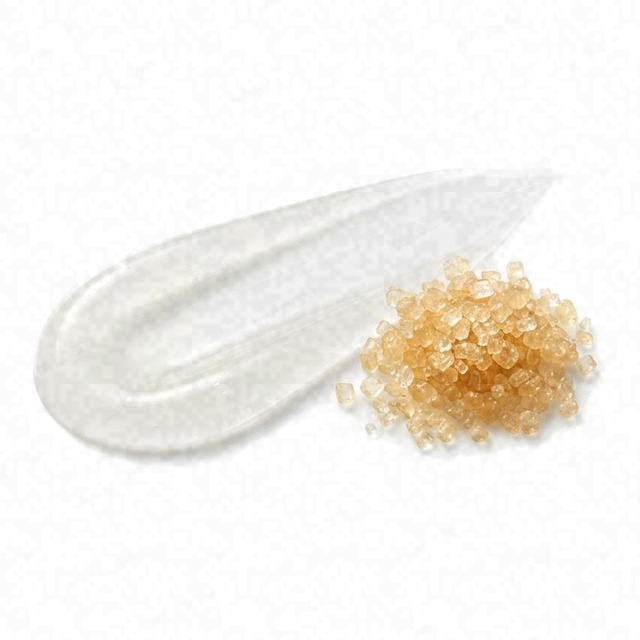 Glycolic Acid
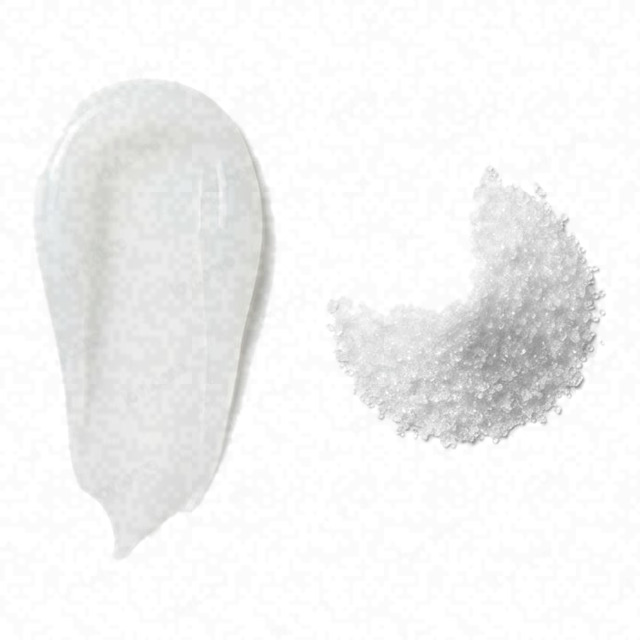 Zinc Gluconate
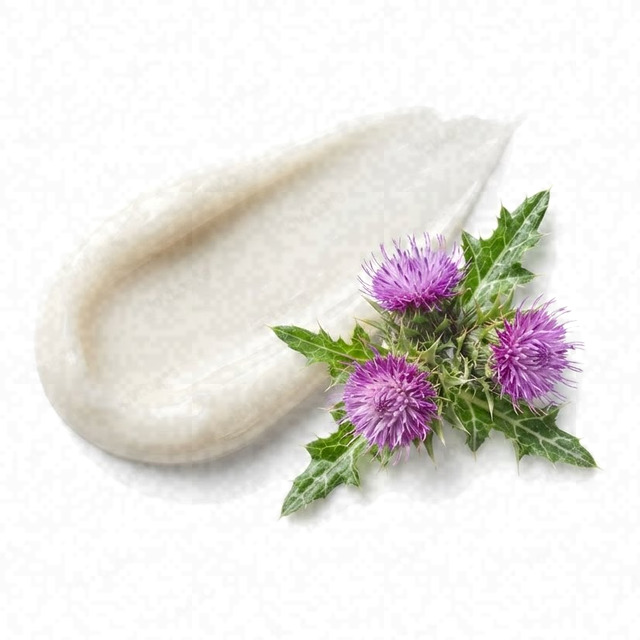 Silybum Marianum Fruit Extract
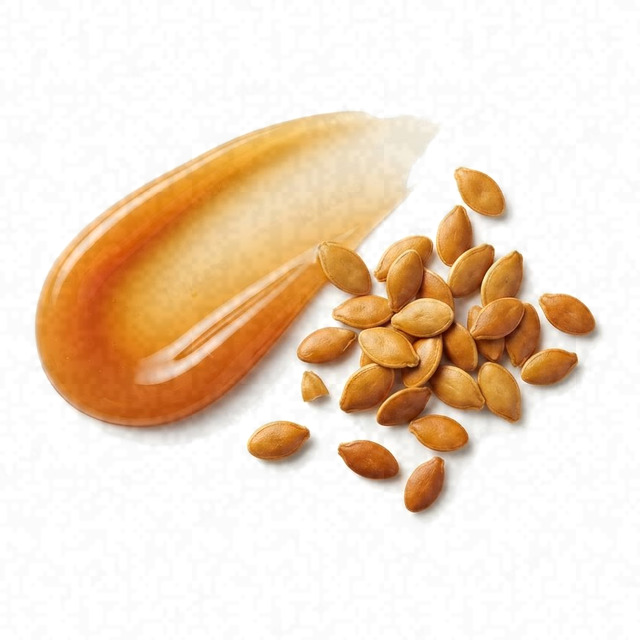 Pumpkin Seed Oil
Average
- HighCombination Skin Fit
- AverageEffectiveness
- HighSafety
Works for acne-prone skin; other serums fit it better.
This fit is calculated for the concerns frequently associated with acne-prone skin: breakouts, blackheads, and post-acne marks. For scores and recommendations based on your full skin profile, including your 12D face scan results and any goals or preferences you have, please use the Lovi app.
Page built Nov 8, 2026How the Fit score works
Lovi Assistant explains
- Offers moderate exfoliation and pore decongestion for your acne-prone skin, with glycolic acid and salicylic acid working to refine texture and balance oil production. Zinc gluconate further aids in seboregulation, making it a supportive option for combination skin.
- The formula provides general skincare benefits like hydration and soothing, which are beneficial for managing blemishes and breakouts.
- The product is safe for your skin, as it lacks harsh ingredients that could cause irritation.
How to apply
- Use your serum as part of your PM routine and start 3x/week before working up to daily use.
- Apply this treatment after cleansing and toner, and before your moisturizer.
- Gently press 2-3 drops of the serum into your skin and let it absorb for a minute.
- Apply the product on clean, dry skin to help manage your breakouts safely.
- Avoid the eye area and do a patch test before your first use.
People Say
★4.4Overall rating based on 700+ reviewsThis treatment is frequently praised for its effectiveness on oily, blemish-prone, and sensitive skin, particularly in managing blackheads and closed comedones, with many users reporting clearer skin and fewer breakouts. A significant number of users also appreciate its lightweight texture and matte finish. Some users note a strong chemical scent and a drying effect, with a few experiencing irritation or a sticky consistency.
Highlights
Reduces blemishes Mostly Mentioned
- “Significant reduction in blemishes”
- “Keeps breakouts at bay”
- “Effective for whiteheads/blackheads”
Lightweight texture Often Mentioned
- “Ultra-light fluid”
- “Absorbs quickly”
- “Non-greasy finish”
Strong chemical scent Often Mentioned
- “Smells like rubbing alcohol”
- “Overpowering chemical smell”
- “Smell is horrible”
Matte finish Sometimes Noted
- “Leaves skin mattified”
- “Non-oily daily moisturizer”
- “Great for layering”
Prevents recurrence Sometimes Noted
- “Prevents future breakouts”
- “Anti-recurrence action”
- “Keeps pores clean”
Drying effect Sometimes Noted
- “Made my face peel”
- “Dried it out too much”
- “Left my skin really dry”
Can cause irritation Rarely Noted
- “Made skin red and irritated”
- “Not a fit for me”
- “Caused dry patches”
Sticky consistency Rarely Noted
- “It does get quite sticky”
- “Leaves residue”
Sources: lovi.care, avene.co.uk, beautycrew.com.au, dermapproved.com, escentual.com, reddit.com, and more
Questions and answers
How well does Avene Cleanance Comedomed work for acne-prone skin?
Avene Cleanance Comedomed is an average fit for acne-prone skin, offering moderate exfoliation, oil balancing, and soothing hydration. To work best for this skin, a treatment needs effective ingredients like niacinamide and propolis that target breakouts and blemishes while keeping the skin balanced without extra oiliness or dryness.
Journal of Cosmetic Dermatology, 2026Journal of Cosmetic Dermatology, 2024
Which ingredients make this cream a good fit for acne-prone skin?
Salicylic acid, glycolic acid, and zinc gluconate help clear pores, refine texture, and balance oil on acne-prone skin. This cream works for this skin, though acne-prone skin often needs products with ingredients like niacinamide, propolis, or zinc PCA that provide optimal hydration and balance without causing excess oiliness or dryness.
Journal of Cosmetic Dermatology, 2024Journal of Cosmetic Dermatology, 2026
What does Salicylic Acid do for acne-prone skin?
Salicylic acid helps clear acne-prone skin by reducing pimples and calming redness without causing many side effects. It works by dipping deep into pores to clear out blockages and control oil, making it a reliable choice for keeping skin smooth and clear.
BioMed Research International, 2020Journal of Cosmetic Dermatology, 2024
What does Glycolic Acid do for acne-prone skin?
Glycolic acid helps clear acne-prone skin by reducing pimples and breakouts. It also helps fade dark spots left behind by acne and controls skin oiliness, with very few side effects when used properly.
Journal of Cosmetic Dermatology, 2021Dermatologic Surgery, 2014
Where does it go in a skincare routine for acne-prone skin?
This treatment goes in the evening routine. For acne-prone skin, an acne product of this type needs acne-fighting ingredients like salicylic acid, glycolic acid, and zinc gluconate to clear pores, refine texture, and balance oil production.
Can I use this cream with retinol, and in what order?
You can use this cream with retinol by applying your retinol first at night, waiting for it to dry, and then following with this treatment to help keep your skin calm and balanced. Using ingredients like salicylic acid and glycolic acid alongside retinol is generally safe and helps clear pores, but keep an eye out for any dryness and reduce frequency if needed.
Journal of Cosmetic Dermatology, 2024Clinical, Cosmetic and Investigational Dermatology, 2019
How often should I use it?
Start using this treatment once a week in the evening, and if your skin feels comfortable and you see good results, you may carefully use it more often. This product helps clear pores and balance oil for acne-prone skin, though this skin type often does better with options that offer stronger blemish-fighting ingredients and deeper exfoliation.
Journal of Cosmetic Dermatology, 2026Clinical, Cosmetic and Investigational Dermatology, 2019
Can it clog pores, cause breakouts or purging for acne-prone skin?
This treatment is unlikely to clog pores, but reviewers do mention a moderate drying effect and a low chance of irritation. An acne-prone skin type needs products with ingredients that clear pores and balance oil without causing dryness, such as salicylic acid, glycolic acid, and zinc gluconate.
Journal of Cosmetic Dermatology, 2024Journal of Cosmetic Dermatology, 2026
Is this cream fragrance-free and alcohol-free?
It has no drying alcohol and contains fragrance (parfum). Cetearyl alcohol is a fatty alcohol, which soften the skin.
What the research says
A dermocosmetic cream containing Punica granatum Pericarp extract, Salicylic acid, Niacinamide, Zinc gluconate, and Aqua Posae Filiformis significantly decreased inflammatory, non-inflammatory, and total lesion counts in subjects with mild to moderate acne compared to untreated hemi-faces after 15 days.
Journal of Cosmetic Dermatology, 2026Glycolic acid, salicylic acid, gluconolactone, and licochalcone A combined with 0.1% adapalene showed no hindrance compared to adapalene monotherapy and provided benefits in reducing complications in 25 subjects with mild-to-moderate acne vulgaris.
Clinical, Cosmetic and Investigational Dermatology, 2019Twice daily application of a multitargeted dermocosmetic cream provided comparable efficacy to benzoyl peroxide 5% gel in reducing inflammatory, non-inflammatory, and total lesions in 150 Caucasian subjects with mild-to-moderate acne over 56 days, while demonstrating superior skin tolerability.
Journal of Cosmetic Dermatology, 2024A moisturizer containing licochalcone A, 1,2-decanediol, L-carnitine, and salicylic acid significantly reduced noninflammatory, inflammatory, and total acne lesion counts compared to a vehicle control in Thai patients during a 12-week maintenance phase.
BioMed Research International, 2020Cryotherapy with liquid nitrogen achieved a higher cure rate (39%) than salicylic acid (24%) and a wait-and-see approach (16%) for cutaneous warts at 13 weeks in primary care patients.
CMAJ, 2010Treatment with 2% supramolecular salicylic acid hydrogel resulted in a regression and markedly improvement rate of 51.01% compared to 43.10% for Adapaline gel in patients with mild to moderate facial acne vulgaris, showing no significant difference in efficacy.
Journal of Cosmetic Dermatology, 2024Topical 5% benzoyl peroxide plus salicylic acid achieved the greatest lesion reduction at early 2 to 4 week time points compared to benzoyl peroxide, clindamycin, and combination benzoyl peroxide/clindamycin, while 5% benzoyl peroxide plus salicylic acid and combination benzoyl peroxide/clindamycin showed similar efficacy at 10 to 12 weeks in acne patients.
Journal of the American Academy of Dermatology, 2010Repeated short-contact 70% glycolic acid peels provided superior results in atrophic acne scars compared to daily low-strength glycolic acid cream or placebo in 58 women over 24 weeks.
International Journal of Dermatology, 2000Serial glycolic acid peels combined with a modified Kligman formula significantly reduced facial PIH severity in Indian patients compared to the modified Kligman formula alone.
Dermatologic Surgery, 2017Daily use of a deep cleansing gel containing salicylic acid 2%, zinc gluconate 0.2% and lipohydroxy acid 0.05% significantly reduced total lesion count by 56.3% after 84 days in 35 subjects with mild to moderate truncal acne.
Clinical, Cosmetic and Investigational Dermatology, 2023Different strains of Propionibacterium acnes modulate cutaneous innate immunity with varying pro-inflammatory potentials, with P. acnes type III showing the highest and P. avidum the weakest, and zinc gluconate down-regulates the expression of most induced immune markers.
Experimental Dermatology, 2013Zinc gluconate induced alpha2, alpha3, alphaV, and alpha6 integrins, copper gluconate induced alpha2, alpha6, and beta1, and manganese gluconate induced most studied integrins in cultured keratinocytes.
The British Journal of Dermatology, 1999Silybum marianum flower extract increased human hair follicle dermal papilla cell proliferation and VEGF production while suppressing cellular senescence, and in a clinical study using hair shampoo, it significantly increased hair density and total hair count at 16 and 24 weeks compared with a placebo group.
Journal of Cosmetic Dermatology, 2024Topical 0.5% silymarin-loaded antioxidant serum applied twice daily significantly reduced clinical acne severity, lesion counts, and melanin pigmentation in 22 Korean acne patients over 4 weeks without associated adverse events.
Journal of Cosmetic Dermatology, 2023Topical silymarin cream 1.4% showed comparable results to salicylic acid 30% peels in reducing acne severity in 30 patients with mild to moderate acne vulgaris.
Journal of Cutaneous Medicine and Surgery, 2024Topical treatment with pumpkin seed oil healed uniform wounds in rats, achieving full re-epithelialization, reappearance of skin appendages, and well-organized collagen fibers compared to untreated controls.
Lipids in Health and Disease, 2016A combinational sunscreen formulation of UV filters, melatonin, and pumpkin seed oil ameliorated UV radiation-induced photoaging in adult Wistar albino rats by increasing SOD, GSH-Px, CAT, and collagen levels, while decreasing skin edema, skin thickness, and inflammatory cytokines compared to UV-exposed controls.
European Journal of Pharmaceutical Sciences, 2019Topical pumpkin seed oil increased hair follicle proliferation in mice without causing liver toxicity, oxidative stress, or genotoxicity.
Acta Histochemica, 2022
Ingredients
Water, Propanediol, Proylene Glycol, Glycerin, Cetearyl Alcohol, Cetearyl Glucoside, Glyceryl Stearate, Peg-100 Stearate, Silica, Dimethicone, Bht, Caprylic Capric Triglyceride, Pumpkin Seed Oil, Sodium Hydroxide, Sodium Polyacrylate, Sodium Stearoyl Glutamate, Zinc Gluconate, Capryloyl Glycine, Citric Acid, Parfum, Disodium Edta, Sodium Benzoate, Potassium Sorbate, Glyceryl Laurate, Monolaurin, Silybum Marianum Fruit Extract, Butylene Glycol, Silymarin, Dipotassium Glycyrrhizate, Tocopherol, Glycolic Acid, Salicylic Acid, Xanthan Gum
Behind this fit score
Lovi calculates every fit score from the full ingredient list with brand-independent rules our dermatologists and cosmetic chemists build and review, and personalizes every pick with AI trained on the real results of millions of users. Lovi trains its fit score models on a proprietary dataset built from more than 10,000 expert-labeled products and more than 100,000 simulated examples, following an internally consistent methodology presented at Cosmoprof, AMWC, and Skin of Color Update.
-

Co-founder, Medical Director
Cosmetic chemist, cosmetologist, aesthetic products developer
-

Co-founder, CEO and CTO
PhD in computer science, 3x US patent holder, ex-Google, ex-Yandex
-

Dr. Sofía Perea Pérez, MD, MSc
Medical Board
Aesthetic medicine practitioner, MSc in Longevity and Anti-Aging Medicine
-

Medical Board
Specialist dermatologist, MBBS, MD, IFAAD
-

Medical Board
Cosmetic chemist, SCS, IFSCC member
-

Medical Board, Medical Advisor
Dermatology MD
-

Elina Nazarenko, MD
Medical Board
Dermatology and diagnostic consultant
-

Victoria Derkova, MS
Medical Board
Cosmetic chemist, cosmetic development technologist


How does it fit your skin?
Scan your face, then any product: Lovi shows how well it fits you and what fits even better.