Paula's Choice 1% Retinol Treatment for oily acne-prone skin

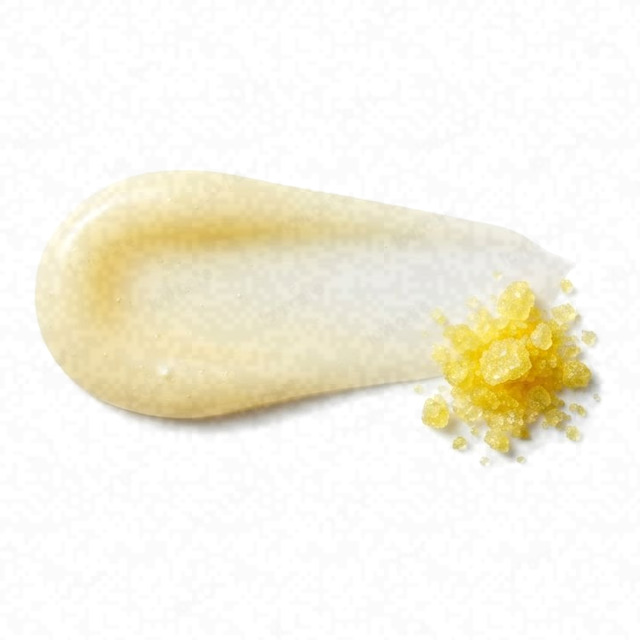 Retinol
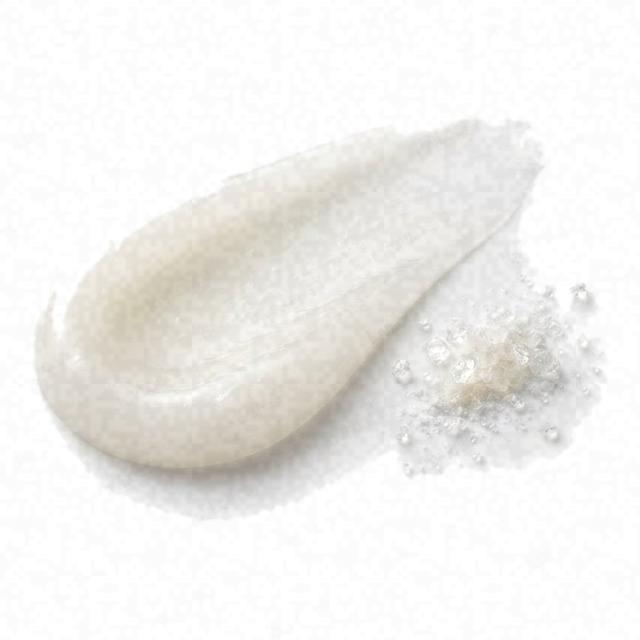 Peptides
 Tetrahexyldecyl Ascorbate Ascorbic Acid
 Sodium Hyaluronate
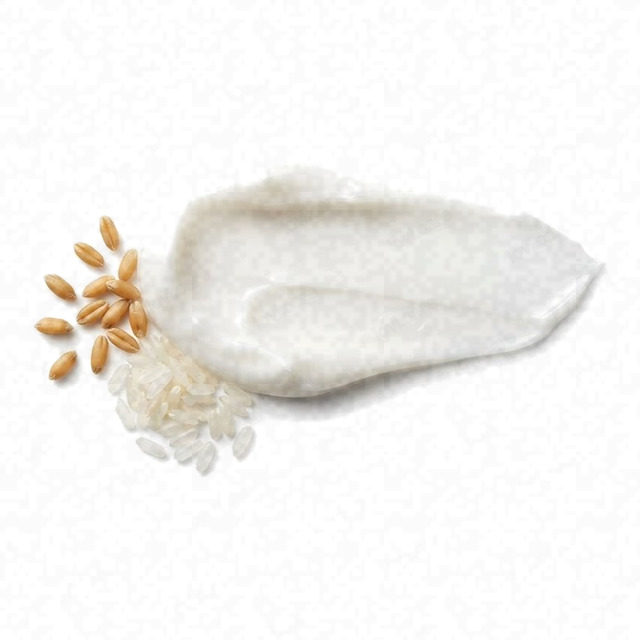 Ceramide 2
High
- HighOily Skin Fit
- HighEffectiveness
- HighSafety
A great choice for oily acne-prone skin; a few serums fit it even better.
This fit is calculated for the concerns frequently associated with oily acne-prone skin: shine, breakouts, blemishes, and enlarged pores. For scores and recommendations based on your full skin profile, including your 12D face scan results and any goals or preferences you have, please use the Lovi app.
Page built Nov 8, 2026How the Fit score works
Lovi Assistant explains
- Offers excellent wrinkle reduction and skin smoothing for your oily skin, as retinol and palmitoyl hexapeptide-12 work effectively to combat aging signs while salicylic acid from willow bark extract helps regulate oil production and exfoliate pores. Licorice root extract and oat kernel extract further soothe your skin, minimizing potential irritation from active ingredients.
- The formulation provides relevant benefits for your acne, blemishes, and breakouts by promoting exfoliation and regulating oil production.
- This product is safe for your skin, with no risks of irritation due to the absence of harsh ingredients and the inclusion of soothing components.
How to apply
- Could be used as part of your PM routine. Start 3 times a week and build up to daily use if your skin tolerates it well.
- Apply your serum after cleansing and toning, but before putting on your moisturizer.
- Gently press 2 to 3 drops of the serum into your skin and let it absorb for a minute.
- Apply the serum on clean, dry skin to help manage your blemishes safely.
- Do a patch test before your first use and avoid the delicate eye area.
People Say
★4.4Overall rating based on 6.1k+ reviewsBased on a very large amount of data, users report significant improvements in skin texture, reduction in fine lines, and fading of hyperpigmentation. Many users experience a harsh adjustment period with peeling and irritation, so slow introduction is recommended.
Highlights
Smoother skin texture Mostly Mentioned
- “skin becomes very smooth”
- “texture has smoothed out”
- “glowy, smooth skin”
- “soft and smooth”
Anti-aging results Often Mentioned
- “softens lines and wrinkles”
- “firm and lifted”
- “younger looking skin”
- “fewer lines”
Dryness and peeling Often Mentioned
- “peeling and flaking”
- “skin might start to become drier”
- “shedding again”
- “dry patches”
Effective packaging Sometimes Noted
- “air-tight pump bottle”
- “vacuum pump is great”
- “dispenses exactly what you need”
- “sturdy and practical”
Even skin tone Sometimes Noted
- “hyperpigmentation is fading”
- “lighten acne marks”
- “skin tone is more even”
- “faded discolorations”
Lightweight formula Sometimes Noted
- “absorbs quickly”
- “light, silky texture”
- “spreads easily”
- “non-greasy”
High price Sometimes Noted
- “price is quite high”
- “bit steep”
- “expensive”
- “pricy for the amount”
Severe irritation Sometimes Noted
- “burnt skin off”
- “scaling like a snake”
- “raw and puffy”
- “absolutely burns”
Breakouts/Purging Rarely Noted
- “causing red acne”
- “gave me little breakouts”
- “red bumps”
- “badly broke me out”
Unpleasant scent Rarely Noted
- “chemical smell”
- “sour smell”
- “weird scent”
- “smells like glue”
Sources: lovi.care, paulaschoice.com, amazon.com, sephora.com.au, dermstore.com, influenster.com, and more
Questions and answers
What makes Paula's Choice 1% Retinol a great fit for oily acne-prone skin?
Paula's Choice 1% Retinol Treatment is a great fit because retinol smooths fine lines while willow bark extract helps regulate oil production and clear pores. Soothing ingredients like licorice root and oat kernel extracts are included to help keep your skin calm and minimize any irritation.
Which ingredients make this treatment a good fit for oily acne-prone skin?
Retinol and palmitoyl hexapeptide-12 make this treatment a great fit by smoothing the skin, while willow bark extract helps regulate oil and clear pores. Licorice root and oat kernel extracts further calm the skin to keep irritation unlikely.
What does Retinol do for oily acne-prone skin?
Retinol helps oily acne-prone skin by clearing up breakouts and smoothing the skin, though it may occasionally cause some mild scaling or stinging. This ingredient works by addressing the root causes of acne, making it a reliable choice for keeping pores clear and skin smooth.
American Journal of Clinical Dermatology, 2019Journal of Drugs in Dermatology, 2018
What do Peptides do for oily acne-prone skin?
Peptides help calm oily, acne-prone skin by targeting acne-causing bacteria and reducing redness and swelling. Advanced delivery methods like nanomicelles may also improve how deeply these helpful ingredients sink into the skin.
Where does this treatment go in a skincare routine for oily acne-prone skin?
This treatment goes in your evening routine, applied after cleansing and toning and before moisturizing. Putting treatments in the evening helps ensure safety around sun exposure.
Can I use this treatment with niacinamide, and in what order?
Yes, you can use niacinamide with this treatment by applying niacinamide first and following with the retinol treatment, or by choosing a niacinamide product for your moisturizer step. Using them together helps smooth your skin and control oil while keeping your skin calm.
How often should I use this treatment?
Apply this treatment in the evening, starting once a week and slowly using it more often if your skin tolerates it well. This routine helps your skin adjust to the active ingredients safely while smoothing texture and managing oil production.
Journal of Cosmetic Dermatology, 2024Clinical, Cosmetic and Investigational Dermatology, 2023
Can this treatment clog pores, cause breakouts or purging for oily acne-prone skin?
This treatment is unlikely to clog pores, though mild purging may happen initially as it promotes pore exfoliation and regulates oil production. Soothing ingredients like licorice root and oat kernel extracts are included to help keep irritation low.
Is this treatment fragrance-free and alcohol-free?
Yes, it has no fragrance and no drying alcohol. Behenyl alcohol and arachidyl alcohol are fatty alcohols, which soften the skin.
What the research says
Topical 0.4% retinol significantly increased epidermal thickness, dermal vascularity, and extracellular matrix production by stimulating keratinocyte proliferation, endothelial cell proliferation, and fibroblast activation in naturally aged human skin compared to vehicle.
International Journal of Cosmetic Science, 2017A botanical face cleanser with hops and willow bark extract continuously reduced skin sebum levels without reactive seborrhea after treatment in 21 healthy volunteers compared to a sodium laureth sulfate cleanser, with neither cleanser causing skin irritation.
Journal of Cosmetic Dermatology, 2019Bioactive lipid nanocarriers co-loaded with willow bark or ivy leaf extracts and UV-filters provided pronounced UVA photoprotection up to an SPF-equivalent value of 13 and a maximum in vivo skin hydration effect of 97% when prepared with pomegranate oil.
Nanomaterials, 2022Topical bakuchiol 0.5% applied twice daily compared with retinol 0.5% applied daily significantly decreased wrinkle surface area and hyperpigmentation with no statistical difference between the compounds in 44 patients over 12 weeks, while retinol users reported more facial skin scaling and stinging.
The British Journal of Dermatology, 2019Silicone particles encapsulating retinol increased its half-life by 9-fold and yielded 12-23% lower skin irritation in human subjects compared to Microsponge particles while maintaining biological activity.
Journal of Controlled Release, 2018Topical stabilized retinol treatment induced HAS gene expression and increased hyaluronic acid production in human skin in vitro, ex vivo, and in vivo compared to vehicle.
Archives of Dermatological Research, 2017Topical application of 5% vitamin C cream significantly improved global clinical scores, increased skin microrelief density, and induced elastic tissue repair in photoaged skin compared to excipient control in healthy female volunteers.
Experimental Dermatology, 2003Ascorbic acid 2-glucoside gel significantly reduced gingival melanin pigmentation after 4 weeks compared to placebo in 73 subjects with symmetric pigmentation.
Journal of Periodontology, 2009Topical application of VC-IP cream twice daily for 8 weeks reduces periorbital wrinkles in female subjects compared to a placebo cream.
Journal of Cosmetic Dermatology, 2022Topical application of 0.1% hyaluronic acid formulations of different molecular weights led to significant improvements in skin hydration and elasticity, with low-molecular-weight formulations also significantly reducing wrinkle depth in seventy-six female subjects compared to a vehicle control.
Journal of Drugs in Dermatology, 2011Topical application of hyaluronic acid in conjunction with free gingival graft significantly reduced donor site postoperative pain until day 7 compared to normal saline, with no significant differences in graft dimensions or patient satisfaction.
Clinical Oral Investigations, 2022Treatment with a hyaluronic acid-containing mouth rinse or topical gel led to significant lesion reduction, pain relief, and normalization of lesion color in adult patients with minor recurrent aphthous stomatitis, with the gel formulation showing an earlier healing onset at 3 days.
BMC Oral Health, 2019
Ingredients
Water, Dimethicone, Glycerin, Butylene Glycol, Isononyl Isononanoate, Castor Isostearate Succinate, Glyceryl Stearate, C12-15 Alkyl Benzoate, Dimethicone Crosspolymer, Peg-33, Polysorbate 20, Behenyl Alcohol, Retinol, Tetrahexyldecyl Ascorbate, Ceramide 2, Palmitoyl Tetrapeptide-7, Palmitoyl Hexapeptide-12, Sodium Hyaluronate, Dipotassium Glycyrrhizate, Glycyrrhiza Glabra Root Extract Licorice Root Extract, Avena Sativa Kernel Extract Oat Kernel Extract, Arctium Lappa Root Extract, Willow Bark Extract, Glycine Soja Soybean Sterols, Lecithin, Allantoin, Tocopheryl Acetate, Hydrolyzed Soy Protein, Sorbitan Laurate, Acetyl Dipeptide-1 Cetyl Ester, Disodium Edta, Hydroxyethylcellulose, Sodium Hydroxide, Tribehenin, Caprylyl Glycol, Ethylhexylglycerin, Pentylene Glycol, Peg-100 Stearate, Peg-75 Shea Glycerides Butter, Ppg-12, Peg-10 Phytosterol, Peg-8 Dimethicone, Peg-14, Pentaerythrityl Tetraisostearate, Polymethylsilsesquioxane, Magnesium Aluminum Silicate, Arachidyl Glucoside, Sclerotium Gum, Arachidyl Alcohol, Benzoic Acid, Carbomer, Phenoxyethanol
Behind this fit score
Lovi calculates every fit score from the full ingredient list with brand-independent rules our dermatologists and cosmetic chemists build and review, and personalizes every pick with AI trained on the real results of millions of users. Lovi trains its fit score models on a proprietary dataset built from more than 10,000 expert-labeled products and more than 100,000 simulated examples, following an internally consistent methodology presented at Cosmoprof, AMWC, and Skin of Color Update.
-

Co-founder, Medical Director
Cosmetic chemist, cosmetologist, aesthetic products developer
-

Co-founder, CEO and CTO
PhD in computer science, 3x US patent holder, ex-Google, ex-Yandex
-

Dr. Sofía Perea Pérez, MD, MSc
Medical Board
Aesthetic medicine practitioner, MSc in Longevity and Anti-Aging Medicine
-

Medical Board
Specialist dermatologist, MBBS, MD, IFAAD
-

Medical Board
Cosmetic chemist, SCS, IFSCC member
-

Medical Board, Medical Advisor
Dermatology MD
-

Elina Nazarenko, MD
Medical Board
Dermatology and diagnostic consultant
-

Victoria Derkova, MS
Medical Board
Cosmetic chemist, cosmetic development technologist


How does it fit your skin?
Scan your face, then any product: Lovi shows how well it fits you and what fits even better.