Pixi Clarity Tonic for dry skin

 Salicylic Acid
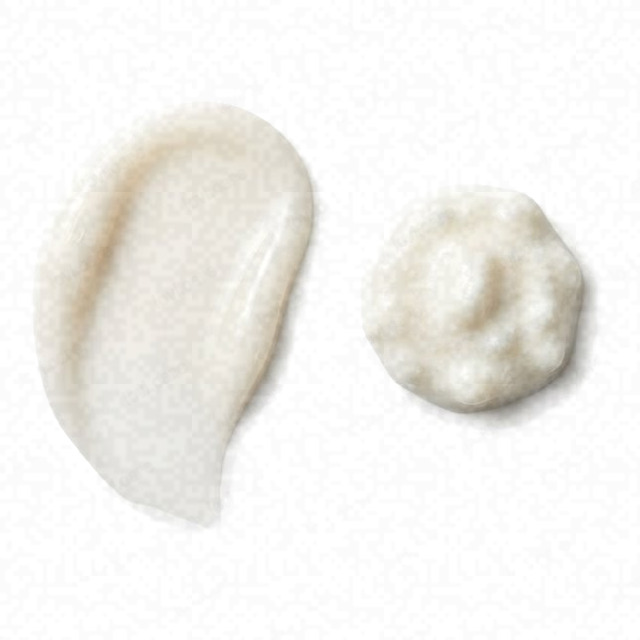 Probiotics
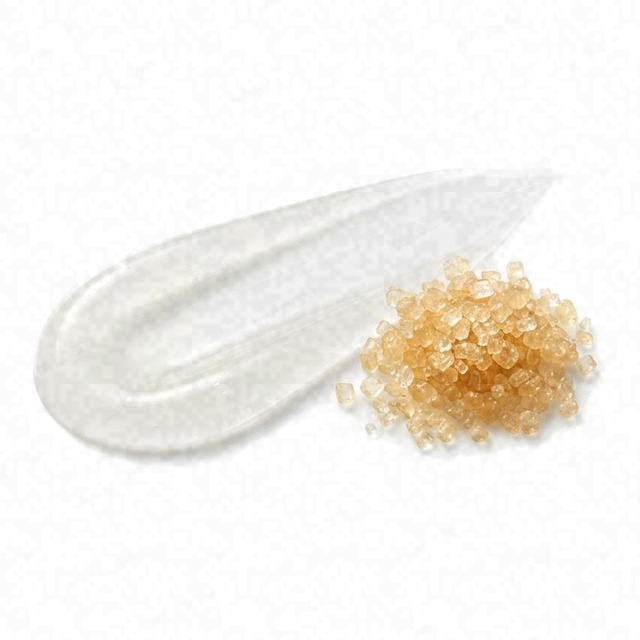 Glycolic Acid
 Aloe Barbadensis Leaf Juice
 Centella Asiatica Extract
Caution
- CautionDry Skin Fit
- HighEffectiveness
- ConcerningSafety
A poor match for dry skin; the toners alongside fit it better.
This fit is calculated for the concerns frequently associated with dry skin: flakiness, tightness, dehydration, fine lines, and wrinkles. For scores and recommendations based on your full skin profile, including your 12D face scan results and any goals or preferences you have, please use the Lovi app.
Page built Nov 8, 2026How the Fit score works
Lovi Assistant explains
- Offers moderate exfoliation for your dry skin due to glycolic acid and salicylic acid, which can potentially lead to dryness and irritation, despite the inclusion of glycerin and sodium hyaluronate for humectant action.
- The tonic is unsuitable for dry skin as these acids can be drying, though the presence of glycerin and sodium hyaluronate offers some humectant action.
How to apply
- Use your exfoliating toner as part of your PM routine once a week to start. If your skin is happy, you can slowly use it more often.
- Apply this exfoliating toner right after your cleanser and before your moisturizer. This keeps your skin care steps in the right order.
- Gently press 2-3 drops of the exfoliating toner into your skin with your hands. Let it soak in for a minute before the next step.
- Put the exfoliating toner on clean and dry skin to help it work best. Avoid rubbing so your face stays calm and happy.
- Always do a patch test before your first use and avoid the sensitive eye area.
People Say
★4.6Overall rating based on 700+ reviewsUsers with oily and acne-prone skin report that this tonic effectively reduces breakouts and minimizes pores without the harsh stinging often associated with acid toners. Many appreciate its alcohol-free, hydrating formula that gently exfoliates and smoothes texture, though some find it too mild for severe congestion.
Highlights
Clears acne and pores Often Mentioned
- “cleared up acne”
- “reduction in breakouts”
- “keeps pores clean”
- “calmed down active acne”
Gentle and non-irritating Often Mentioned
- “gentle to skin”
- “no stinging sensation”
- “good for sensitive skin”
- “didn't irritate my face”
Hydrating and non-drying Often Mentioned
- “not drying at all”
- “moisturizes the skin”
- “leaves skin soft”
- “hydrating formula”
Fragrance and alcohol-free Sometimes Noted
- “no fragrance”
- “alcohol free”
- “smell is negligible”
- “clean ingredient list”
Initial breakouts Rarely Noted
- “started to break out”
- “caused purging”
- “breakouts didn't disappear”
Price vs. size Rarely Noted
- “small size for price”
- “expensive”
- “bottle runs out fast”
Sticky residue Rarely Noted
- “felt sticky afterwards”
- “left a film”
- “tacky finish”
Too gentle Rarely Noted
- “didn't do anything”
- “too slow for liking”
- “too gentle for me”
- “didn't see much change”
Sources: lovi.care, pixibeauty.co.uk, sephora.com.au, iherb.com, boots.com, skinsort.com, and more
Questions and answers
Why does Lovi advise caution with Pixi Clarity Tonic for dry skin?
This toner is a poor match for dry skin because its exfoliating acids can cause dryness and irritation, even though it contains soothing and hydrating ingredients. An exfoliating toner for dry skin needs safe, hydrating ingredients like sodium hyaluronate and ceramides that provide moisture and smoothness without making existing dryness worse.
Which ingredients make this toner a poor fit for dry skin?
The glycolic acid and salicylic acid in this toner make it a poor fit for dry skin because they can strip moisture and cause irritation. An exfoliating toner for dry skin needs gentle hydrating ingredients and soothing agents like sodium hyaluronate and ceramides to keep the skin soft and smooth.
What does Salicylic Acid do for dry skin?
Salicylic acid is generally not a good fit for dry skin, as it is meant to clear out pores and remove dead skin rather than hydrate. Because dry skin needs soothing and moisture rather than exfoliation, a product for dry skin needs nourishing ingredients like urea to lock in moisture and keep the skin soft.
What do Probiotics do for dry skin?
Probiotics help dry skin by boosting hydration, calming irritation, and improving the skin's natural moisture barrier. These ingredients support a balanced skin microbiome, which may make dry skin feel much softer and smoother over time.
International Journal of Medical Sciences, 2021Experimental Dermatology, 2019
Where does this toner go in a skincare routine for dry skin?
This exfoliating toner is a poor fit for dry skin because its acids can easily cause dryness and irritation. A product of this type needs gentle exfoliating acids paired with plenty of hydrating ingredients and soothing plant extracts to keep dry skin soft and smooth.
Can I use this toner with retinol, and in what order?
Using this toner with retinol is not recommended for dry skin, because the glycolic acid and salicylic acid inside may be too drying and lead to extra irritation. To safely use active ingredients on dry skin, you need a product that focuses on soothing and adding deep moisture with ingredients like glycerin and hyaluronic acid.
How often should I use this toner?
This toner is a poor match for dry skin, so you should use it at most once a week to help prevent dryness and irritation. A product for this skin needs gentle exfoliating ingredients paired with rich hydrating and soothing ingredients to keep the skin soft and smooth.
Can this toner clog pores, cause breakouts or purging for dry skin?
This toner is unlikely to clog pores, but the exfoliating acids may dry out dry skin and potentially cause irritation. Dry skin needs gentle products with plenty of soothing ingredients and extra moisture to keep the skin soft and smooth.
Is this toner fragrance-free and alcohol-free?
Yes, it has no fragrance and no drying alcohol.
What the research says
A single application of a moisturizing fluid containing hyaluronic acid 1%, glycerin 5%, and Centella asiatica stem cells extract significantly increased skin hydration by 29% and reduced transepidermal water loss at 24 hours compared to baseline and an untreated control site in twenty healthy women.
Clinical, Cosmetic and Investigational Dermatology, 2017Twice daily application of a multitargeted dermocosmetic cream provided comparable efficacy to benzoyl peroxide 5% gel in reducing inflammatory, non-inflammatory, and total lesions in 150 Caucasian subjects with mild-to-moderate acne over 56 days, while demonstrating superior skin tolerability.
Journal of Cosmetic Dermatology, 2024Cryotherapy with liquid nitrogen achieved a higher cure rate (39%) than salicylic acid (24%) and a wait-and-see approach (16%) for cutaneous warts at 13 weeks in primary care patients.
CMAJ, 2010A moisturizer containing licochalcone A, 1,2-decanediol, L-carnitine, and salicylic acid significantly reduced noninflammatory, inflammatory, and total acne lesion counts compared to a vehicle control in Thai patients during a 12-week maintenance phase.
BioMed Research International, 2020Treatment with 2% supramolecular salicylic acid hydrogel resulted in a regression and markedly improvement rate of 51.01% compared to 43.10% for Adapaline gel in patients with mild to moderate facial acne vulgaris, showing no significant difference in efficacy.
Journal of Cosmetic Dermatology, 2024Repeated short-contact 70% glycolic acid peels provided superior results in atrophic acne scars compared to daily low-strength glycolic acid cream or placebo in 58 women over 24 weeks.
International Journal of Dermatology, 2000Serial glycolic acid peels combined with a modified Kligman formula significantly reduced facial PIH severity in Indian patients compared to the modified Kligman formula alone.
Dermatologic Surgery, 2017A cream combining propolis, tea tree oil, and Aloe vera reduced erythema scars, acne severity index, and total lesion count better than erythromycin cream in sixty patients with mild to moderate acne vulgaris compared to placebo.
Clinical Pharmacology, 2018Topical aloe vera gel significantly accelerated split-thickness skin graft donor-site healing compared to placebo in 12 patients, but showed no significant difference in pain relief.
Plastic and Reconstructive Surgery, 2018Topical application of Aloe vera cream reduced postoperative pain at rest and during defecation, accelerated wound healing at two weeks, and decreased analgesic requirements in patients after open hemorrhoidectomy compared to placebo.
Journal of Alternative and Complementary Medicine, 2010Topical application of 0.05% w/w ECa 233 gel reduced erythema index by 0.03 U and improved early crusting and general wound appearance compared to placebo in thirty individuals undergoing facial laser resurfacing.
Journal of Alternative and Complementary Medicine, 2020Moisturizer containing 5% panthenol, madecassoside, and copper-zinc-manganese decreased adverse reactions and downtime after ablative fractional carbon dioxide laser resurfacing with comparable efficacy to 0.02% triamcinolone acetonide cream in 20 subjects.
Journal of Cosmetic Dermatology, 2019Topical treatment with 5% vitamin C and 0.1% madecassoside significantly improved clinical scores for wrinkles, suppleness, firmness, roughness, and skin hydration, along with functional and structural remodeling of the elastic fiber network in 20 female volunteers with photoaged skin after 6 months compared to baseline.
Experimental Dermatology, 2008
Ingredients
Water, Aloe Barbadensis Leaf Juice, Propanediol, Glycerin, Sodium Pca, Betaine, Lactobacillus Lysate Ferment Filtrate, Glycolic Acid, Sodium Hyaluronate, Salicylic Acid, Glycyrrhiza Glabra Root Extract Licorice Root Extract, Willow Bark Extract, Magnesium Ascorbyl Phosphate, Centella Asiatica Extract, Saccharum Officinarum Extract Extrait De Canne À Sucre Extract, Leuconostoc Radish Root Ferment Filtrate, Populus Tremuloides Bark Extract, Lactic Acid, Sodium Citrate, Sodium Hydroxide, Ethylhexylglycerin, Citric Acid, Potassium Sorbate, Sodium Benzoate, Phenoxyethanol
Behind this fit score
Lovi calculates every fit score from the full ingredient list with brand-independent rules our dermatologists and cosmetic chemists build and review, and personalizes every pick with AI trained on the real results of millions of users. Lovi trains its fit score models on a proprietary dataset built from more than 10,000 expert-labeled products and more than 100,000 simulated examples, following an internally consistent methodology presented at Cosmoprof, AMWC, and Skin of Color Update.
-

Co-founder, Medical Director
Cosmetic chemist, cosmetologist, aesthetic products developer
-

Co-founder, CEO and CTO
PhD in computer science, 3x US patent holder, ex-Google, ex-Yandex
-

Dr. Sofía Perea Pérez, MD, MSc
Medical Board
Aesthetic medicine practitioner, MSc in Longevity and Anti-Aging Medicine
-

Medical Board
Specialist dermatologist, MBBS, MD, IFAAD
-

Medical Board
Cosmetic chemist, SCS, IFSCC member
-

Medical Board, Medical Advisor
Dermatology MD
-

Elina Nazarenko, MD
Medical Board
Dermatology and diagnostic consultant
-

Victoria Derkova, MS
Medical Board
Cosmetic chemist, cosmetic development technologist


How does it fit your skin?
Scan your face, then any product: Lovi shows how well it fits you and what fits even better.