NIVEA Protect & Moisture Sun Lotion SPF50+ for oily acne-prone skin

 Vitamin E
 Glycerin
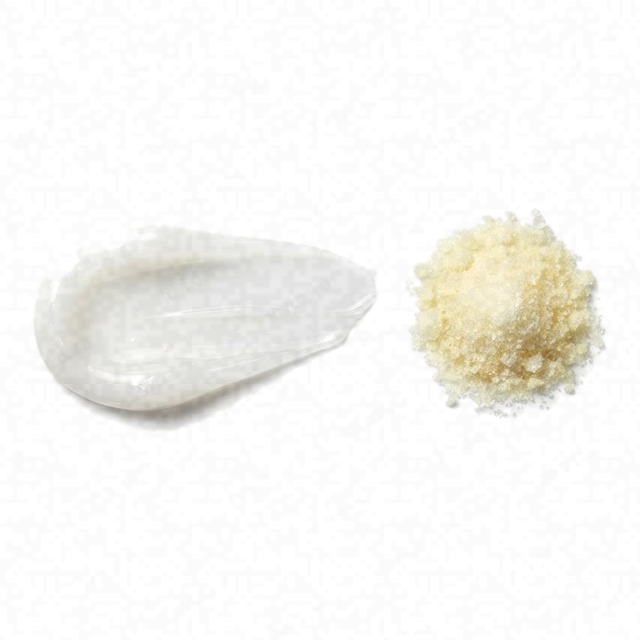 Butyl Methoxydibenzoylmethane
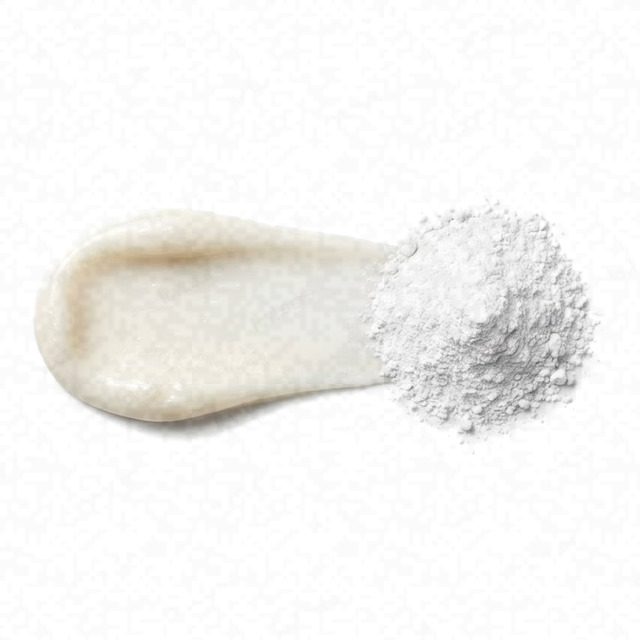 Titanium Dioxide
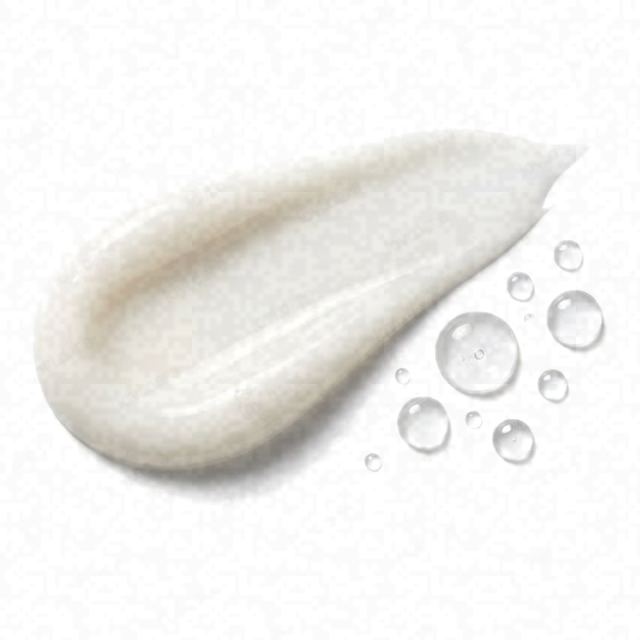 Ethylhexyl Salicylate
High
- HighOily Skin Fit
- HighEffectiveness
- HighSafety
A great choice for oily acne-prone skin; a few sunscreens fit it even better.
This fit is calculated for the concerns frequently associated with oily acne-prone skin: shine, breakouts, blemishes, and enlarged pores. For scores and recommendations based on your full skin profile, including your 12D face scan results and any goals or preferences you have, please use the Lovi app.
Page built Nov 8, 2026How the Fit score works
Lovi Assistant explains
- Highly suitable for your oily skin due to alcohol denat and silica dimethyl silylate offering mild astringent and mattifying effects, respectively, while glycerin and tocopheryl acetate provide supportive hydration and soothing benefits for your acne, blemishes, and breakouts.
- The formula offers excellent protection against UV rays with effective UV filters like butyl methoxydibenzoylmethane and bis-ethylhexyloxyphenol methoxyphenyl triazine, which are beneficial for overall skin health.
- The safety profile is excellent, with no risks of irritation for your oily skin due to the absence of prohibited or harsh ingredients.
How to apply
- Use your moisturizing sunscreen every morning. Reapply throughout the day if you are outside.
- Apply this moisturizing sunscreen as the final step of your morning routine after your moisturizer.
- Gently smooth a nickel-sized amount over your face and neck, avoiding harsh rubbing to keep oily areas calm.
- Apply this moisturizing sunscreen on clean, dry skin to ensure even coverage and protection.
- Avoid getting the product into your eyes and do a patch test before your first use.
People Say
★4.6Overall rating based on 800+ reviewsUsers generally praise this lotion for its reliable high-level protection and moisturizing benefits, making it a favorite for those with dry skin who enjoy the classic "holiday" scent. Some users find the texture greasy or sticky on the face, and a significant number report that it can leave stubborn yellow stains on light-colored clothing.
Highlights
Reliable protection Mostly Mentioned
- “didn't burn once”
- “great protection for pale skin”
- “reliable in tropical sun”
Classic fragrance Often Mentioned
- “smells like holiday”
- “lovely traditional scent”
- “classic Nivea smell”
Moisturizing formula Often Mentioned
- “skin feels moisturized”
- “good for dry legs”
- “leaves skin soft”
Easy application Sometimes Noted
- “rubs in easily”
- “absorbs quickly”
- “good consistency”
Good value Sometimes Noted
- “great price”
- “good value for money”
- “affordable family option”
Greasy finish Sometimes Noted
- “too greasy for face”
- “leaves a shiny film”
- “feels sticky”
Stains clothing Sometimes Noted
- “ruined my white t-shirt”
- “yellow stains on clothes”
- “stained swimwear”
Eye irritation Rarely Noted
- “stings my eyes”
- “eyes watered badly”
- “burns if it gets in eyes”
Strong scent Rarely Noted
- “smell is too strong”
- “perfume irritated skin”
- “overpowering scent”
White cast Rarely Noted
- “leaves white marks”
- “ghostly look”
- “hard to rub in completely”
Sources: lovi.care, boots.com, superdrug.com, influenster.com, hometesterclub.com, amazon.co.uk, and more
Questions and answers
What makes NIVEA Protect & Moisture Sun Lotion SPF50+ a great fit for oily acne-prone skin?
This moisturizing spf is a great fit because alcohol denat and silica dimethyl silylate help control shine, while glycerin and vitamin e provide light moisture and soothe breakouts. It is very unlikely to cause irritation on oily skin.
Journal of Drugs in Dermatology, 2025Journal of Cosmetic Dermatology, 2024
Which ingredients make this lotion a good fit for oily acne-prone skin?
Alcohol denat and silica dimethyl silylate help by giving mild drying and shine-reducing effects, while glycerin and vitamin E keep your skin hydrated and calm. This lotion is unlikely to cause irritation for your oily skin.
Journal of Cosmetic Dermatology, 2024Archives of Dermatological Research, 2024
What does Vitamin E do for oily acne-prone skin?
Vitamin E helps reduce oiliness, redness, and dark spots on oily acne-prone skin while improving moisture. It also helps calm irritation and smooth the skin when used consistently.
Journal of Cosmetic Dermatology, 2024Giornale Italiano Di Dermatologia E Venereologia, 2014
What does Glycerin do for oily acne-prone skin?
Glycerin helps keep oily acne-prone skin hydrated without feeling heavy. It draws moisture into the skin while supporting the skin barrier so it stays soft and balanced.
The British Journal of Dermatology, 2008Clinical, Cosmetic and Investigational Dermatology, 2017
Where does this lotion go in a skincare routine for oily acne-prone skin?
This moisturizing sunscreen goes last in your morning skincare routine, right after your moisturizer. It provides strong UV protection and helps keep your skin feeling fresh and matte throughout the day.
Journal of Drugs in Dermatology, 2023Journal of the American Academy of Dermatology, 1987
Can I use it with retinol, and in what order?
You can use this sunscreen in the morning as the final step before makeup, always after your retinol has fully absorbed in your evening routine. The formula is very safe and unlikely to cause irritation on your skin when combined with active treatments.
How often should I use it?
This product is a great fit for your oily acne-prone skin, helping control shine while keeping breakouts calm. You can use it daily as part of your morning routine to protect your skin from UV rays.
Journal of Drugs in Dermatology, 2025Journal of Cosmetic Dermatology, 2024
Can it clog pores, cause breakouts or purging for oily acne-prone skin?
This sunscreen is unlikely to clog pores or cause breakouts for your oily acne-prone skin, as it has a very safe formula with no harsh ingredients that typically cause irritation. Glycerin and tocopheryl acetate also provide supportive hydration and soothing benefits for your blemishes.
Journal of Drugs in Dermatology, 2025Journal of Cosmetic Dermatology, 2024
Is it fragrance-free and alcohol-free?
It contains fragrance (linalool, benzyl alcohol, citronellol, and parfum) and drying alcohol (alcohol denat).
What the research says
Topical application of tocopherol succinate ethosomal gel decreased erythema, melanin, and sebum levels while improving moisture content and skin elasticity in 34 human women.
Journal of Cosmetic Dermatology, 2024Co-encapsulation of alpha-tocopherol and alpha-tocopheryl acetate in nanostructured lipid carrier gel formulations significantly enhanced moisture retention up to 68% and improved skin elasticity in human volunteers compared to a solution gel.
Scientific Reports, 2025Parsol 1789 and Eusolex 8020 provided slightly better photoprotection than oxybenzone in both normal and sensitized human skin when assessed using pigmentation end points, whereas all three sunscreens performed similarly against UVA-induced erythema.
Journal of the American Academy of Dermatology, 1987Chemical sunscreens containing avobenzone, octocrylene, homosalate, and octisalate showed no to minimal risks of dermal irritation, sensitization, photo-allergy, and photo-irritation in human subjects.
Journal of Drugs in Dermatology, 2025The application of a sunscreen formulation containing ethylhexyl methoxycinnamate, ethylhexyl salicylate, methyl anthranilate, and octocrylene does not significantly affect critical acne-related species such as Cutibacterium acnes and Staphylococcus epidermidis, refuting the induction of facial dysbiosis in men.
Archives of Dermatological Research, 2024Topical application of an antioxidant serum containing 15% ascorbic acid, 0.5% ferulic acid, and 1% tocopherol prevented particulate matter-induced degradation of extracellular matrix components, inflammation, and oxidative stress in the skin of 15 female volunteers compared to untreated controls.
Journal of Cosmetic Dermatology, 2025Dermatological products containing d-alpha tocopheryl acetate showed non-comedogenic potential with less than a 50% increase in microcomedones in 12 healthy male subjects compared to octyl palmitate.
Contemporary Clinical Trials Communications, 2021Topical application of an antioxidant mix containing 15% ascorbic acid, 0.5% ferulic acid, and 1% tocopherol prevented PM and UV-induced skin barrier perturbation, lipid peroxidation, inflammatory markers, MMP9 activation, and Type I collagen loss in 15 healthy females compared to untreated exposed skin.
Journal of Cosmetic Dermatology, 2024A single application of a moisturizing fluid containing hyaluronic acid 1%, glycerin 5%, and Centella asiatica stem cells extract significantly increased skin hydration by 29% and reduced transepidermal water loss at 24 hours compared to baseline and an untreated control site in twenty healthy women.
Clinical, Cosmetic and Investigational Dermatology, 2017The emollient V0034CR significantly reduced TEWL compared to vehicle and vehicle plus glycerol, and significantly increased corneometry scores compared to vehicle and vehicle plus petrolatum in healthy volunteers with dry skin, demonstrating combined barrier function improvement from petrolatum and hydration improvement from glycerol.
Journal of Cosmetic Dermatology, 2020Ten days of treatment with a cream containing 20% glycerin significantly increased skin hydration measured by corneometer values in 17 healthy volunteers compared to a placebo cream, but showed no influence on transepidermal water loss or skin sensitivity to an irritating surfactant.
International Journal of Cosmetic Science, 2001Encapsulation of ethylhexyl methoxycinnamate and butyl methoxydibenzoylmethane in lipid microparticles significantly reduced their in vivo human skin penetration compared to nonencapsulated filters.
Skin Pharmacology and Physiology, 2011Microencapsulation of the BMDBM/HP-beta-CD complex in lipid microparticles significantly decreased the percutaneous penetration of the UV filter into the stratum corneum of human volunteers compared to the non-encapsulated sunscreen agent.
Journal of Pharmaceutical and Biomedical Analysis, 2011Following human skin application of an O/W emulsion containing 2% BMDBM loaded in lipospheres, 15% of the sunscreen accumulated in the uppermost layers of the stratum corneum without remarkably modifying skin permeation compared to unencapsulated sunscreen.
Skin Pharmacology and Physiology, 2008Microfine titanium dioxide does not penetrate human skin when formulated in an oil-in-water emulsion with the pigment dispersed in the aqueous phase, compared to oily dispersions and liposomal encapsulation which allow deeper skin penetration.
International Journal of Cosmetic Science, 2000Replacing microsized titanium dioxide and zinc oxide with nanoparticles in sunscreens eliminates opaqueness and alters UV protection balance while inducing (photo)cyto- and genotoxicity and penetrating viable skin layers during long-term exposures.
Nanotechnology, Science and Applications, 2011Microfine zinc oxide and titanium dioxide do not penetrate the stratum corneum of porcine skin in vitro, indicating that their use in sunscreens does not pose a health risk from internal exposure.
Toxicology in Vitro, 2006Simulated real-life dermal sunscreen exposure in twenty human volunteers leads to the systemic bioavailability and urinary excretion of the UV filter 2-ethylhexyl salicylate and its metabolite, reaching concentration peaks at 7 to 8 hours with 70-80% of overall excretion within 24 hours.
Archives of Toxicology, 2019Controlled single dermal exposure to an EHS-containing sunscreen in three volunteers resulted in delayed systemic resorption with elimination half-lives between 6.6 and 9.7 hours, where the parent compound EHS occurred as the dominant urinary parameter.
Archives of Toxicology, 2024Dermal exposure to EHS-containing sunscreen leads to the urinary excretion of EHS as the main biomarker alongside major metabolites 5OH-EHS, 5cx-EPS, 4OH-EHS, and 5oxo-EHS, measured using an extended enzymatic hydrolysis and on-line SPE LC-MS/MS method.
Talanta, 2024
Ingredients
Water, Glycerin, Isopropyl Palmitate, Alcohol Denat, Butyl Methoxydibenzoylmethane, Cocoglycerides, Bis-Ethylhexyloxyphenol Methoxyphenyl Triazine, Ethylhexyl Salicylate, Titanium Dioxide, Butylene Glycol Dicaprylate Dicaprate, C12-15 Alkyl Benzoate, Hydrogenated Rapeseed Oil, Diethylamino Hydroxybenzoyl Hexyl Benzoate, Ethylhexyl Triazone, Silica Dimethyl Silylate, Phenylbenzimidazole Sulfonic Acid, Tocopheryl Acetate, Cellulose Gum, Behenyl Alcohol, Stearyl Alcohol, Xanthan Gum, Trisodium Edta, Sodium Stearoyl Glutamate, Sodium Hydroxide, Sodium Chloride, Dimethicone, Linalool, Benzyl Alcohol, Alpha-Isomethyl Ionone, Citronellol, Parfum
Behind this fit score
Lovi calculates every fit score from the full ingredient list with brand-independent rules our dermatologists and cosmetic chemists build and review, and personalizes every pick with AI trained on the real results of millions of users. Lovi trains its fit score models on a proprietary dataset built from more than 10,000 expert-labeled products and more than 100,000 simulated examples, following an internally consistent methodology presented at Cosmoprof, AMWC, and Skin of Color Update.
-

Co-founder, Medical Director
Cosmetic chemist, cosmetologist, aesthetic products developer
-

Co-founder, CEO and CTO
PhD in computer science, 3x US patent holder, ex-Google, ex-Yandex
-

Dr. Sofía Perea Pérez, MD, MSc
Medical Board
Aesthetic medicine practitioner, MSc in Longevity and Anti-Aging Medicine
-

Medical Board
Specialist dermatologist, MBBS, MD, IFAAD
-

Medical Board
Cosmetic chemist, SCS, IFSCC member
-

Medical Board, Medical Advisor
Dermatology MD
-

Elina Nazarenko, MD
Medical Board
Dermatology and diagnostic consultant
-

Victoria Derkova, MS
Medical Board
Cosmetic chemist, cosmetic development technologist


How does it fit your skin?
Scan your face, then any product: Lovi shows how well it fits you and what fits even better.