COSRX The Retinol 0.5 for acne-prone skin

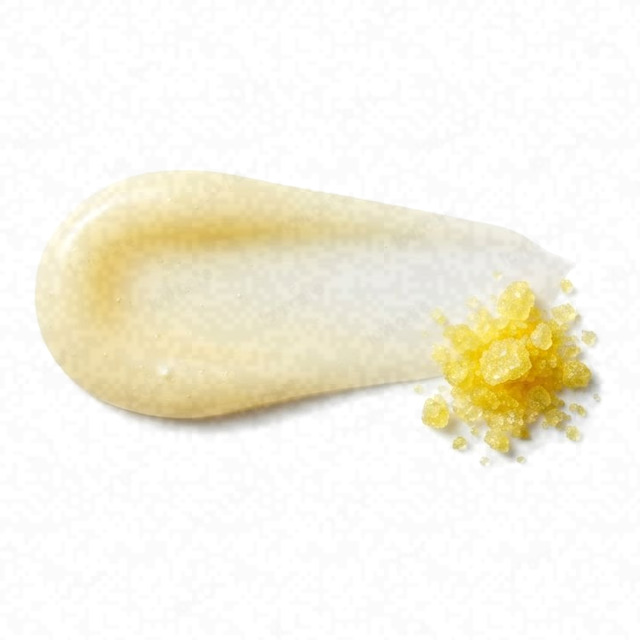 Retinol
 Squalane
 Vitamin E
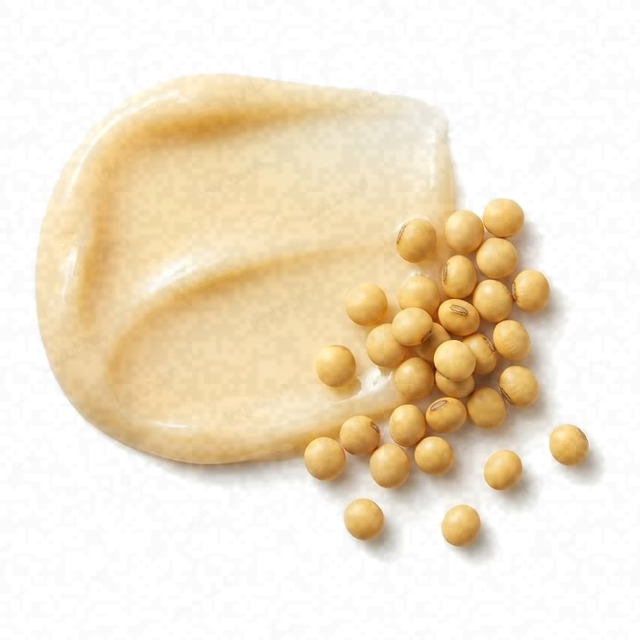 Glycine Soja Oil Soybean Oil
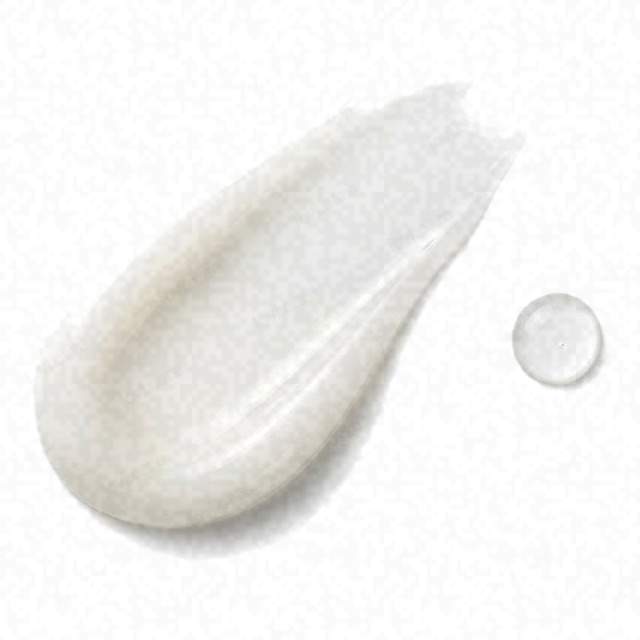 Di-C12-13 Alkyl Malate
Average
- HighCombination Skin Fit
- AverageEffectiveness
- HighSafety
Works for acne-prone skin; other serums fit it better.
This fit is calculated for the concerns frequently associated with acne-prone skin: breakouts, blackheads, and post-acne marks. For scores and recommendations based on your full skin profile, including your 12D face scan results and any goals or preferences you have, please use the Lovi app.
Page built Nov 8, 2026How the Fit score works
Lovi Assistant explains
- Offers moderate suitability for combination skin, as squalane and tocopherol provide emollient and antioxidant benefits, but it lacks sufficient ingredients for optimal oil control needed for your acne-prone skin.
- While the retinol effectively targets fine lines and wrinkles, its primary function is not directly supportive of your main goal of treating acne, blemishes, and breakouts.
- The product is safe for your acne-prone skin, containing no harsh ingredients and including soothing components like squalane and tocopherol.
How to apply
- Use your serum as part of your PM routine and start 3x/week before working up to daily use.
- Apply this treatment after cleansing and toner, and before your moisturizer.
- Gently press 2-3 drops of the serum into your skin and let it absorb for a minute.
- Apply the product on clean, dry skin to help manage your breakouts safely.
- Avoid the eye area and do a patch test before your first use.
People Say
★4.5Overall rating based on 1.0k+ reviewsBased on a very large amount of data, users with dry, mature, or sensitive skin highly praise this oil for its gentle yet effective formula, noting significant improvements in skin texture, radiance, and fine lines without irritation. The rich oil base can be too heavy for oily or acne-prone skin types, leading to congestion, and many users find the short three-month shelf life after opening to be a major inconvenience.
Highlights
Deeply moisturizing Often Mentioned
- “feels nourishing”
- “oil base loves dry skin”
- “satin finish”
- “hydrating squalane”
Gentle & non-irritating Often Mentioned
- “gentle enough”
- “no irritation”
- “good for sensitive skin”
- “no stinging”
Short shelf life Often Mentioned
- “use within 3 months”
- “oxidizes quickly”
- “limiting timeframe”
- “refrigeration required”
Effective on fine lines Sometimes Noted
- “softens fine lines”
- “forehead lines less noticeable”
- “plumper skin”
- “anti-aging results”
Improves texture & glow Sometimes Noted
- “smooth skin texture”
- “radiant glow”
- “glass skin”
- “softens roughness”
Heavy for oily skin Sometimes Noted
- “too oily”
- “clogged pores”
- “caused breakouts”
- “greasy residue”
Packaging issues Rarely Noted
- “messy bottle”
- “leaking dropper”
- “hard to control drops”
- “oil spills”
Unpleasant scent Rarely Noted
- “fishy smell”
- “earthy scent”
- “oil smell”
- “weird odor”
Sources: lovi.care, iherb.com, ulta.com, yesstyle.com, amazon.com, reddit.com, and more
Questions and answers
How well does COSRX The Retinol 0.5 work for acne-prone skin?
COSRX The Retinol 0.5 is an average fit for acne-prone skin because, while it is safe and helps smooth fine lines, it lacks enough ingredients for proper oil control and does not directly target breakouts. A treatment for this skin needs effective ingredients like niacinamide, propolis, and zinc PCA to provide great benefits for acne and blemishes while keeping the skin balanced.
Which ingredients make this cream a good fit for acne-prone skin?
This cream is an average fit for acne-prone skin because squalane and tocopherol provide soothing comfort, but it lacks ingredients that effectively control oil and target breakouts. A product that fits this skin well needs ingredients like niacinamide, propolis, and zinc PCA to help balance oil and keep skin clear.
What does Retinol do for acne-prone skin?
Retinol helps acne-prone skin by speeding up cell turnover and clearing pores to reduce breakouts. It regulates skin growth and fights inflammation, though it may cause some mild peeling or stinging when you first start using it.
Journal of Drugs in Dermatology, 2022The Journal of Dermatological Treatment, 2017
What does Squalane do for acne-prone skin?
Squalane may help keep acne-prone skin soft and smooth, but peroxidated forms can trigger inflammation in skin cells. For a better fit on acne-prone skin, products need non-clogging, soothing ingredients that balance oil without causing irritation.
Where does this cream go in a skincare routine for acne-prone skin?
This treatment goes in the evening routine after cleansing and before your moisturizer. While it is safe and provides soothing ingredients, acne-prone skin also needs targeted oil-control ingredients and blemish-fighting actives for the best possible fit.
Can I use it with vitamin C, and in what order?
You can use this treatment with vitamin C, but apply them at different times of day to keep your skin calm, using vitamin C in the morning and this treatment at night. Combining active ingredients carefully helps lower the likelihood of irritation while supporting your routine safely.
How often should I use this cream?
You can use this treatment in your evening routine, starting slowly once a week to see how your skin reacts. Because acne-prone skin needs extra help with oil control and breakouts, a product of this type works best when it is paired with ingredients that clear pores and balance oil.
Can it clog pores, cause breakouts or purging for acne-prone skin?
COSRX The Retinol 0.5 is unlikely to cause harsh breakouts since it has a safe profile with soothing squalane and vitamin E, but it may cause initial purging as retinol speeds up skin renewal. Because it lacks strong oil-control ingredients, acne-prone skin needs products that also include oil-absorbing agents and targeted blemish-fighting components.
Is this cream fragrance-free and alcohol-free?
Yes, it has no fragrance and no drying alcohol.
What the research says
Topical 0.4% retinol significantly increased epidermal thickness, dermal vascularity, and extracellular matrix production by stimulating keratinocyte proliferation, endothelial cell proliferation, and fibroblast activation in naturally aged human skin compared to vehicle.
International Journal of Cosmetic Science, 2017Topical bakuchiol 0.5% applied twice daily compared with retinol 0.5% applied daily significantly decreased wrinkle surface area and hyperpigmentation with no statistical difference between the compounds in 44 patients over 12 weeks, while retinol users reported more facial skin scaling and stinging.
The British Journal of Dermatology, 2019Silicone particles encapsulating retinol increased its half-life by 9-fold and yielded 12-23% lower skin irritation in human subjects compared to Microsponge particles while maintaining biological activity.
Journal of Controlled Release, 2018Topical stabilized retinol treatment induced HAS gene expression and increased hyaluronic acid production in human skin in vitro, ex vivo, and in vivo compared to vehicle.
Archives of Dermatological Research, 2017Squalane at 0.005-0.015% counteracts UVA-induced oxidative stress, inflammation, and collagen metabolism inhibition while stimulating fibroblast migration in human dermal fibroblasts.
Molecules, 2025Plant-derived squalane protected human dermal fibroblasts against UVA-induced damage by counteracting ROS formation, suppressing apoptosis-related proteins p53, caspase-3, caspase-9, and PARP, and restoring the pro-survival p-Akt/mTOR pathway.
Antioxidants, 2025Topical application of an antioxidant serum containing 15% ascorbic acid, 0.5% ferulic acid, and 1% tocopherol prevented particulate matter-induced degradation of extracellular matrix components, inflammation, and oxidative stress in the skin of 15 female volunteers compared to untreated controls.
Journal of Cosmetic Dermatology, 2025Dermatological products containing d-alpha tocopheryl acetate showed non-comedogenic potential with less than a 50% increase in microcomedones in 12 healthy male subjects compared to octyl palmitate.
Contemporary Clinical Trials Communications, 2021Topical application of an antioxidant mix containing 15% ascorbic acid, 0.5% ferulic acid, and 1% tocopherol prevented PM and UV-induced skin barrier perturbation, lipid peroxidation, inflammatory markers, MMP9 activation, and Type I collagen loss in 15 healthy females compared to untreated exposed skin.
Journal of Cosmetic Dermatology, 2024
Why other serums fit acne-prone skin better
Topical nicotinamide plus an antibacterial adhesive agent and zinc-pyrrolidone carboxylic acid combined with adapalene significantly reduced noninflammatory acne lesions by the second week of therapy compared to placebo with adapalene in patients with moderate acne vulgaris.
The Journal of Clinical and Aesthetic Dermatology, 2020A panthenol-enriched mask improved skin hydration, regulated sebum, and reduced redness and TEWL across dry sensitive, oily sensitive, and oily acne skin subgroups with excellent tolerance and no adverse reactions.
Journal of Cosmetic Dermatology, 2024A cream combining propolis, tea tree oil, and Aloe vera reduced erythema scars, acne severity index, and total lesion count better than erythromycin cream in sixty patients with mild to moderate acne vulgaris compared to placebo.
Clinical Pharmacology, 2018
Ingredients
Squalane, Glycine Soja Oil Soybean Oil, Di-C12-13 Alkyl Malate, Retinol, Caprylic Capric Triglyceride, Bht, Tocotrienols, Tocopherol, Palm Oil, Hydroxymethoxyphenyl Decanone
Behind this fit score
Lovi calculates every fit score from the full ingredient list with brand-independent rules our dermatologists and cosmetic chemists build and review, and personalizes every pick with AI trained on the real results of millions of users. Lovi trains its fit score models on a proprietary dataset built from more than 10,000 expert-labeled products and more than 100,000 simulated examples, following an internally consistent methodology presented at Cosmoprof, AMWC, and Skin of Color Update.
-

Co-founder, Medical Director
Cosmetic chemist, cosmetologist, aesthetic products developer
-

Co-founder, CEO and CTO
PhD in computer science, 3x US patent holder, ex-Google, ex-Yandex
-

Dr. Sofía Perea Pérez, MD, MSc
Medical Board
Aesthetic medicine practitioner, MSc in Longevity and Anti-Aging Medicine
-

Medical Board
Specialist dermatologist, MBBS, MD, IFAAD
-

Medical Board
Cosmetic chemist, SCS, IFSCC member
-

Medical Board, Medical Advisor
Dermatology MD
-

Elina Nazarenko, MD
Medical Board
Dermatology and diagnostic consultant
-

Victoria Derkova, MS
Medical Board
Cosmetic chemist, cosmetic development technologist


How does it fit your skin?
Scan your face, then any product: Lovi shows how well it fits you and what fits even better.