Medik8 Bakuchiol Peptides for acne-prone skin

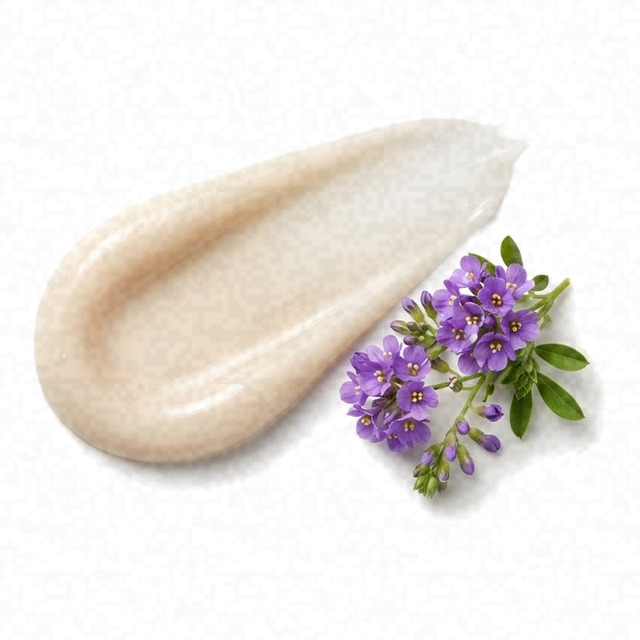 Bakuchiol
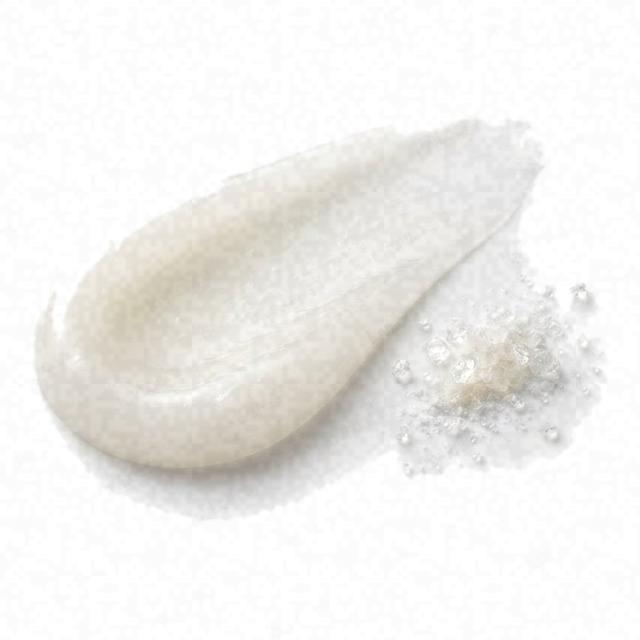 Peptides
 Centella Asiatica Leaf Extract
 Tocopherol
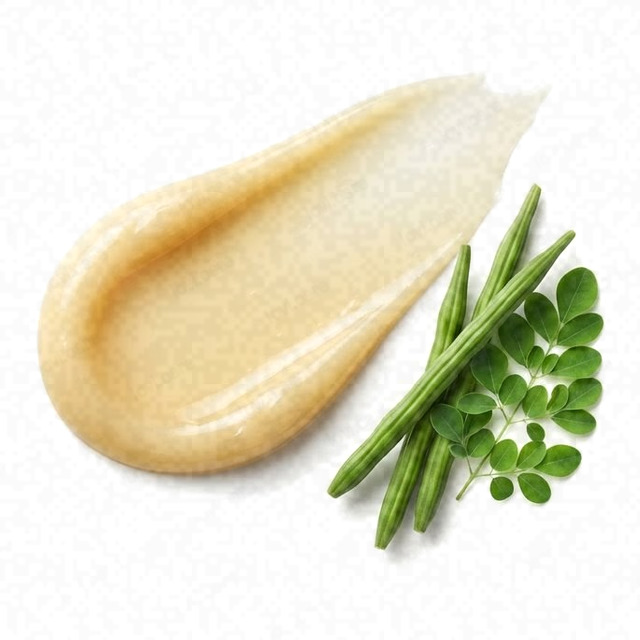 Moringa Oleifera Seed Oil
Average
- AverageCombination Skin Fit
- HighEffectiveness
- HighSafety
Works for acne-prone skin; other serums fit it better.
This fit is calculated for the concerns frequently associated with acne-prone skin: breakouts, blackheads, and post-acne marks. For scores and recommendations based on your full skin profile, including your 12D face scan results and any goals or preferences you have, please use the Lovi app.
Page built Nov 8, 2026How the Fit score works
Lovi Assistant explains
- Offers moderate benefits for your acne, blemishes, and breakouts due to the presence of bakuchiol and Centella Asiatica Leaf Extract, which provide anti-inflammatory and skin-soothing properties, though it lacks sufficient ingredients for optimal oil control on your oily areas.
- The formula provides excellent anti-aging visible effects by minimizing fine lines and wrinkles with bakuchiol and undecylenoyl phenylalanine.
- The safety profile is excellent, with no risks of irritation for your combination skin due to the absence of prohibited or harsh ingredients.
How to apply
- Use your serum as part of your PM routine and start 3x/week before working up to daily use.
- Apply this treatment after cleansing and toner, and before your moisturizer.
- Gently press 2-3 drops of the serum into your skin and let it absorb for a minute.
- Apply the product on clean, dry skin to help manage your breakouts safely.
- Avoid the eye area and do a patch test before your first use.
People Say
★4.6Overall rating based on 200+ reviewsIt is highly praised for its hydrating and plumping effects, leaving skin smooth and dewy. Some users note that anti-aging results are more subtle and take longer to appear compared to traditional Vitamin A products.
Highlights
Gentle retinol alternative Mostly Mentioned
- “Best retinol replacement”
- “Zero irritation or redness”
Hydrating and plumping Often Mentioned
- “Plumps skin with moisture”
- “Wake to glowing skin”
- “Instantly hydrating and soothing”
Luxurious texture Often Mentioned
- “Texture is divine”
- “Sinks in so nicely”
- “Silky, nourishing oil texture”
Improves skin texture Sometimes Noted
- “Notice texture improvement”
- “Skin feels much smoother”
- “Helps with uneven tone”
Slower results Sometimes Noted
- “Not as effective as retinol”
- “Did nothing for wrinkles”
- “Takes longer to see results”
High price Rarely Noted
- “Not worth the hype”
- “Pricey for what it is”
- “Expected more for the price”
Oily finish Rarely Noted
- “Oily texture unpleasant”
- “Bit too greasy for day”
- “Sits on top of skin”
Sources: lovi.care, lookfantastic.com, cultbeauty.com, adorebeauty.com.au, spacenk.com, dermstore.com, and more
Questions and answers
How well does Medik8 Bakuchiol Peptides work for acne-prone skin?
Medik8 Bakuchiol Peptides offers moderate benefits for acne and breakouts by helping calm the skin, though an acne-prone skin type needs ingredients like niacinamide, zinc PCA, or propolis for better oil control and hydration.
Clinical, Cosmetic and Investigational Dermatology, 2015Molecules, 2023
Which ingredients make this serum a good fit for acne-prone skin?
Medik8 Bakuchiol Peptides contains bakuchiol and Centella Asiatica Leaf Extract, which help soothe the skin and calm breakouts. To work best for acne-prone skin, this type of product also needs ingredients like niacinamide, zinc PCA, or propolis to control oil and balance oily areas.
Clinical, Cosmetic and Investigational Dermatology, 2015Molecules, 2023
What does bakuchiol do for acne-prone skin?
Bakuchiol helps improve acne-prone skin by reducing pimples and dark spots left behind. It is unlikely to cause the heavy scaling and stinging often seen with traditional treatments, making it a gentle option for calming oily and sensitive skin.
Clinical, Cosmetic and Investigational Dermatology, 2015Journal of Drugs in Dermatology, 2021
What do peptides do for acne-prone skin?
Peptides help acne-prone skin by calming redness, fighting breakout-causing bacteria, and supporting the skin barrier. These ingredients may also help reduce inflammation and soothe irritated skin with a low risk of side effects.
Where does it go in a skincare routine for acne-prone skin?
This treatment goes in the evening routine after cleansing and toning, and before moisturizing. Acne-prone skin also needs ingredients that help balance oil on oily areas.
Can I use this serum with retinol, and in what order?
You can use this treatment with retinol, applying it after your retinol once your skin is fully used to both. Because this product features soothing ingredients like bakuchiol and Centella Asiatica Leaf Extract, it may help keep your skin calm, but acne-prone skin also needs targeted ingredients for optimal oil control on oily areas.
The British Journal of Dermatology, 2019Clinical, Cosmetic and Investigational Dermatology, 2015
How often should I use it?
You can use this treatment in the evening as part of your routine. An acne-prone skin type needs oil-controlling ingredients to keep shine and breakouts fully in check.
Can this serum clog pores, cause breakouts or purging for acne-prone skin?
This treatment is unlikely to cause irritation or breakouts on your acne-prone skin because it has a very safe formula, though a product of this type needs stronger oil control ingredients to work best for oily areas.
Clinical, Cosmetic and Investigational Dermatology, 2015Molecules, 2023
Is it fragrance-free and alcohol-free?
Yes, it has no fragrance and no drying alcohol.
What the research says
A dermocosmetic containing bakuchiol, Ginkgo biloba extract, and mannitol improves inflammatory lesions, Investigator Global Assessment, and seborrhea intensity when added to adapalene 0.1% gel in patients with acne vulgaris.
Clinical, Cosmetic and Investigational Dermatology, 2015Co-delivery of paeonol and madecassoside via nanoemulsions improved transdermal delivery, promoted barrier repair proteins, inhibited inflammatory cytokine secretion in cellular and 3D models, and reduced transepidermal water loss and acne in human facial skin compared to free components.
Molecules, 2023Asiatic acid-loaded solid lipid microparticles stabilized with poloxamer-188 reduced porphyrin intensity, enhanced skin barriers, and improved skin hydration and brightness in fifteen participants with mild-to-moderate acne.
International Journal of Pharmaceutics, 2024Topical bakuchiol 0.5% applied twice daily compared with retinol 0.5% applied daily significantly decreased wrinkle surface area and hyperpigmentation with no statistical difference between the compounds in 44 patients over 12 weeks, while retinol users reported more facial skin scaling and stinging.
The British Journal of Dermatology, 2019Emulgels containing Perilla frutescens seed oil, Moringa oleifera seed oil, and mixed seed oil microemulsions exhibit good stability, lack of cytotoxicity in PBMC, and no skin irritation or allergic reactions in human subjects.
Polymers, 2022Topical application of a serum containing supramolecular Bakuchiol and Terminalia chebula extract significantly improved barrier function, reduced redness and sensitivity, and improved wrinkles and elasticity in 34 Chinese subjects with sensitive skin after 28 days.
Health Science Reports, 2025Bakuchiol functions as an anti-aging compound through retinol-like regulation of gene expression, producing significant improvements in lines, wrinkles, pigmentation, elasticity, firmness, and photo-damage after 12 weeks of twice-a-day facial application without usual retinol therapy-associated undesirable effects.
International Journal of Cosmetic Science, 2014A nature-based bakuchiol-containing cleanser and moisturizer improved visual and tactile smoothness, clarity, radiance, overall appearance, global anti-aging, and skin moisture content by 16% in 60 female subjects with sensitive mild to moderate photodamaged skin over 4 weeks.
Journal of Drugs in Dermatology, 2020Topical application of 0.05% w/w ECa 233 gel reduced erythema index by 0.03 U and improved early crusting and general wound appearance compared to placebo in thirty individuals undergoing facial laser resurfacing.
Journal of Alternative and Complementary Medicine, 2020A single application of a moisturizing fluid containing hyaluronic acid 1%, glycerin 5%, and Centella asiatica stem cells extract significantly increased skin hydration by 29% and reduced transepidermal water loss at 24 hours compared to baseline and an untreated control site in twenty healthy women.
Clinical, Cosmetic and Investigational Dermatology, 2017Moisturizer containing 5% panthenol, madecassoside, and copper-zinc-manganese decreased adverse reactions and downtime after ablative fractional carbon dioxide laser resurfacing with comparable efficacy to 0.02% triamcinolone acetonide cream in 20 subjects.
Journal of Cosmetic Dermatology, 2019Topical application of an antioxidant serum containing 15% ascorbic acid, 0.5% ferulic acid, and 1% tocopherol prevented particulate matter-induced degradation of extracellular matrix components, inflammation, and oxidative stress in the skin of 15 female volunteers compared to untreated controls.
Journal of Cosmetic Dermatology, 2025Dermatological products containing d-alpha tocopheryl acetate showed non-comedogenic potential with less than a 50% increase in microcomedones in 12 healthy male subjects compared to octyl palmitate.
Contemporary Clinical Trials Communications, 2021Topical application of an antioxidant mix containing 15% ascorbic acid, 0.5% ferulic acid, and 1% tocopherol prevented PM and UV-induced skin barrier perturbation, lipid peroxidation, inflammatory markers, MMP9 activation, and Type I collagen loss in 15 healthy females compared to untreated exposed skin.
Journal of Cosmetic Dermatology, 2024Moringa seed oil stimulated sebaceous lipogenesis, reduced pro-inflammatory cytokine secretion, and exhibited a low n-6/n-3 index in cultured human SZ95 sebocytes compared to untreated cells.
International Journal of Molecular Sciences, 2023Topical Moringa oleifera seed oil and its main constituent oleic acid reduced acute and chronic skin inflammation and epidermal hypertrophy in mice through glucocorticoid receptor activation without dexamethasone-like adverse effects on organ weights.
Journal of Ethnopharmacology, 2020
Why other serums fit acne-prone skin better
A panthenol-enriched mask improved skin hydration, regulated sebum, and reduced redness and TEWL across dry sensitive, oily sensitive, and oily acne skin subgroups with excellent tolerance and no adverse reactions.
Journal of Cosmetic Dermatology, 2024A cream combining propolis, tea tree oil, and Aloe vera reduced erythema scars, acne severity index, and total lesion count better than erythromycin cream in sixty patients with mild to moderate acne vulgaris compared to placebo.
Clinical Pharmacology, 2018Topical nicotinamide plus an antibacterial adhesive agent and zinc-pyrrolidone carboxylic acid combined with adapalene significantly reduced noninflammatory acne lesions by the second week of therapy compared to placebo with adapalene in patients with moderate acne vulgaris.
The Journal of Clinical and Aesthetic Dermatology, 2020
Ingredients
Caprylic Capric Triglyceride, Bakuchiol, Helianthus Annuus Seed Oil Sunflower Seed Oil, Plukenetia Volubilis Seed Oil, Centella Asiatica Leaf Extract, Eclipta Prostrata Extract, Krameria Triandra Root Extract, Undecylenoyl Phenylalanine, Olea Europaea Oil Fruit Olive Oil Fruit, Melia Azadirachta Leaf Extract, Melia Azadirachta Flower Extract, Corallina Officinalis Extract, Coccinia Indica Fruit Extract, Moringa Oleifera Seed Oil, Tocopherol, Solanum Melongena Fruit Extract, Aloe Barbadensis Flower Extract, Jojoba Seed Oil, Curcuma Longa Root Extract, Ocimum Basilicum Leaf Extract Flower, Ocimum Sanctum Leaf Extract
Behind this fit score
Lovi calculates every fit score from the full ingredient list with brand-independent rules our dermatologists and cosmetic chemists build and review, and personalizes every pick with AI trained on the real results of millions of users. Lovi trains its fit score models on a proprietary dataset built from more than 10,000 expert-labeled products and more than 100,000 simulated examples, following an internally consistent methodology presented at Cosmoprof, AMWC, and Skin of Color Update.
-

Co-founder, Medical Director
Cosmetic chemist, cosmetologist, aesthetic products developer
-

Co-founder, CEO and CTO
PhD in computer science, 3x US patent holder, ex-Google, ex-Yandex
-

Dr. Sofía Perea Pérez, MD, MSc
Medical Board
Aesthetic medicine practitioner, MSc in Longevity and Anti-Aging Medicine
-

Medical Board
Specialist dermatologist, MBBS, MD, IFAAD
-

Medical Board
Cosmetic chemist, SCS, IFSCC member
-

Medical Board, Medical Advisor
Dermatology MD
-

Elina Nazarenko, MD
Medical Board
Dermatology and diagnostic consultant
-

Victoria Derkova, MS
Medical Board
Cosmetic chemist, cosmetic development technologist


How does it fit your skin?
Scan your face, then any product: Lovi shows how well it fits you and what fits even better.