Paula's Choice 10% Azelaic Acid Booster for combination skin

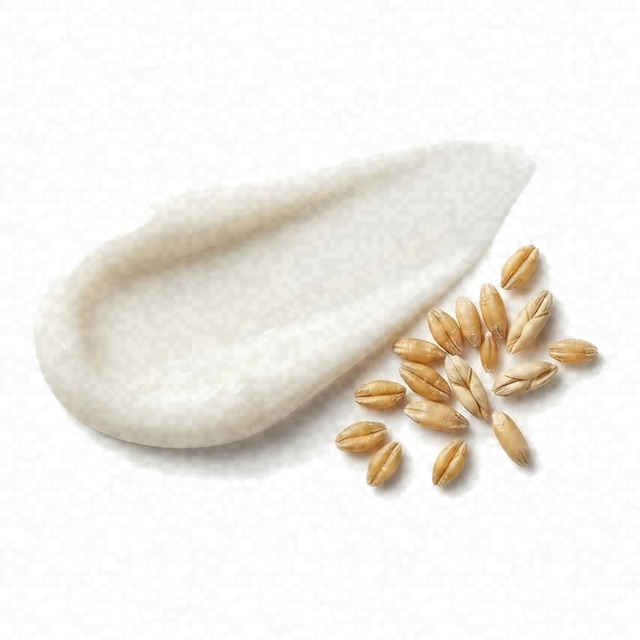 Azelaic Acid
 Salicylic Acid
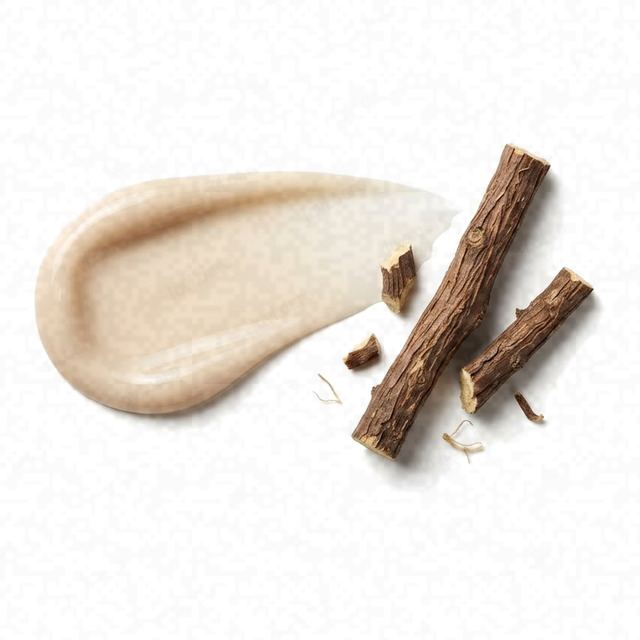 Licorice Root Extract
 Glycerin
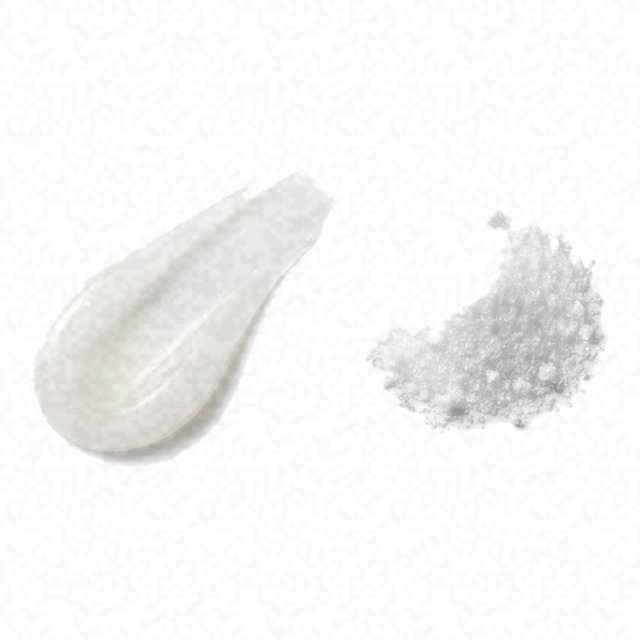 Adenosine
High
- SuperiorCombination Skin Fit
- HighEffectiveness
- HighSafety
A great choice for combination skin; a few serums fit it even better.
This fit is calculated for the concerns frequently associated with combination skin: an oily T-zone, enlarged pores, and dry cheeks. For scores and recommendations based on your full skin profile, including your 12D face scan results and any goals or preferences you have, please use the Lovi app.
Page built Nov 8, 2026How the Fit score works
Lovi Assistant explains
- Excellent suitability for your combination skin is provided by azelaic acid and salicylic acid, which effectively control oil and exfoliate without causing irritation, complemented by allantoin and bisabolol for their soothing properties.
- The formula offers targeted benefits for reducing redness and evening skin tone, with licorice root extract further enhancing the brightening and calming effects.
- The safety profile is excellent, with no risks of irritation due to the absence of harsh ingredients and the inclusion of soothing components.
How to apply
- Use your serum as part of your PM routine. Start using it 3 times a week and move to daily use if your skin likes it.
- Apply the serum after cleansing and toner, and right before your moisturizer.
- Gently press 2-3 drops of the serum into your skin and wait a minute ⏳for it to soak in.
- Apply the serum on clean and dry skin since your skin is not sensitive.
- Always do a patch test before using the serum for the first time, and avoid the eye area .
People Say
★4.5Overall rating based on 6.6k+ reviewsMost find the lightweight texture effective for smoothing bumps and clearing breakouts, though some users find the small tube size expensive and the natural scent off-putting.
Highlights
Fades dark spots Often Mentioned
- “acne scars faded”
- “hyperpigmentation is gone”
- “brightened dark spots”
- “marks disappearing quickly”
Reduces redness Often Mentioned
- “calmed redness immediately”
- “soothed my cheeks”
- “less flushed look”
Expensive for size Often Mentioned
- “tiny tube”
- “pricey for amount”
- “runs out fast”
- “wish it was bigger”
Clears acne Sometimes Noted
- “stopped hormonal breakouts”
- “shrunk cystic acne”
- “cleared stubborn pimples”
- “prevented new zits”
Lightweight consistency Sometimes Noted
- “absorbs instantly”
- “layers well”
- “non-greasy finish”
- “lightweight gel-cream”
Smooths texture Sometimes Noted
- “skin feels softer”
- “smoothed bumpy texture”
- “glass skin results”
- “reduced sebaceous filaments”
Unpleasant smell Sometimes Noted
- “smells like grain”
- “earthy scent”
- “weird funk”
- “overpowering smell”
Breakouts/Purging Rarely Noted
- “caused cystic acne”
- “bad purging”
- “broke me out”
- “worsened my skin”
Causes irritation Rarely Noted
- “stung my face”
- “caused dryness”
- “too strong”
- “damaged skin barrier”
Product pilling Rarely Noted
- “pills under makeup”
- “balls up”
- “rolls off skin”
- “doesn't layer well”
Sources: lovi.care, amazon.com, paulaschoice.co.uk, sephora.co.uk, dermstore.com, spacenk.com, and more
Questions and answers
What makes Paula's Choice 10% Azelaic Acid Booster a great fit for combination skin?
This product is a great fit for your combination skin because azelaic acid and salicylic acid effectively control oil and gently exfoliate, while soothing ingredients like allantoin and bisabolol help keep your skin calm. It also features licorice root extract to help brighten your skin tone and reduce redness safely.
Which ingredients make this treatment a good fit for combination skin?
Azelaic acid and salicylic acid make this treatment a great fit by controlling oil and smoothing your skin without causing irritation. Soothing ingredients like allantoin and bisabolol help keep your skin calm, while licorice root extract brightens and evens out your skin tone.
Journal of Cosmetic Dermatology, 2024Journal of Drugs in Dermatology, 2023
What does Azelaic Acid do for combination skin?
Azelaic acid helps combination skin by calming redness, clearing breakouts, and fading dark spots while keeping the skin smooth. It is unlikely to irritate dry areas while working on oily spots. Combination skin of this type needs a balanced routine with gentle exfoliants and soothing hydrators.
Postepy Dermatologii I Alergologii, 2023Journal of Drugs in Dermatology, 2015
What does Salicylic Acid do for combination skin?
Salicylic acid helps clear clogged pores and balance oily areas while remaining gentle enough for dry spots on combination skin. It reduces breakouts and oiliness effectively with a low likelihood of irritation.
Journal of Cosmetic Dermatology, 2024Journal of Drugs in Dermatology, 2023
Where does this treatment go in a skincare routine for combination skin?
This treatment goes in the evening routine after cleansing and before moisturizing, starting once a week and increasing frequency as tolerated. The formula controls oil and calms the skin safely without harsh ingredients.
Can I use it with retinol, and in what order?
You can use this treatment with retinol by applying them on alternating nights or spacing them out to keep your combination skin calm. Because both ingredients exfoliate, separating them helps you avoid dryness and irritation.
How often should I use this treatment?
Start using this treatment once a week in your evening routine, and carefully use it more often if your skin tolerates it well and you see good results. It is unlikely to cause irritation because it contains soothing ingredients like allantoin and bisabolol.
Can it clog pores, cause breakouts or purging for combination skin?
This product is a great fit for your combination skin because azelaic acid and salicylic acid effectively control oil and clear pores without causing irritation. It has an excellent safety profile, and it is unlikely to cause breakouts or purging.
Journal of Cosmetic Dermatology, 2024Journal of Drugs in Dermatology, 2023
Is this treatment fragrance-free and alcohol-free?
Yes, it has no fragrance and no drying alcohol. Cetearyl alcohol is a fatty alcohol, which soften the skin.
What the research says
Twice daily application of a multitargeted dermocosmetic cream provided comparable efficacy to benzoyl peroxide 5% gel in reducing inflammatory, non-inflammatory, and total lesions in 150 Caucasian subjects with mild-to-moderate acne over 56 days, while demonstrating superior skin tolerability.
Journal of Cosmetic Dermatology, 2024The use of a salicylic acid-based dermocosmetic significantly reduces the needed quantity of benzoyl peroxide without impacting efficacy in mild to moderate acne, and as maintenance post-benzoyl peroxide allows a significant reduction of acne relapse compared to vehicle.
Journal of Drugs in Dermatology, 2023Azelaic acid nanocrystal hydrogel 10% achieved a higher success rate and greater lesion reduction than azelaic acid cream 20% in patients with mild to moderate facial acne.
Pharmaceutics, 2021Application of 15% azelaic acid gel significantly reduced post-inflammatory erythema and hyperpigmentation, decreased hemoglobin and melanin content, improved quality of life, and contributed to acne improvement in patients with mild to moderate acne compared to placebo.
Dermatology and Therapy, 2024Topical application of a dermocosmetic containing Myrtus communis extract and azelaic acid reduced acne relapses and helped maintain remission compared to a light moisturizing cream in adult females in the acne maintenance phase over 16 weeks.
Journal of the European Academy of Dermatology and Venereology, 2023Topical administration of 20% azelaic acid cream and 5% tranexamic acid solution comparably improved acne-related postinflammatory hyperpigmentation in patients with acne vulgaris, while tranexamic acid demonstrated a significantly better safety profile at week 4.
Journal of Research in Medical Sciences, 2023Cryotherapy with liquid nitrogen achieved a higher cure rate (39%) than salicylic acid (24%) and a wait-and-see approach (16%) for cutaneous warts at 13 weeks in primary care patients.
CMAJ, 2010A moisturizer containing licochalcone A, 1,2-decanediol, L-carnitine, and salicylic acid significantly reduced noninflammatory, inflammatory, and total acne lesion counts compared to a vehicle control in Thai patients during a 12-week maintenance phase.
BioMed Research International, 2020Treatment with 2% supramolecular salicylic acid hydrogel resulted in a regression and markedly improvement rate of 51.01% compared to 43.10% for Adapaline gel in patients with mild to moderate facial acne vulgaris, showing no significant difference in efficacy.
Journal of Cosmetic Dermatology, 2024Combining 755 nm alexandrite laser with topical licorice gel significantly reduces terminal hair counts compared to alexandrite laser with placebo in women with idiopathic hirsutism.
Evidence-based Complementary and Alternative Medicine, 2015Licochalcone A activated Nrf2 signaling, elevated cytoprotective enzymes, increased the reduced-to-oxidized glutathione ratio, and decreased reactive oxygen species in human fibroblasts and neutrophils, while a LicA-rich licorice extract lowered UVA-induced oxidative processes in vivo.
Experimental Dermatology, 2015Bioactive glycyrrhizic acid and oxymatrine ionic liquid self-assembled nanomicelles significantly promoted the transdermal permeation, subcutaneous retention, and anti-photoaging efficacy of palmitoyl pentapeptide-4 in cellular and animal models compared to unformulated peptide.
Advanced Science, 2025A single application of a moisturizing fluid containing hyaluronic acid 1%, glycerin 5%, and Centella asiatica stem cells extract significantly increased skin hydration by 29% and reduced transepidermal water loss at 24 hours compared to baseline and an untreated control site in twenty healthy women.
Clinical, Cosmetic and Investigational Dermatology, 2017The emollient V0034CR significantly reduced TEWL compared to vehicle and vehicle plus glycerol, and significantly increased corneometry scores compared to vehicle and vehicle plus petrolatum in healthy volunteers with dry skin, demonstrating combined barrier function improvement from petrolatum and hydration improvement from glycerol.
Journal of Cosmetic Dermatology, 2020Ten days of treatment with a cream containing 20% glycerin significantly increased skin hydration measured by corneometer values in 17 healthy volunteers compared to a placebo cream, but showed no influence on transepidermal water loss or skin sensitivity to an irritating surfactant.
International Journal of Cosmetic Science, 2001Topical adenosine treatment significantly increased the anagen hair growth rate and thick hair rate compared to placebo in Japanese women with female pattern hair loss over 12 months.
The Journal of Dermatology, 2008Topical application of a disodium adenosine monophosphate-based formulation reduced wrinkles and hyperpigmentation while improving hydration, barrier function, skin lifting, and epidermal turnover in female participants.
International Journal of Molecular Sciences, 2026Adenosine and cordycepin stimulate the Wnt/beta-catenin signaling pathway through adenosine receptor and PKA activation, promoting cell proliferation, migration, and growth factor secretion in cultured dermal fibroblasts.
International Journal of Molecular Sciences, 2021
Ingredients
Water, Azelaic Acid, C12-15 Alkyl Benzoate, Caprylic Capric Triglyceride, Methyl Glucose Sesquistearate, Glycerin, Cetearyl Alcohol, Glyceryl Stearate, Dimethicone, Salicylic Acid, Adenosine, Glycyrrhiza Glabra Root Extract Licorice Root Extract, Boerhavia Diffusa Root Extract, Allantoin, Bisabolol, Cyclopentasiloxane, Xanthan Gum, Sclerotium Gum, Propanediol, Butylene Glycol, Phenoxyethanol
Behind this fit score
Lovi calculates every fit score from the full ingredient list with brand-independent rules our dermatologists and cosmetic chemists build and review, and personalizes every pick with AI trained on the real results of millions of users. Lovi trains its fit score models on a proprietary dataset built from more than 10,000 expert-labeled products and more than 100,000 simulated examples, following an internally consistent methodology presented at Cosmoprof, AMWC, and Skin of Color Update.
-

Co-founder, Medical Director
Cosmetic chemist, cosmetologist, aesthetic products developer
-

Co-founder, CEO and CTO
PhD in computer science, 3x US patent holder, ex-Google, ex-Yandex
-

Dr. Sofía Perea Pérez, MD, MSc
Medical Board
Aesthetic medicine practitioner, MSc in Longevity and Anti-Aging Medicine
-

Medical Board
Specialist dermatologist, MBBS, MD, IFAAD
-

Medical Board
Cosmetic chemist, SCS, IFSCC member
-

Medical Board, Medical Advisor
Dermatology MD
-

Elina Nazarenko, MD
Medical Board
Dermatology and diagnostic consultant
-

Victoria Derkova, MS
Medical Board
Cosmetic chemist, cosmetic development technologist


How does it fit your skin?
Scan your face, then any product: Lovi shows how well it fits you and what fits even better.