Paula's Choice 0.3% Retinol + 2% Bakuchiol Treatment for oily acne-prone skin

 Retinol
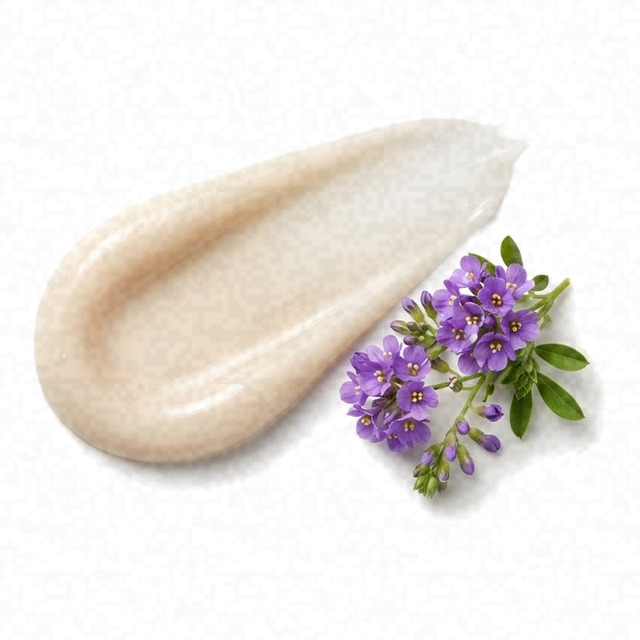 Bakuchiol
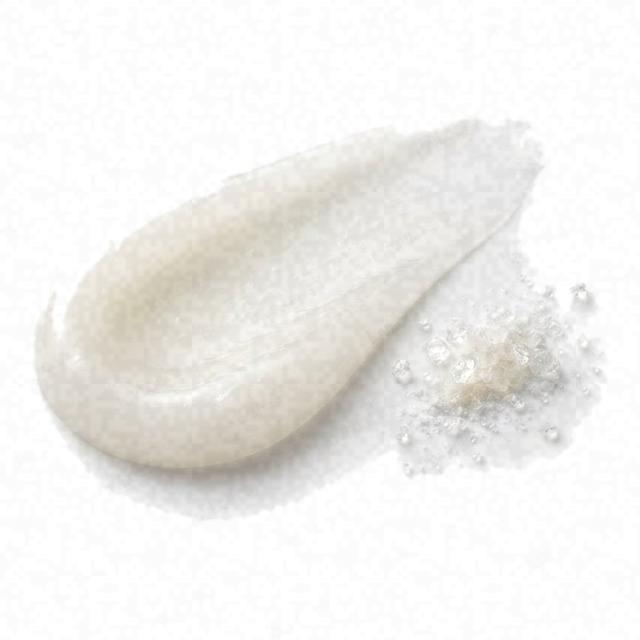 Peptides
 Ascorbic Acid
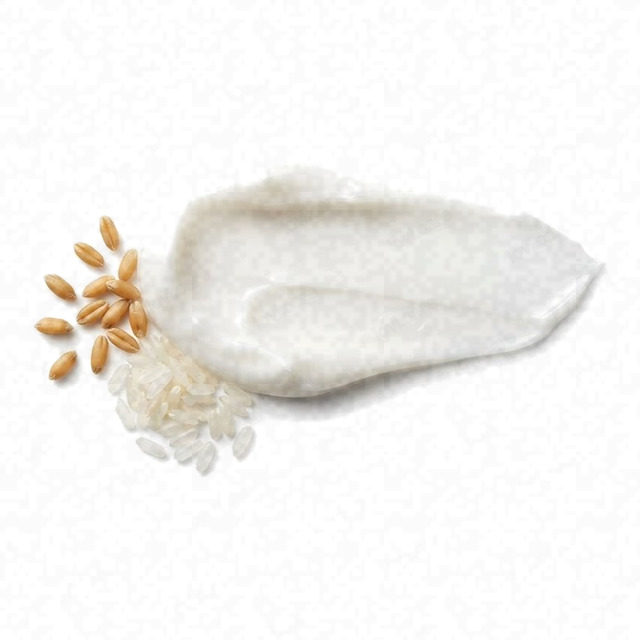 Ceramide Ng
Average
- AverageOily Skin Fit
- HighEffectiveness
- Low RiskSafety
Works for oily acne-prone skin; other serums fit it better.
This fit is calculated for the concerns frequently associated with oily acne-prone skin: shine, breakouts, blemishes, and enlarged pores. For scores and recommendations based on your full skin profile, including your 12D face scan results and any goals or preferences you have, please use the Lovi app.
Page built Nov 8, 2026How the Fit score works
Lovi Assistant explains
- Offers moderate exfoliation and desquamation regulation for your oily skin due to retinol and bakuchiol, which can help minimize fine lines and wrinkles.
- While ingredients like Dimethicone and Glycerin provide general hydration and soothing benefits, they are not specifically targeted for your acne, blemishes, breakouts, and oiliness.
- The product is generally safe for your oily skin, with a low risk of irritation from retinol and bakuchiol.
How to apply
- Could be used as part of your PM routine. Start 3 times a week and build up to daily use if your skin tolerates it well.
- Apply your serum after cleansing and toning, but before putting on your moisturizer.
- Gently press 2 to 3 drops of the serum into your skin and let it absorb for a minute.
- Apply the serum on clean, dry skin to help manage your blemishes safely.
- Do a patch test before your first use and avoid the delicate eye area.
People Say
★4.5Overall rating based on 500+ reviewsUsers find this treatment to be a gentle and effective beginner-friendly retinol, especially beneficial for sensitive or dry skin. Many report improved skin texture and a reduction in fine lines, with a healthy glow and no typical retinol irritation. Some users experienced issues with the packaging pump and found the price point to be high.
Highlights
Gentle, non-irritating Mostly Mentioned
- “no irritation or redness”
- “gentle enough for daily use”
- “great for sensitive skin”
- “didn't dry me out”
- “zero peeling”
Smoother skin texture Often Mentioned
- “skin feels so smooth”
- “texture is refined”
- “softens rough patches”
- “face feels like silk”
- “bumps disappeared”
Good for beginners Sometimes Noted
- “perfect starter retinol”
- “great introduction product”
- “good step up from 0.1%”
- “easy to incorporate”
- “beginner friendly”
Hydrating, glowing Sometimes Noted
- “gives a nice glow”
- “moisturizing formula”
- “skin looks radiant”
- “dewy finish”
- “not drying at all”
Reduces fine lines Sometimes Noted
- “softened forehead lines”
- “crows feet look better”
- “lines are less visible”
- “plumps up wrinkles”
- “youthful appearance”
High price point Sometimes Noted
- “very expensive”
- “pricey for the amount”
- “wish it was cheaper”
- “luxury price tag”
- “waiting for a sale”
Packaging pump issues Sometimes Noted
- “pump stopped working”
- “hard to get product out”
- “dispenser is faulty”
- “bottle design is poor”
- “product gets stuck”
Initial breakouts Rarely Noted
- “caused some breakouts”
- “purged for a few weeks”
- “small pimples appeared”
- “skin got worse before better”
- “minor congestion”
Slow results Rarely Noted
- “didn't see a difference”
- “too weak for me”
- “need something stronger”
- “results take a long time”
- “no dramatic change”
Texture/smell Rarely Noted
- “smell is odd”
- “texture is too thick”
- “feels slightly heavy”
- “scent isn't great”
- “takes time to absorb”
Sources: lovi.care, sephora.com.au, paulaschoice.it, dermstore.com, influenster.com, cultbeauty.co.uk, and more
Questions and answers
How well does Paula's Choice 0.3% Retinol + 2% Bakuchiol Treatment work for oily acne-prone skin?
This treatment works moderately well for oily acne-prone skin, offering gentle exfoliation and smoothing out fine lines, though it lacks specific ingredients to target breakouts and excess oil. Treatments that fit this skin type better need ingredients like niacinamide, propolis, benzoyl peroxide, or Vitamin C to directly control oil and clear blemishes.
The British Journal of Dermatology, 2019International Journal of Cosmetic Science, 2017
Which ingredients make this treatment a good fit for oily acne-prone skin?
Retinol and bakuchiol help smooth out fine lines on your oily skin by gently encouraging the shedding of dead skin cells and supporting firmness. Treatments that fit this skin type better need ingredients like niacinamide, propolis, or benzoyl peroxide to directly target blemishes and control excess oil.
What does Retinol do for oily acne-prone skin?
Retinol helps oily acne-prone skin by clearing up breakouts and smoothing the skin, though it may occasionally cause some mild scaling or stinging. This ingredient works by addressing the root causes of acne, making it a reliable choice for keeping pores clear and skin smooth.
American Journal of Clinical Dermatology, 2019Journal of Drugs in Dermatology, 2018
What does Bakuchiol do for oily acne-prone skin?
Bakuchiol helps clear oily acne-prone skin by reducing pimples and dark spots left behind. It is gentle on the face and is unlikely to cause the heavy peeling or stinging that often comes with traditional acne treatments.
Journal of Drugs in Dermatology, 2021Clinical, Cosmetic and Investigational Dermatology, 2015
Where does this treatment go in a skincare routine for oily acne-prone skin?
This treatment goes in the evening routine, as treatments with actives are typically used at night for simplicity and extra safety around sun exposure. While retinol and bakuchiol help manage your skin, this type of skin needs ingredients that directly target oiliness and breakouts.
Can I use this treatment with niacinamide, and in what order?
You can use this treatment with niacinamide by applying niacinamide first and following with this treatment once it absorbs. This approach helps keep oily skin balanced while minimizing potential irritation. For this skin type, products targeting oil control, breakouts, and blemishes are also needed.
How often should I use this treatment?
Start by applying this treatment once a week in the evening, and if your skin feels comfortable and you see good results, you can carefully use it more often. This product works for your oily skin, though an oily acne-prone skin type needs oil-absorbing and breakout-fighting ingredients to target excess oil and blemishes.
Can this treatment clog pores, cause breakouts or purging for oily acne-prone skin?
This treatment is generally safe for your oily skin, though initial breakouts may happen as your skin adjusts. A product for this skin needs ingredients that help clear blemishes, balance oil, and soothe breakouts alongside hydration.
Is this treatment fragrance-free and alcohol-free?
Yes, it has no fragrance and no drying alcohol. Arachidyl alcohol, behenyl alcohol, and cetearyl alcohol are fatty alcohols, which soften the skin.
What the research says
Topical bakuchiol 0.5% applied twice daily compared with retinol 0.5% applied daily significantly decreased wrinkle surface area and hyperpigmentation with no statistical difference between the compounds in 44 patients over 12 weeks, while retinol users reported more facial skin scaling and stinging.
The British Journal of Dermatology, 2019Topical 0.4% retinol significantly increased epidermal thickness, dermal vascularity, and extracellular matrix production by stimulating keratinocyte proliferation, endothelial cell proliferation, and fibroblast activation in naturally aged human skin compared to vehicle.
International Journal of Cosmetic Science, 2017Silicone particles encapsulating retinol increased its half-life by 9-fold and yielded 12-23% lower skin irritation in human subjects compared to Microsponge particles while maintaining biological activity.
Journal of Controlled Release, 2018Topical stabilized retinol treatment induced HAS gene expression and increased hyaluronic acid production in human skin in vitro, ex vivo, and in vivo compared to vehicle.
Archives of Dermatological Research, 2017Topical application of all-trans-retinol induced epidermal thickening and increased retinoid binding protein expression similar to all-trans-retinoic acid in normal human skin, but without causing significant erythema or measurable retinoic acid levels.
The Journal of Investigative Dermatology, 1995A dermocosmetic containing bakuchiol, Ginkgo biloba extract, and mannitol improves inflammatory lesions, Investigator Global Assessment, and seborrhea intensity when added to adapalene 0.1% gel in patients with acne vulgaris.
Clinical, Cosmetic and Investigational Dermatology, 2015Topical application of a serum containing supramolecular Bakuchiol and Terminalia chebula extract significantly improved barrier function, reduced redness and sensitivity, and improved wrinkles and elasticity in 34 Chinese subjects with sensitive skin after 28 days.
Health Science Reports, 2025Bakuchiol functions as an anti-aging compound through retinol-like regulation of gene expression, producing significant improvements in lines, wrinkles, pigmentation, elasticity, firmness, and photo-damage after 12 weeks of twice-a-day facial application without usual retinol therapy-associated undesirable effects.
International Journal of Cosmetic Science, 2014Topical application of 5% vitamin C cream significantly improved global clinical scores, increased skin microrelief density, and induced elastic tissue repair in photoaged skin compared to excipient control in healthy female volunteers.
Experimental Dermatology, 2003Ascorbic acid 2-glucoside gel significantly reduced gingival melanin pigmentation after 4 weeks compared to placebo in 73 subjects with symmetric pigmentation.
Journal of Periodontology, 2009Topical application of VC-IP cream twice daily for 8 weeks reduces periorbital wrinkles in female subjects compared to a placebo cream.
Journal of Cosmetic Dermatology, 2022
Why other serums fit oily acne-prone skin better
Adapalene 0.1%-benzoyl peroxide 2.5% fixed-dose combination gel provided significantly greater, synergistic efficacy and a faster onset of action compared with the vehicle, adapalene monotherapy, and benzoyl peroxide monotherapy in patients with acne vulgaris.
The British Journal of Dermatology, 2009Topical benzoyl peroxide 5% gel treatment improved acne severity, sebum, stratum corneum hydration, and transepidermal water loss, while significantly reducing microbial diversity and the prevalence of Cutibacterium in 33 patients with acne vulgaris.
Dermatologic Therapy, 2022A cream combining propolis, tea tree oil, and Aloe vera reduced erythema scars, acne severity index, and total lesion count better than erythromycin cream in sixty patients with mild to moderate acne vulgaris compared to placebo.
Clinical Pharmacology, 2018
Ingredients
Water, Dimethicone, Pentaerythrityl Tetraisoostearate, Isononyl Isononanoate, Butylene Glycol, Bakuchiol, Arachidyl Alcohol, Glyceryl Polymethacrylate, Dimethicone Crosspolymer, Behenyl Alcohol, Glycerin, Peg-75 Shea Glycerides Butter, Glyceryl Stearate, C12-15 Alkyl Benzoate, Polysorbate 20, Tetrahexyldecyl Ascorbate, Retinol, Ceramide Ng, Palmitoyl Tetrapeptide-7, Palmitoyl Hexapeptide-12, Sodium Hyaluronate, Dipotassium Glycyrrhizate, Glycyrrhiza Glabra Root Extract Licorice Root Extract, Avena Sativa Kernel Extract Oat Kernel Extract, Arctium Lappa Root Extract, Willow Bark Extract, Glycine Soja Soybean Sterols, Lecithin, Allantoin, Tocopheryl Acetate, Hydrolyzed Soy Protein, Palmitoyl Tripeptide-1, Sodium Hydroxide, Tribehenin, Caprylyl Glycol, Dipeptide-2, Polygonum Cuspidatum Root Extract, Peg-10 Phytosterol, Peg-8, Magnesium Aluminum Silicate, Arachidyl Glucoside, Chrysin, Pentylene Glycol, Sodium Acrylates Copolymer, Steareth-20, Hydroxyethyl Acrylate Sodium Acryloyldimethyl Taurate Copolymer, Cetearyl Alcohol, Coco-Glucoside, Hesperidin Methyl Chalcone, N-Hydroxysuccinimide, Disodium Edta, Phenoxyethanol, Benzoic Acid, Ethylhexylglycerin
Behind this fit score
Lovi calculates every fit score from the full ingredient list with brand-independent rules our dermatologists and cosmetic chemists build and review, and personalizes every pick with AI trained on the real results of millions of users. Lovi trains its fit score models on a proprietary dataset built from more than 10,000 expert-labeled products and more than 100,000 simulated examples, following an internally consistent methodology presented at Cosmoprof, AMWC, and Skin of Color Update.
-

Co-founder, Medical Director
Cosmetic chemist, cosmetologist, aesthetic products developer
-

Co-founder, CEO and CTO
PhD in computer science, 3x US patent holder, ex-Google, ex-Yandex
-

Dr. Sofía Perea Pérez, MD, MSc
Medical Board
Aesthetic medicine practitioner, MSc in Longevity and Anti-Aging Medicine
-

Medical Board
Specialist dermatologist, MBBS, MD, IFAAD
-

Medical Board
Cosmetic chemist, SCS, IFSCC member
-

Medical Board, Medical Advisor
Dermatology MD
-

Elina Nazarenko, MD
Medical Board
Dermatology and diagnostic consultant
-

Victoria Derkova, MS
Medical Board
Cosmetic chemist, cosmetic development technologist


How does it fit your skin?
Scan your face, then any product: Lovi shows how well it fits you and what fits even better.