Kiehl's Energizing Radiance Masque for acne-prone skin

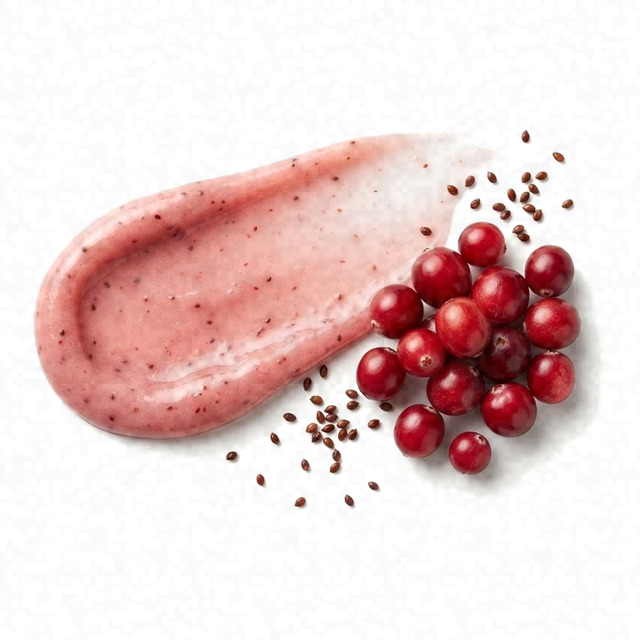 Cranberry Seed
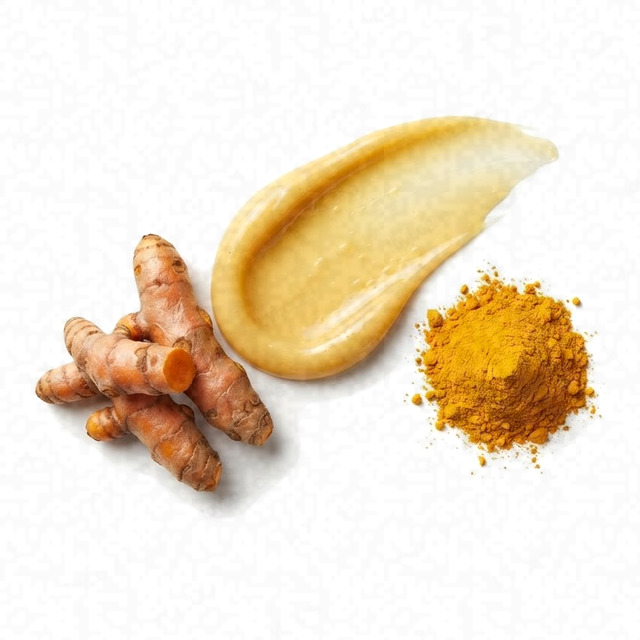 Curcuma Longa
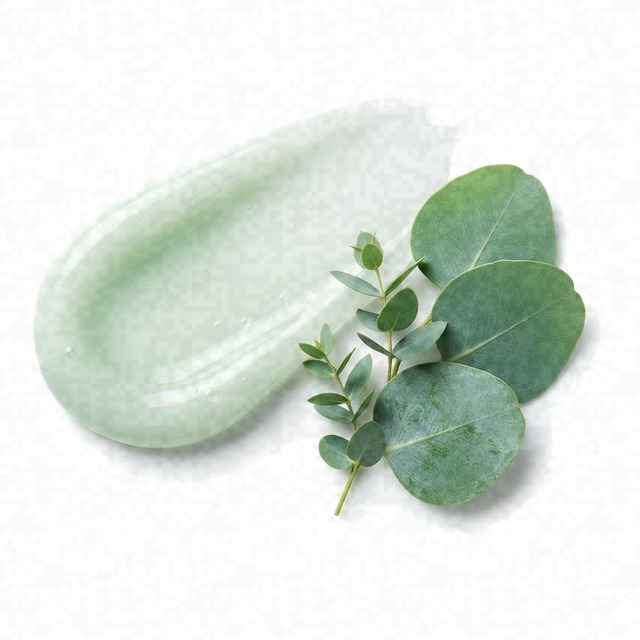 Eucalyptus Globulus Oil Leaf
 Ascorbyl Glucoside
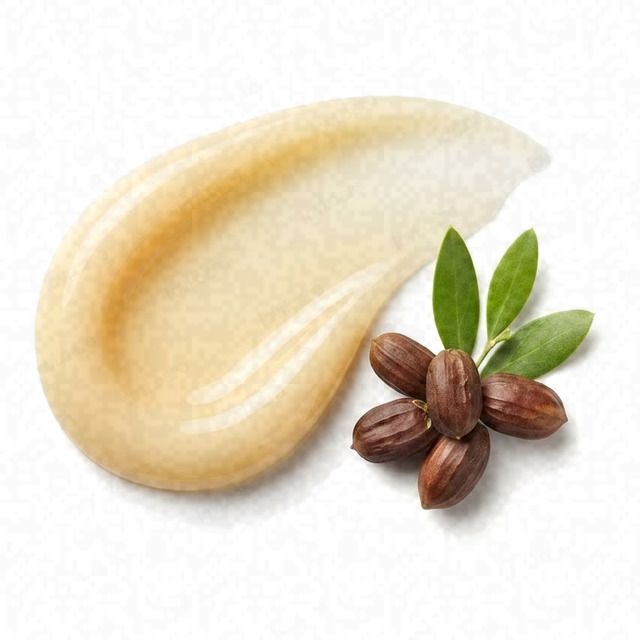 Jojoba Seed Oil
Average
- HighCombination Skin Fit
- AverageEffectiveness
- HighSafety
Works for acne-prone skin; other cleansing masks fit it better.
This fit is calculated for the concerns frequently associated with acne-prone skin: breakouts, blackheads, and post-acne marks. For scores and recommendations based on your full skin profile, including your 12D face scan results and any goals or preferences you have, please use the Lovi app.
Page built Nov 8, 2026How the Fit score works
Lovi Assistant explains
- Offers moderate cleansing for your combination skin, as kaolin and bentonite absorb excess oil and impurities, while Ascorbyl Glucoside and Eucalyptus Globulus Oil provide antioxidant and anti-inflammatory benefits. Glycerin and peppermint extract offer supportive hydration and soothing effects, which are beneficial but do not directly target your active acne and blemishes.
- The formulation is safe for your combination skin, with no harsh ingredients that would cause irritation.
- This product provides general skincare benefits, such as hydration and soothing, which are supportive for acne-prone skin.
How to apply
- Use this cleansing mask during your PM weekly routine. Start 1x/week and increase if your skin tolerates it well.
- Apply this cleansing mask after using your pre-cleanser and cleanser , and before your hydrating toner.
- Spread an even layer of the cleansing mask over your face , avoiding any rubbing to protect your skin.
- Apply the cleansing mask to clean and dry skin to help clear up your blemishes effectively.
- Avoid the eye area and do a patch test before your first use.
Questions and answers
How well does Kiehl's Energizing Radiance Masque work for acne-prone skin?
This mask works moderately well for acne-prone skin because clays absorb excess oil and impurities while other ingredients provide soothing benefits. However, it does not directly target active breakouts, so an acne-prone skin type needs a product with effective targeted ingredients like salicylic acid that clear blemishes and refine pores while keeping the skin calm.
Journal of Cosmetic Dermatology, 2025Forschende Komplementarmedizin, 2012
Which ingredients make this mask a good fit for acne-prone skin?
This mask works for acne-prone skin because kaolin and bentonite absorb excess oil, while eucalyptus leaf oil and vitamin C provide calming and antioxidant benefits. An acne mask for this skin type typically needs effective ingredients like salicylic acid that target blemishes directly and refine pores.
Journal of Cosmetic Dermatology, 2025Forschende Komplementarmedizin, 2012
What does Cranberry Seed Oil do for acne-prone skin?
Cranberry seed oil helps keep acne-prone skin balanced without feeling heavy or greasy. It is unlikely to clog pores and provides lightweight moisture that helps keep your face soft and smooth.
What does Turmeric do for acne-prone skin?
Turmeric helps calm redness and swelling in acne-prone skin thanks to its anti-inflammatory and antimicrobial properties. It is unlikely to irritate dry areas while working to improve breakouts. Skin dealing with frequent breakouts typically needs soothing ingredients and antioxidants to calm inflammation and support overall clarity.
Skin Pharmacology and Physiology, 2023Drugs in Context, 2025
Where does this mask go in a skincare routine for acne-prone skin?
This cleansing mask fits into a weekly routine as a special step after cleansing, though acne-prone skin often does better with products that directly target active blemishes and breakouts.
Journal of Cosmetic Dermatology, 2025Forschende Komplementarmedizin, 2012
Can I use it with retinol, and in what order?
You can use this mask in your routine, but apply it on a different night or a few hours apart from your retinol to help keep your skin calm and avoid irritation. Acne-prone skin works best with products containing clay and soothing extracts to gently clear out pores, along with ingredients that actively target blemishes and calm redness.
Journal of Cosmetic Dermatology, 2025Forschende Komplementarmedizin, 2012
How often should I use this mask?
You can use this mask once a week as part of your weekly routine. This cleansing mask helps absorb excess oil and impurities, though acne-prone skin needs targeted active ingredients to effectively clear blemishes and breakouts.
Journal of Cosmetic Dermatology, 2025Forschende Komplementarmedizin, 2012
Can it clog pores, cause breakouts or purging for acne-prone skin?
It is unlikely to clog pores or cause breakouts for acne-prone skin, though other products fit this skin type better. An acne-prone skin needs ingredients that directly target active blemishes and control oil while gently clearing impurities.
Journal of Cosmetic Dermatology, 2025Forschende Komplementarmedizin, 2012
Is this mask fragrance-free and alcohol-free?
Yes, it has no fragrance and no drying alcohol.
What the research says
A bentonite-based facial mask with Alcea sulphurea extract combined with oral azithromycin significantly reduced total lesion count and acne severity index while enhancing patient satisfaction in patients with moderate acne compared to placebo plus azithromycin over 8 weeks.
Journal of Cosmetic Dermatology, 2025A single application of a moisturizing fluid containing hyaluronic acid 1%, glycerin 5%, and Centella asiatica stem cells extract significantly increased skin hydration by 29% and reduced transepidermal water loss at 24 hours compared to baseline and an untreated control site in twenty healthy women.
Clinical, Cosmetic and Investigational Dermatology, 2017Clay jojoba oil facial masks reduced total skin lesions by a mean of 54% after 6 weeks in 133 participants with acne-prone, lesioned skin and mild acne compared to baseline.
Forschende Komplementarmedizin, 2012Turmeric and curcumin products, both oral and topical, showed statistically significant improvement in skin disease severity in ten out of eighteen studies compared with control groups.
Phytotherapy Research, 2016Topical application of curcumin or turmeric treats various skin conditions by leveraging antioxidant, anti-inflammatory, and antimicrobial properties.
Skin Pharmacology and Physiology, 2023Topical formulations of curcumin target oxidative damage and inflammation to improve wound healing in animal models.
Drug Discovery Today, 2017A curcumin-loaded spanlastic anti-aging gel utilizing formula F5 incorporated into 2% HPMC E50 demonstrated sustained release action, compatibility, and the ability to penetrate skin layers to a depth of about 112.5 um without signs of irritation.
Saudi Pharmaceutical Journal, 2024An ointment containing larch turpentine, eucalyptus oil, and turpentine oil improved discomfort scores (7.3 vs. 4.7) and increased complete healing (67% vs. 46%) compared to placebo in outpatients with painful skin abscesses over 10 days.
Complementary Medicine Research, 2023Topical application of 5% vitamin C cream significantly improved global clinical scores, increased skin microrelief density, and induced elastic tissue repair in photoaged skin compared to excipient control in healthy female volunteers.
Experimental Dermatology, 2003Ascorbic acid 2-glucoside gel significantly reduced gingival melanin pigmentation after 4 weeks compared to placebo in 73 subjects with symmetric pigmentation.
Journal of Periodontology, 2009Topical application of VC-IP cream twice daily for 8 weeks reduces periorbital wrinkles in female subjects compared to a placebo cream.
Journal of Cosmetic Dermatology, 2022Topical application of jojoba wax reduced LPS-induced secretion of IL-6, IL-8, and TNFα by approximately 30% and increased the synthesis of pro-collagen III and hyaluronic acid compared to untreated skin in an ex-vivo human skin organ culture model.
Frontiers in Pharmacology, 2024Topical jojoba oil application in male mice decreased exercise-induced pro-inflammatory gene expression (Il-1b and Il-6 in soleus, Il-1b in gastrocnemius) compared to untreated exercised mice.
Biomolecules, 2025Nanolipidgel formulations with argan or jojoba oil and humectants demonstrate good sensory attributes, instrumental properties, and moisturizing efficacy for cosmetic application.
International Journal of Cosmetic Science, 2014
Why other cleansing masks fit acne-prone skin better
A 30% supramolecular salicylic acid peel improved the global acne grading score and skin barrier indicators, decreased cutaneous microbiome richness and evenness along with Staphylococcus proportion, reduced inflammatory cytokines, and increased caveolin-1 expression in 28 patients with moderate-to-severe acne vulgaris.
Dermatology and Therapy, 2023Treatment with 45% mandelic acid peel showed nearly equal overall efficacy as 30% salicylic acid peel in patients with mild-to-moderate facial acne vulgaris, but with fewer adverse effects.
Journal of Cosmetic Dermatology, 2020A fixed combination of hydroxypinacolone retinoate, retinol glycospheres, and papain glycospheres in aqueous gel applied once daily for 12 weeks achieved a 41% mean reduction in GAGS score and a 40.8% mean reduction in total lesions, with 15.3% of patients experiencing mild to moderate local side effects, in 94 evaluable patients with comedonal-papular, mild to moderate acne of the face.
Giornale Italiano Di Dermatologia E Venereologia, 2015
Ingredients
1,2-Hexanediol, Aminomethyl Propanol, Water, Ascorbyl Glucoside, Bentonite, Butylene Glycol, C13-14 Isoparaffin, Caprylyl Glycol, Ci 77491, Iron Oxides, Ci 77492, Ci 77891, Titanium Dioxide, Curcuma Longa Extract, Curcuma Longa Root Extract, Epilobium Angustifolium Epilobium Angustifolium Stem Extract Extract Flower Leaf, Eucalyptus Globulus Oil Leaf, Glycerin, Kaolin, Laureth-7, Peppermint Extract, Peppermint Leaf Extract, Menthol, Pentylene Glycol, Phenoxyethanol, Polyacrylamide, Polysorbate 60, Silica, Jojoba Seed Oil, Sorbitol, Trisodium Ethylenediamine Disuccinate, Cranberry Seed, Cranberry Seed Oil, Xanthan Gum
Behind this fit score
Lovi calculates every fit score from the full ingredient list with brand-independent rules our dermatologists and cosmetic chemists build and review, and personalizes every pick with AI trained on the real results of millions of users. Lovi trains its fit score models on a proprietary dataset built from more than 10,000 expert-labeled products and more than 100,000 simulated examples, following an internally consistent methodology presented at Cosmoprof, AMWC, and Skin of Color Update.
-

Co-founder, Medical Director
Cosmetic chemist, cosmetologist, aesthetic products developer
-

Co-founder, CEO and CTO
PhD in computer science, 3x US patent holder, ex-Google, ex-Yandex
-

Dr. Sofía Perea Pérez, MD, MSc
Medical Board
Aesthetic medicine practitioner, MSc in Longevity and Anti-Aging Medicine
-

Medical Board
Specialist dermatologist, MBBS, MD, IFAAD
-

Medical Board
Cosmetic chemist, SCS, IFSCC member
-

Medical Board, Medical Advisor
Dermatology MD
-

Elina Nazarenko, MD
Medical Board
Dermatology and diagnostic consultant
-

Victoria Derkova, MS
Medical Board
Cosmetic chemist, cosmetic development technologist


How does it fit your skin?
Scan your face, then any product: Lovi shows how well it fits you and what fits even better.