Neutrogena Clear Face Liquid Lotion Sunscreen for oily acne-prone skin

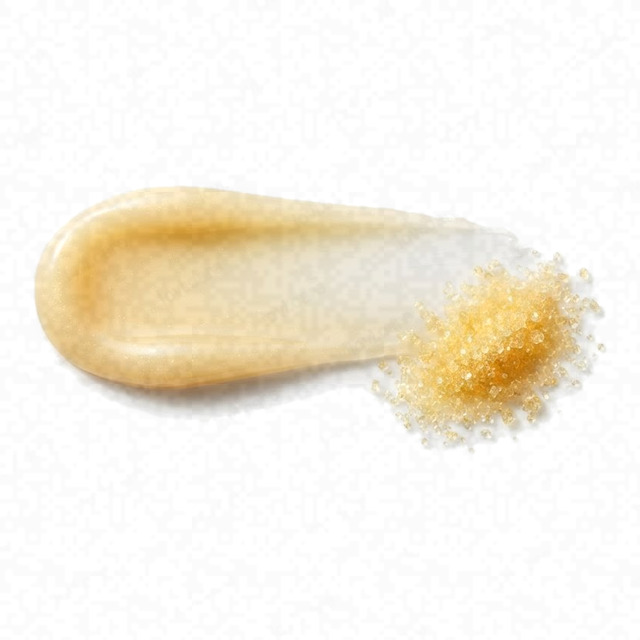 Helioplex Technology
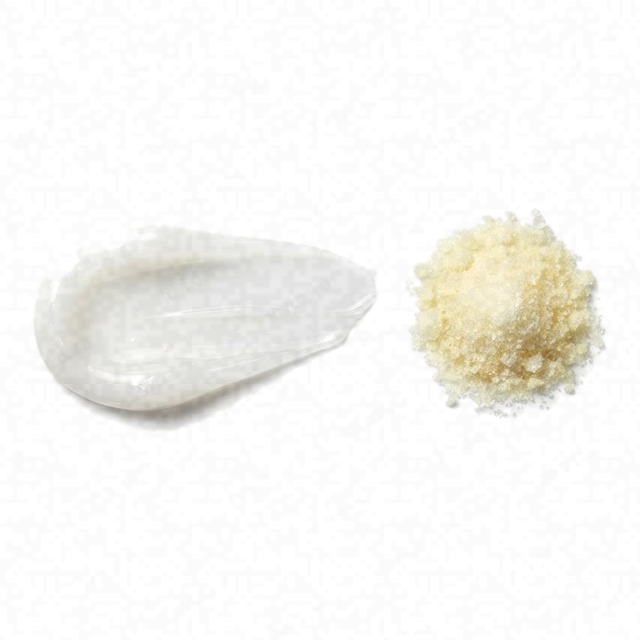 Avobenzone
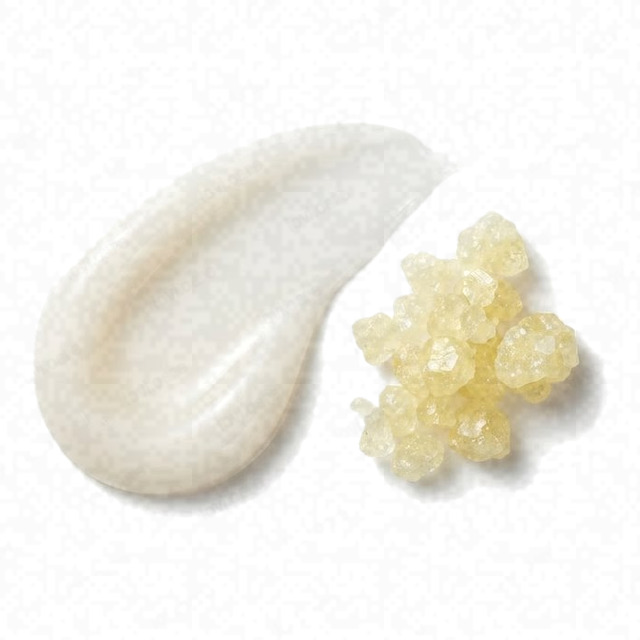 Homosalate
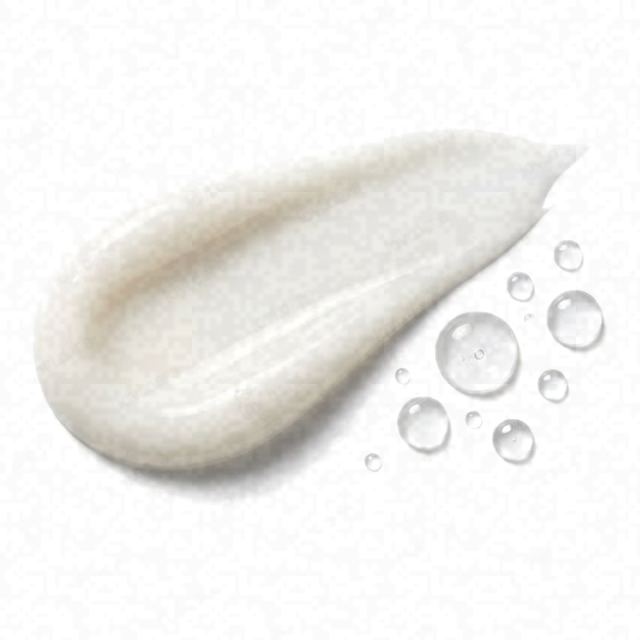 Octisalate
 Octocrylene
Superior
- SuperiorOily Skin Fit
- HighEffectiveness
- ExcellentSafety
One of the best sunscreens for oily acne-prone skin.
This fit is calculated for the concerns frequently associated with oily acne-prone skin: shine, breakouts, blemishes, and enlarged pores. For scores and recommendations based on your full skin profile, including your 12D face scan results and any goals or preferences you have, please use the Lovi app.
Page built Nov 8, 2026How the Fit score works
Lovi Assistant explains
- Excellent suitability for your oily skin is provided by ingredients like silica, capryloyl glycine, sarcosine, and cinnamomum zeylanicum bark extract, which help control oil and reduce inflammation, directly addressing your concerns with acne, blemishes, and breakouts.
- The robust sunscreen effect, achieved through avobenzone, homosalate, octisalate, octocrylene, and oxybenzone, offers excellent protection against UV rays, further enhancing the product's functionality for your skin.
- The safety profile is excellent, with no risks of irritation for your oily skin due to the absence of harsh ingredients and the inclusion of soothing agents like Bisabolol.
How to apply
- Apply this sunscreen AM as the final step of your morning skincare routine. Reapply every two hours when exposed to the sun for continuous protection.
- Apply after your moisturizer as the last step before makeup. Do not apply anything on top of your sunscreen.
- Gently spread a coin-sized amount evenly across your face and neck. Avoid harsh rubbing to prevent disturbing the protective layer.
- Apply on completely dry skin after your moisturizer has fully absorbed. This ensures the sunscreen forms an even, protective barrier.
- Avoid direct contact with your eyes during application. Do a patch test before first use to ensure no irritation occurs.
People Say
★4.5Overall rating based on 2.5k+ reviewsBased on a very large amount of data, users with oily and acne-prone skin highly praise this sunscreen for its lightweight, matte finish that does not clog pores or cause breakouts. Those with darker skin tones frequently report a visible white cast, and a significant number of users experience intense stinging if the product gets near their eyes.
Highlights
Acne-Safe Formula Mostly Mentioned
- “Won't clog pores”
- “No breakouts”
- “Great for acne-prone skin”
Matte Finish Mostly Mentioned
- “Non-greasy”
- “Dries matte”
- “No oily shine”
Lightweight Texture Often Mentioned
- “Water-light feel”
- “Absorbs quickly”
- “Breathable”
Eye Irritation Often Mentioned
- “Stings eyes badly”
- “Causes watering”
- “Burning sensation”
Makeup Friendly Sometimes Noted
- “Wears well under foundation”
- “Acts like a primer”
- “No sliding”
White Cast Sometimes Noted
- “Purple/blue tint on dark skin”
- “Visible residue”
- “Requires rubbing in”
Pilling Rarely Noted
- “Balls up”
- “Flakes off”
- “Incompatible with some moisturizers”
Skin Sensitivity Rarely Noted
- “Burning sensation on application”
- “Irritates dry patches”
- “Redness”
Sources: lovi.care, neutrogena.com, walmart.com, target.com, ulta.com, reddit.com, and more
Questions and answers
What makes Neutrogena Clear Face Sunscreen one of the best fits for oily acne-prone skin?
Neutrogena Clear Face Sunscreen is one of the best fits for your skin because it uses silica and bark extracts to control oil and calm breakouts without clogging pores. It also gives you strong sun protection with a very safe recipe that is unlikely to irritate your skin.
Journal of Microencapsulation, 2010European Journal of Pharmaceutics and Biopharmaceutics, 2011
Which ingredients make this sunscreen a good fit for oily acne-prone skin?
This sunscreen is a great fit for your oily skin thanks to ingredients like silica, capryloyl glycine, sarcosine, and cinnamomum zeylanicum bark extract, which help control oil and reduce breakouts. It also features a blend of UV filters for strong sun protection, along with soothing bisabolol to keep your skin calm without causing irritation.
What does Helioplex do for oily acne-prone skin?
Helioplex provides broad-spectrum sun protection that helps shield oily, acne-prone skin from harmful rays without clogging pores. Because sun exposure can worsen breakouts and lead to dark spots, using a well-formulated sunscreen like this may improve your overall skin recovery and prevent marks from lingering.
What does Avobenzone do for oily acne-prone skin?
Avobenzone helps protect your skin from sun damage, but it does not treat oily or acne-prone skin on its own. Sunscreens for this skin type need ingredients that feel light, absorb excess oil, and won't clog your pores.
Where does this sunscreen go in a skincare routine for oily acne-prone skin?
This sunscreen goes as the last step in your morning routine, right after your moisturizer. It is lightweight and helps control oil while protecting your skin from UV rays without causing irritation.
Can I use this sunscreen with retinol, and in what order?
You can use this sunscreen in the morning as the final step of your skincare routine after your moisturizer, making sure to apply it after your retinol treatment has been used the previous evening. This product is very safe and unlikely to cause irritation on your oily skin.
How often should I use this sunscreen?
Apply this sunscreen every morning as the final step of your daytime routine. It helps protect oily acne-prone skin from UV rays while keeping excess oil and breakouts in check.
Can this sunscreen clog pores, cause breakouts or purging for oily acne-prone skin?
This sunscreen is unlikely to clog pores or cause breakouts for oily acne-prone skin because it contains ingredients that help control oil and soothe irritation, and it has an excellent safety profile without harsh additives. It also does not cause purging since chemical UV filters and oil-control agents do not speed up skin cell turnover.
Journal of Microencapsulation, 2010European Journal of Pharmaceutics and Biopharmaceutics, 2011
Is this sunscreen fragrance-free and alcohol-free?
Yes, it has no fragrance and no drying alcohol.
What the research says
Solid lipid nanoparticles bearing 5% oxybenzone incorporated into a cream base showed slower drug release, enhanced sun protection factor above 25, and prolonged retention in the stratum corneum compared to a plain cream base containing 5% oxybenzone.
Journal of Microencapsulation, 2010The BZ-3-HPCD complex formulation reduced percutaneous penetration and adverse skin effects while improving the photoprotective profile of benzophenone-3 compared to the uncomplexed sunscreen.
European Journal of Pharmaceutics and Biopharmaceutics, 2011Encapsulating avobenzone in low-porosity TiO2-embedded mesoporous silica (TiO2/SBA-S) reduced cutaneous avobenzone absorption from 0.76 to 0.50 nmol/mg while providing effective pollutant adsorbability, UVA protection, and a two- to three-fold reduction in photoaged skin cytokines/chemokines compared to the non-treatment control.
European Journal of Pharmaceutical Sciences, 2023Sunscreen products formulated with 1-6% oxybenzone yielded a mean rate of dermal irritation or sensitization of 0.26% and a contact allergy rate of 0.07% in participants from the general population.
Photodermatology, Photoimmunology & Photomedicine, 2008Topical application of sunscreen agents in human volunteers resulted in significant skin penetration of all agents and systemic absorption of oxybenzone and its metabolites.
Journal of Chromatography. B, Analytical Technologies in the Biomedical and Life Sciences, 2004Combined use of the insect repellent DEET and the sunscreen oxybenzone significantly enhanced percutaneous penetration percentages by 36% to 108% and increased their in vivo AUCP/MRT compared to separate applications.
Toxicology and Applied Pharmacology, 2007Encapsulation of ethylhexyl methoxycinnamate and butyl methoxydibenzoylmethane in lipid microparticles significantly reduced their in vivo human skin penetration compared to nonencapsulated filters.
Skin Pharmacology and Physiology, 2011Microencapsulation of the BMDBM/HP-beta-CD complex in lipid microparticles significantly decreased the percutaneous penetration of the UV filter into the stratum corneum of human volunteers compared to the non-encapsulated sunscreen agent.
Journal of Pharmaceutical and Biomedical Analysis, 2011Following human skin application of an O/W emulsion containing 2% BMDBM loaded in lipospheres, 15% of the sunscreen accumulated in the uppermost layers of the stratum corneum without remarkably modifying skin permeation compared to unencapsulated sunscreen.
Skin Pharmacology and Physiology, 2008Dermal application of a sunscreen containing 10% homosalate in four volunteers resulted in delayed elimination with terminal half-times around 24 h and a bioavailability of cis-homosalate a factor of 2 lower than trans-homosalate, while metabolite ratios supported using oral-route urinary excretion fractions for dermal exposure assessments.
Archives of Toxicology, 2024Chemical sunscreens containing avobenzone, octocrylene, homosalate, and octisalate showed no to minimal risks of dermal irritation, sensitization, photo-allergy, and photo-irritation in human subjects.
Journal of Drugs in Dermatology, 2025Homosalate exhibited the highest permeation among tested filters with a relative permeability rate of 4.2% and a depth of 60 um, and specific thickeners and emulsifiers successfully reduced its permeation without inhibiting the skin permeation of niacinamide.
Photodermatology, Photoimmunology & Photomedicine, 2026Simulated real-life dermal sunscreen exposure in twenty human volunteers leads to the systemic bioavailability and urinary excretion of the UV filter 2-ethylhexyl salicylate and its metabolite, reaching concentration peaks at 7 to 8 hours with 70-80% of overall excretion within 24 hours.
Archives of Toxicology, 2019The application of a sunscreen formulation containing ethylhexyl methoxycinnamate, ethylhexyl salicylate, methyl anthranilate, and octocrylene does not significantly affect critical acne-related species such as Cutibacterium acnes and Staphylococcus epidermidis, refuting the induction of facial dysbiosis in men.
Archives of Dermatological Research, 2024Controlled single dermal exposure to an EHS-containing sunscreen in three volunteers resulted in delayed systemic resorption with elimination half-lives between 6.6 and 9.7 hours, where the parent compound EHS occurred as the dominant urinary parameter.
Archives of Toxicology, 2024Incorporating rosmarinic acid into sunscreens enhanced the in vivo SPF of octocrylene by over 157% and reduced lipid peroxidation in the human stratum corneum.
Antioxidants, 2025Early application of sunscreen after ablative fractional skin resurfacing significantly increased the sensitization rate of the UV-filter, octocrylene, and the sunscreen compared to intact skin.
The Journal of Dermatological Treatment, 2015Dermal sunscreen exposure in 20 healthy volunteers led to plasma concentrations of avobenzone, octocrylene, and its metabolite CDAA reaching up to 11 μg/L, 25 μg/L, and 1352 μg/L, respectively.
Environment International, 2019
Ingredients
Avobenzone, Homosalate, Octisalate, Octocrylene, Oxybenzone, Water, Silica, Cetyl Dimethicone, Styrene Acrylates Copolymer, C12-15 Alkyl Benzoate, Ethylhexylglycerin, Steareth-100, Phenoxyethanol, Caprylyl Glycol, Sodium Polyacrylate, Dimethicone, Polyester-7, Chlorphenesin, Ethylhexyl Stearate, Disodium Edta, Propylene Glycol, Neopentyl Glycol Diheptanoate, Bisabolol, Acrylates Dimethicone Copolymer, Butylene Glycol, Bht, Mannan, Xanthan Gum, Capryloyl Glycine, Trideceth-6, Sarcosine, Cedrus Atlantica Bark Extract, Cinnamomum Zeylanicum Bark Extract, Portulaca Oleracea Extract
Behind this fit score
Lovi calculates every fit score from the full ingredient list with brand-independent rules our dermatologists and cosmetic chemists build and review, and personalizes every pick with AI trained on the real results of millions of users. Lovi trains its fit score models on a proprietary dataset built from more than 10,000 expert-labeled products and more than 100,000 simulated examples, following an internally consistent methodology presented at Cosmoprof, AMWC, and Skin of Color Update.
-

Co-founder, Medical Director
Cosmetic chemist, cosmetologist, aesthetic products developer
-

Co-founder, CEO and CTO
PhD in computer science, 3x US patent holder, ex-Google, ex-Yandex
-

Dr. Sofía Perea Pérez, MD, MSc
Medical Board
Aesthetic medicine practitioner, MSc in Longevity and Anti-Aging Medicine
-

Medical Board
Specialist dermatologist, MBBS, MD, IFAAD
-

Medical Board
Cosmetic chemist, SCS, IFSCC member
-

Medical Board, Medical Advisor
Dermatology MD
-

Elina Nazarenko, MD
Medical Board
Dermatology and diagnostic consultant
-

Victoria Derkova, MS
Medical Board
Cosmetic chemist, cosmetic development technologist


How does it fit your skin?
Scan your face, then any product: Lovi shows how well it fits you and what fits even better.