Bioderma Atoderm Intensive Gel-Crème for acne-prone skin

 Glycerin
 Niacinamide
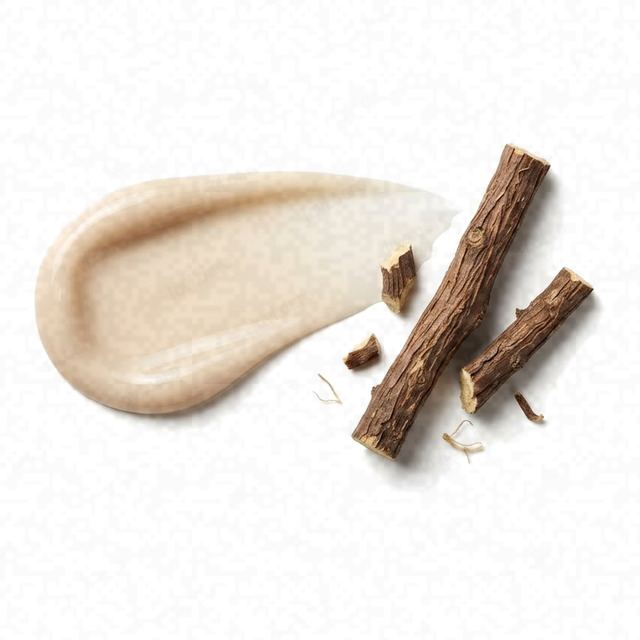 Dipotassium Glycyrrhizate
 Hydrogenated Polydecene
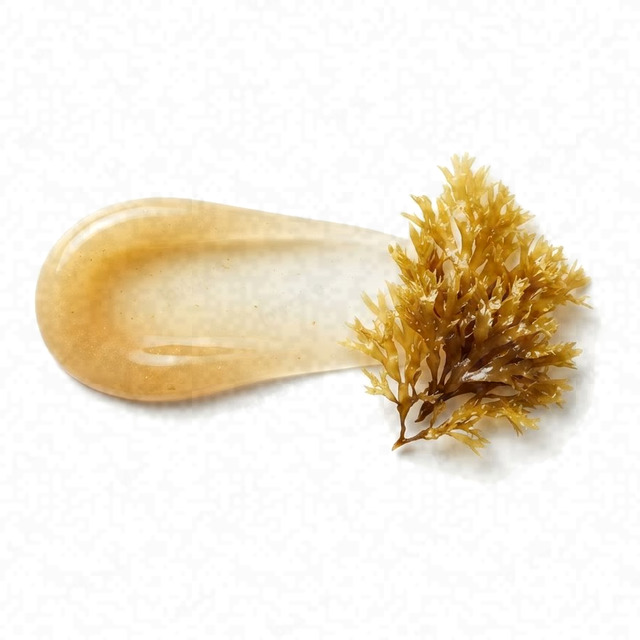 Laminaria Ochroleuca Extract
Low
- LowCombination Skin Fit
- HighEffectiveness
- ConcerningSafety
A weak match for acne-prone skin; the moisturizers alongside fit it better.
This fit is calculated for the concerns frequently associated with acne-prone skin: breakouts, blackheads, and post-acne marks. For scores and recommendations based on your full skin profile, including your 12D face scan results and any goals or preferences you have, please use the Lovi app.
Page built Nov 8, 2026How the Fit score works
Lovi Assistant explains
- Offers excellent moisturizing for your combination skin due to glycerin and niacinamide, which hydrate and enhance barrier resilience, but lacks sufficient oil control for your oily areas.
- While the formula provides general skincare benefits like hydration and soothing, these are largely supportive and irrelevant to your primary concerns of acne, blemishes, and breakouts.
How to apply
- Use your moisturizer twice a day in your AM and PM routines. Apply it daily to help keep breakouts under control.
- Apply after your cleanser and toner, and make sure to use your SPF right after in the morning.
- Gently spread a small amount of moisturizer over your face using soft motions. Let it absorb into the skin for a minute before getting dressed or applying makeup.
- Apply on slightly damp skin to help lock in extra moisture. This keeps your combination skin balanced without feeling heavy.
- Avoid the eye area and do a patch test before your first use. Stop using if you feel any irritation.
People Say
★4.5Overall rating based on 200+ reviewsWhile it effectively soothes itching and cools irritated skin, a significant number of users report that it can pill or leave a sticky residue if layered incorrectly or applied too thickly.
Highlights
Fragrance-free and gentle Often Mentioned
- “no scent”
- “didn't irritate sensitive skin”
- “good for acne-prone”
- “no stinging”
Lightweight and non-sticky Often Mentioned
- “absorbs straight in”
- “no oily residue”
- “fresh ultra-light texture”
- “perfect for summer”
Pilling and residue Often Mentioned
- “pills like crazy”
- “dust sticks to it”
- “leaves sticky film”
- “balls up under makeup”
Soothing and cooling Sometimes Noted
- “instantly cooled skin”
- “relieved tight feeling”
- “calms irritation”
- “stops the itch”
Insufficient hydration Rarely Noted
- “felt dehydrated inside”
- “not enough for winter”
- “need to layer”
- “dryness returned quickly”
Packaging issues Rarely Noted
- “pump stops working”
- “hard to empty”
- “wasteful bottle design”
Price and value Rarely Noted
- “expensive for amount”
- “used up quickly”
- “wish for smaller size”
Sources: lovi.care, dermstore.com, londondrugs.com, iherb.com, skinmiles.com, ozhairandbeauty.com, and more
Questions and answers
Why is Bioderma Atoderm Gel-Crème a weak match for acne-prone skin?
This product is a weak match because it lacks sufficient oil control for oily areas and does not target acne, blemishes, or breakouts. A moisturizing treatment for acne-prone skin needs effective blemish-fighting ingredients and oil-balancing benefits without any risk of irritation.
Which ingredients make this cream a poor fit for acne-prone skin?
This cream is a weak match for acne-prone skin because it lacks oil control for oily areas and ingredients that target breakouts. A moisturizer for this skin needs effective acne-fighting ingredients, soothing extracts, and zero irritation risk to balance the skin.
What does Glycerin do for acne-prone skin?
Glycerin helps keep acne-prone skin hydrated and calm without clogging pores or feeling heavy. It supports the skin barrier so it stays soft and smooth while handling everyday treatments.
The British Journal of Dermatology, 2008International Journal of Toxicology, 2019
What does Niacinamide do for acne-prone skin?
Niacinamide helps acne-prone skin by reducing both inflamed and uninflamed breakouts and calming redness. It is also very helpful for keeping oily skin balanced by cutting down on excess oil production, and it is well tolerated by most people.
Where does this cream go in a skincare routine for acne-prone skin?
This cream is a weak match for your skin because it lacks oil control for oily areas and does not target acne or blemishes. Acne-prone skin needs a moisturizing treatment that provides oil control and blemish-fighting ingredients.
Can I use this cream with retinol, and in what order?
You can use this cream alongside retinol by applying the retinol first and following with the cream to help keep your skin soft and reduce irritation. Using a moisturizer alongside treatments like retinol is generally well tolerated and may improve how well your skin handles the routine.
How often should I use this cream?
You can use this moisturizing treatment twice a day as part of your morning and evening routine, though it is a weak match for acne-prone skin because it lacks oil control. Skin of this type needs lightweight hydrators and ingredients that manage oil and target breakouts.
Journal of Cosmetic Dermatology, 2020Health Science Reports, 2021
Can this cream clog pores, cause breakouts or purging for acne-prone skin?
This cream is a weak match for your skin because it lacks oil control for your oily areas and focuses on general hydration rather than clearing breakouts. To properly care for acne-prone skin, a product of this type needs oil-balancing ingredients and blemish-fighting agents.
Can I use this cream around the eyes or on my body?
This cream is suitable for use on the body and around the eyes, as these areas feature skin that benefits from rich hydration and supportive care. Regular application helps maintain moisture and comfort in these regions while demonstrating very good skin tolerance.
Is this cream fragrance-free and alcohol-free?
Yes, it has no fragrance and no drying alcohol.
What the research says
A single application of a moisturizing fluid containing hyaluronic acid 1%, glycerin 5%, and Centella asiatica stem cells extract significantly increased skin hydration by 29% and reduced transepidermal water loss at 24 hours compared to baseline and an untreated control site in twenty healthy women.
Clinical, Cosmetic and Investigational Dermatology, 2017A topical formulation containing panthenol, niacinamide, and dipotassium glycyrrhizate increased skin hydration by 74.1% and reduced transepidermal water loss by 13.5% at 28 days compared to baseline and untreated control in 35 individuals with xerosis.
Journal of Cosmetic Dermatology, 2026Topical post-laser application of human adipocyte-derived mesenchymal stem cell media combined with niacinamide significantly improved wrinkle index, melanin index, patient satisfaction, and investigator esthetic improvement scores compared to vehicle cream in patients with aging skin.
Journal of Cosmetic Dermatology, 2021The emollient V0034CR significantly reduced TEWL compared to vehicle and vehicle plus glycerol, and significantly increased corneometry scores compared to vehicle and vehicle plus petrolatum in healthy volunteers with dry skin, demonstrating combined barrier function improvement from petrolatum and hydration improvement from glycerol.
Journal of Cosmetic Dermatology, 2020Ten days of treatment with a cream containing 20% glycerin significantly increased skin hydration measured by corneometer values in 17 healthy volunteers compared to a placebo cream, but showed no influence on transepidermal water loss or skin sensitivity to an irritating surfactant.
International Journal of Cosmetic Science, 2001Niacinamide/glycerin body moisturizers provided better rapid and prolonged improvement of cosmetic xerosis through functional improvement of stratum corneum barrier function compared to no treatment and conventional moisturizers in female subjects.
Journal of Drugs in Dermatology, 2012Topical nicotinamide prevented solar-simulated UV-induced immunosuppression in healthy volunteers, and men experienced immunosuppression at solar-simulated UV doses three times lower than those required for women.
The Journal of Investigative Dermatology, 2008Topical 5% niacinamide applied twice daily for 12 weeks reduced fine lines and wrinkles, hyperpigmented spots, red blotchiness, and skin sallowness, and improved skin elasticity compared to vehicle control in 50 female white subjects with facial photoaging.
Dermatologic Surgery, 2005Topical 2% niacinamide significantly decreased sebum excretion rate in Japanese individuals and casual sebum levels in Caucasian individuals compared to placebo or baseline.
Journal of Cosmetic and Laser Therapy, 2006Combining 755 nm alexandrite laser with topical licorice gel significantly reduces terminal hair counts compared to alexandrite laser with placebo in women with idiopathic hirsutism.
Evidence-based Complementary and Alternative Medicine, 2015Licochalcone A activated Nrf2 signaling, elevated cytoprotective enzymes, increased the reduced-to-oxidized glutathione ratio, and decreased reactive oxygen species in human fibroblasts and neutrophils, while a LicA-rich licorice extract lowered UVA-induced oxidative processes in vivo.
Experimental Dermatology, 2015Bioactive glycyrrhizic acid and oxymatrine ionic liquid self-assembled nanomicelles significantly promoted the transdermal permeation, subcutaneous retention, and anti-photoaging efficacy of palmitoyl pentapeptide-4 in cellular and animal models compared to unformulated peptide.
Advanced Science, 2025
Why other moisturizers fit acne-prone skin better
Co-delivery of paeonol and madecassoside via nanoemulsions improved transdermal delivery, promoted barrier repair proteins, inhibited inflammatory cytokine secretion in cellular and 3D models, and reduced transepidermal water loss and acne in human facial skin compared to free components.
Molecules, 2023A panthenol-enriched mask improved skin hydration, regulated sebum, and reduced redness and TEWL across dry sensitive, oily sensitive, and oily acne skin subgroups with excellent tolerance and no adverse reactions.
Journal of Cosmetic Dermatology, 2024A facial serum containing snail secretion filtrate, Calendula officinalis, and Glycyrrhiza glabra root extract significantly reduced inflammatory acne lesions compared to placebo in 66 participants with mild-to-moderate maskne over 12 weeks.
Journal of Cosmetic Dermatology, 2022
Ingredients
Water, Glycerin, Niacinamide, Sodium Polyacrylate, Dipotassium Glycyrrhizate, Hydrogenated Polydecene, Pentylene Glycol, 1,2-Hexanediol, Caprylyl Glycol, Mannitol, Polysorbate 20, Xylitol, Rhamnose, Sodium Citrate, Polyquaternium-51, Fructooligosaccharides, Caprylic Capric Triglyceride, Laminaria Ochroleuca Extract
Behind this fit score
Lovi calculates every fit score from the full ingredient list with brand-independent rules our dermatologists and cosmetic chemists build and review, and personalizes every pick with AI trained on the real results of millions of users. Lovi trains its fit score models on a proprietary dataset built from more than 10,000 expert-labeled products and more than 100,000 simulated examples, following an internally consistent methodology presented at Cosmoprof, AMWC, and Skin of Color Update.
-

Co-founder, Medical Director
Cosmetic chemist, cosmetologist, aesthetic products developer
-

Co-founder, CEO and CTO
PhD in computer science, 3x US patent holder, ex-Google, ex-Yandex
-

Dr. Sofía Perea Pérez, MD, MSc
Medical Board
Aesthetic medicine practitioner, MSc in Longevity and Anti-Aging Medicine
-

Medical Board
Specialist dermatologist, MBBS, MD, IFAAD
-

Medical Board
Cosmetic chemist, SCS, IFSCC member
-

Medical Board, Medical Advisor
Dermatology MD
-

Elina Nazarenko, MD
Medical Board
Dermatology and diagnostic consultant
-

Victoria Derkova, MS
Medical Board
Cosmetic chemist, cosmetic development technologist


How does it fit your skin?
Scan your face, then any product: Lovi shows how well it fits you and what fits even better.