
Lactic acid
Lactic acid builds firm skin, smooths wrinkles, increases collagen and elastin, boosts hydration, and eases dryness and itch. It suits dry skin and oily skin best, and comes in creams, exfoliators, serums, and toners, usually at 2% and 5%. It works well with glycerin, green tea, and polyhydroxy acid, while you should keep it apart from adapalene, tri-ceramide complex, and benzoyl peroxide.
International Journal of Biological Macromolecules, 2024Polymers, 2024Journal of Cosmetic Dermatology, 2023
This page shows lactic acid products with a Lovi page. For every product, and a routine built for your skin, use the Lovi app.
Popular lactic acid products
-
Medicube
Zero Pore Pad
 €15.99
-
First Aid Beauty
KP Bump Eraser Body Scrub
€27.83
- EltaMD UV Clear Broad-Spectrum SPF 46
-
First Aid Beauty
Facial Radiance Pads
 €17.25
-
CeraVe
SA Lotion for Rough & Bumpy Skin
€25.95
-
CeraVe
Renewing SA Cream
€13.90
-
The Ordinary
Alpha Arbutin 2% + HA
€10.16
-
The Ordinary
Retinal 0.2% Emulsion
€14.50


Lactic acid toners
-
Medicube
Zero Pore Pad
€15.99
-
First Aid Beauty
Facial Radiance Pads
€17.25
- Biologique Recherche Lotion P50
- BYOMA Brightening Toner
-
Clinique
Clarifying Lotion 2
€29.99
- SK-II Facial Treatment Clear Lotion
- Ole Henriksen Glow2OH Dark Spot Toner
-
Farmacy
Deep Sweep 2% BHA Pore Cleaning Toner
€30.60
- PCA SKIN Nutrient Toner
- Thayers 2% AHA Toner
- Kiehl's Daily Refining Milk-Peel Toner
- Jurlique Rosewater Balancing Mist


What reviewers say about popular lactic acid products
The highlight reviewers mention most for each popular lactic acid product on Lovi.
Medicube Zero Pore Pad Smoother skin texture ★4.5 · 12.0k+ reviews
- Pore appearance reduction
- Convenient packaging
- “gives my skin a smooth, glass-like finish”
First Aid Beauty KP Bump Eraser Body Scrub Smoother skin ★4.6 · 3.0k+ reviews
- Effective exfoliation
- Reduces KP/bumps
- “Baby soft finish”
EltaMD UV Clear Broad-Spectrum SPF 46 Lightweight and non-greasy ★4.7 · 66.3k+ reviews
- Excellent makeup primer
- High price point
- “Disappears into skin”
First Aid Beauty Facial Radiance Pads Brightens complexion ★4.6 · 2.1k+ reviews
CeraVe SA Lotion for Rough & Bumpy Skin Smooths rough/bumpy skin ★4.6 · 50.0k+ reviews
- Effective hydration
- Non-greasy/lightweight
- “bumps are disappearing”
CeraVe Renewing SA Cream Effective for KP ★4.6 · 3.0k+ reviews
Lactic acid exfoliators
- Kate Somerville ExfoliKate Intensive Exfoliating Treatment
-
Dr. Dennis Gross
Alpha Beta Universal Daily Peel
€124.52
-
The Ordinary
Lactic Acid 5% + HA
€8.95
-
Good Molecules
Overnight Exfoliating Treatment
€20.99
- Sunday Riley Good Genes All-In-One Lactic Acid Treatment
- CeraVe Skin Renewing Nightly Exfoliating Treatment
-
Elemis
Dynamic Resurfacing Facial Pads
€40.90
- Murad AHA/BHA Exfoliating Cleanser
- EADEM Cashmere Peel
- Dermalogica Skin Resurfacing Cleanser
- Nassif MD Detox Pads
- SkinCeuticals Cell Cycle Catalyst


Lactic acid creams
-
CeraVe
SA Lotion for Rough & Bumpy Skin
€25.95
-
CeraVe
Renewing SA Cream
€13.90
-
Eucerin
Intensive Repair Lotion
€63.30
- MAC Hyper Real Serumizer
-
Pond's
Rejuveness Anti-Wrinkle Cream
€24.40
-
Perricone MD
Essential Fx Acyl-Glutathione Intensive Overnight Moisturizer
€72.25
-
CeraVe
Blemish Control Gel
€24.15
- Kate Somerville ExfoliKate Glow Moisturizer
-
Perricone MD
Rejuvenating Moisturizer
€54.93
-
Perricone MD
Essential Fx Acyl-Glutathione Rejuvenating Moisturizer
€54.93
- ILIA Beauty The Base Face Milk
- Eucerin Roughness Relief Lotion


Lactic acid serums
-
The Ordinary
Alpha Arbutin 2% + HA
€10.16
-
The Ordinary
Retinal 0.2% Emulsion
€14.50
-
Olay
Super Serum Night Repair
€45.17
-
Dermalogica
BioLumin-C Serum
€45.00
- Obagi Clear
- SHANI DARDEN Retinol Reform
- Global Beauty Care Vitamin C Facial Serum
- Murad Targeted Pore Corrector
- Tatcha Violet-C Brightening Serum
- Medik8 Oxy-R Peptides
- Vivant DERM-A-GEL
-
ISDIN
Flavo-C Serum
€69.34


Lactic acid cleansers
- ZO Skin Health Exfoliating Cleanser
-
KORRES
Foaming Cream Cleanser
€21.29
- PCA SKIN Facial Wash
- Neutrogena Hydro Boost Exfoliating Cleanser
- Glow Recipe Blueberry Bounce Gentle Cleanser
-
Bioderma
Sébium Gel moussant
€15.74
- cocokind AHA Jelly Cleanser
-
True Botanicals
Ginger Turmeric Cleansing Balm
€44.01
-
Elemis
Pro-Collagen Energising Marine Cleanser
€41.90
- HydroPeptide Cleansing Gel
- Skinbetter Science Refining Foam Cleanser
- Formula 10.0.6 So Totally Clean Deep Pore Cleanser


Lactic acid masks
- Glamglow Supermud Clearing Treatment
- Biologique Recherche Masque Vivant
- Environ Tri BioBotanical Revival Masque
- Dr. Sebagh Deep Exfoliating Mask
- Biossance Squalane + Glycolic Renewal Mask
- Tata Harper Clarifying Mask
- RNW Der. Clear AHA BHA PHA Peeling Mask
- RéVive Masque de Brilliance Resurfacing Multi-Acid Mask
- StriVectin Glycolic Skin Reset Mask
- REN Clean Skincare Glycol Lactic Radiance Renewal Mask
-
Rodial
Vitamin C Brightening Mask
€15.00
- Rodial SUPER ACIDS X-TREME HANGOVER MASK


Other lactic acid products
-
First Aid Beauty
KP Bump Eraser Body Scrub
€27.83
-
Eucerin
Anti-Pigment Body Cream
€18.52
-
AmLactin
Daily Nourish Body Lotion
€24.92
- Carpe Exfoliating Underarm Scrub
- EltaMD UV Clear Broad-Spectrum SPF 46


What to combine lactic acid with
| Ingredient | Together | How to use them |
|---|---|---|
 Glycerin |
Works well | Use them together, applying lactic acid first, because the moisturizing ingredient calms the dryness caused by the exfoliating acid. Lactic acid and glycerin |
 Green tea |
Works well | Use them together, applying green tea after lactic acid, because antioxidants help protect fresh skin from stress. Lactic acid and green tea |
 Polyhydroxy acid |
Works well | Use them together, applying the lactic acid first, for gentle exfoliation and less irritation. Lactic acid and polyhydroxy acid |
 Ferulic acid |
Works well | Use them together, applying lactic acid first and ferulic acid after, because antioxidants protect freshly exfoliated skin. Lactic acid and ferulic acid |
 Linoleic acid |
Works well | Use them together, apply the lactic acid first, because lipids help restore your skin barrier after exfoliating. Lactic acid and linoleic acid |
 Panthenol |
Works well | Use them together, applying lactic acid first, because panthenol helps soothe and protect your skin. Lactic acid and panthenol |
 Taurine |
Works well | Use them together, lactic acid first, to keep your skin deeply hydrated and balanced. Lactic acid and taurine |
 Vitamin E |
Works well | Use them together, applying lactic acid first and vitamin E second, because antioxidants help protect your skin after exfoliation. Lactic acid and vitamin E |
 Amino acid |
Works well | Use them together, apply lactic acid first, because amino acids help keep your skin comfortable and hydrated. Lactic acid and amino acid |
 Gluconolactone |
Works well | Use them together, apply lactic acid first, for gentle exfoliation and less irritation. Lactic acid and gluconolactone |
 Fatty acid |
Works well | Use them together, applying lactic acid first and fatty acid second, to rebuild and strengthen your skin barrier after exfoliation. Lactic acid and fatty acid |
 Arginine |
Works well | Use them together, applying lactic acid first, because they keep skin hydrated and balanced. Lactic acid and arginine |
 Lactobionic acid |
Works well | Use them together, apply lactic acid first, for gentle exfoliation and less irritation. Lactic acid and lactobionic acid |
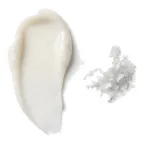 Cholesterol |
Works well | Use them together, applying lactic acid first, because cholesterol helps rebuild your skin barrier after exfoliation. Lactic acid and cholesterol |
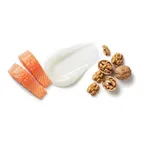 Omega-3 fatty acid |
Works well | Use them together, applying lactic acid first and omega-3 fatty acid after, to replenish your skin after exfoliating. Lactic acid and omega-3 fatty acid |
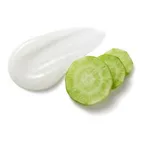 Betaine |
Works well | Use them together, applying lactic acid first, because betaine helps keep skin hydrated and comfortable. Lactic acid and betaine |
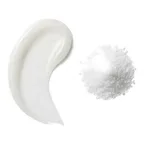 Tromethamine |
Works well | Use them together, applying lactic acid first, because they keep your skin comfortable by balancing the formula. Lactic acid and tromethamine |
 Allantoin |
Works well | Use them together, applying lactic acid first, because allantoin calms the skin and reduces irritation from the acid. Lactic acid and allantoin |
 Bisabolol |
Works well | Use them together, apply lactic acid first, because bisabolol calms skin redness and irritation. Lactic acid and bisabolol |
 Lauric acid |
Works well | Use them together, applying lactic acid first, because barrier lipids help rebuild your skin after exfoliation. Lactic acid and lauric acid |
 Theanine |
Works well | Use them together, applying lactic acid first, to keep your skin hydrated and balanced. Lactic acid and theanine |
 Niacinamide |
Depends | Use them together, applying lactic acid first, because niacinamide boosts texture while smoothing skin. Lactic acid and niacinamide |
 Vitamin C |
Depends | Use them together, applying vitamin C first, for better skin glow. Lactic acid and vitamin C |
 Hyaluronic acid |
Depends | Use them together, applying lactic acid first, because mild acids help hyaluronic acid soak in better while adding moisture. Lactic acid and hyaluronic acid |
 Adapalene |
Keep apart | Use adapalene and lactic acid apart: in different sessions of the same day or on different days, because they can irritate your skin. Lactic acid and adapalene |
 Tri-ceramide complex |
Keep apart | Use tri-ceramide complex and lactic acid apart: in different sessions of the same day or on different days, because acid breaks down the barrier-repairing lipids. Lactic acid and tri-ceramide complex |
 Benzoyl peroxide |
Keep apart | Use benzoyl peroxide and lactic acid apart: in different sessions of the same day or on different days, because mixing them causes extra irritation. Lactic acid and benzoyl peroxide |
 Retinol |
Keep apart | Use retinol and lactic acid apart: in different sessions of the same day or on different days, as they both peel and irritate the skin. Lactic acid and retinol |
 Azelaic acid |
Keep apart | Use azelaic acid and lactic acid apart: in different sessions of the same day or on different days, to prevent extreme skin irritation. Lactic acid and azelaic acid |
 Tretinoin |
Keep apart | Use tretinoin and lactic acid apart: in different sessions of the same day or on different days, because using both at once can severely irritate your skin. Lactic acid and tretinoin |
 Retinoid |
Keep apart | Use retinoid and lactic acid apart: in different sessions of the same day or on different days, because both speed up skin renewal and can cause serious irritation. Lactic acid and retinoid |
 Retinoid blend |
Keep apart | Use retinoid blend and lactic acid apart: in different sessions of the same day or on different days, because both speed up skin renewal and can cause irritation. Lactic acid and retinoid blend |
 Salicylic acid |
Keep apart | Use salicylic acid and lactic acid apart: in different sessions of the same day or on different days, as they can over-exfoliate your skin. Lactic acid and salicylic acid |
 Tea tree oil |
Keep apart | Use tea tree oil and lactic acid apart: in different sessions of the same day or on different days, because they cause extra skin irritation when mixed. Lactic acid and tea tree oil |
 Retinal |
Keep apart | Use retinal and lactic acid apart: in different sessions of the same day or on different days, as combining them can cause irritation. Lactic acid and retinal |
 Acetyl hexapeptide-3 |
Keep apart | Use acetyl hexapeptide-3 and lactic acid apart: in different sessions of the same day or on different days, because the acid ruins the peptide. Lactic acid and acetyl hexapeptide-3 |
 Carnosine |
Keep apart | Use carnosine and lactic acid apart: in different sessions of the same day or on different days, because acid weakens the peptide. Lactic acid and carnosine |
 Arbutin |
Keep apart | Lactic acid and arbutin |
 Granactive retinoid |
Keep apart | Use lactic acid and granactive retinoid apart: in different sessions of the same day or on different days, to prevent skin irritation. Lactic acid and granactive retinoid |
 Collagen peptide |
Keep apart | Lactic acid and collagen peptide |
 Thyme oil |
Keep apart | Use lactic acid and thyme oil apart: in different sessions of the same day or on different days, as they can cause skin irritation. Lactic acid and thyme oil |
 Tripeptide |
Keep apart | Use lactic acid and tripeptide apart: in different sessions of the same day or on different days, because the acid breaks down the peptide. Lactic acid and tripeptide |
 Clove leaf oil |
Keep apart | Use lactic acid and clove leaf oil apart: in different sessions of the same day or on different days, because this combination increases skin irritation and sun sensitivity. Lactic acid and clove leaf oil |
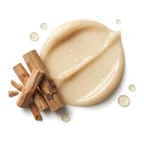 Sandalwood oil |
Keep apart | Use lactic acid and sandalwood oil apart: in different sessions of the same day or on different days, because they can irritate your skin when combined. Lactic acid and sandalwood oil |
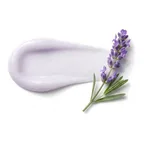 Lavender oil |
Keep apart | Use lactic acid and lavender oil apart: in different sessions of the same day or on different days, because they can irritate sensitive skin. Lactic acid and lavender oil |
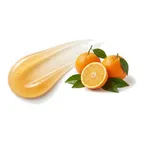 Orange oil |
Keep apart | Use lactic acid and orange oil apart: in different sessions of the same day or on different days, because they can irritate your skin when combined. Lactic acid and orange oil |
 Acetyl Hexapeptide-9 |
Keep apart | Use lactic acid and acetyl hexapeptide-9 apart: in different sessions of the same day or on different days, because acid breaks down peptides. Lactic acid and acetyl hexapeptide-9 |
 Hexapeptide-9 |
Keep apart | Use lactic acid and hexapeptide-9 apart: in different sessions of the same day or on different days, because the acid ruins the peptide. Lactic acid and hexapeptide-9 |
 Peppermint oil |
Keep apart | Use lactic acid and peppermint oil apart: in different sessions of the same day or on different days, because they cause extra irritation and sunburn risk. Lactic acid and peppermint oil |
 Rose oil |
Keep apart | Use lactic acid and rose oil apart: in different sessions of the same day or on different days, because they together increase irritation and photosensitivity. Lactic acid and rose oil |
 Rosewood oil |
Keep apart | Use lactic acid and rosewood oil apart: in different sessions of the same day or on different days, because they can irritate your skin. Lactic acid and rosewood oil |
 Palmarosa oil |
Keep apart | Use lactic acid and palmarosa oil apart: in different sessions of the same day or on different days, because they can irritate your skin together. Lactic acid and palmarosa oil |
 Cinnamon oil |
Keep apart | Use lactic acid and cinnamon oil apart: in different sessions of the same day or on different days, as they increase irritation together. Lactic acid and cinnamon oil |
 Copper peptide |
Keep apart | Lactic acid and copper peptide |
 Eucalyptus oil |
Keep apart | Use lactic acid and eucalyptus oil apart: in different sessions of the same day or on different days, because they can irritate sensitive skin. Lactic acid and eucalyptus oil |
 Matrixyl 3000 |
Keep apart | Use lactic acid and matrixyl 3000 apart: in different sessions of the same day or on different days, because the acid breaks down the peptide bonds. Lactic acid and matrixyl 3000 |
 Palmitoyl pentapeptide-4 |
Keep apart | Use lactic acid and palmitoyl pentapeptide-4 apart: in different sessions of the same day or on different days, because the acid ruins the peptide. Lactic acid and palmitoyl pentapeptide-4 |
 Peptide 9 |
Keep apart | Lactic acid and peptide 9 |
From the ingredient rules behind the "Works well with" and "Don't mix with" notes on every product in the Lovi app.
Questions and answers
What does lactic acid do for the skin?
Lovi finds that lactic acid has a High fit for improving skin dryness and hydration. Lactic acid helps increase skin firmness and thickness while smoothing wrinkles and texture.
Cutis, 2004Journal of the American Academy of Dermatology, 1996
How do you use lactic acid?
Lovi rates lactic acid as having a High fit for your skincare routine. Lactic acid helps improve skin moisturization, texture, and firmness. Use lactic acid and retinoid apart: in different sessions of the same day or on different days, because both speed up skin renewal and can cause serious irritation.
Polymers, 2024Journal of the American Academy of Dermatology, 1996
Should you use lactic acid in the morning or at night?
Lactic acid can be used in your routine either morning or night, as topical application helps improve skin smoothness and hydration. When pairing it with active ingredients, use adapalene and lactic acid apart: in different sessions of the same day or on different days because they can irritate your skin.
Journal of the American Academy of Dermatology, 1996Cutis, 2004
Can you use lactic acid every day?
Yes, you can use lactic acid regularly as it helps improve skin moisturization and texture. Lovi fit for daily use is Average.
Does lactic acid cause purging or irritation?
Lactic acid may cause stinging and skin irritation. Using lactic acid and retinol apart: in different sessions of the same day or on different days, as they both peel and irritate the skin.
Cutis, 2013International Journal of Biological Macromolecules, 2024
Which skin types is lactic acid best for?
Lovi has found lactic acid to be a Superior fit for dry, oily, combination, sensitive, and acne-prone skin, as well as mature skin and skin with dark spots. For example, The Ordinary Lactic Acid 5% + HA is a Superior fit for dry, sensitive, acne-prone, and dark spot-prone skin.
Can you use lactic acid with glycerin?
Yes, you can use lactic acid and glycerin together, applying lactic acid first, because the moisturizing ingredient calms the dryness caused by the exfoliating acid.
Can you use lactic acid with adapalene?
You should use adapalene and lactic acid apart: in different sessions of the same day or on different days, because they can irritate your skin.
Research on lactic acid
Behind this ingredient guide
Lovi checks every ingredient with brand-independent rules our dermatologists and cosmetic chemists build and review, and personalizes every pick with AI trained on the real results of millions of users. Lovi trains its fit score models on a proprietary dataset built from more than 10,000 expert-labeled products and more than 100,000 simulated examples, following an internally consistent methodology presented at Cosmoprof, AMWC, and Skin of Color Update.
-

Co-founder, Medical Director
Cosmetic chemist, cosmetologist, aesthetic products developer
-

Co-founder, CEO and CTO
PhD in computer science, 3x US patent holder, ex-Google, ex-Yandex
-

Dr. Sofía Perea Pérez, MD, MSc
Medical Board
Aesthetic medicine practitioner, MSc in Longevity and Anti-Aging Medicine
-

Medical Board
Specialist dermatologist, MBBS, MD, IFAAD
-

Medical Board
Cosmetic chemist, SCS, IFSCC member
-

Medical Board, Medical Advisor
Dermatology MD
-

Elina Nazarenko, MD
Medical Board
Dermatology and diagnostic consultant
-

Victoria Derkova, MS
Medical Board
Cosmetic chemist, cosmetic development technologist
How does it fit your skin?
Scan your face, then any product: Lovi shows how well it fits you and what fits even better.


